
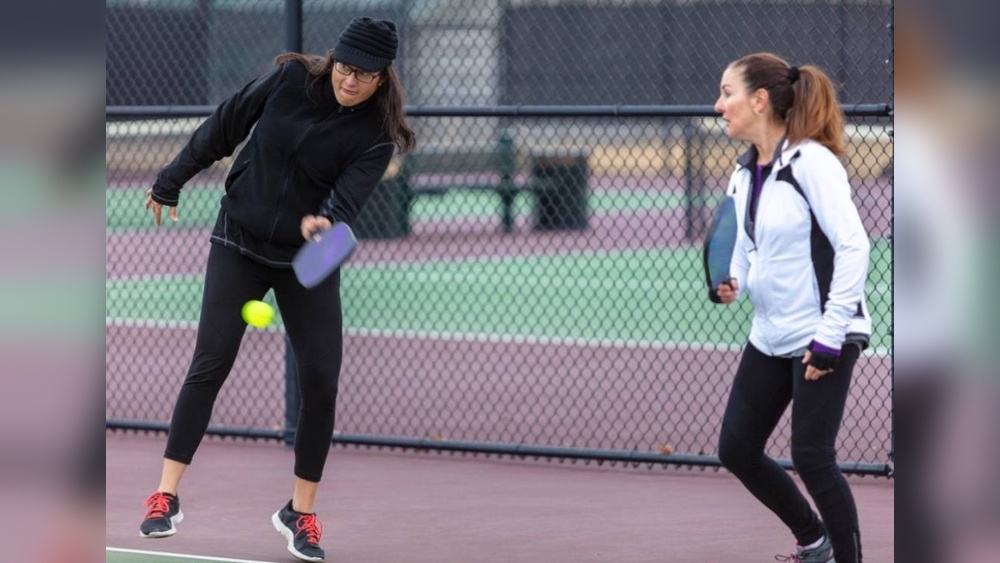
Pickleball has become a favorite sport for all ages. It’s fun, social, and a great way to stay active. But as winter arrives, the challenge changes: how do you stay warm and comfortable while still being able to move freely on the court? Many beginners make mistakes with their clothing, leading to discomfort, stiffness, and even injuries. If you want to enjoy pickleball in the colder months, knowing what to wear is just as important as learning how to play.
This guide will show you everything you need to know about what to wear to pickleball in the winter. You’ll discover the best types of clothing, how to layer, which accessories really help, and what fabrics to look for. We’ll also cover key mistakes, give you practical examples, and answer common questions—all to help you stay warm, safe, and playing your best all winter long.
Why Winter Clothing Matters For Pickleball
When temperatures drop, your body reacts differently. Muscles can stiffen, joints may feel sore, and you might lose flexibility. Cold air can also make you more prone to injuries. Choosing the right clothing isn’t just about comfort; it helps you perform better and stay healthy.
Many players think any warm clothes will do, but heavy cotton or bulky jackets can actually make things worse. The secret is finding the right balance: staying warm but not overheating, and having the freedom to move quickly. Understanding this balance is the first step to enjoying winter pickleball.
Layering: The Key To Winter Pickleball Comfort
Layering is the smart way to dress in winter. It means wearing several thin layers instead of one thick one. This method traps warm air, allows sweat to escape, and lets you adjust easily if you get too hot or cold.
Here’s how to build your winter pickleball outfit using layers:
1. Base Layer
The base layer sits closest to your skin. It manages moisture and helps keep you dry.
- Material: Synthetic fabrics like polyester or merino wool are best. They wick sweat away better than cotton.
- Fit: Should be snug but not tight.
- Example: Long-sleeve compression shirts or thermal tops.
2. Middle Layer
The middle layer provides insulation. It keeps your body heat in.
- Material: Fleece, light wool, or technical synthetics.
- Fit: Slightly looser than base, but not baggy.
- Example: Lightweight fleece pullovers or zip-ups.
3. Outer Layer
The outer layer protects you from wind and moisture.
- Material: Windbreakers or soft-shell jackets that are water-resistant.
- Fit: Comfortable enough to layer over the others, but not oversized.
- Example: Athletic jackets with ventilation.
Why Not Cotton?
Cotton soaks up sweat and dries slowly. In winter, this can make you feel cold and damp. Always avoid cotton in your base or middle layer.
What To Wear On Top
Your upper body is where heat escapes quickly. Here’s how to keep it warm but flexible for pickleball.
Base: Moisture-wicking Shirt
Start with a long-sleeve athletic top made from synthetic or wool blend. This pulls sweat away from your skin, so you stay dry.
Middle: Light Fleece Or Warm Pullover
Over your base, add a light fleece pullover or a mid-weight zip-up. These trap warmth but won’t make you overheat as you move.
Outer: Windbreaker Or Soft-shell Jacket
Your outermost layer should block wind but let air circulate. A windbreaker or a thin, water-resistant jacket is ideal. Look for versions with zippered vents under the arms or on the back—these let you cool down quickly if you get hot.
Example Outfit
- Moisture-wicking long-sleeve shirt
- Lightweight fleece pullover
- Breathable windbreaker
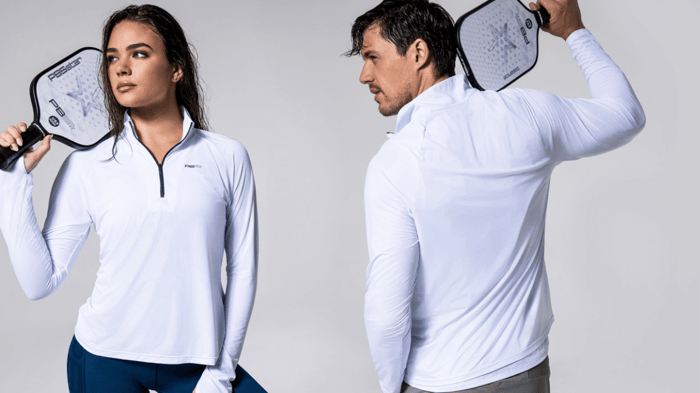
This combo is easy to adjust: remove the outer jacket if you get hot, or add a vest for extra core warmth.
Bottoms: Choosing The Right Pants And Leggings
Your legs need to stay warm, but bulky pants can slow you down. Here’s what works best for winter pickleball:
Thermal Leggings Or Tights
Wear thermal leggings or compression tights as your base. These should fit snugly and wick moisture. Men and women can both use them.
Athletic Pants Or Joggers
On top, add athletic pants or joggers made of lightweight, stretchy material. Avoid heavy sweatpants, as they may hold moisture and restrict movement.
Skirt/shorts Over Leggings
Some players prefer the classic pickleball look: skirts or shorts over leggings. This gives extra coverage and style without sacrificing warmth.
Comparison Of Bottom Options
| Option | Warmth | Flexibility | Moisture Control |
|---|---|---|---|
| Thermal Leggings Only | Medium | High | Excellent |
| Leggings + Joggers | High | Medium | Good |
| Heavy Sweatpants | High | Low | Poor |
Footwear: Keeping Feet Warm And Supported
Cold feet can ruin your game. It’s important to keep them warm, dry, and supported.
Pickleball Shoes Vs. Running Shoes
Pickleball shoes have better grip and side support. Running shoes may not handle quick stops or slides.
Winter Socks
Choose thermal or wool-blend socks. These keep feet warm but let moisture escape. Avoid thick cotton socks—they get damp and cold.
Extra Tip: Warm Your Shoes
If you store your shoes in a cold place, warm them up inside before heading out. Cold shoes can make your feet numb quickly.
Shoe And Sock Pairing Comparison
| Shoe Type | Sock Type | Best For |
|---|---|---|
| Pickleball Shoes | Wool Blend | Outdoor courts, cold and dry days |
| Pickleball Shoes | Thermal Synthetic | Very cold, wet conditions |
| Running Shoes | Thin Synthetic | Indoor courts only |
Hands, Head, And Ears: Small Areas That Lose Big Heat
Many players forget about their hands, head, and ears. These areas lose heat fast, and if they’re cold, your whole body feels it.
Hands: Gloves That Work
Most winter gloves are too thick for pickleball. Look for thin, grippy gloves made for sports. Running gloves, golf gloves, or even special pickleball gloves give warmth without losing paddle control.
- Material: Fleece-lined synthetics or thin wool blends
- Grip: Silicone patterns or textured palms
Head: Hats, Headbands, And Caps
A lightweight beanie or thermal headband keeps heat in but won’t cause overheating. If it’s windy, a cap with ear flaps works well.
Ears: Ear Warmers
If you don’t like hats, try ear warmers or fleece bands. They’re light and don’t get in the way.
Neck: Gaiters And Buffs
A neck gaiter or “buff” keeps cold air off your neck. It can be pulled up over your mouth on very cold days.
Accessories And Extras For Winter Pickleball
Small extras can make a big difference in winter comfort.
Sunglasses With Uv Protection
Winter sun can reflect off icy courts and be very bright. Sunglasses help protect your eyes, even on cloudy days.
Lip Balm And Skin Protection
Cold air dries out skin and lips. Keep lip balm in your bag and use a light moisturizer on your face.
Hand Warmers
For very cold mornings, disposable hand warmers are a smart addition. Slip them into your pockets between games.
Towel For Sweat
Even in winter, you’ll sweat. Bring a small towel to wipe your face and hands.
What To Wear For Indoor Vs Outdoor Winter Pickleball
Where you play changes how you dress. Indoor and outdoor courts need different outfits.
Outdoor Courts
- Dress in full layers: Base, middle, and outer.
- Block wind and moisture with your jacket.
- Warm socks, gloves, and head protection are a must.
- Be ready to remove a layer if the sun comes out or you warm up.
Indoor Courts
- The building may be cool, but you’ll warm up fast.
- Stick to a moisture-wicking base and a light mid-layer.
- Bring a zip-up you can remove easily.
- Usually, gloves, hats, or buffs are not needed indoors.
Example: Smart Layering For Both Settings
Before you leave home, wear all your layers. Once you’re inside or warmed up outdoors, take off the outer layer and adjust as needed.
Common Mistakes Beginners Make
Even experienced players sometimes get winter clothing wrong. Here are mistakes to avoid:
1. Overdressing
Wearing too many layers can make you sweat heavily, then feel cold as you cool down. It’s better to start a little cool—you’ll warm up quickly.
2. Choosing The Wrong Fabrics
Cotton keeps moisture next to your skin. Always pick synthetic or wool blends for your base layers.
3. Forgetting Accessories
Skipping hats, gloves, or neck gaiters can lead to heat loss and discomfort. Even thin accessories make a big difference.
4. Ignoring Your Feet
Thin socks or cold shoes can make you miserable. Wear warm, moisture-wicking socks and bring dry backups if you need them.
5. Not Testing At Home
Don’t wear new gear for the first time at a match. Try your outfit at home to check for tight spots or overheating.
Practical Examples: Real Winter Pickleball Outfits
Let’s see how players put these tips into action. Here are examples for different conditions:
Example 1: Mild Winter Day (40–50°f / 4–10°c)
- Moisture-wicking long-sleeve shirt
- Lightweight fleece pullover
- Athletic joggers or skirt over leggings
- Thin wool socks and pickleball shoes
- Headband or light beanie
Example 2: Cold, Windy Day (30–40°f / -1–4°c)
- Thermal base layer top and leggings
- Mid-weight fleece or wool pullover
- Windbreaker jacket (with vents)
- Leggings plus lightweight pants
- Thermal socks
- Thin sports gloves
- Beanie with ear coverage
- Neck gaiter
Example 3: Very Cold Or Early Morning (20–30°f / -6–-1°c)
- Thick thermal base layer
- Heavy fleece mid-layer
- Water-resistant, insulated jacket
- Layered thermal leggings and pants
- Wool-blend socks
- Sports gloves with grip
- Insulated beanie
- Neck buff or scarf
- Disposable hand warmers in pockets
These combinations let you adjust to changing weather. Always keep a spare layer in your bag, especially for after the game.
Credit: www.pb5star.com
How To Adjust During Play
Winter conditions change fast. You’ll warm up quickly after a few games, then cool down when you rest. Be ready to:
- Remove a layer if you start sweating heavily
- Add your jacket back between games
- Swap to dry gloves or hats if they get damp
- Use a towel to dry off sweat before putting layers back on
This flexible approach keeps your body temperature stable and reduces the risk of getting chilled.
Caring For Your Winter Pickleball Clothes
Winter gear lasts longer with the right care.
- Wash technical fabrics in cold water and hang dry when possible. This protects their moisture-wicking ability.
- Don’t use fabric softener on sports clothes—it can block the material’s pores.
- Check for wear in high-stretch areas, like knees and elbows. Replace items that have lost their shape.
Quality gear can be expensive, but proper care helps it last for several seasons.

Credit: saltierose.com
Budget Options For Winter Pickleball Clothing
Not everyone wants to buy a whole new wardrobe. You can find good options without spending a lot.
- Look for off-season sales at sports stores.
- Outdoor running gear works well for pickleball.
- Layer what you have: A running shirt, an old fleece, and a rain jacket often work as well as pricier branded items.
- DIY ear warmers: Cut the top off an old sock for a simple neck gaiter or ear band.
Invest in the most important pieces: good base layers and shoes.
Women’s Vs. Men’s Winter Pickleball Clothing
Most advice applies to everyone, but there are some differences.
For Women
- Leggings with pockets for balls
- Skirt-over-leggings look is popular and functional
- Women’s jackets often have more fitted waists for movement
For Men
- Compression tights under shorts or pants
- Straight-cut athletic pants for freedom of movement
- Men’s gloves sized for larger hands
The key is comfort and flexibility, not fashion.
Non-obvious Insights Most Beginners Miss
Two important points most players overlook:
- Layer zippers matter: Choose tops with quarter or full zips. You can adjust airflow quickly without taking the whole layer off, which makes a huge difference as your body heats up or cools down.
- Pre-game warm-up is essential: Cold muscles are more likely to get injured. Dress warmly while stretching, then shed a layer before you start playing. Don’t wait until you’re already cold on the court.
Where To Find Quality Winter Pickleball Clothes
Many brands make clothing for running, tennis, or hiking that works perfectly for pickleball. Popular places to shop include:
- Local sporting goods stores
- Online retailers like REI, Dick’s Sporting Goods, or Amazon
- Specialty brands like Lululemon, Under Armour, and Nike
For more details on technical clothing, see this layering basics guide.
Credit: courtsidetennis.com
Frequently Asked Questions
What Is The Best Fabric For Winter Pickleball Clothes?
Synthetic blends (like polyester or nylon) and merino wool are the best fabrics. They wick sweat, dry quickly, and keep you warm without feeling heavy. Avoid cotton—it stays damp and gets cold easily.
Can I Wear Normal Running Clothes For Winter Pickleball?
Yes, running clothes are a good option, especially as base and mid-layers. Just make sure your outer layer blocks wind, and you have enough flexibility for pickleball’s side-to-side movements.
How Do I Keep My Hands Warm Without Losing Grip On The Paddle?
Use thin sports gloves with textured palms or silicone grip. Test a few pairs to see what feels right. Some players use golf gloves, while others like gloves made for cold-weather tennis.
What Should I Do If I Start Sweating A Lot During Play?
If you sweat heavily, remove a layer right away to avoid getting chilled. Bring a towel to dry off, and swap out damp hats or gloves for dry ones if possible. Staying dry is key to staying warm.
Is There Special Gear For Outdoor Vs Indoor Winter Pickleball?
For outdoor play, you need full layers, hats, gloves, and wind protection. For indoor courts, a base layer and maybe a light pullover are enough. Always bring extra layers in case the temperature changes.
Dressing smart for winter pickleball makes the game fun, safe, and comfortable—no matter how cold it gets. With the right clothes, you can enjoy every point, stay active, and even improve your performance during the chilly months.