
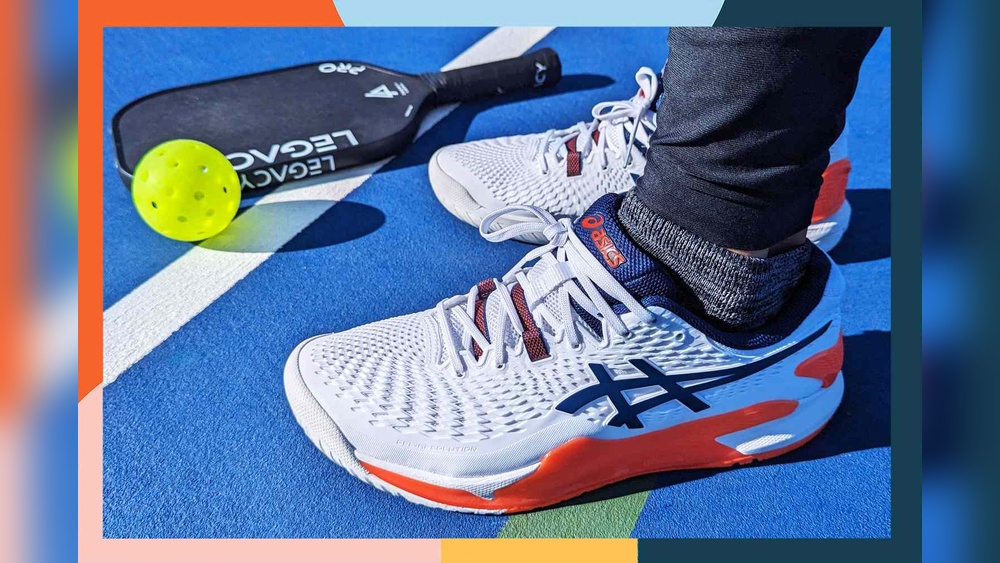
Are Running Shoes Good For Pickleball
Pickleball is growing fast, attracting players of all ages around the world. It’s fast, fun, and social—but if you’re new to the sport, you might wonder if your current running shoes are suitable for pickleball. Many beginners believe any athletic shoe will work, but the reality is more complex. Proper footwear can change your experience, affect your performance, and even prevent injuries. Let’s explore whether running shoes are a good choice for pickleball, and what you should know before stepping onto the court.
Understanding Pickleball Movements
Pickleball is not just about running back and forth. The sport involves quick side-to-side steps, short sprints, lunges, and sudden stops. Many rallies require you to move in all directions, shift your weight, and react quickly to the ball. Unlike running, which is a forward motion, pickleball puts a lot of stress on the feet through lateral (sideways) movement.
Let’s look at the main movements in pickleball:
- Lateral shuffling: Moving side-to-side to cover the court.
- Forward lunges: Reaching for low balls or volleys.
- Backward steps: Adjusting to overhead shots.
- Quick pivots: Changing direction rapidly.
- Frequent stops and starts: You rarely run in a straight line for long.
These dynamic movements are different from running, where the focus is on forward momentum and a steady gait. Pickleball asks for stability, grip, and support in all directions.
What Makes Running Shoes Unique
To understand whether running shoes are right for pickleball, it helps to know how running shoes are designed. Running shoes focus on cushioning, shock absorption, and forward motion. Their features include:
- Thick, cushioned midsoles: For comfort and shock absorption during heel-to-toe strikes.
- Flexible forefoot: Helps the foot roll forward.
- Lightweight materials: Reduce fatigue over long distances.
- Narrow, curved outsoles: Designed for straight-line running, not side movement.
While these features make running comfortable, they are not always helpful—or even safe—on a pickleball court. Running shoes often lack lateral support, which is critical when you are moving side-to-side.
Key Differences: Running Shoes Vs. Court Shoes
Let’s compare running shoes and court shoes (shoes made for court sports like tennis or pickleball) across important features:
| Feature | Running Shoes | Court Shoes |
|---|---|---|
| Lateral Support | Minimal | Strong |
| Sole Grip | Designed for pavement/trails | Designed for court traction |
| Cushioning | High | Moderate, stable |
| Weight | Light | Moderate |
| Durability (on court) | Low | High |
As you can see, court shoes are made to handle the stresses of pickleball, while running shoes are optimized for a very different activity.
Pros And Cons Of Using Running Shoes For Pickleball
It’s common for new players to use running shoes because they already own a pair. Let’s break down the advantages and disadvantages so you can make a smart choice.
Advantages
- Comfort: Running shoes are often very comfortable, with soft cushioning and a lightweight feel.
- Availability: Most people already have a pair, so you can start playing without buying new shoes.
- Breathability: Many running shoes use mesh uppers, which can keep your feet cool.
Disadvantages
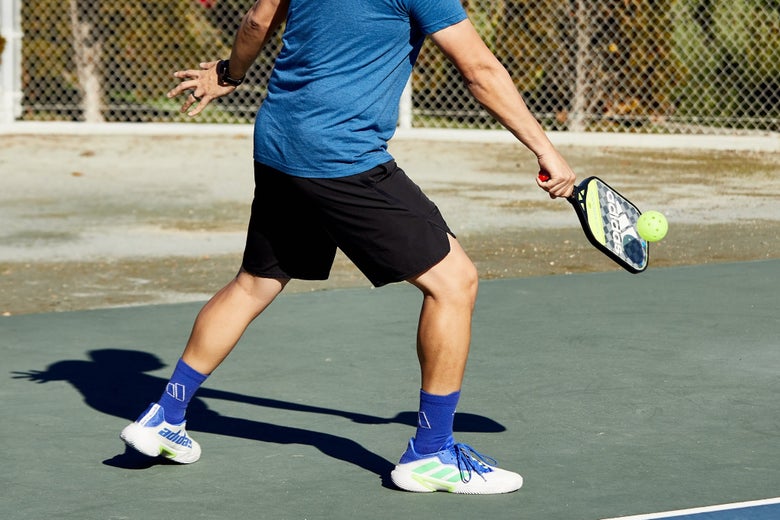
- Poor lateral support: Running shoes are not designed for side-to-side movement. Your foot can slide, increasing the risk of sprains.
- Slippery outsole: The grip pattern is made for roads and trails, not for smooth courts. You might slip during quick movements.
- Less durability: The sole and upper can wear out quickly on rough court surfaces.
- Higher injury risk: Lack of support and traction may lead to rolled ankles, knee pain, or other injuries.
- Instability during pivots: The curved, narrow base is not stable when you pivot or change direction suddenly.
Credit: www.pickleballwarehouse.com
Common Injuries Linked To Wrong Shoes
Wearing the wrong shoes for pickleball can lead to several injuries. Here are the most common risks when using running shoes on the court:
- Ankle sprains: Lateral moves can cause your foot to roll if the shoe lacks side support.
- Knee pain: Unstable shoes force your knees to absorb extra pressure during quick stops and pivots.
- Plantar fasciitis: The soft cushioning and lack of court grip can strain the arch of your foot.
- Blisters: Running shoes might not fit as securely for side-to-side play, leading to friction and blisters.
- Toe injuries: Without reinforced toe caps, sudden stops can jam your toes against the front of the shoe.
Many players only realize the risk after they get hurt. Using the right shoes can help you enjoy pickleball for years, injury-free.
How Shoe Grip Affects Pickleball Performance
Grip is more than just traction—it’s about how your shoes interact with the court. Pickleball courts can be indoor (wood or synthetic) or outdoor (concrete, asphalt). Court shoes have flat, patterned soles that grip the court without sticking. This helps you move smoothly but stop when needed.
Running shoes, with their deep treads or raised patterns, may actually slide or “grab” in the wrong way. This can lead to:
- Unexpected slips: Especially on dusty indoor courts.
- Too much grip: Your foot can “stick” during a fast turn, twisting your knee or ankle.
- Uneven wear: Running shoes break down quickly on rough court surfaces.
A good court shoe balances grip and glide, letting you move and stop safely. This is one reason why most experienced pickleball players avoid running shoes after their first few sessions.
Durability And Value: Will Running Shoes Last?
Many players hope to save money by using running shoes for pickleball. However, the savings are often short-term. The court’s rough surface can shred the outsoles and wear through the mesh upper quickly. You might find holes in the toe area or lose cushioning after only a few weeks of regular play.
Court shoes, by contrast, are made for high-abrasion surfaces. Their soles last longer, and the upper is reinforced against wear from quick stops and drags. Over time, investing in the right shoes saves money and frustration.
Here’s a quick durability comparison:
| Shoe Type | Average Lifespan (Pickleball Use) | Common Failure Point |
|---|---|---|
| Running Shoes | 1-3 months (frequent play) | Outsole, toe mesh |
| Court Shoes | 6-12 months | Midsole compression |
So, while running shoes are fine for a few casual games, they may not hold up for regular players.
Are There Any Running Shoes Made For Multi-sport Use?
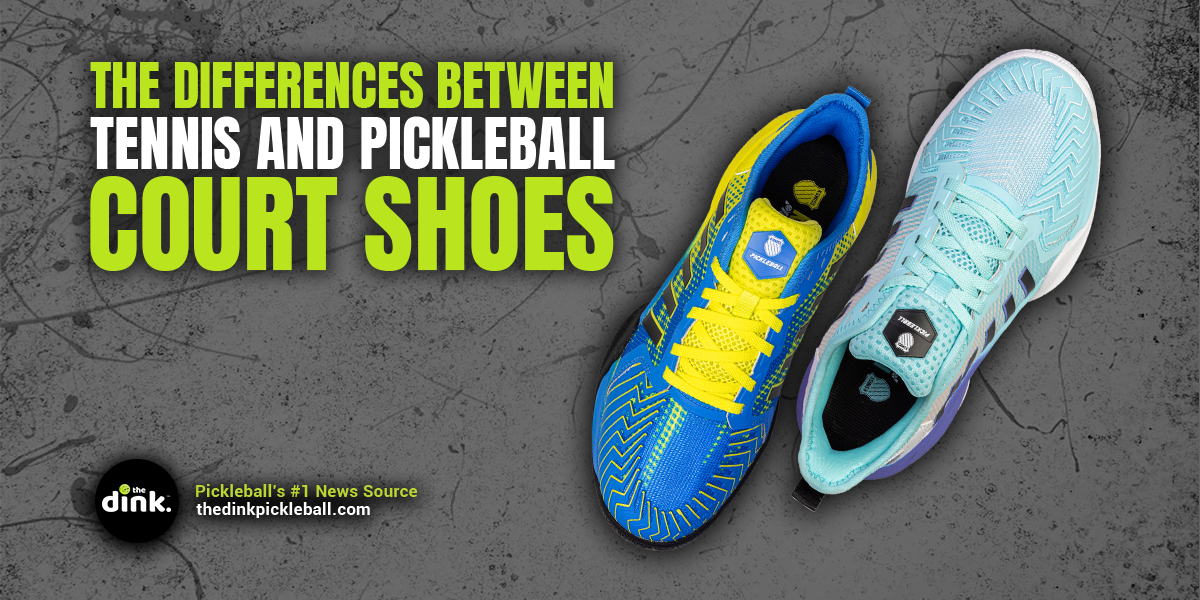
Some running shoes are labeled as “cross trainers. ” These are designed for a mix of activities, including gym workouts and some court sports. However, most true running shoes (especially those labeled “road running” or “marathon”) lack the stability and sole needed for pickleball.
If you must use a running-type shoe, choose a cross-training shoe with a flat, wide sole and reinforced sides. But even then, a dedicated court shoe is usually safer and more effective.
Credit: www.thedinkpickleball.com
What Makes A Good Shoe For Pickleball?
If running shoes fall short, what should you look for in the right pickleball footwear? Here are the most important features:
- Lateral support: Look for shoes with sturdy sidewalls and overlays to keep your foot stable.
- Durable outsole: A flat, patterned sole designed for court traction is key.
- Snug fit: Your foot should not slide around inside the shoe, especially during side steps.
- Reinforced toe area: Prevents wear from quick stops and lunges.
- Breathable materials: Keeps your feet dry, but not at the expense of support.
- Moderate cushioning: Enough to absorb shock, but not so soft you lose court feel.
Many major brands now offer pickleball-specific shoes, but tennis and indoor court shoes are also a good fit.
Can You Play Pickleball In Running Shoes? Real-world Examples
Let’s hear from players who tried using running shoes for pickleball:
- Anna, age 45: “I started with my old running shoes because I thought they were fine. After a few games, my feet hurt and I almost twisted my ankle. When I switched to tennis shoes, I felt more stable right away.”
- Mike, age 32: “I wore my running shoes for about a month. The soles wore flat, and I started slipping on the gym floor. Now I use court shoes and feel much safer.”
- Sarah, age 62: “I’m a beginner and didn’t want to buy new shoes. I got blisters using running shoes, but my coach explained why court shoes are better. It really does make a difference.”
These stories show that while you can play in running shoes, you’re likely to experience pain, wear, or even injury. Most experienced players strongly recommend switching to court shoes.

Credit: readrunwrite.org
When Is It Ok To Use Running Shoes For Pickleball?
There are a few situations where running shoes might be acceptable:
- First-time players: If you’re trying pickleball for the first time and don’t want to invest yet, it’s okay to use running shoes briefly.
- No other option: If you have no other athletic shoes, it’s better than playing barefoot or in sandals.
- Outdoor recreational play: On soft surfaces like grass or dirt, running shoes may be less risky, but still not ideal.
However, if you plan to play regularly, especially indoors or on hard courts, switching to a proper court shoe should be a priority.
What Do Experts Say?
Most coaches and sports medicine experts agree: running shoes are not ideal for pickleball. The American Orthopaedic Foot & Ankle Society warns that using shoes not made for lateral movement increases your risk of injury.
A study published in the Journal of Sports Science & Medicine found that athletes who used running shoes for court sports had a higher rate of ankle and foot injuries compared to those who used sport-specific shoes.
For more information on sports footwear recommendations, you can check the Wikipedia page on athletic shoes.
How To Transition To Court Shoes
If you’re ready to make the change from running shoes to court shoes, here are some tips:
- Try before you buy: Shoe sizing can be different between brands. Test the fit in-store if possible.
- Break them in: Wear your new court shoes for short sessions at first to prevent blisters.
- Socks matter: Use moisture-wicking, cushioned socks designed for court sports.
- Check the court type: Some shoes are made for indoor courts, others for outdoor. Choose based on where you play most often.
- Replace when worn: Even court shoes wear out. Replace them when the grip fades or support weakens.
Comparing Popular Shoe Types For Pickleball
Here’s a look at how different shoes perform on the court:
| Shoe Type | Lateral Support | Grip | Durability | Comfort |
|---|---|---|---|---|
| Running Shoes | Poor | Variable | Low | High |
| Tennis Shoes | Excellent | Excellent | High | Good |
| Indoor Court Shoes | Good | Excellent | Medium | Good |
| Cross-Trainers | Medium | Good | Medium | Good |
| Pickleball-Specific Shoes | Excellent | Excellent | High | Excellent |
From this, it’s clear that running shoes lag behind dedicated court shoes in key performance areas.
Two Insights Beginners Often Miss
- Court surface matters: The shoe’s grip can behave very differently on an indoor wooden floor versus outdoor asphalt. Running shoes might feel “okay” outside, but dangerously slippery indoors. Always match your shoe to the main surface you play on.
- Foot fatigue isn’t normal: If your feet ache or feel unstable after a pickleball session, don’t assume it’s just part of the sport. It often means your shoes aren’t offering the right support or grip.
How To Spot If Your Shoes Are Holding You Back
Sometimes, it’s not obvious that your shoes are the problem. Watch for these signs:
- You feel unstable during side steps.
- You notice new aches in your feet or ankles after playing.
- The outsole is smooth or peeling after a few games.
- Blisters or sore toes appear more often than with other sports.
If you notice these issues, it’s likely time to upgrade to proper court shoes.
Final Thoughts: Are Running Shoes Good For Pickleball?
Running shoes are not the best choice for pickleball. While they are comfortable and easy to find, they do not offer the support, grip, or durability needed for safe and enjoyable play. Using running shoes can increase your risk of injury, shorten the life of your footwear, and hold back your performance. If you are serious about pickleball, or even if you play regularly for fun, investing in a good pair of court shoes will help you play better, feel better, and avoid common problems.
Your footwear is part of your game. Making the right choice now will let you enjoy pickleball longer, with fewer injuries and more confidence on the court.
Frequently Asked Questions
Can I Use My Old Running Shoes For Pickleball If I’m Just Starting?
Yes, you can use your old running shoes for your first few sessions. However, be aware that they might not provide enough support or grip for pickleball. If you plan to continue playing, it’s wise to switch to court shoes soon.
What’s The Difference Between Tennis Shoes And Pickleball Shoes?
Both tennis shoes and pickleball shoes offer strong lateral support and court-specific grip. The main difference is that some pickleball shoes are lighter and have design tweaks for the unique movement patterns of the sport. Tennis shoes are still an excellent choice for pickleball players.
Will Using Running Shoes Damage Indoor Pickleball Courts?
Most running shoes will not damage the court itself, but their outsole may not grip well on smooth surfaces. This can lead to slipping or unexpected falls. Court shoes are designed to work with the court, not against it.
How Do I Know If My Shoes Are Right For Pickleball?
Check if your shoes have a wide, flat sole and reinforced sides. They should feel stable during quick side-to-side movements. If you notice slipping, pain, or rapid wear, they may not be suitable.
Are There Any Brands That Make Pickleball-specific Shoes?
Yes, several brands now make shoes designed just for pickleball. Look for features like lateral support, durable outsoles, and reinforced toe boxes. Popular brands include K-Swiss, ASICS, and New Balance.
—
By choosing the right shoes, you’ll enjoy pickleball more and protect your feet. Always remember: the right equipment is key to a safe and fun game.