
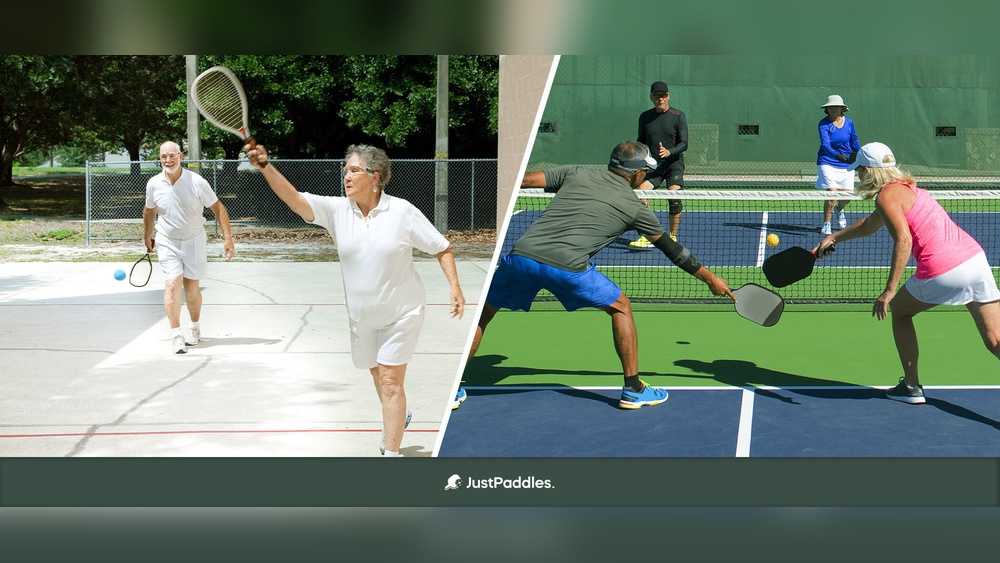
Racquetball Vs Pickleball: A Deep Dive Into Two Fast-growing Sports
Racquet sports have seen a surge in popularity in recent years, but two games, racquetball and pickleball, have captured a special place in the hearts of players across age groups. You might have noticed more local gyms and parks offering courts for both. What makes these sports so appealing? How do they really compare? If you’re thinking about trying a new activity, or simply curious about their differences, you’re in the right place. This guide breaks down everything you need to know about racquetball vs pickleball—equipment, rules, strategies, health benefits, and even how easy it is to get started. By the end, you’ll know which sport might be the best fit for you or your family.
Origins And History
Understanding the history of both sports helps explain their culture and appeal. Racquetball was invented in 1950 by Joseph Sobek, a Connecticut man who wanted a fast-paced indoor sport. He combined elements from squash, handball, and tennis, creating a game played with a short stringless racquet and a bouncy rubber ball. Within decades, racquetball became a staple in American fitness clubs, especially in the 1970s and 1980s.
Pickleball, on the other hand, has a more relaxed origin. In 1965, three dads in Bainbridge Island, Washington, created the game to entertain their children during summer. They used ping-pong paddles, a plastic ball, and a badminton court. The sport slowly grew in popularity, spreading to retirement communities, schools, and public parks. Today, pickleball is one of the fastest-growing sports in the United States, with millions playing regularly.
One insight that beginners often miss: pickleball’s rapid rise is partly due to its low impact and social nature, making it accessible to all ages. Racquetball, while still popular, has seen a decline in some regions due to changing gym layouts and competition from new sports.
Equipment And Court Differences
The gear and playing space for each sport are quite distinct.
Racquetball Equipment And Courts
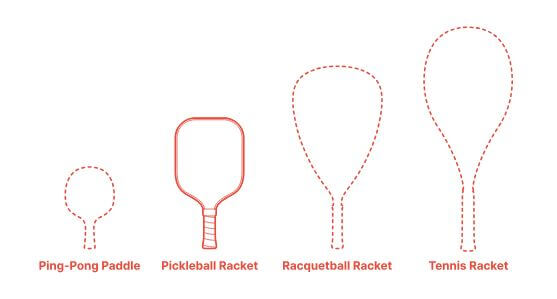
- Racquet: Short-handled, stringed racquet (about 22 inches)
- Ball: Hollow, bouncy rubber ball (usually blue)
- Court: Fully enclosed indoor space, 20 feet wide, 40 feet long, and 20 feet high
- Footwear: Non-marking indoor court shoes
Racquetball courts have four walls, a ceiling, and a floor—all surfaces are in play. The enclosed space makes for a very fast game, with the ball bouncing rapidly.
Pickleball Equipment And Courts
- Paddle: Solid, without strings; usually made from wood, composite, or graphite; about 8 inches wide and 16 inches long
- Ball: Lightweight plastic with holes (similar to a whiffle ball)
- Court: Outdoor or indoor; 20 feet wide and 44 feet long (same size as a badminton court)
- Net: 36 inches at the sidelines, 34 inches in the center
Pickleball courts are usually outdoors, but many gyms now offer indoor options. Only the court floor is in play, and the net divides the two sides.
Comparison Table: Equipment And Court Size
| Feature | Racquetball | Pickleball |
|---|---|---|
| Racquet/Paddle | Stringed racquet, 22″ max | Solid paddle, 8″x16″ |
| Ball | Rubber, 2.25″ diameter | Plastic, 2.87″ diameter |
| Court Size | 20’x40’x20′ (enclosed) | 20’x44′ (open) |
| Net | None | 34″-36″ high |
A subtle detail: racquetball balls are much bouncier and faster, which changes the way you move and react compared to pickleball.
Rules And Gameplay
Both sports have simple rules but very different styles of play.
Racquetball Rules And Style
Racquetball is played as singles (1 vs 1) or doubles (2 vs 2). The server must bounce the ball once, then strike it to the front wall so it passes the short line but doesn’t hit the back wall before bouncing.
After serving, players take turns hitting the ball to the front wall. The ball can hit side walls and the ceiling, but must always touch the front wall before bouncing.
Points are scored only by the server. Most games are played to 15 points (win by 1), often in a best-of-three format.
Racquetball is extremely fast. The ball can travel over 150 mph. Reaction time is critical, and rallies can be intense but often short.
Pickleball Rules And Style
Pickleball can also be played as singles or doubles, but doubles is more common. The serve is underhand, and the ball must land in the opposite service box. The big difference: the two-bounce rule. The ball must bounce once on each side before volleys are allowed. There is also a “kitchen” (non-volley zone) near the net, where players cannot volley the ball.
Games are played to 11 points (win by 2), and only the serving team can score points.
Pickleball is slower-paced than racquetball. The ball doesn’t travel as fast, and there’s more emphasis on positioning, patience, and strategy. Rallies can be long, with players dinking (soft shots) near the net to force errors.
Key Gameplay Differences
- Speed: Racquetball is much faster and more intense.
- Strategy: Pickleball relies more on placement, patience, and teamwork.
- Court Movement: Racquetball requires lateral and backward movement in a confined space; pickleball involves more forward-backward movement and court coverage.
Physical Demands And Injury Risks
How hard are these sports on the body? Let’s compare.
Racquetball Physical Demands
Racquetball is a high-intensity workout. The game demands explosive movements, quick sprints, and fast direction changes. Because the court is enclosed, you’ll find yourself making split-second reactions, jumping, diving, or twisting to reach shots.
Common injuries include:
- Sprained ankles
- Shoulder strains
- Eye injuries (goggles are recommended)
A non-obvious risk: collisions with walls. Players often crash into walls or each other, especially in doubles.
Pickleball Physical Demands
Pickleball is lower impact. The court is smaller, and the ball is lighter, so there’s less forceful movement. The most common movements are short sprints, lateral shuffles, and quick reactions at the net.
Common injuries:
- Achilles tendon strains
- Knee pain (especially for older players)
- Paddle elbow (like tennis elbow)
A unique insight: Pickleball’s kitchen rule reduces the need for dangerous lunges or dives at the net, making the game safer for seniors and beginners.
Data Table: Injury Risk And Physical Intensity
| Sport | Injury Risk | Main Injury Types | Calories Burned/Hour (Average) |
|---|---|---|---|
| Racquetball | Moderate-High | Sprains, eye injuries, collisions | 600-800 |
| Pickleball | Low-Moderate | Knee, elbow, foot strains | 350-500 |
Skill Levels And Learning Curve
Many people want to know which sport is easier to learn.
Racquetball Learning Curve
Racquetball can be challenging at first. The ball moves quickly, and using a stringed racquet requires some technique. Beginners often struggle with timing, especially when the ball bounces off walls at sharp angles.
However, improvement can be rapid with practice, especially if you have experience in other racquet sports like squash or tennis.
Pickleball Learning Curve
Pickleball is famous for its gentle introduction. The paddle is light, and the ball moves slowly. Most beginners can start having fun within their first session. Mastery, however, takes time—especially learning advanced strategies like dinking or stacking in doubles.
A non-obvious tip: Pickleball’s social culture helps new players improve quickly. Many local clubs offer free lessons and round-robin play, so you get lots of repetitions and support.
Social And Community Aspects
The environment around each sport feels very different.
Racquetball Community
Racquetball is often played indoors at gyms or sports clubs. The community tends to be smaller and more competitive. Many players are fitness enthusiasts or people who have played for years. Tournaments exist, but local leagues are less common than in pickleball.
Pickleball Community
Pickleball’s biggest strength is its welcoming, social vibe. Parks, retirement centers, and schools host games for all ages. Pickleball is famous for “open play,” where people rotate partners and meet new friends. It’s common to see families, kids, and seniors all sharing the court.
A unique aspect: Pickleball’s age diversity. It’s one of the few sports where a 70-year-old can compete with a 20-year-old and both have fun.
Cost To Get Started
How Much Will You Spend To Try Each Sport?
Racquetball Cost
- Racquet: $30–$100
- Balls: $5–$10 per can
- Goggles: $15–$40 (strongly recommended)
- Shoes: $40–$100
- Court fees: $5–$15 per session (if not a gym member)
Total: Expect to spend $100–$200 for a basic setup.
Pickleball Cost
- Paddle: $30–$150 (starter paddles are cheaper)
- Balls: $10–$20 for a 3-pack
- Shoes: $40–$100 (court shoes preferred, but many play in sneakers)
- Court fees: Many parks are free; indoor courts may cost $2–$10 per session
Total: You can start for as little as $50, especially if using free community courts.
A non-obvious insight: Pickleball’s rapid growth means more free courts are opening every year, lowering the barrier to entry.
Competitive Play And Tournaments
Both sports offer a range of competitive opportunities, but the scene is quite different.
Racquetball Tournaments
Racquetball has a long history of national and international tournaments. The International Racquetball Federation (IRF) runs world championships. In the U. S. , the USA Racquetball organization oversees competitions for juniors, adults, and seniors. Skill divisions help players compete at their level.
However, the number of tournaments has declined in some areas, as courts are converted for other uses.
Pickleball Tournaments
Pickleball’s tournament scene is exploding. The USA Pickleball Association (USAPA) sanctions hundreds of events each year, from local round robins to the prestigious US Open Pickleball Championships. Skill levels range from beginners to pros. Many events have age brackets, so older adults can compete fairly.
A crucial difference: Pickleball tournaments often have a festive, community feel, with music, food, and social events. It’s as much about meeting people as winning medals.
Credit: signaturehealthcare.org
Accessibility For Different Ages And Abilities
Who can play, and how easy is it for beginners or those with physical limitations?
Racquetball Accessibility
Racquetball is best for those with good mobility and reaction time. The fast pace and enclosed court can be intimidating for older adults or those with joint issues. Some programs exist for juniors, but participation skews toward adults.
Pickleball Accessibility
Pickleball shines in this area. The low-impact nature, light paddles, and smaller court make it ideal for kids, seniors, and people with limited mobility. Many communities offer adaptive pickleball for wheelchair users.
One overlooked benefit: Pickleball’s underhand serve and two-bounce rule reduce strain on the shoulders and back, making the sport sustainable for a wider range of players.
Strategy And Advanced Play
As you improve, each sport reveals layers of depth.
Racquetball Strategy
Advanced racquetball is about controlling angles and court position. Wall shots, ceiling balls, and pinning your opponent in the back of the court are key tactics. Players often develop signature serves to gain an advantage.
A non-obvious insight: Effective racquetball players use the ceiling defensively to reset rallies and regain control.
Pickleball Strategy
Pickleball’s depth comes from dinking, stacking, and shot selection. At higher levels, the game is about patience—setting up your opponent for mistakes and choosing when to attack. Doubles teams use stacking (switching sides) to maximize their strengths.
A subtle but important point: The best pickleball players win by forcing errors, not by hitting winners. Soft hands and mental focus are as important as power.
Credit: www.racquetballrules.us
Popularity And Growth
Let’s look at which sport is growing faster and why.
Racquetball Trends
Racquetball saw its peak in the 1980s and 1990s. In recent years, the number of active players has declined, mainly due to gym closures and competition from other fitness trends. Still, there are an estimated 3.5 million players in the U.S., and it remains popular in Mexico, Canada, and parts of South America.
Pickleball Trends
Pickleball is booming. According to the Sports & Fitness Industry Association, pickleball grew by over 158% in three years (2019–2022). In 2023, there were an estimated 8.9 million players in the U.S.—double the number from just a few years earlier. Courts are being built in schools, parks, and even cruise ships.
A non-obvious factor: Pickleball’s easy setup and low cost make it ideal for group recreation and physical education in schools, fueling its rapid expansion.
For more statistics and trends, see the Pickleball Wikipedia page.
Which Sport Is Right For You?
Choosing between racquetball and pickleball depends on your goals, fitness level, and local community.
- Pick racquetball if you want a fast, intense, solo workout and have access to a gym with proper courts.
- Pick pickleball if you prefer a social, low-impact sport that you can play outdoors or with people of all ages.
If possible, try both. Many players enjoy the speed of racquetball and the community of pickleball. You might be surprised by which one you enjoy more.

Credit: www.youtube.com
Frequently Asked Questions
What Is The Main Difference Between Racquetball And Pickleball?
Racquetball is played indoors on an enclosed court with a stringed racquet and a bouncy rubber ball. Pickleball is played on a smaller, open court with a solid paddle and a lightweight plastic ball. The speed, strategy, and required skills are quite different.
Which Sport Burns More Calories?
On average, racquetball burns more calories per hour (600–800) because of the faster pace and larger movements. Pickleball burns about 350–500 calories per hour but is easier on the joints.
Is Pickleball Easier For Beginners?
Yes. Most people find pickleball easier to learn and less intimidating. The ball moves slower, and the rules favor longer rallies, making it more welcoming for new players.
Can You Play Both Sports If You Have Joint Problems?
Pickleball is usually better for people with joint issues, thanks to its low-impact movements and smaller court. Racquetball can be tough on knees and ankles due to quick stops and starts.
Where Can I Find Courts For Racquetball And Pickleball?
Racquetball courts are usually found in gyms or sports clubs. Pickleball courts are in parks, recreation centers, and even outdoor tennis courts with special lines. Many communities now have directories and apps to help you find courts nearby.
Whether you choose racquetball, pickleball, or both, you’ll find a sport that delivers fun, fitness, and a welcoming community. The best way to decide? Grab a paddle or racquet and get out there!