
Have you ever wondered if you can play pickleball on wet courts without risking injury or ruining your game? You might be eager to get on the court, even after a drizzle or sudden rain.
But is it safe? How does wet ground affect your footing, the ball’s bounce, and your overall performance? If you want to enjoy pickleball safely and confidently, understanding how wet courts impact your game is essential. Keep reading to discover everything you need to know before stepping onto those slippery surfaces.

Credit: pickleball.com
Pickleball And Wet Conditions
Playing pickleball on wet courts affects the game in many ways. Wet conditions change how the ball bounces and how players move. Safety becomes a big concern because wet surfaces can be slippery. Understanding these effects helps players decide when to play or stop.
Effects Of Moisture On Play
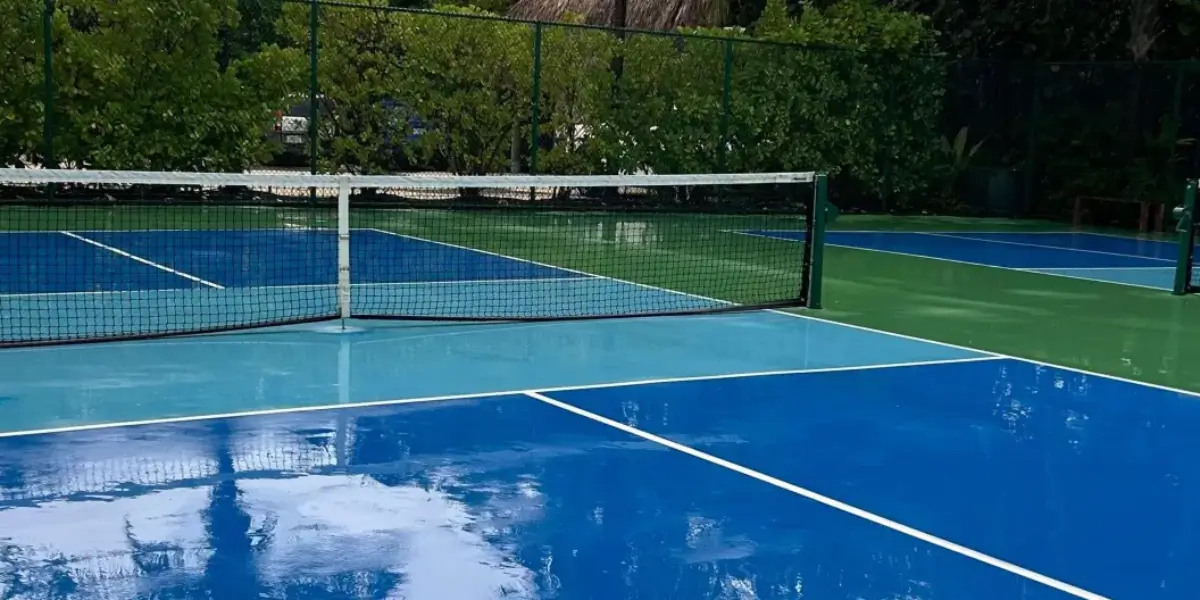
Moisture makes the court slippery. Players may lose their balance more often. The ball also behaves differently. It can slow down or skid instead of bouncing normally. Wet conditions reduce control and accuracy. Players need extra care to avoid injuries.
Common Court Surfaces And Water Impact
Pickleball courts use different surfaces like asphalt, concrete, and sport tiles. Asphalt and concrete hold water longer, causing puddles. These surfaces become very slick after rain. Sport tiles drain water faster but can still be slippery. Knowing the surface type helps players assess risks during wet weather.
Risks Of Playing On Wet Courts
Playing pickleball on wet courts carries several risks that players must consider. Wet surfaces change how the game feels and how safe it is. The court becomes slippery and unpredictable. These risks affect both the player’s safety and their equipment.
Slipping Hazards
Wet courts create a high chance of slipping. Water reduces traction between shoes and the surface. Players can easily lose balance and fall. Quick moves and sudden stops become dangerous. Slips may cause minor bruises or serious injuries.
Equipment Damage Concerns
Wet conditions can harm pickleball gear. Paddles may absorb moisture and weaken over time. Balls can become heavier and less bouncy. Shoes also wear out faster when exposed to water. Damaged equipment affects gameplay and costs more money.
Injury Possibilities
Playing on wet courts raises injury risks. Twisted ankles and sprains happen more often. Falls can lead to cuts, bruises, or broken bones. Wet courts make it hard to control movements. Injuries can keep players off the court for weeks.
Safety Tips For Wet Court Play
Playing pickleball on wet courts can be risky. Slippery surfaces increase chances of falls and injuries. Safety should be your top priority. Follow these tips to stay safe and enjoy the game.
Proper Footwear Choices
Wear shoes with good grip and non-slip soles. Avoid smooth-soled shoes that can slide easily. Shoes designed for court sports provide better traction. Change shoes if they get wet to prevent slipping.
Adjusting Playing Style
Move slower and take smaller steps on wet courts. Avoid sudden stops and sharp turns. Use gentle swings to keep control of the paddle. Focus on balance and steady footwork to reduce falls.
Court Inspection Before Play
Check the court for puddles and slippery spots before playing. Make sure the surface is safe to walk on. Remove any debris that can cause trips. Postpone the game if the court is too wet or dangerous.
Alternatives When Courts Are Wet
Wet courts can stop your pickleball fun. Playing on wet surfaces is unsafe and damages the court. Finding other ways to play keeps your skills sharp and your routine steady.
Indoor Pickleball Options
Indoor courts offer a safe, dry place to play. Many gyms and community centers have indoor pickleball facilities. These courts are perfect during rainy days or wet weather.
Indoor play protects you from slipping and injuries. It also lets you enjoy the game year-round. Check local gyms or sports centers for indoor pickleball schedules.
Rescheduling And Weather Monitoring
Watching the weather helps plan your pickleball sessions better. Use weather apps to track rain and court conditions. Reschedule games to dry days to avoid risks.
Communicate with your playing group about weather changes. Early rescheduling keeps everyone informed and ready. Staying flexible keeps your pickleball routine smooth and safe.
Maintaining Courts To Prevent Wetness
Wet courts can stop a pickleball game fast. Players risk slipping and injury. Keeping courts dry is key to safe play. Regular care helps courts stay ready for action. Simple steps reduce water buildup and damage. Focus on drainage and cleaning to control wetness. Proper maintenance extends court life and playtime.
Drainage Solutions
Good drainage stops water from pooling on courts. Install drains around the court edges. Use sloped surfaces to guide water away. Gravel or perforated pipes help water flow underground. Check drainage systems often for blockages. Clear leaves and dirt that can clog drains. Proper drainage makes courts safer and playable sooner.
Regular Cleaning And Upkeep
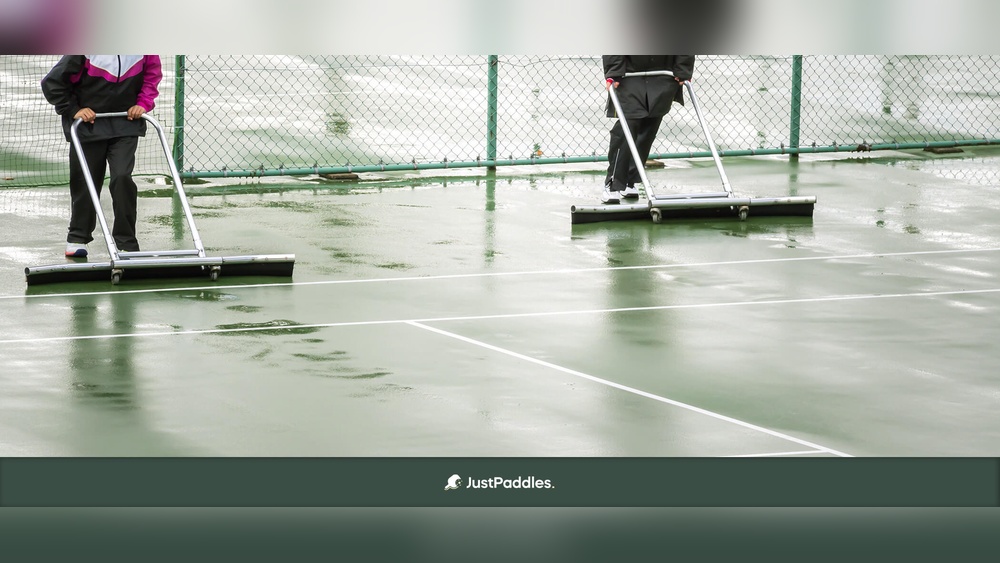
Clean courts remove debris that holds water. Sweep courts after rain to clear puddles. Remove leaves, dirt, and sticks regularly. Check for cracks where water can collect. Repair cracks quickly to prevent damage. Use a blower or broom for fast drying. Regular upkeep keeps courts smooth and dry.

Credit: www.pb5star.com
Credit: pickleballguidehub.com
Frequently Asked Questions
Can You Safely Play Pickleball On Wet Courts?
Playing pickleball on wet courts is unsafe. Wet surfaces cause slips and falls, increasing injury risk. It’s best to wait until courts dry completely before playing to ensure safety and proper gameplay.
How Does Wet Court Affect Pickleball Gameplay?
Wet courts reduce ball bounce and player traction. This affects your movement, control, and shot accuracy. Wet surfaces also make the game slower and less predictable, impacting overall performance and enjoyment.
What Are The Risks Of Playing On Wet Pickleball Courts?
Wet courts increase slip and fall risks, leading to injuries like sprains or fractures. Wet surfaces can also damage footwear and court materials. Playing in such conditions is unsafe and not recommended.
Can Wet Courts Damage Pickleball Equipment?
Yes, wet courts can damage pickleball paddles and balls. Moisture can warp paddles and degrade ball quality, reducing their lifespan. Keep equipment dry to maintain optimal performance and durability.
Conclusion
Playing pickleball on wet courts can be risky. Wet surfaces cause slipping and reduce control. Players may get hurt easily in such conditions. Courts can also get damaged by water. It is best to wait until courts dry fully. Safety should always come first in sports.
Dry courts help you play better and enjoy more. So, be patient and choose the right time to play. Your game and health will thank you for it.