
Padel and pickleball are two racquet sports that are quickly gaining fans around the world. Both games are fast, social, and easy to learn, but they have unique rules, equipment, and playing styles. Many people new to these sports are curious about the differences and which one might suit them best.
Understanding the real contrasts can help you choose the right game for your lifestyle, fitness goals, or even just for fun with friends. In this article, you’ll discover how padel and pickleball compare in detail, from their courts and gear to rules, strategies, and their growing popularity.
Origins And Growth
Padel and pickleball might seem similar at first glance, but they have very different histories. Padel was invented in Mexico in 1969 by Enrique Corcuera. It quickly became popular in Spain and Latin America, and now it is one of the most played sports in Spain, especially among young adults. Today, there are more than 25,000 padel courts worldwide.
Pickleball started in 1965 in the United States, on Bainbridge Island, Washington. Joel Pritchard, Bill Bell, and Barney McCallum created the game as a family activity. It has exploded in popularity in North America, especially in the last decade. Over 8 million people play pickleball in the US alone, according to the Sports & Fitness Industry Association.
Both sports have seen a surge in international interest, with new clubs and courts opening in Europe, Asia, and Australia. The growth is fueled by the sports’ social nature and their appeal to all ages.
Court Size And Layout
The playing surface is one of the first clear differences between padel and pickleball. Each sport uses a unique court size, surface, and layout.
Padel Court
A padel court measures 20 meters long and 10 meters wide. It is surrounded by glass walls at the ends and metallic mesh on the sides, making the ball bounce back into play. The walls are part of the game, much like in squash. The surface is usually artificial turf or concrete, and the court is divided by a net in the middle. There are service boxes similar to tennis.
Pickleball Court
A pickleball court is much smaller, at 13.4 meters long and 6.1 meters wide (44 feet by 20 feet). There are no walls. The court resembles a smaller tennis court and can be outdoors or indoors. The surface is usually asphalt, concrete, or a cushioned material. The court includes a “non-volley zone” or “kitchen” near the net, where special rules apply.
Below is a quick visual comparison:
| Sport | Court Size | Walls | Surface Type |
|---|---|---|---|
| Padel | 20m x 10m | Glass/mesh walls | Artificial turf/concrete |
| Pickleball | 13.4m x 6.1m | None | Asphalt/concrete/cushion |
These differences create very different playing experiences. Padel courts allow for longer rallies and unique strategies using the walls, while pickleball courts focus on quick movements and precise shots.

Credit: kansascitymag.com
Equipment And Gear
Choosing the right equipment is essential for both safety and performance. While both sports use paddles and balls, the types are quite different.
Padel Equipment
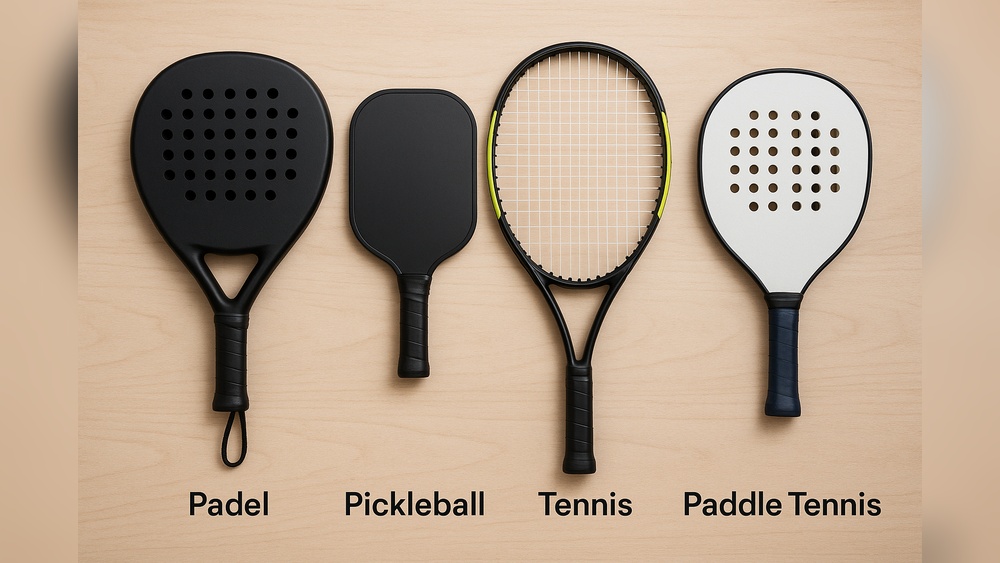
Padel uses a solid, perforated racket (no strings), typically made from composite materials like carbon fiber or fiberglass. The racket is smaller than a tennis racquet and easy to handle. Padel balls look similar to tennis balls but are slightly less pressurized, so they bounce a bit less.
Players wear regular sports clothes and non-marking court shoes. Many choose shoes with extra grip for the turf surface.
Pickleball Equipment
Pickleball uses a solid paddle, usually made from wood, composite, or graphite. It is slightly larger than a padel racket and has no holes. The ball is unique—made of lightweight plastic, it has holes (like a wiffle ball), which affects its flight and bounce.
Pickleball players often wear comfortable sports clothing and shoes designed for quick lateral movements.
Here’s a simple comparison of the key equipment:
| Sport | Paddle/Racket | Ball Type | Shoes |
|---|---|---|---|
| Padel | Solid, perforated (no strings) | Pressurized felt ball (like tennis, less bounce) | Court shoes, good grip |
| Pickleball | Solid, no holes (wood/composite/graphite) | Plastic, perforated (wiffle ball style) | Court shoes, lateral support |
One thing beginners often miss: padel rackets are never strung (unlike tennis), and pickleball paddles are rarely made of metal due to weight and bounce control.
Rules And Scoring
Understanding the rules is important for enjoying the game and improving your skills. Both sports are easy to learn, but there are some unique differences.
Padel Rules
Padel is always played in doubles (2 vs 2). The serve must be underhand and bounce in the opponent’s service box. After the serve, the ball can hit the walls after bouncing on the ground. Players can use the walls to keep the ball in play. The scoring system is the same as tennis: 15, 30, 40, and game.
A padel match is typically the best of three sets. Each set is won by the first team to reach six games with at least a two-game lead.
Pickleball Rules
Pickleball can be played as singles or doubles. The serve is also underhand but must be diagonal, landing in the opposite service box. There’s a “two-bounce rule”: the ball must bounce once on each side before players can volley (hit in the air).
The non-volley zone (the “kitchen”) extends 7 feet from the net on each side. Players cannot volley while standing in this zone.
Games are usually played to 11 points, and you must win by 2 points. Only the serving team can score.
A common mistake for beginners: forgetting the two-bounce rule in pickleball or stepping into the kitchen for a volley.
Here’s a simple rules summary:
| Sport | Players | Serve | Unique Rules | Scoring |
|---|---|---|---|---|
| Padel | Doubles only | Underhand, must bounce | Walls in play | Tennis scoring |
| Pickleball | Singles or doubles | Underhand, diagonal | Kitchen, two-bounce rule | First to 11, win by 2 |
 "Padel vs Pickleball: Key Differences, Rules, and Which to Choose")
Credit: playtomic.com
Gameplay And Strategy
Both padel and pickleball are fun and fast-paced, but their playing styles are very different.
Padel Style
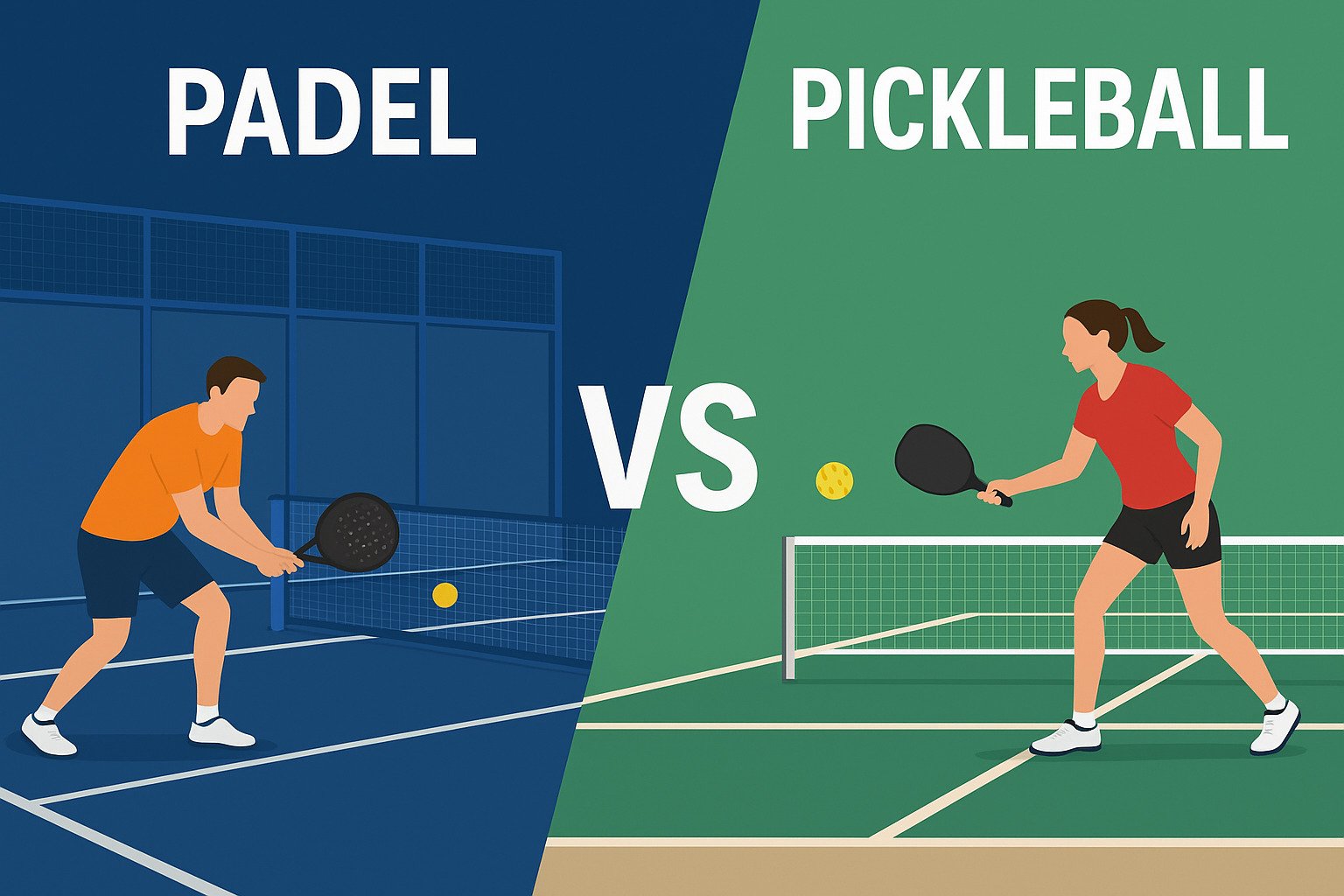
Padel is about teamwork, positioning, and using the walls. Rallies often last longer than in tennis. Because the ball can bounce off the walls, players need to think ahead and use angles. Power is less important than control and strategy. Communication between partners is essential.
A unique aspect is the use of the lob—a high, defensive shot to push opponents back. Padel also rewards quick reflexes and anticipation, as the ball can change direction after hitting the walls.
Pickleball Style
Pickleball focuses on quick reactions and placement. The court is small, so soft shots called “dinks” are common. These are gentle hits over the net that force opponents to move forward and make mistakes.
The “kitchen” rule makes net play more tactical. Players often battle for position near the kitchen line, trying to control the pace. Fast volleys and sudden changes in direction are common. Because the plastic ball is light, wind can affect outdoor play, adding an extra challenge.
A key insight: in pickleball, patience wins points. Many beginners try to smash every ball, but the best players wait for the right moment.
Physical Demands And Fitness
Both sports offer a good workout, but they stress the body in different ways.
Padel Fitness
Padel is less intense than tennis but still requires good agility and coordination. It involves a lot of lateral movement, quick sprints, and sudden stops. Because it’s always doubles, players cover less ground individually, reducing the risk of overuse injuries.
The use of walls means there is more time to react, making it suitable for a wide age range. However, the fast pace and quick exchanges can still be demanding, especially in competitive matches.
Pickleball Fitness
Pickleball is more accessible for beginners and older players. The smaller court means less running, and the paddle is light. However, games can be surprisingly intense, especially at higher levels. Players must react quickly, bend their knees for low shots, and change direction often.
Pickleball is considered a low-impact sport, making it ideal for people with joint concerns. Still, playing on hard surfaces can cause knee or ankle discomfort if shoes are not supportive.
One thing often missed: both sports improve hand-eye coordination and balance, not just cardio fitness.
Credit: pacecourt.com
Social Aspects And Accessibility
Padel and pickleball both shine as social sports. They are easy to start, and you don’t need years of training to enjoy them.
Padel Community
Padel is famous for its friendly atmosphere. Because it’s always doubles, you meet new people and play with others of all skill levels. In many countries, padel clubs host social nights and mix-and-match games. The sport is popular among young professionals, families, and even retired players.
Pickleball Community
Pickleball has a strong community focus, especially in the US and Canada. Public parks, retirement communities, and recreation centers often have free or low-cost courts. Many cities offer “open play,” where anyone can join. The game is known for its welcoming attitude, and beginners are often encouraged by more experienced players.
Pickleball’s smaller court and slower ball also make it ideal for people with less athletic experience or those returning to sports after a break.
A valuable insight: pickleball can be played in a smaller space than padel, so it’s often the first choice for community centers or schools with limited room.
Cost And Availability
Trying a new sport often comes down to cost and access. There are clear differences here.
Cost To Play
Padel: Building a padel court with glass walls is expensive, so court rental fees can be higher. In Europe, a one-hour padel session costs between €20-€40 (split between four players). Rackets start around €50 but can reach €300 for top models. Balls are inexpensive.
Pickleball: Courts are much cheaper to build—many are simply adapted tennis or badminton courts. Public courts are often free, and private courts charge low fees. A good paddle costs $30-$150, and balls are very affordable.
Finding Courts
Padel is more common in Spain, Latin America, and some European cities. Pickleball is widespread in the US, Canada, and growing in Asia and Europe.
If you want to find courts near you, the official websites of the sports (like the International Padel Federation and USA Pickleball) have court locators.
Popularity And Competitive Play
Both padel and pickleball are growing fast, but their competitive scenes are different.
Padel Growth
Padel is now the second most popular sport in Spain. The World Padel Tour brings together professional players and has a large following online and on TV. Many celebrities, including footballers and tennis stars, play padel in their free time.
Countries like Sweden, Italy, France, and the UK are seeing a boom in new clubs. The International Padel Federation is pushing for Olympic recognition.
Pickleball Expansion
Pickleball is the fastest-growing sport in the US, with participation rising 159% over three years (2020-2023). The Professional Pickleball Association (PPA) and Major League Pickleball organize pro tournaments with cash prizes.
Pickleball has started to appear in Asia, Europe, and Australia. Some schools are adding it to PE classes because it’s easy to learn and safe for kids.
A less obvious point: pickleball’s simple rules make it popular for physical therapy and senior wellness programs.
Skill Progression And Learning Curve
If you’re new, how hard is it to get started in each sport?
Padel Learning Curve
Padel is easy to pick up, especially if you have played tennis or squash. The smaller racket and slower ball help beginners. Most players can have enjoyable rallies within the first session.
However, mastering padel takes time. Using the walls well, reading angles, and developing doubles tactics are skills that require practice. Many clubs offer beginner classes and “mix-in” sessions for new players.
Pickleball Learning Curve
Pickleball is famous for its gentle learning curve. The light paddle and small court mean less power and footwork are needed at first. Most beginners can play a full game within minutes.
As you improve, you’ll learn more about dinking, positioning, and shot selection. There are also many free resources and coaching clinics available, especially in North America.
A hidden tip: practicing soft “dink” shots in pickleball is the fastest way to improve and win more points.
Which Sport Should You Choose?
Choosing between padel and pickleball depends on your interests, location, and physical needs. Here’s how to decide:
- If you enjoy fast rallies, teamwork, and using walls, try padel.
- If you want a simple, social game that’s easy on the joints, try pickleball.
- If you live in Europe or Latin America, padel courts are likely easier to find.
- If you’re in North America, pickleball courts are everywhere, even in small towns.
Both games are fantastic for making friends, staying active, and challenging your mind as well as your body.
Real-life Examples
To see the difference in action, consider these examples:
- In Spain, a group of friends in their 30s meets after work for padel doubles. The game is fast, with balls bouncing off the glass, and teamwork is key. Afterward, they relax at the club café.
- In Florida, a retirement community has a pickleball league. Players in their 60s and 70s compete in friendly matches, mixing beginners with experienced players. Games are quick, and everyone is welcome to join.
Both stories show that padel and pickleball fit different lifestyles but share the spirit of fun and community.
Common Mistakes To Avoid
- Ignoring warm-up: Both sports require quick movements. Warming up helps prevent injuries.
- Choosing the wrong shoes: Proper court shoes reduce injury risk and improve performance.
- Focusing only on power: Control and placement are more important than hitting hard.
- Not learning the rules: Kitchen and two-bounce rules in pickleball, or wall use in padel, are easy to forget.
- Not protecting your joints: Both sports are low impact, but repetitive play without rest can cause strain.
Final Thoughts
Padel and pickleball are both excellent choices for anyone wanting a fun, social racquet sport. They offer different experiences—padel’s walls and teamwork vs. pickleball’s kitchen and quick rallies. The right choice depends on your preferences, community, and goals. If you can, try both! You might be surprised which one you enjoy more.
Remember, the best sport is the one that keeps you playing, smiling, and coming back for more.
Frequently Asked Questions
What Is The Main Difference Between Padel And Pickleball?
The main difference is in the court and play style. Padel is played on a larger, walled court where the ball can bounce off glass and mesh, while pickleball is played on a smaller, open court with a plastic ball and a “kitchen” rule near the net. The equipment, scoring, and strategies are also different.
Can You Play Padel And Pickleball Indoors And Outdoors?
Yes, both sports can be played indoors and outdoors. However, padel courts are often outdoors due to their size and wall requirements, while pickleball is popular both indoors (gyms, community centers) and outdoors (parks, schoolyards).
Which Sport Is Better For Beginners?
Pickleball is generally easier for beginners. The court is smaller, the paddle and ball are light, and the basic rules are simple. Padel is also beginner-friendly but has more complex strategies due to the use of walls.
Is Pickleball Or Padel Better For Older Adults?
Both sports are suitable for older adults, but pickleball is especially popular among seniors because it’s low impact and requires less running. Padel is safe as well, but the larger court and wall play may be more challenging for some.
Where Can I Learn More About The Official Rules?
You can find official rules and resources for both sports online. For pickleball, visit the USA Pickleball Association for up-to-date rules and guides.
Padel and pickleball are exciting and accessible sports. Whether you choose one or both, you’ll find a welcoming community and plenty of fun on the court.