
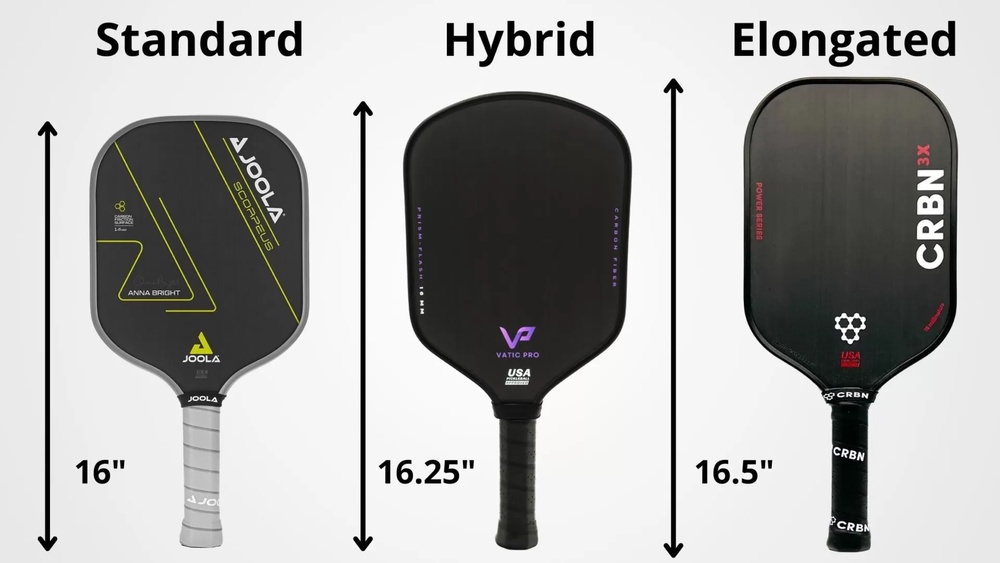
Pickleball is a fast-growing sport, and the equipment you choose shapes how you play. One of the biggest decisions for any player—whether you are new or experienced—is the type of paddle. With new shapes coming out every year, the two most popular are the elongated and widebody pickleball paddles. Each style offers its own strengths, weaknesses, and playstyle advantages. Understanding these differences can help you find the right fit for your game.
This article explores every major aspect of elongated vs widebody paddles. You’ll learn what each shape means, how they affect your shots, and what type of player benefits most from each design. We’ll look at real-world examples, compare specs, and share key insights most beginners overlook.
By the end, you’ll feel confident choosing the paddle shape that matches your goals and style.
Understanding Paddle Shapes
Before diving into the comparison, it’s important to understand what makes a paddle elongated or widebody. Pickleball paddles come in different sizes and shapes, but elongated and widebody are the two main categories.
What Is An Elongated Paddle?
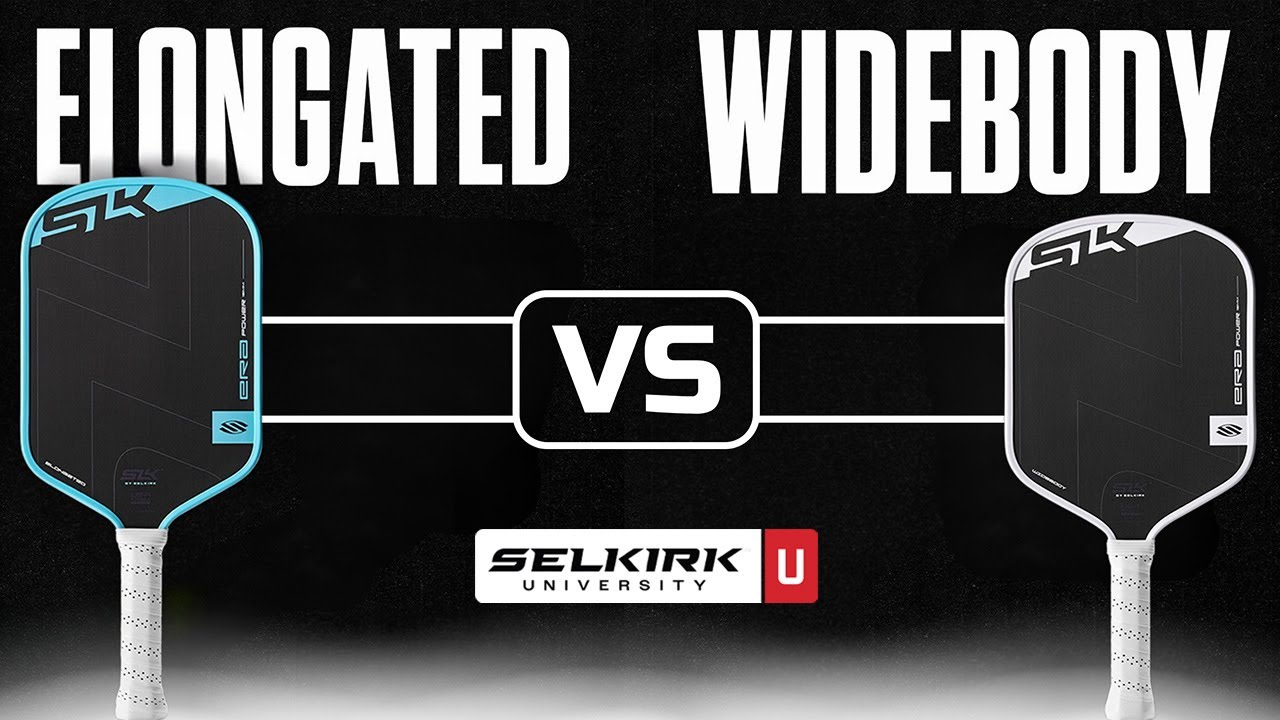
An elongated paddle is longer and usually narrower than a standard paddle. The length is typically 16 inches or more, with a width around 7–7.5 inches. The longer face gives you extra reach, making it easier to contact balls further away. However, the narrower width means a smaller sweet spot.
What Is A Widebody Paddle?
A widebody paddle is closer to the traditional shape. It’s around 15.5–16 inches long, but the width is greater—usually 8–8.5 inches. This gives a larger face and sweet spot, making it more forgiving, especially for newer players or those who like consistency.
Why Shape Matters
The shape of your paddle changes how you hit, defend, and even move on the court. Choosing the wrong shape can make pickleball harder, while the right one will boost your confidence and results.
Key Differences At A Glance
To help you visualize the main contrasts, here’s a comparison of the two shapes:
| Feature | Elongated Paddle | Widebody Paddle |
|---|---|---|
| Length | 16″ or more | 15.5″–16″ |
| Width | 7″–7.5″ | 8″–8.5″ |
| Sweet Spot Size | Smaller | Larger |
| Reach | Greater | Standard |
| Forgiveness | Lower | Higher |
| Control | Depends on skill | Easier for most |
Understanding these basics is the first step. Now, let’s explore how each paddle type truly performs on the court.

Credit: sbpickleballshop.com
Elongated Paddle: Strengths And Weaknesses
Advantages
- Extra Reach: The standout feature is more reach. You can hit balls further from your body, making it easier to cover the kitchen line, defend lobs, or reach wide shots.
- Leverage for Power: The longer handle and face give extra leverage for drives and overheads. Advanced players can use this to add more spin or speed.
- Angle Control: The narrow face can help you angle shots sharply, which is useful for aggressive play.
Disadvantages
- Smaller Sweet Spot: The hitting area where you get the best feel is smaller. Off-center hits lose power or accuracy, which can frustrate beginners.
- Less Forgiving: If your timing or technique isn’t consistent, you’ll notice more mishits.
- Potential for Fatigue: The longer paddle can feel heavier at the tip, leading to quicker arm fatigue for some players.
Who Should Use An Elongated Paddle?
- Players who like to play at the net and need extra reach
- Advanced players who want to add power and angles
- Singles players, since they need more court coverage
Real-world Example
Many top singles players on the pro tour use elongated paddles to reach tough shots and maximize power on passing shots. If your style is aggressive and you want every inch of reach, this shape could fit you.
Widebody Paddle: Strengths And Weaknesses
Advantages
- Larger Sweet Spot: The face is bigger and more forgiving. Mishits are less severe, and you get more consistent results.
- Easier for Control: Because the paddle is wider, it’s simpler to block, dink, and reset shots. This helps with touch and control.
- Balanced Weight: Most widebody paddles feel balanced in the hand, reducing fatigue during long games.
Disadvantages
- Less Reach: You don’t get as much extension as with an elongated paddle. Wide shots might be harder to return.
- Slightly Less Power: The shorter face can mean less leverage, so your drives and smashes may not be as powerful.
- May Feel Bulky: For players with small hands, the wider paddle can sometimes feel unwieldy.
Who Should Use A Widebody Paddle?
- Beginners who want an easier learning curve
- Doubles players who focus on control and consistent dinking
- Anyone who values forgiveness and comfort
Real-world Example
Most beginner to intermediate club players start with a widebody paddle. The larger sweet spot helps you build confidence and play longer rallies without frustration.

Credit: pickleballunion.com
Comparing Play Styles And Preferences
To choose between elongated and widebody, think about your own style and needs. Here’s a deeper look at how each shape fits different types of players.
Singles Vs Doubles
- Singles: Elongated paddles dominate because you cover more ground alone and need the extra reach.
- Doubles: Widebody paddles are popular for their control and forgiveness, especially during dinking battles at the net.
Power Vs Control
- Power Hitters: If you want to smash, drive, and attack, the elongated paddle offers more leverage.
- Control Players: If you like to place the ball, block, and play with touch, the widebody shape is more user-friendly.
Hand Size And Comfort
Some players overlook grip comfort. Elongated paddles often have longer handles, which may suit those with larger hands or a two-handed backhand. Widebody paddles have more compact handles, which some find easier to maneuver.
Age And Physical Considerations
Older players or those with arm injuries may prefer widebody paddles, as the balanced weight and large sweet spot reduce strain. Younger, athletic players may benefit from the aggressive reach of an elongated paddle.
Performance Factors: What Really Matters
Let’s look at the performance aspects that are directly affected by paddle shape.
Reach And Court Coverage
The extra inch or so on an elongated paddle doesn’t sound like much, but on the court, it’s noticeable. You’ll react to passing shots and lobs more easily. However, the tradeoff is that you must be more precise with your swings.
Sweet Spot And Forgiveness
A widebody paddle’s sweet spot covers a much larger area. Mishits near the edge still go over the net, while elongated paddles require cleaner contact. This difference is huge for beginners who are still developing their timing.
Spin Generation
Elongated paddles can help you generate more spin, especially on serves or topspin rolls. The longer face allows for more brushing action. However, the actual surface texture (grit) and your technique matter more than the shape.
Blocking And Resetting
At the kitchen line, blocking fast shots is easier with a widebody paddle. The broad face gives you a bigger margin for error. In contrast, elongated paddles demand better hand-eye coordination for effective blocking.
Overhead Smashes
For overheads and high volleys, elongated paddles give you extra whip. If smashing is your main weapon, this shape can add pace—but only if you hit the sweet spot.
Practical Data: Shape Comparison In Action
To bring these points together, here’s a look at how each shape performs across key game skills.
| Skill | Elongated Paddle | Widebody Paddle |
|---|---|---|
| Reach | Excellent | Good |
| Power | High (with skill) | Moderate |
| Control | Challenging for beginners | Easy |
| Spin Potential | High | Moderate |
| Forgiveness | Low | High |
| Comfort | Depends on user | Very comfortable |
What Most Beginners Miss
Many new players focus only on price, brand, or color. But two important insights are often missed:
- Sweet Spot Size Is Crucial: If you’re not hitting the sweet spot most of the time, you’ll lose power and control. Beginners often think more reach is always better, but a larger sweet spot (widebody) actually helps you get consistent results until your technique improves.
- Handle Length Affects Play: Elongated paddles usually have longer handles, which can be a blessing or a curse. If you like a two-handed backhand, this is great. But for those who only use one hand, a longer handle can feel awkward and reduce maneuverability.
Testing Before Buying
If possible, always try both paddle shapes before you buy. Many clubs have demo days or loaner paddles. Feel how each type moves during real play. Notice where you tend to hit on the face—center, edge, or toward the tip.
Even a few minutes with each shape can reveal a lot. If you find yourself missing more with the elongated paddle, or the widebody feels too slow, you’ll know which fits you best.
Common Mistakes To Avoid
Players often make these errors when choosing a paddle:
- Choosing by Pro Endorsement Alone: Pros use what fits their elite skills, not always what’s best for you.
- Ignoring Weight: Shape matters, but total paddle weight affects fatigue and speed.
- Overvaluing Reach: More reach is not always better if you can’t control the ball.
- Neglecting Comfort: If the paddle doesn’t feel right, you won’t play your best, no matter the specs.
Advanced Insights: Tweaking Your Choice
For experienced players, small adjustments can optimize your paddle even further.
Adding Lead Tape
Some add lead tape to the paddle’s edge for more power or stability. This works differently on elongated vs widebody paddles. On elongated paddles, lead tape can help balance out the head-heavy feel. On widebody paddles, it can add punch without reducing forgiveness.
Custom Grips
If you love the feel of one shape but need a different handle size, custom overgrips can help. Thicker grips may suit widebody paddles, while elongated paddles might benefit from a slimmer wrap for better maneuverability.
Paddle Core And Face Materials
Don’t forget that the core type (polymer, aluminum, etc.) and surface material (carbon fiber, graphite, composite) play a huge role in feel, power, and touch. Shape is only one part of the total equation.
Case Studies: Real Player Experiences
Case 1: The Aggressive Singles Player
Maria, a former tennis player, switched to pickleball singles. She quickly chose an elongated paddle for extra reach and power. Her deep drives and wide coverage helped her win more points, but she spent time practicing to adjust to the smaller sweet spot.
Case 2: The Doubles Dinker
James, in his 60s, plays mostly doubles. He tried an elongated paddle but found he was missing too many blocks. Switching to a widebody paddle improved his consistency and control at the kitchen line, leading to longer rallies and more fun.
Case 3: The All-court Tweener
Samantha likes to play both singles and doubles. She alternates between paddle shapes based on her opponent and style of play. Sometimes she even owns both types, switching as needed.
These examples show that the “best” paddle is personal. Your own comfort and performance matter more than trends.
Credit: www.selkirk.com
Comparing Popular Models
Let’s look at a few well-known paddles in each category for reference.
| Paddle Model | Type | Length | Width |
|---|---|---|---|
| Selkirk Amped Invikta | Elongated | 16.5″ | 7.375″ |
| Paddletek Tempest Wave Pro | Widebody | 15.875″ | 8″ |
| Onix Evoke Premier | Elongated | 16″ | 8″ |
| Engage Encore MX 6.0 | Widebody | 15.5″ | 8.125″ |
These models are all tournament-approved and used by players at many levels.
Choosing Based On Your Goals
With All This Information, How Should You Decide?
- Pick an elongated paddle if you want extra reach, love singles, or like aggressive play.
- Go for a widebody paddle if you are learning, value consistency, or want a forgiving option for doubles.
- If you’re unsure, start with a widebody. You can always switch to elongated as your skills and needs change.
Remember, the best paddle is one that feels right in your hand and matches your ambitions on the court.
If you want to dive deeper into paddle regulations and testing, the official USA Pickleball guidelines are a great resource.
Frequently Asked Questions
What Is The Main Difference Between Elongated And Widebody Pickleball Paddles?
The main difference is the shape and size. Elongated paddles are longer and narrower, offering more reach but a smaller sweet spot. Widebody paddles are shorter and wider, giving a larger sweet spot and more forgiveness.
Are Elongated Paddles Only For Advanced Players?
No, but they are often better for players with good control and consistency. Beginners may struggle with the smaller sweet spot and less forgiveness. However, if you play singles or have a tennis background, you might adapt quickly.
Can I Use An Elongated Paddle In Doubles?
Yes, many players use elongated paddles in doubles. Just be aware that the smaller sweet spot means you need to hit the center more often for best results. Widebody paddles are usually more popular for doubles due to their control.
Does Paddle Weight Matter As Much As Shape?
Both weight and shape matter. Shape affects reach and sweet spot, while weight influences speed, power, and fatigue. Always check both factors before choosing your paddle.
How Do I Know Which Shape Is Best For Me?
Try both types if you can. Notice which one helps you play your best, with fewer mistakes and more comfort. Your skill level, playstyle, and goals should guide your choice.
Pickleball is about fun and improvement. The right paddle shape can help you enjoy the game more and play with confidence. As you progress, you may even find yourself switching between shapes as your skills and preferences grow.