
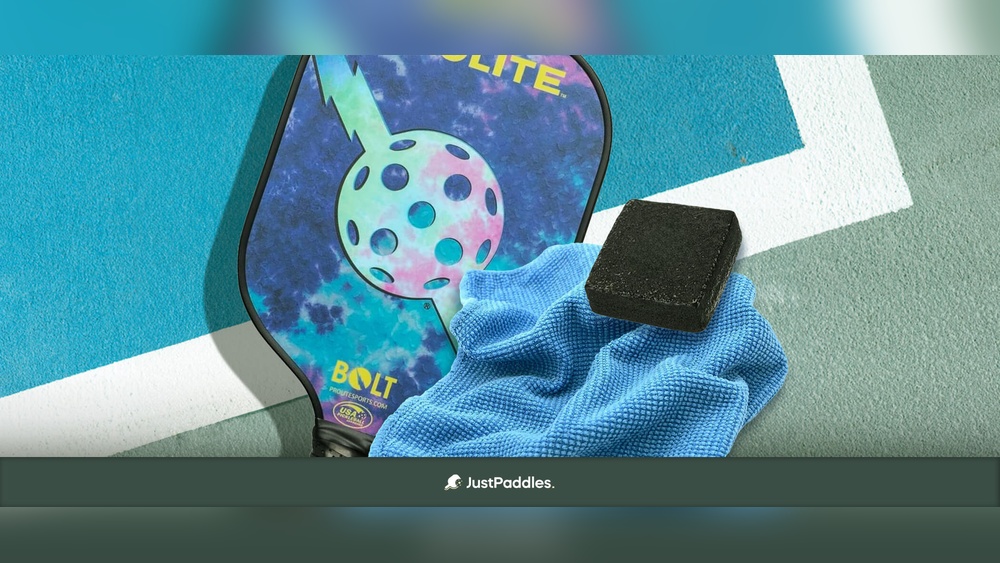
Pickleball is a fast-growing sport loved by people of all ages. Whether you play in a local gym, on outdoor courts, or even in your backyard, one thing is clear: your equipment matters. The most important tool you use is your pickleball paddle. Keeping it clean is not just about appearance—it can affect your game, your paddle’s lifespan, and even your health. Dirt, sweat, and grime can build up quickly, especially if you play often or outdoors. Learning how to clean a pickleball paddle properly can help you maintain performance, save money, and enjoy the game with confidence.
But cleaning a paddle is not as simple as wiping it down with a damp towel. Paddles are made from different materials, each with their own cleaning needs. Some cleaning products can damage the surface or break down the grip. There are also small mistakes that even experienced players make, like using the wrong tools or forgetting about the edges and grip. If you want your paddle to last and perform well, you need a complete cleaning routine. This guide will walk you through everything: the tools you need, step-by-step cleaning for both the paddle face and grip, tips for stubborn stains, and how to avoid common mistakes. You’ll also learn how to spot when it’s time for a deeper clean, and how to store your paddle so it stays fresh and ready for every match.
Why Clean Your Pickleball Paddle?
Many players only clean their paddles when they notice dirt. However, regular cleaning brings real benefits:
- Better control and spin: Dirt and sweat on the paddle face can make the surface slippery. This reduces your ability to add spin or direct the ball.
- Longer paddle life: Grime can wear down the surface and edges over time, causing cracks or peeling.
- Better grip: A dirty handle becomes slippery and hard to hold, increasing the chance of dropping your paddle.
- Hygiene: Sweat and bacteria from your hands collect on the paddle, especially on the grip. This can lead to odors or even skin problems.
Some players believe a little dirt adds “character” to their paddle, but the facts show that a clean paddle simply performs better.
Understanding Paddle Materials And Their Cleaning Needs
Not all paddles are made the same way. Understanding your paddle’s materials is key to cleaning it safely.
Common Paddle Materials
Most modern pickleball paddles use a composite face (like fiberglass or carbon fiber) with a polymer, Nomex, or aluminum honeycomb core. Some older or cheaper models use wood.
- Composite paddles: Lightweight, need gentle cleaning. Harsh chemicals can damage the surface.
- Graphite or carbon fiber paddles: Sensitive to strong cleaners, but easy to clean with mild soap and water.
- Wood paddles: More durable, but can warp if soaked.
- Edge guard: Most paddles have a plastic or rubber edge guard that protects the rim.
Here’s a quick comparison:
| Paddle Material | Cleaning Needs | Common Risks |
|---|---|---|
| Composite (Fiberglass/Carbon) | Mild soap, soft cloth | Surface scratching, delamination |
| Graphite | Damp cloth, no chemicals | Finish loss, discoloration |
| Wood | Lightly damp cloth | Warping if wet |
| Edge Guard | Wipe, inspect for cracks | Peeling, detachment |
Insight: Many beginners use window cleaner or alcohol wipes, which can break down the paddle’s surface. Stick to water and mild soap.
Essential Tools And Cleaning Products
You don’t need expensive products. In fact, most cleaning supplies are already in your home. Here’s what you’ll need for a safe and thorough clean:
- Soft microfiber cloth: Gentle on all paddle surfaces and doesn’t scratch.
- Mild dish soap: Removes sweat and oils without harming the paddle.
- Warm water: Helps loosen dirt.
- Small soft brush or old toothbrush: For stubborn spots or textured surfaces.
- Towel: For drying.
- Grip cleaner or rubbing alcohol (optional): For cleaning the grip if it’s very dirty.
- Compressed air (optional): To blow out dust from holes or cracks.
Pro tip: Avoid paper towels, as they can leave fibers and scratch some surfaces.
Step-by-step: How To Clean The Paddle Face
The paddle face is the flat part that hits the ball. It’s the most visible and important part to keep clean.
Step 1: Remove Loose Dirt And Dust
Start by shaking or tapping your paddle gently to remove loose dust or sand. If you play outdoors, sand and dirt can collect in the paddle’s holes or along the edge.
- Use a dry microfiber cloth to wipe down the surface.
- For textured paddles, use a soft brush to clean grooves and patterns.
Step 2: Prepare Your Cleaning Solution
Mix a few drops of mild dish soap with warm (not hot) water in a small bowl. Do not use strong cleaners or bleach.
Step 3: Wipe Down The Surface
Dip your microfiber cloth into the solution, wring it out well so it’s damp (not dripping), and gently wipe the paddle face.
- Move in circles to lift up dirt.
- For tough spots, use your soft brush with the soapy water.
Step 4: Rinse And Dry
Wipe away any soap with another clean, damp cloth. Don’t soak the paddle—too much water can seep into the core or handle.
- Immediately dry the paddle with a towel.
- Let it air dry for a few minutes before using or storing.
Pro tip: Never submerge your paddle in water.
How To Clean The Paddle Grip
The grip is often the dirtiest part, but it’s also the area most people forget. Sweat, oils, and dust collect here, making the handle slippery and sometimes smelly.
Step 1: Check The Grip Condition
If your grip is cracked, peeling, or has a strong odor, it may be time to replace it. Most grips are cheap and easy to change. However, regular cleaning can extend its life.
Step 2: Wipe With Damp Cloth
Use a damp microfiber cloth (just water, no soap) to wipe the grip. Focus on areas with visible dirt.
Step 3: Spot-clean Stubborn Areas
If sweat stains or grime remain, dampen a corner of the cloth with a little rubbing alcohol and gently rub. Alcohol evaporates quickly and won’t soak the grip.
- Never pour alcohol directly on the grip.
- Don’t use harsh chemicals—they can break down synthetic grips.
Step 4: Dry The Grip
Wipe with a dry towel and let the grip air-dry before playing.
Advanced tip: If your grip is made of leather, use a small amount of leather cleaner, but test on a small spot first.
Cleaning The Edge Guard And Paddle Edges
The edge guard protects your paddle from chips and dings. It also collects dust and dirt, especially if you play on rough courts.
- Use a damp cloth to wipe around the edge guard.
- For cracks or stuck dirt, a soft brush or cotton swab works well.
- Inspect for cracks or separation. If the edge guard is coming off, repair it before playing.
Some paddles have no edge guard (edgeless paddles). For these, wipe gently and check for chips.
Deep Cleaning: When And How
Most paddles need only a basic clean after each use. However, after a tournament, or if your paddle gets very dirty (mud, sticky drinks, sunscreen, etc. ), a deeper clean is smart.
Signs You Need A Deep Clean
- Sticky or oily paddle face
- Visible stains that won’t come off with a quick wipe
- Unusual smells from the grip
- Dirt built up in paddle holes or textures
Steps For A Deep Clean
- Remove the overgrip (if you use one) and clean or replace it separately.
- Use a soft brush with your soapy water to scrub the paddle face and edge guard.
- Clean the grip more thoroughly—a little rubbing alcohol on a cloth can help.
- Clean inside grooves or holes with a cotton swab or compressed air.
- Dry every part completely before reassembling or using.
Removing Tough Stains And Sticky Residues
Sometimes, regular cleaning isn’t enough. Here’s how to handle the most common tough problems:
Ball Marks
Ball marks are common, especially on lighter-colored paddles.
- Use a damp cloth with a tiny drop of mild soap.
- For very stubborn marks, try a magic eraser. Test on a small area first, as it can sometimes dull the finish.
Sticky Substances (sunscreen, Food, Sports Drinks)
- Use a damp microfiber cloth with mild soap.
- Avoid solvents or strong cleaners.
- If sticky residue remains, gently rub with a little rubbing alcohol (not on the paddle face if it’s painted).
Mold Or Odor On Grips
- Remove the grip if possible and replace it.
- If you want to save it, wipe with alcohol and let it dry in sunlight.
Pro insight: Never use WD-40, Goo Gone, or similar products on your paddle—they can damage plastics and finishes.

Credit: paklepickleball.com
How Often Should You Clean Your Paddle?
There’s no single answer. It depends on how often you play, where you play, and how much you sweat.
| Player Type | Recommended Cleaning Frequency | Why |
|---|---|---|
| Casual (1x/week) | Wipe after each session, deep clean monthly | Less sweat, less dirt buildup |
| Regular (2–4x/week) | Wipe after each use, deep clean every 2 weeks | More frequent use, more sweat |
| Tournament/Outdoor | Wipe after every match, deep clean weekly | Outdoor dirt, heavy play, more grip wear |
Uncommon advice: Clean your paddle BEFORE important matches. Even a little sweat or dust can affect your touch and spin.
Common Cleaning Mistakes To Avoid
Even experienced players sometimes make mistakes that reduce paddle life or effectiveness:
- Using harsh chemicals: Cleaners with alcohol, bleach, or ammonia can destroy your paddle’s surface or grip.
- Soaking the paddle: Water inside the core causes swelling and weakens the structure.
- Scrubbing with abrasive tools: Steel wool, rough sponges, or hard brushes can scratch and ruin the paddle face.
- Ignoring the grip: Dirty grips reduce control and increase the risk of dropping your paddle.
- Storing paddle wet: Moisture can lead to mold, odors, and warping.
Insight: Never use strong sprays or hose down your paddle, even if it looks very dirty. Gentle cleaning works best.
Cleaning And Replacing Overgrips
Many players use an overgrip (a thin wrap over the main grip) for extra comfort or sweat absorption. These get dirty and worn out faster.
- Remove the old overgrip by unwrapping it.
- Clean the underlying grip with a damp cloth.
- Let dry completely before applying a new overgrip.
- Replace the overgrip whenever it feels slippery or dirty. For heavy players, this may be every 2–4 weeks.
Pro tip: Keep extra overgrips in your bag. Replacing them is faster and more effective than cleaning alone.
How To Store Your Paddle After Cleaning
Proper storage keeps your paddle clean and ready for play.
- Store in a dry place: Avoid leaving your paddle in your car, as heat and humidity can damage the materials.
- Use a paddle cover: This protects from dust, sunlight, and scratches.
- Keep away from chemicals: Don’t store near cleaning products, sunscreen, or bug spray.
- Hang or lay flat: Hanging by the grip or placing flat prevents warping.
Example: If you play at a gym, store your paddle in your bag, not in a damp locker.

Credit: www.youtube.com
When To Replace Your Paddle
Even with the best cleaning, paddles do wear out. Cleaning can help you spot early signs of damage:
- Cracks in the face or edge
- Peeling graphics
- Worn-out grip that can’t be cleaned or replaced
- Rattling sounds (loose honeycomb inside)
- Loss of performance (dead spots, reduced control)
Most paddles last 1–2 years with regular play. If you notice repeated cleaning doesn’t restore grip or spin, it’s time for a new one.
Real-world Example: Cleaning Routine Of A Tournament Player
Sarah is a competitive pickleball player who plays five times a week, both indoors and outdoors. She follows this cleaning routine:
- Wipes her paddle face and grip with a damp microfiber cloth after every match.
- Deep cleans her paddle every Sunday, including removing the overgrip and cleaning the underlying grip.
- Replaces her overgrip every two weeks, or after a particularly sweaty tournament.
- Stores her paddle in a protective case and keeps it in a cool, dry place.
Sarah says she’s seen fewer mishits and her paddle lasts longer. She also avoids the “paddle slipping” problem that many players face in hot weather.
Credit: www.youtube.com
Eco-friendly And Diy Cleaning Solutions
If you prefer natural cleaning products, mix a small amount of white vinegar with water. Vinegar is safe for most paddle surfaces and helps remove odors. However, always test on a small area first. Avoid any oils or strong essential oils—they can leave a residue.
How Clean Paddles Affect Your Game
A clean paddle isn’t just about looks. It can have a real impact on your performance.
- Better ball control: A clean face grips the ball better, helping you add spin and control shots.
- Improved grip: Clean handles reduce the chance of slipping during sweaty matches.
- Longer paddle life: Regular cleaning reduces wear and tear, saving money over time.
Studies in racquet sports show that players with clean equipment make fewer errors and have more consistent play. While pickleball hasn’t been studied as much, similar principles apply.
Quick Reference: Cleaning Dos And Don’ts
Here’s a handy summary for fast checks:
Dos:
- Use a soft, damp cloth and mild soap.
- Clean the grip often.
- Dry immediately after cleaning.
- Store in a cool, dry place.
Don’ts:
- Don’t soak your paddle.
- Don’t use harsh chemicals or rough tools.
- Don’t store your paddle wet or in direct sunlight.
Useful Resources
For more information on paddle care and sports equipment maintenance, check out the official USA Pickleball Association.
Frequently Asked Questions
How Can I Clean My Paddle Between Games If I Don’t Have Soap And Water?
Use a dry microfiber cloth to quickly wipe off sweat and dust. This keeps the surface clean enough until you can do a deeper clean at home.
Is It Safe To Use Baby Wipes On My Pickleball Paddle?
Most unscented, alcohol-free baby wipes are safe for a quick clean. However, avoid wipes with lotions or strong fragrances as these can leave a residue.
Can I Use A Hairdryer To Dry My Paddle Faster?
You can use a hairdryer on the cool setting to speed up drying. Never use high heat, as this can warp or damage the paddle materials.
What Should I Do If My Paddle Gets Soaked In The Rain?
Dry your paddle with a towel immediately. Then, let it air dry in a warm, dry area for at least 24 hours. Avoid using heat. Check for any signs of swelling or damage before playing again.
How Do I Know If Cleaning Is No Longer Enough And I Need A New Paddle?
If your paddle has cracks, dead spots, or a loose grip that can’t be fixed by cleaning or replacing, it’s time for a new one. Loss of performance is a clear sign.
Maintaining a clean pickleball paddle is not just about looks—it’s about playing your best and protecting your investment. With these steps, tips, and a regular routine, your paddle will stay in top condition for many games to come.