
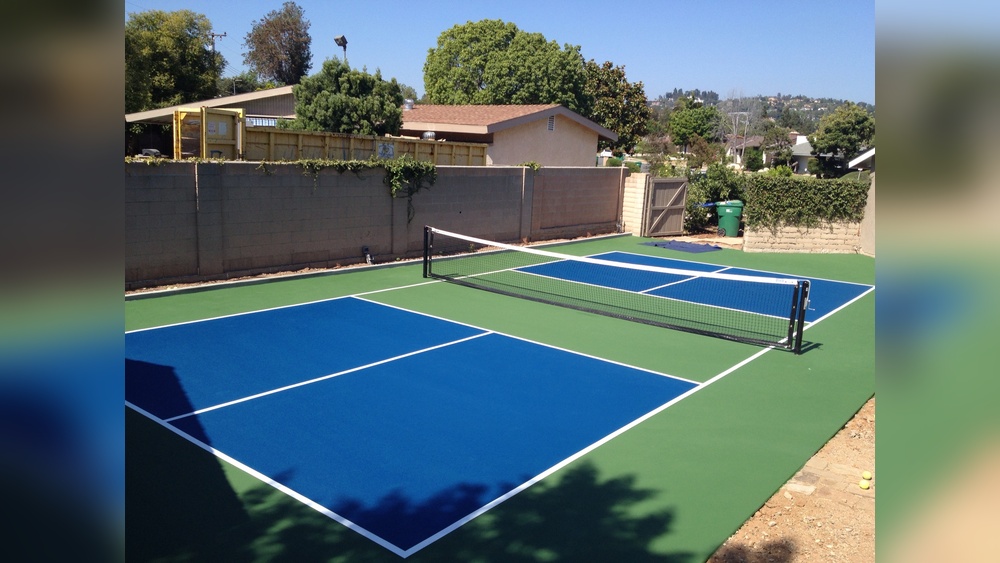
Are you ready to turn your concrete space into the ultimate pickleball court? Painting a pickleball court on concrete is easier than you think, and it can transform your backyard or driveway into a fun, sporty area for you and your friends.
Whether you’re a beginner or just looking to refresh your court, this guide will walk you through every step. By the end, you’ll have a clear, crisp court that’s perfect for endless games and good times. Let’s dive in and make your pickleball dreams a reality!

Credit: honeybuilthome.com
Preparing The Surface
Preparing the surface is the first key step before painting a pickleball court on concrete. A clean, smooth, and repaired surface ensures the paint sticks well and lasts longer. This process helps avoid peeling and uneven color.
Cleaning The Concrete
Start by removing dirt, dust, and grease from the concrete. Use a broom or blower to clear loose debris. Then scrub the surface with water and a mild detergent. A pressure washer works well for deep cleaning. Let the concrete dry completely before moving on.
Repairing Cracks And Holes
Inspect the concrete for cracks and holes. Small cracks can cause paint to crack later. Use a concrete patch or filler to fix these spots. Apply the filler with a putty knife and smooth it out. Allow enough time for the repairs to dry fully.
Smoothing The Surface
After repairs, check the surface for rough spots or bumps. Sand these areas lightly with sandpaper or a concrete grinder. A smooth surface helps the paint spread evenly. Remove all dust from sanding before painting begins.
Gathering Materials
Before you start painting a pickleball court on concrete, gather all necessary materials. This step saves time and helps the project run smoothly. Having the right supplies ensures a clean and lasting finish. Below are key materials you need to prepare.
Choosing The Right Paint
Pick paint made for outdoor concrete surfaces. Acrylic latex paint works well. It sticks firmly and resists wear. Choose bright colors for court lines. White or yellow are common. Make sure the paint is non-slip. This keeps players safe during the game.
Selecting Tape And Tools
Use high-quality painter’s tape for sharp, clean lines. Wide tape covers more area quickly. Have a long tape measure for accurate line placement. Use a chalk line to mark boundaries. A roller and brushes help apply paint smoothly. A paint tray keeps the paint easy to reach.
Safety Equipment
Wear gloves to protect your hands from paint. Use a mask to avoid breathing fumes. Safety glasses keep paint out of your eyes. Wear old clothes or a protective suit. Keep water nearby for any spills or skin contact. Safety gear helps prevent accidents and irritation.
Measuring And Marking
Measuring and marking the pickleball court is the first important step. It ensures the court is accurate and ready for painting. Precise lines create a professional look and help players follow the rules easily. Take your time and be exact with all measurements.
Court Dimensions
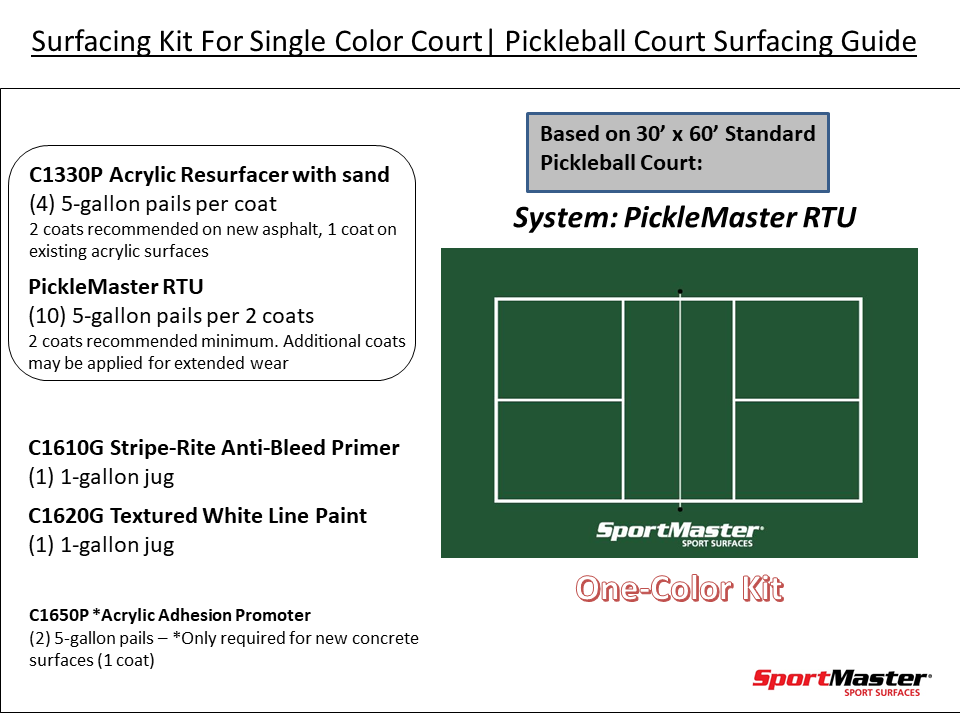
The standard pickleball court measures 20 feet wide and 44 feet long. It has a non-volley zone, also called the kitchen, which is 7 feet from the net on both sides. The net height is 36 inches at the sidelines and 34 inches in the middle. Knowing these sizes helps you mark the court correctly.
Marking Boundaries
Start by marking the outer edges of the court. Use a tape measure to mark 20 feet wide and 44 feet long. Mark the baseline, sidelines, and non-volley zone lines clearly. Double-check each measurement to avoid mistakes. Accurate boundaries make the court safe and usable.
Using Chalk Lines
Chalk lines help create straight, visible markings on concrete. Snap a chalk line between two points to leave a clean line. This method is faster and more precise than freehand drawing. Use a chalk reel to mark all court lines before painting. Chalk lines guide your paint and keep edges sharp.
Credit: localtenniscourtresurfacing.com
Applying Primer
Applying primer is a key step before painting a pickleball court on concrete. It helps the paint stick better and last longer. Skipping this step can cause the paint to peel or wear off quickly. The right primer creates a smooth, even base for your court lines and colors.
Choosing and applying primer carefully will protect your work and improve the court’s look. Follow the steps below to get the best results.
Purpose Of Primer
Primer seals the concrete surface. It blocks moisture and prevents paint from soaking in. This helps the paint stay bright and strong for years. Primer also smooths out rough spots. It creates a good surface that paint can grip tightly. Without primer, paint may crack or peel easily.
Primer Application Tips
Clean the concrete before applying primer. Remove dirt, oil, and dust with a broom or pressure washer. Use a roller or brush to spread the primer evenly. Avoid thick layers. Thin, even coats dry better and last longer. Work in small sections to keep edges neat. Wear gloves and protect nearby areas from spills.
Drying Time
Let the primer dry completely before painting. Drying can take 2 to 4 hours. Check the product label for exact times. Avoid painting if the surface feels sticky or wet. Dry primer ensures paint adhesion and prevents peeling. Plan your work to allow enough drying time for best results.
Painting The Court
Painting a pickleball court on concrete gives it a fresh, professional look. It also protects the surface and improves play quality. The process needs care and the right steps to get good results. Focus on the base coat, court lines, and color zones for the best finish.
Base Coat Application
Start by cleaning the concrete surface well. Remove dirt, dust, and old paint. Use a pressure washer for a deep clean. Allow the surface to dry fully before painting.
Apply a base coat made for concrete floors. This layer helps the paint stick better and last longer. Use a roller for even coverage. Let the base coat dry for at least 24 hours.
Creating Court Lines
Measure the court carefully to place the lines accurately. Use a tape measure and chalk for marking. Straight, clear lines are key for good play.
Use a high-quality, durable paint for the lines. A paint sprayer or brush works well. Apply two coats for bright, long-lasting lines. Let each coat dry before the next.
Adding Color Zones
Pick colors that stand out but also match well together. Color zones help players see court boundaries easily. Use painter’s tape to mark off zones clearly.
Apply paint in thin layers to avoid drips and uneven surfaces. Two coats usually work best. Allow each coat to dry before adding the next. This creates a smooth, vibrant finish.
Finishing Touches
Finishing touches give your pickleball court a neat and professional look. They protect your work and ensure the court lasts long. Taking time on these steps pays off with a smooth, clear playing surface. Follow these simple tasks carefully to complete your court painting project.
Removing Tape
Remove the tape carefully after the paint dries. Peel it slowly to avoid pulling off any paint. Removing tape too early can smudge the lines. Wait at least 24 hours before lifting the tape. Clean edges make the court look sharp and tidy.
Inspecting For Touch-ups
Look closely at the court for any missed spots or uneven paint. Use a small brush to fix thin or chipped areas. Check the lines for crispness and repaint if needed. Touch-ups improve the court’s appearance and clarity. Take your time to make the court perfect.
Sealing The Paint
Apply a clear sealant to protect the paint from wear and weather. Use a sealant designed for concrete sports courts. Spread the sealant evenly with a roller or sprayer. Let it dry completely before using the court. Sealing keeps colors bright and prevents peeling.
Maintenance Tips
Maintaining your pickleball court keeps it safe and enjoyable for play. Simple care steps help the paint last longer and keep the surface smooth. Regular attention prevents damage and costly repairs. Follow these tips to keep your court in top shape.
Cleaning The Court
Remove dirt and debris often. Use a broom or leaf blower to clear the surface. Wash the court with mild soap and water. Avoid harsh chemicals that can damage paint. Let the court dry completely before playing.
Repainting Guidelines
Check the paint for cracks or fading every year. Touch up small areas to stop paint from peeling. Use high-quality outdoor paint made for concrete. Apply paint on dry days with no strong wind. Follow the original court lines for accuracy.
Preventing Damage
Do not drag heavy objects across the court. Use soft-soled shoes to avoid scratches. Keep sharp tools and equipment away from the surface. Fix any cracks in the concrete quickly. Protect the court from standing water after rain.

Credit: slipdoctors.com
Frequently Asked Questions
How Do I Prepare Concrete For Painting A Pickleball Court?
Clean the concrete thoroughly by removing dirt, debris, and oil stains. Repair cracks or holes with a concrete patch. Allow the surface to dry completely before painting to ensure proper paint adhesion and durability.
What Type Of Paint Is Best For Pickleball Courts?
Use acrylic latex paint formulated for outdoor concrete surfaces. It provides good durability, weather resistance, and vibrant color retention. Avoid oil-based paints as they can peel or crack under outdoor conditions.
How Long Does Paint Take To Dry On Concrete?
Typically, acrylic paint on concrete dries to the touch within 1 to 2 hours. Full curing may take up to 24 to 48 hours depending on weather conditions. Avoid playing on the court until paint is fully cured for best results.
Can I Paint Pickleball Court Lines Freehand?
For accuracy, use stencils or tape to mark court lines. Freehand painting can lead to uneven and unprofessional lines. Proper measurements and tools ensure lines meet official pickleball court dimensions.
Conclusion
Painting a pickleball court on concrete is simple with the right steps. Prepare the surface well to ensure paint sticks properly. Use clear lines and bright colors for better play visibility. Take your time and follow the instructions carefully. A well-painted court makes playing more fun and safe.
Now, you can enjoy your own pickleball court anytime. Start your project today and see the difference!