
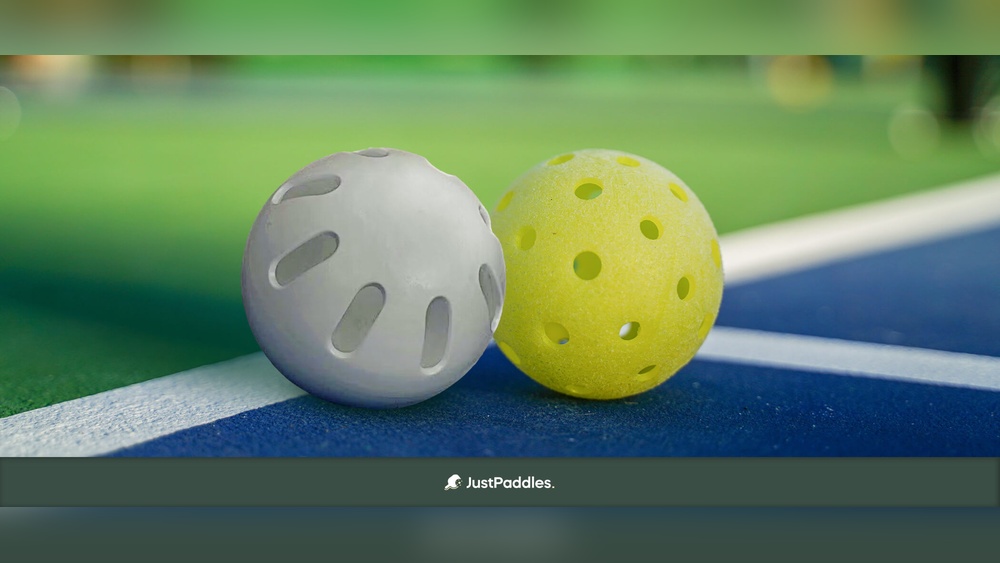
Wiffle Ball vs Pickleball: A Deep Dive into Two Unique Sports
If you’ve ever walked through a public park or heard laughter from a backyard, you might have seen people swinging paddles, hitting plastic balls, and having a great time. Two games that have exploded in popularity are Wiffle Ball and Pickleball. At first glance, they might look similar—lightweight equipment, fast-paced play, and fun for all ages. But once you take a closer look, the differences between these sports become clear. Understanding these differences is important, whether you’re choosing a new hobby, organizing a community event, or just curious about modern backyard games.
This article breaks down everything you need to know about Wiffle Ball and Pickleball. From their origins and basic rules to strategies, gear, and their impact on fitness, you’ll get a complete picture. Along the way, you’ll find interesting facts, real comparisons, and answers to common questions.
By the end, you’ll know which game might be right for you or your family.
Origins And History
The backgrounds of Wiffle Ball and Pickleball are as unique as the games themselves. Their stories show how simple ideas can create worldwide trends.
How Wiffle Ball Began
Wiffle Ball started in 1953 in Fairfield, Connecticut. David N. Mullany invented the Wiffle Ball for his 12-year-old son, who wanted to play baseball in their backyard. The challenge was finding a way to pitch curveballs without hurting his arm or breaking windows. Mullany designed a lightweight, perforated plastic ball that made it easy to throw curves and sliders. The ball got its name because kids would “whiff,” or miss, when they swung.
Wiffle Ball quickly became popular, especially in suburban neighborhoods. People liked that it could be played in small spaces, with simple rules and safe equipment.
The Rise Of Pickleball
Pickleball is a bit younger. It was invented in 1965 on Bainbridge Island, Washington, by Joel Pritchard, Bill Bell, and Barney McCallum. They wanted to create a game their families could enjoy together. Using ping pong paddles, a plastic ball with holes, and a lowered badminton net, the first game was improvised.
The name “Pickleball” came from the Pritchard family dog, Pickles, who loved chasing stray balls.
The sport spread quickly in the Pacific Northwest and then across the United States. Today, Pickleball is one of the fastest-growing sports, played by millions of people in schools, community centers, and retirement communities.
Core Game Rules And Structure
The two sports might seem similar, but their rules, scoring, and gameplay make them distinct. Let’s look at how each game works.
Wiffle Ball Rules
Wiffle Ball is inspired by baseball but is much more flexible. The rules change depending on the number of players, space, and local traditions. However, the essentials are:
- Played with a perforated plastic ball and a lightweight bat
- Usually two teams (one batting, one fielding)
- No base running in most backyard versions (strikes and outs are counted)
- A game can have 3-5 innings
- Strikes are called if the ball hits a strike zone target (such as a board or chair behind the batter)
Some organized leagues follow more formal rules, including base running, pitching limits, and specific field measurements.
Pickleball Rules
Pickleball’s rules are a blend of tennis, badminton, and ping pong. The basics are:
- Played on a court (20×44 feet for doubles) with a net 34 inches high in the center
- Use of a paddle (usually composite or wood) and a plastic ball with holes
- Can be played as singles or doubles
- The serve must be underhand and cross-court
- Only the serving side can score points
- Games are usually to 11 points, win by 2
There are many details about faults, the “non-volley zone” (also called the kitchen), and serving order, but these basics cover most casual play.
Equipment Breakdown
Choosing the right equipment is important for both fun and safety. Here’s how the gear compares.
Wiffle Ball Gear
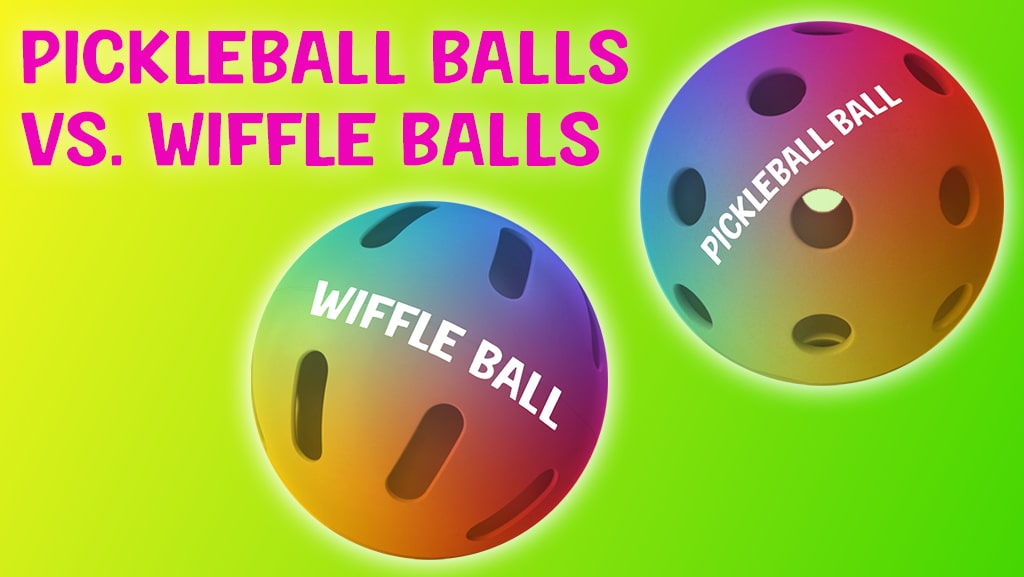
- Wiffle Ball: 8-inch round plastic ball, usually yellow or white, with eight oblong holes on one side. It weighs less than 1 ounce.
- Bat: Thin plastic bat, typically 32 inches long and very lightweight.
- Optional: Strike zone marker (chair, board, or custom frame), bases (cones, towels, or chalk), and gloves (rarely used).
Wiffle Ball’s equipment is simple and cheap. You can start a game with just a ball and a bat, making it perfect for spontaneous play.
Pickleball Gear
- Paddle: Solid paddle, usually made of wood, graphite, or composite materials. Size varies, but usually around 15-16 inches long.
- Ball: Lightweight plastic ball with 26 or 40 holes, slightly heavier and harder than a Wiffle Ball. Indoor and outdoor balls differ in durability and bounce.
- Court: Marked with painted lines or tape, with a net in the center.
- Shoes: Supportive, non-marking court shoes are recommended to prevent slipping.
Pickleball equipment is more specialized, and while basic paddles and balls are affordable, serious players invest in high-quality gear.
Equipment Cost Comparison
Here’s a quick look at how much it costs to get started with each sport.
| Item | Wiffle Ball | Pickleball |
|---|---|---|
| Starter Set (Bat & Ball) | $10 – $20 | $40 – $80 |
| Official Court Setup | Not needed | $200+ (net, lines, paddles, balls) |
| Replacement Balls | $2 – $5 each | $3 – $6 each |
Wiffle Ball is cheaper and easier to start, but Pickleball offers more options for customization and serious competition.
Playing Fields And Space Needs
Space is a key difference between these games. Here’s what you need for each.
Wiffle Ball Playing Area
Wiffle Ball is famous for flexibility. You can play in:
- Backyards
- Driveways
- Parks
- Beaches
- Small schoolyards
There are no strict field sizes, but many use a 60-80 foot distance from home plate to the outfield “fence” (could be a tree, wall, or chalk line). The game adapts to whatever space is available, making it ideal for almost any location.
Pickleball Court
Pickleball needs a dedicated court to play properly. The standard court size is:
- 20 feet wide by 44 feet long
- Net height: 36 inches at the sidelines, 34 inches in the center
Courts are often built on old tennis courts with new lines painted. Some parks use portable nets for temporary games. Indoor play is common in gyms and recreation centers.
Space Comparison
Here’s a quick side-by-side look at typical field and court sizes:
| Sport | Standard Playing Area | Flexibility |
|---|---|---|
| Wiffle Ball | No official size (usually 60-80 feet deep) | Very high |
| Pickleball | 20 x 44 feet | Low (needs marked court) |
Game Strategies And Skill Development
Both games are easy to learn but have depth for those who want to improve.
Wiffle Ball Techniques
Wiffle Ball rewards creativity. Because the ball is so light, pitchers can throw incredible curves, risers, and sliders. Learning to control the ball is a unique skill. Batters must adjust to unpredictable movement and focus on timing.
Fielders need quick reflexes and good positioning, since a well-hit Wiffle Ball can “float” or dip suddenly. Players often invent house rules for scoring and outs, which adds to the fun.
A non-obvious tip: Mastering grip on the Wiffle Ball changes the pitch dramatically. Even small finger adjustments can make the ball move in surprising ways—much more than in regular baseball.
Pickleball Tactics
Pickleball is a game of positioning and patience. At first, most players want to hit the ball hard, but experienced players know that placement is more important than power. The “kitchen” (non-volley zone) is the key area—players must avoid volleying while standing inside it, which adds a layer of strategy.
Good communication is essential in doubles. Teams that talk and move together win more points. Dinking—hitting soft, controlled shots just over the net—is a core skill for advanced play.
A common beginner mistake: Standing too far back from the net. Moving up after the serve gives you control, but many players stay at the baseline and miss opportunities.
Physical Fitness And Health Benefits
Both Wiffle Ball and Pickleball are active sports, but the type and intensity of exercise differ.
Wiffle Ball Benefits
Wiffle Ball is low-impact and suitable for all ages. It encourages:
- Hand-eye coordination
- Quick reflexes
- Social interaction
- Light running and movement
It’s a great option for kids, older adults, or anyone looking for casual fun without intense physical demands. Because the field is often small, there’s less risk of injury or overexertion.
Pickleball Benefits
Pickleball is a full-body workout. Players get:
- Cardiovascular exercise from running and quick movements
- Improved balance and agility
- Arm and shoulder strength from swinging paddles
- Mental sharpness from fast decision-making
A study by the International Journal of Research in Exercise Physiology found that older adults playing Pickleball three times a week improved their heart health and lost body fat. Pickleball burns more calories per hour than Wiffle Ball, making it better for fitness goals.
Social And Community Aspects
The way people play and connect through these sports is different but equally valuable.
Wiffle Ball’s Social Scene
Wiffle Ball is often casual and spontaneous. It’s a favorite at family gatherings, summer camps, and neighborhood events. The easy rules and minimal gear mean almost anyone can join in, regardless of age or experience.
Many adults have fond memories of backyard Wiffle Ball games with siblings or friends. Some communities hold tournaments, but most games are informal and focused on fun.
Pickleball’s Community Growth
Pickleball has become a community phenomenon. Most cities now have Pickleball clubs, with organized leagues and open play sessions. The sport is especially popular among older adults, who find it social, accessible, and less stressful on joints than tennis.
New players are welcomed and often mentored by experienced members. Many retirement communities have built dedicated Pickleball courts as a way to encourage active living and social connection.
Accessibility And Inclusivity
How easy is it to start playing, and who can participate? These are key questions for new players.
Wiffle Ball Accessibility
- Low cost: A bat and ball are all you need.
- No court required: Any open space works.
- All ages: Safe for children, teens, adults, and seniors.
- Custom rules: Adapt the game for any group size or ability.
Wiffle Ball’s main strength is how easy it is to pick up and play. This makes it a great choice for schools, camps, or families.
Pickleball Accessibility
- Low impact: Good for people with joint issues.
- Wide age range: Popular with children, adults, and especially seniors.
- Growing infrastructure: More courts and clubs appear every year.
- Beginner-friendly: Most people can learn the basics in one session.
One lesser-known insight: Adaptive Pickleball exists for players with disabilities, including wheelchair Pickleball. This makes the sport truly inclusive.

Credit: pickleballunion.com
Competitive Scene And Professional Play
Are these sports just for fun, or can you play at a high level?
Wiffle Ball Tournaments
There are local and national Wiffle Ball tournaments, though most are amateur events. Popular tournaments include the World Wiffle Ball Championship and the Mid Atlantic Wiffle Ball Tournament. Some leagues have strict rules, player rankings, and cash prizes. However, Wiffle Ball has not reached the professional status of sports like baseball or tennis.
Pickleball Competitions
Pickleball has grown into a serious competitive sport. The USA Pickleball Association (USAPA) runs national championships and rates players by skill level. There are professional tours, cash prizes, and televised matches. Top players travel internationally, and the sport is lobbying for a spot in the Olympics.
The competitive scene has led to advanced coaching, sponsorships, and even Pickleball-focused fitness programs.
Popularity And Growth Trends
How many people play these sports, and where are they most popular?
Wiffle Ball Popularity
Wiffle Ball is mainly an American pastime, with millions playing casually every year. It’s especially common in the Northeast and Midwest United States. While not as organized as other sports, Wiffle Ball’s presence in schools, camps, and parks keeps it alive for each new generation.
Pickleball’s Explosive Growth
Pickleball is now played in over 60 countries. According to the Sports & Fitness Industry Association, more than 4.8 million Americans played Pickleball in 2022, a 39.3% increase over two years. The sport is growing fastest among adults aged 55 and older, but younger players are joining as well.
Public parks, schools, and recreation centers are building new courts to keep up with demand. The sport’s growth is covered by major media outlets, and it’s even mentioned in retirement planning guides for its health and social benefits.
Safety Considerations
All sports have risks, but some are safer than others.
Wiffle Ball Safety
Wiffle Ball is extremely safe. The lightweight ball and bat reduce the chance of injury, and the slow pace means collisions are rare. The main risks are tripping or slipping on uneven ground. Wearing comfortable shoes and playing on grass or smooth surfaces reduces these risks.
Pickleball Safety
Pickleball is generally safe, but the faster pace and court movements can lead to:
- Sprained ankles or knees
- Shoulder or elbow strains
- Falls
Most injuries are minor. Warming up, wearing proper shoes, and learning safe movement techniques can prevent most problems. Older adults should consult a doctor before starting any new sport.
Environmental Impact
How Do These Sports Affect The Environment?
Wiffle Ball’s Small Footprint
Wiffle Ball uses minimal equipment, and games are usually played on existing grass or pavement. The plastic balls and bats can last for years if cared for. However, lost or broken balls can add to plastic waste if not disposed of properly.
Pickleball’s Court Construction
Pickleball courts require more resources to build and maintain. Outdoor courts use concrete, paint, and fencing, which have environmental costs. However, many courts are made by re-purposing old tennis courts, reducing new construction.
Some manufacturers now offer eco-friendly paddles made from recycled materials. Used balls can be recycled or donated for crafts.

Credit: picklego.co
Which Game Is Right For You?
Choosing between Wiffle Ball and Pickleball depends on your goals, space, and interests. Here are some quick guidelines:
- For spontaneous, casual fun: Choose Wiffle Ball. It’s easy, cheap, and adapts to any group or location.
- For serious fitness and skill development: Pickleball offers a full workout, organized leagues, and a growing community.
- For all ages and abilities: Both sports are inclusive, but Pickleball has more adaptive options.
- For competitive play: Pickleball has a larger professional scene and more tournaments.
If you have room for a court and want year-round activity, Pickleball is a smart choice. If you want a quick game with friends on any open patch of grass, Wiffle Ball is hard to beat.
Frequently Asked Questions
What Is The Main Difference Between Wiffle Ball And Pickleball?
The biggest difference is the nature of play. Wiffle Ball is a baseball-like batting game with a plastic ball and bat, usually played in backyards. Pickleball is a paddle sport, played on a court with a net, similar to tennis or badminton. The equipment, rules, and playing areas are quite different.
Can You Play Wiffle Ball Or Pickleball Indoors?
Yes, both games can be played indoors. Wiffle Ball only needs a safe space and can be adapted for gymnasiums or basements. Pickleball is commonly played in school gyms and recreation centers, but it requires a marked court and enough ceiling height for safe play.
Which Sport Is Better For Kids And Families?
Both are family-friendly, but Wiffle Ball is often easier for young children because of its simple rules and slow pace. There’s less risk of injury, and you can adapt the game for any number of players. Pickleball is great for older kids and adults who want more structured play and a fitness challenge.
Is Pickleball Only For Seniors?
No, while Pickleball is very popular among older adults due to its low-impact nature, it’s also growing fast among younger players. Schools, colleges, and athletic clubs now offer Pickleball for all ages. The sport’s mix of skill, strategy, and social fun appeals to everyone.
Where Can I Find Official Rules And More Information?
For detailed, official rules, you can visit the USA Pickleball Association. For Wiffle Ball, the official manufacturer’s website and community forums offer guides and rule variations.
Whether you choose Wiffle Ball, Pickleball, or both, these games offer a chance to get active, connect with others, and create lasting memories. Each has its own flavor, style, and community. The best way to decide? Try them out, and see which one brings more smiles to your next game day.
Credit: www.logotech.com