
Are you trying to choose the perfect pickleball paddle but feel stuck between fiberglass and wood options? Your paddle can make a big difference in how you play, how much control you have, and how much fun you get on the court.
Knowing the key differences between fiberglass and wood paddles will help you pick the one that fits your style and skill level. Keep reading to discover what sets these two paddle types apart and find out which one is the best match for your game.
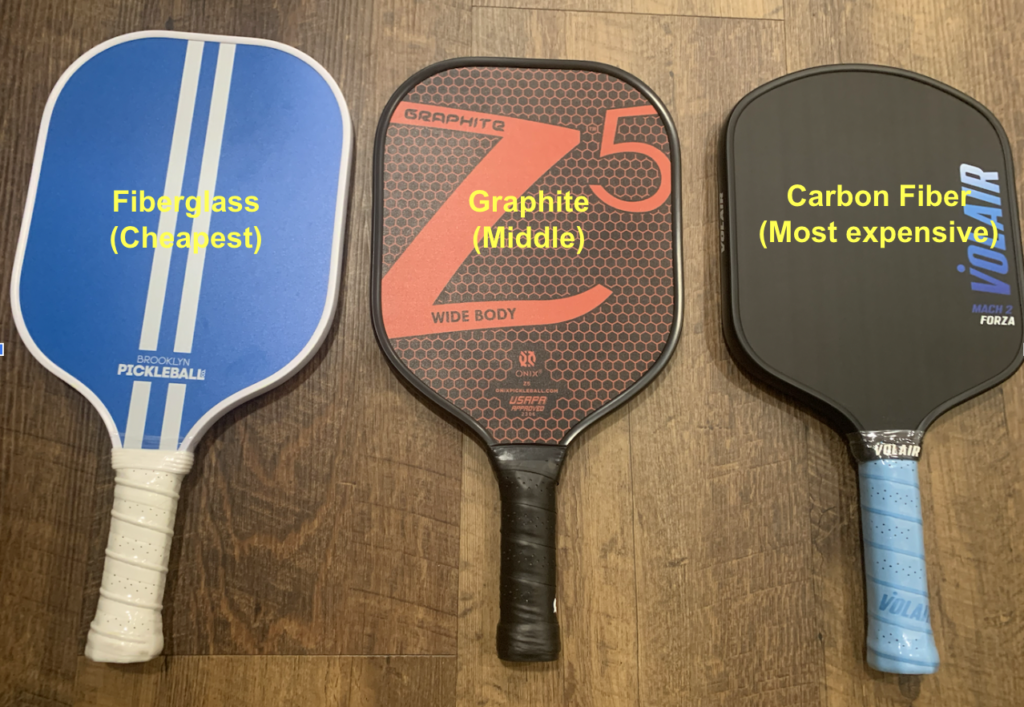
Credit: bepickleballer.com
Materials Compared
Choosing the right pickleball paddle depends a lot on the material. Fiberglass and wood are two popular options. Each has unique features that affect how you play. Understanding these materials helps in picking the best paddle for your style and needs.
Fiberglass Paddle Features
Fiberglass paddles have a smooth, hard surface. This makes the ball bounce faster and with more power. They often weigh less than wood paddles, which helps with quick moves. The surface can be textured for better control and spin. Fiberglass paddles usually come with a core made of polymer or foam. This core absorbs shock and reduces strain on your arm. They are more expensive but last longer than wood paddles. Many players prefer fiberglass for its balance of power and control.
Wood Paddle Features
Wood paddles are the classic choice. They have a solid, heavy feel in your hand. This weight gives good control but less speed. Wood surfaces are rougher, which affects spin differently than fiberglass. These paddles are cheaper and very durable. Wood paddles do not absorb shock well, which can tire your arm faster. They are heavier, so quick reactions can be harder. Many beginners choose wood paddles for practice and budget reasons.
Weight And Balance
Weight and balance are key factors in choosing a pickleball paddle. They affect how the paddle feels and performs during play. Fiberglass and wood paddles differ in these areas, which can change your game experience.
Impact On Swing Speed
Fiberglass paddles are usually lighter than wood paddles. This lighter weight helps players swing faster and react quickly. A faster swing can make your shots sharper and more powerful.
Wood paddles tend to be heavier. The extra weight slows down your swing speed. It can make quick movements harder, especially in fast rallies.
Effect On Control
Balance affects how easy it is to control the paddle. Fiberglass paddles often have a balanced feel or are slightly head-light. This balance gives better control for precise shots and quick changes.
Wood paddles are often head-heavy due to their weight. This can feel less nimble but offers solid power. Control might be tougher for beginners with wood paddles.
Durability And Maintenance
Durability and maintenance play a big role in choosing the right pickleball paddle. Both fiberglass and wood paddles have different strengths. Knowing these can help you keep your paddle in good shape for a long time. Let’s look closely at how each type stands up to wear and what care they need.
Resistance To Wear
Fiberglass paddles resist scratches and dents better than wood. Their surface is hard and smooth. This makes them last longer with regular use. Wood paddles can chip or crack more easily. They wear down faster, especially if you play often. Fiberglass is less likely to absorb moisture. Wood can swell or warp if it gets wet.
Care Tips For Longevity
Keep fiberglass paddles clean with a soft cloth after play. Avoid dropping or hitting hard surfaces. Store them in a cool, dry place. Wood paddles need extra care to avoid warping. Wipe off dirt and sweat after each game. Use a paddle cover to protect from scratches. Do not leave wood paddles in direct sunlight or damp areas. Proper care helps both types stay strong and ready to play.
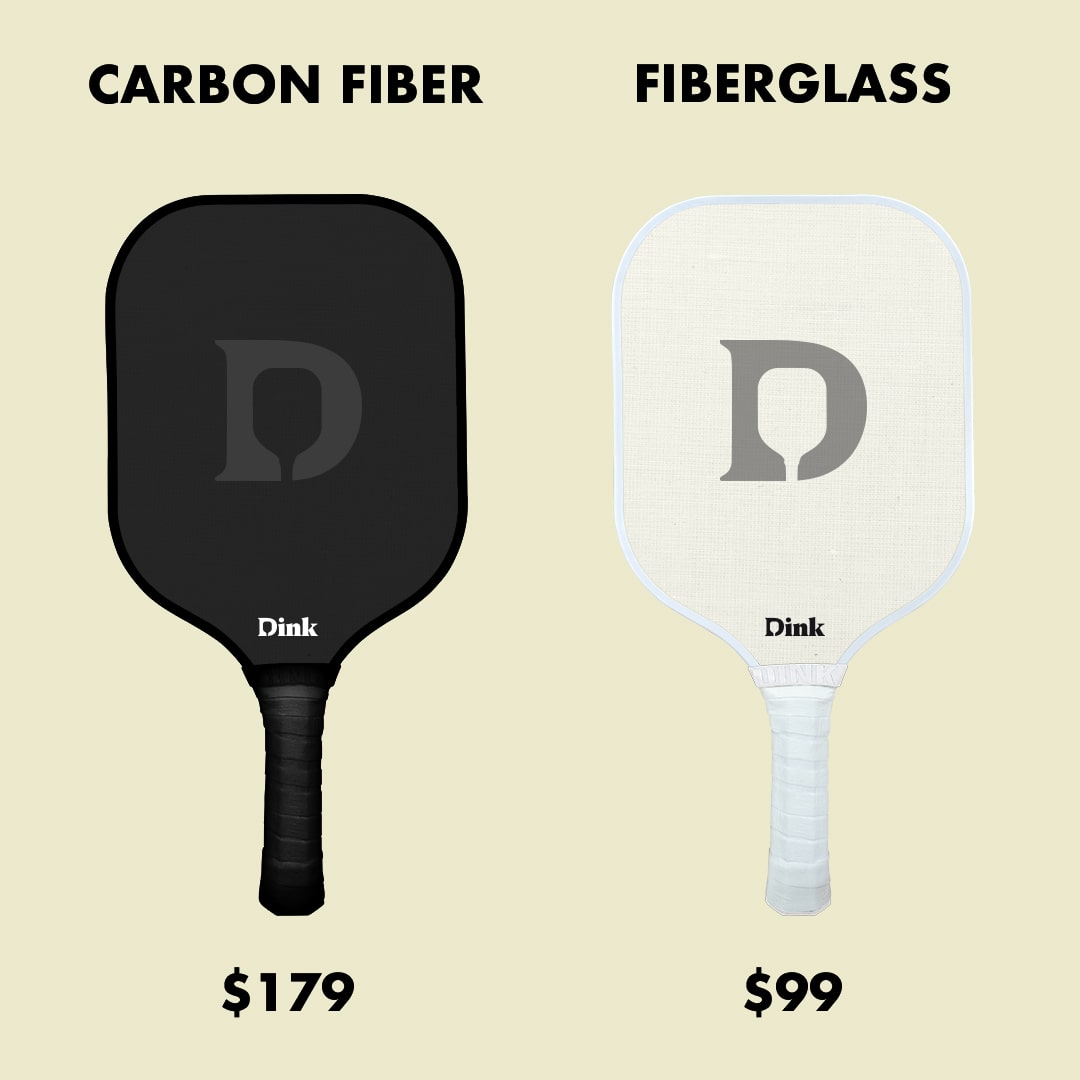
Credit: dinkusa.com
Performance On Court
Performance on court matters most to pickleball players. It decides how well you hit, control, and enjoy the game. Fiberglass and wood paddles feel different during play. Each type has its strengths. Understanding these helps players choose the right paddle.
Power And Pop
Fiberglass paddles give more power. Their surface is smooth and hard. This helps the ball jump off the paddle fast. Players can hit stronger shots with less effort. Wood paddles feel heavier. They offer less pop but more weight behind hits. Power comes from the player’s swing, not the paddle. Wood paddles suit slow, steady hits better than quick slams.
Touch And Feel
Wood paddles provide a classic, solid feel. The ball feels connected to the paddle face. This helps with control on soft shots. Fiberglass paddles feel lighter and more flexible. They offer a springy touch that helps in quick plays. Players often find fiberglass paddles forgiving on off-center hits. Wood paddles give a firm, consistent touch but less forgiveness.
Cost And Value
Choosing between fiberglass and wood pickleball paddles often comes down to cost and value. Understanding the initial price and long-term benefits helps you decide which paddle suits your budget and playing style. Both types offer unique advantages that affect their overall worth.
Initial Investment
Wood paddles usually cost less upfront. They are made from simple materials, which lowers the price. Fiberglass paddles tend to be more expensive due to advanced materials and design. This higher price can feel steep for beginners. Still, many players find fiberglass paddles worth the extra cost. The choice depends on how much you want to spend at the start.
Long-term Benefits
Wood paddles wear out faster and may need replacing sooner. They can dent or chip with regular play. Fiberglass paddles last longer and resist damage better. Their durability saves money over time. Fiberglass also offers better performance, which improves your play. Spending more now can mean fewer costs later. Value comes not only from price but also from paddle lifespan and play quality.
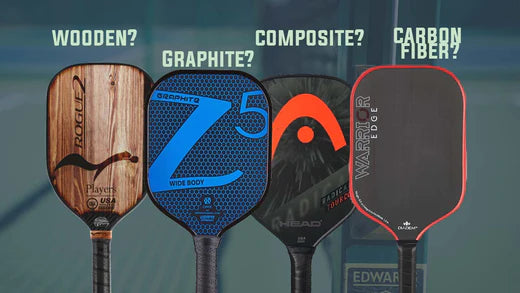
Credit: kiwipickleball.com
Player Suitability
Choosing the right pickleball paddle depends on the player’s needs and preferences. Different paddles suit different types of players. Fiberglass and wood paddles each offer unique benefits. Understanding which paddle fits your play style and skill level helps improve your game.
Skill Level Considerations
Beginners often prefer wood paddles. They are heavier and provide solid control. Wood paddles help new players learn basic shots. Fiberglass paddles are lighter and better for intermediate players. They offer more power and faster swings. Advanced players may choose fiberglass for better shot precision and speed.
Playing Style Match
Wood paddles suit players who like slow, steady play. They allow for good ball control and placement. Fiberglass paddles fit players who use aggressive, fast shots. They provide extra power and spin. Defensive players may prefer wood paddles for better control. Offensive players often pick fiberglass to add force to their shots.
Aesthetic And Design
The look and feel of a pickleball paddle affect player confidence and enjoyment. Fiberglass and wood paddles differ in design styles and finish options. Choosing a paddle with a design that suits personal taste matters a lot. Both materials offer unique aesthetic qualities to explore.
Customization Options
Fiberglass paddles provide many chances for custom graphics and colors. Manufacturers can print detailed patterns on fiberglass surfaces. This makes it easy to have vibrant, unique paddle designs. Custom logos and images fit well on fiberglass paddles.
Wood paddles have a classic, natural look that some players prefer. They can be stained or painted but offer fewer graphic options. Wood paddles often show wood grain textures, giving each paddle a one-of-a-kind style. Custom carving or engraving is possible but less common.
Visual Appeal
Fiberglass paddles tend to look modern and sleek. Their smooth surface allows bright and bold designs. These paddles often catch the eye on the court with sharp colors.
Wood paddles appear traditional and warm. Their natural patterns create a rustic charm. Some players like the simple, timeless beauty of wood. This style feels familiar and inviting.
Frequently Asked Questions
What Are The Main Differences Between Fiberglass And Wood Paddles?
Fiberglass paddles are lightweight, durable, and provide better power. Wood paddles are heavier, less expensive, and offer a traditional feel. Fiberglass is preferred for competitive play, while wood suits beginners or casual players due to its affordability and sturdiness.
Which Paddle Material Offers Better Control And Precision?
Wood paddles generally offer better control and precision because of their solid, heavier build. Fiberglass paddles provide more power but can be slightly less precise. Players who prioritize accuracy often prefer wood, while those seeking power lean towards fiberglass.
Are Fiberglass Paddles More Durable Than Wood Paddles?
Yes, fiberglass paddles are more durable than wood paddles. Fiberglass resists wear, impacts, and moisture better. Wood paddles can chip or warp over time. For long-term use and frequent play, fiberglass is the more reliable option.
How Does Paddle Weight Affect Pickleball Performance?
Paddle weight influences power, control, and fatigue. Heavier wood paddles offer control but cause quicker arm fatigue. Lighter fiberglass paddles enhance maneuverability and power, reducing strain. Choose weight based on your playing style and comfort for best performance.
Conclusion
Choosing between fiberglass and wood pickleball paddles depends on your needs. Fiberglass paddles offer light weight and better control. Wood paddles are heavier but more durable and affordable. Think about your playing style and budget first. Both types can help you enjoy the game.
Try testing each paddle to see what feels right. Your comfort and performance matter most in the end. Keep practicing and have fun on the court!