
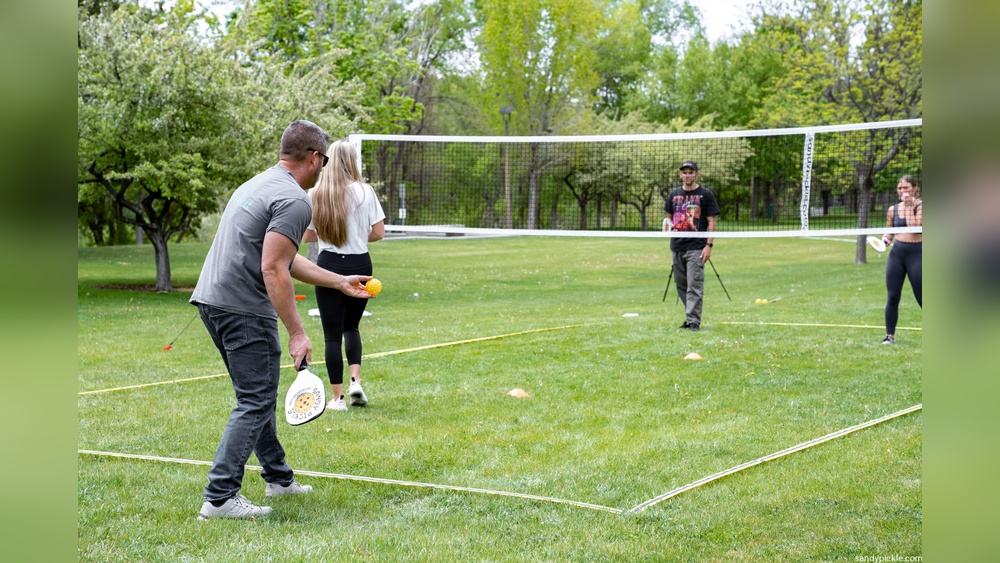
Have you ever wondered if you can play pickleball right in your backyard on the grass? If you love the game but don’t have a hard court nearby, this question might have crossed your mind.
You’re not alone—many players want to enjoy pickleball without the hassle of finding a special court. But is grass a good surface for this fast-paced sport? Keep reading to discover how playing pickleball on grass could change your game and what you need to know to make it work.
This might be the simple switch that makes your pickleball experience even more fun.
Pickleball Basics
Pickleball is a fast-growing sport loved by many. It mixes elements of tennis, badminton, and ping-pong. Easy to learn, fun to play. Great for all ages and skill levels. Understanding the basics helps you enjoy the game more.
Court Dimensions
A pickleball court is 20 feet wide and 44 feet long. The net is 36 inches high at the edges, 34 inches in the middle. The court has a non-volley zone, called the kitchen, 7 feet from the net on each side. These measurements create space for fast rallies and strategic play.
Standard Playing Surfaces
Pickleball courts usually have smooth, hard surfaces. Common materials include concrete and asphalt. These surfaces allow the ball to bounce consistently. Grass courts are rare because the surface is uneven. This can affect how the ball bounces and players’ footing.
Equipment Essentials
Players use a paddle and a plastic ball with holes. Paddles are smaller than tennis racquets but larger than ping-pong paddles. Balls come in indoor and outdoor types, designed to suit different courts. Wearing comfortable shoes with good grip is important for safety and performance.
Challenges Of Grass Courts
Playing pickleball on grass courts brings unique challenges. Grass surfaces differ a lot from traditional hard or indoor courts. These differences affect gameplay and player experience. Understanding these challenges helps set the right expectations for grass pickleball matches.
Surface Irregularities
Grass courts often have uneven surfaces. Small bumps and holes can change the ball’s path. These irregularities make it hard to predict shots. Players must stay alert and ready to adjust quickly. Uneven ground can also increase the risk of injury.
Ball Bounce Variations
Grass affects how the ball bounces. The ball tends to bounce lower and slower on grass. This can slow down the pace of the game. It also changes the timing for hitting the ball. Players may need to adapt their swing and positioning.
Footing And Movement Issues
Moving on grass is different than on hard courts. Grass can be slippery, especially when wet. It offers less traction for quick stops or sharp turns. Players need good balance and careful footwork. Slower movement can affect overall game speed and strategy.
Adapting Pickleball For Grass
Playing pickleball on grass offers a new and fun way to enjoy the sport. Grass courts change how the ball moves and how players react. Adapting pickleball to grass means making small changes to equipment and rules. These changes help keep the game fair and fun for everyone.
Choosing The Right Ball
Pickleball balls made for outdoor use work best on grass. These balls are usually heavier and have smaller holes. The weight helps the ball travel better over uneven grass. A softer ball can reduce bounces and keep the game steady. Avoid indoor balls, as they can bounce too much on grass.
Adjusting Paddle Techniques
Grass slows the ball down. Players should hit the ball with more strength. Use a firm and steady swing to control the ball better. Short, quick paddle movements help with fast reactions. Try to keep the ball low to avoid high bounces on grass. Practice helps players get used to these small changes.
Modifying Game Rules
Some rules need changes for grass play. The court size can be a bit larger to allow more space. Let the ball bounce once before hitting it to keep the game smooth. Serve rules may be more flexible to fit grass conditions. Clear rules make sure all players enjoy the match fairly.
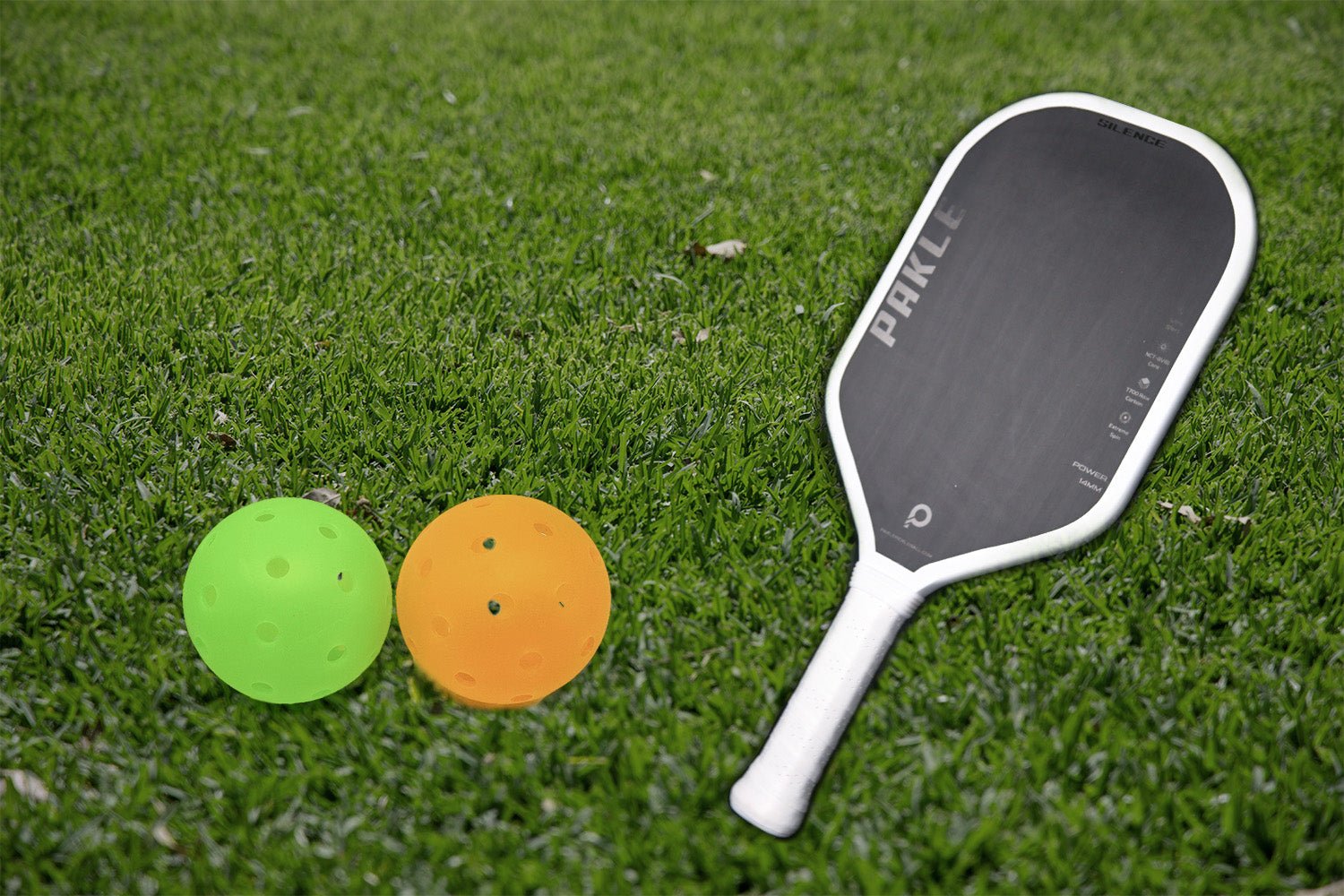
Credit: paklepickleball.com
Setting Up A Grass Pickleball Court
Setting up a pickleball court on grass brings a fresh twist to the game. It is a great way to enjoy pickleball outdoors without needing a hard surface. The setup process requires careful planning to ensure a safe and enjoyable playing area. Grass courts need clear boundaries, a well-installed net, and regular maintenance.
Marking Boundaries
Start by measuring the court size: 20 feet wide and 44 feet long. Use spray paint or chalk to mark the lines on the grass. Choose bright colors like white or yellow for better visibility. Use a string or tape measure to keep lines straight. Mark the non-volley zone, baseline, and sidelines clearly. Check the lines often, as grass can grow and blur markings.
Net Installation Tips
Pick a flat area for the net to stand firm. Use portable net posts or stakes to hold the net in place. The net height should be 36 inches at the sides and 34 inches in the middle. Tighten the net to avoid sagging during play. Make sure the posts are secure but do not damage the grass roots. Portable nets work well for temporary setups on grass.
Maintenance And Upkeep
Grass courts need regular mowing to keep the surface even. Remove debris like sticks and leaves before each game. Water the grass to keep it green and soft but avoid puddles. Fill any holes or uneven spots to prevent injuries. Check the court lines weekly and reapply markings as needed. Keep the net dry and store it properly after use.
Expert Tips For Playing On Grass
Playing pickleball on grass adds a new challenge to the sport. Grass surfaces are softer and less predictable than hard courts. This requires some changes in how you play and move. Here are expert tips to help you enjoy pickleball on grass.
Footwear Recommendations
Choose shoes with good grip to avoid slipping on grass. Turf shoes or trail running shoes work well. Avoid shoes with smooth soles, as they offer little traction. Make sure your shoes support your ankles to prevent injuries. Change shoes if the grass is wet to keep your footing steady.
Movement And Stance Strategies
Keep your knees slightly bent for better balance on uneven ground. Take shorter steps to stay stable and avoid falls. Stay light on your feet to react quickly to the ball. Use a wider stance to improve your balance on soft grass. Practice moving smoothly to adjust to the bumpy surface.
Dealing With Weather Conditions
Grass can be slippery when wet. Check the field before playing to avoid muddy areas. Play slower if the grass is damp to reduce the risk of slipping. Stay hydrated and protect yourself from sun on hot days. Wind may affect the ball’s flight, so adjust your shots accordingly.
Pros And Cons Of Grass Pickleball
Playing pickleball on grass offers a unique experience. It differs from traditional courts. Grass surfaces change how the ball bounces and how players move.
Understanding the pros and cons helps decide if grass pickleball fits your needs. It can affect enjoyment and performance. Here are key benefits and drawbacks to consider.
Benefits To Consider
Grass is soft and gentle on the body. It reduces impact on knees and joints. This makes it good for older players or those with injuries.
Natural grass courts are often cooler on hot days. The surface does not get as hot as concrete or asphalt. This adds comfort during long play sessions.
Grass also creates a casual, fun atmosphere. Many find it relaxing to play outdoors on green fields. It encourages social play and friendly matches.
Potential Drawbacks
Grass courts can be uneven and slippery. This may cause players to lose balance or trip. The ball bounce is less predictable than on hard courts.
Maintaining a grass court takes time and effort. Grass needs regular mowing, watering, and repair. Poor maintenance can ruin the playing surface quickly.
Weather affects grass more than other surfaces. Rain makes the court muddy and unplayable. Dry spells can cause the grass to die, creating hard spots.
Alternatives To Grass For Outdoor Play
Grass courts present challenges for pickleball. Uneven surfaces affect ball bounce and player movement. Many players seek better outdoor options. These alternatives offer more reliable play and less risk of injury.
Portable Court Options
Portable pickleball courts provide a smooth, flat surface. Made from interlocking tiles, they are easy to set up and remove. These courts fit in driveways, patios, or any open outdoor area. The surface mimics professional courts, improving play quality. Portability allows players to play anywhere outdoors. They are lightweight and simple to store. Portable courts protect players from slips and uneven ground.
Other Natural Surfaces
Besides grass, dirt and packed soil can host pickleball games. These surfaces are firmer than grass but less consistent than hard courts. Clay courts offer a softer feel and slower ball bounce. Gravel is usually not recommended due to injury risk. Sand surfaces disrupt ball bounce and player movement. Players can find parks or open fields with smoother dirt areas. These natural surfaces still need care to keep play safe.

Credit: pickleballsuperstore.com
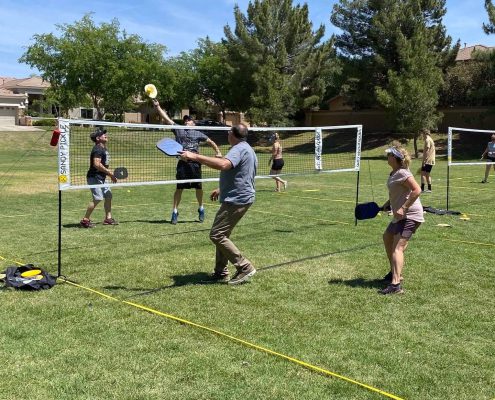
Credit: www.sandypickle.com
Frequently Asked Questions
Can Pickleball Be Played On Grass Surfaces?
Yes, pickleball can be played on grass, but it affects ball bounce and speed. Grass creates uneven play conditions and can slow the game, making it less ideal than hard courts.
What Are The Challenges Of Playing Pickleball On Grass?
Playing on grass causes unpredictable ball bounces and slower gameplay. The surface may also cause players to slip, increasing injury risk and reducing game consistency.
How To Set Up A Pickleball Court On Grass?
Use boundary lines, portable nets, and flat grassy areas for setup. Ensure the grass is trimmed to minimize ball roll and improve playability.
Does Grass Affect Pickleball Paddle Performance?
Grass mainly impacts ball behavior, not paddle performance. However, slower ball speed on grass might require paddle adjustments for better control.
Conclusion
Playing pickleball on grass is possible but has some challenges. Grass can make the ball bounce less predictably. It may slow down the game and affect your moves. A smooth, flat surface works best for pickleball. Still, grass can be a fun option for casual play.
Make sure the area is even and clear of debris. Wearing proper shoes helps avoid slipping. Choose the surface that fits your style and space. Enjoy the game, no matter where you play.