
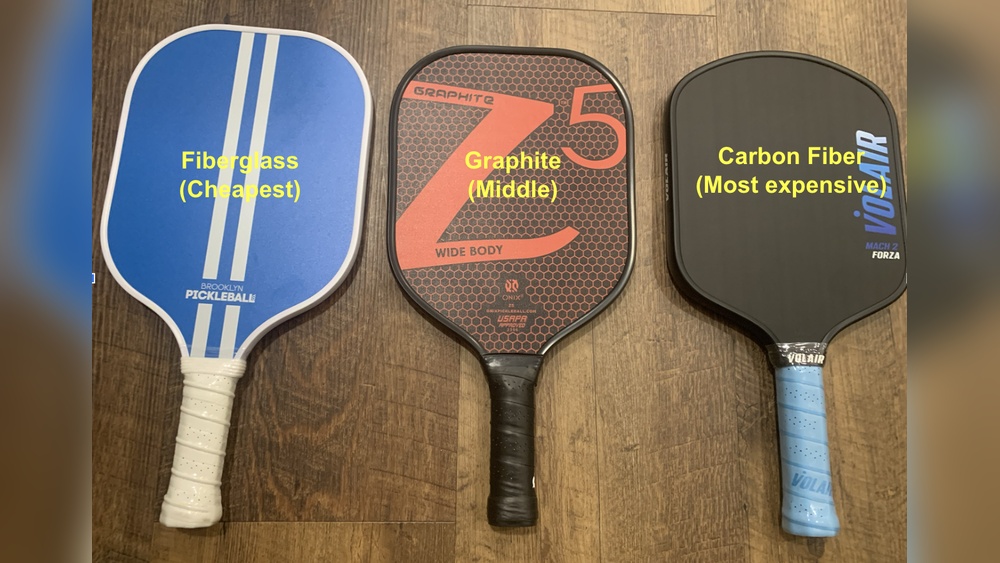
If you have spent any time on a pickleball court, you have probably noticed players talking about their paddles. The words fiberglass and graphite come up a lot. It can be confusing, especially if you are new to the sport or thinking about getting your first or next paddle. Choosing the right paddle material is important—it can change your power, control, comfort, and even your enjoyment of the game.
Many players wonder: “Should I get a fiberglass or graphite pickleball paddle?” There is no one-size-fits-all answer. Both materials have unique strengths, weaknesses, and “feel.” Some people switch between them as their skills grow. Others stick with what works for them.
To help you decide, this guide dives deep into the real differences between fiberglass and graphite paddles. You’ll learn how each performs, how they are made, what kind of player they suit best, and what details even experienced players sometimes miss. By the end, you’ll be able to choose the right paddle confidently, without second-guessing yourself.
What Makes A Pickleball Paddle Material Important?
The material used on the paddle’s face (the “hitting surface”) is not just about looks or price. It affects nearly everything about how the paddle feels and plays:
- Power: How much force goes into the ball
- Control: How easy it is to place shots accurately
- Spin: The ability to add curve or movement to the ball
- Touch: The subtle feedback you feel when the paddle hits the ball
- Durability: How long the paddle lasts without losing performance
Most paddles use a composite honeycomb core (like polymer or aluminum) with an outer face of either fiberglass or graphite. The “core” does matter, but the face material is what touches the ball and sets the paddle’s main character.
Fiberglass Pickleball Paddles: The Power Player
Fiberglass paddles, sometimes called “composite” paddles, are very popular at all skill levels. The face is made from woven glass fibers, which are then bonded with resin.
How Fiberglass Paddles Are Made
Manufacturers take thin sheets of fiberglass and layer them over a honeycomb core. The face is coated with resin and pressed into shape. This process gives the paddle its flexibility and surface texture.
Key Benefits Of Fiberglass
- Powerful Shots: Fiberglass is slightly flexible. When you hit the ball, the paddle face bends a little and then “rebounds,” sending energy into the ball. This “trampoline effect” creates more power with less effort.
- Larger Sweet Spot: The flexible material makes the “sweet spot” (the best place to hit the ball) bigger. Off-center shots still feel strong and forgiving.
- Great for Spin: Many fiberglass paddles have a textured face. This helps grip the ball and generate spin, which is useful for tricky serves and slices.
- Value for Money: Fiberglass paddles often cost less than graphite, making them a good choice for beginners and intermediate players.
Drawbacks Of Fiberglass
- Less Precision: Because the face is more flexible, you get less “direct” feedback and sometimes less control, especially on delicate shots near the net.
- Heavier Weight: Fiberglass is usually heavier than graphite. Some players find this tiring during long matches.
- Faster Wear: The face can scratch or chip over time, especially with hard play or outdoor use.
Who Should Choose Fiberglass?
- Players who want more power with less effort
- Beginners who need a forgiving paddle
- Those who like spinning the ball
- People looking for affordable options
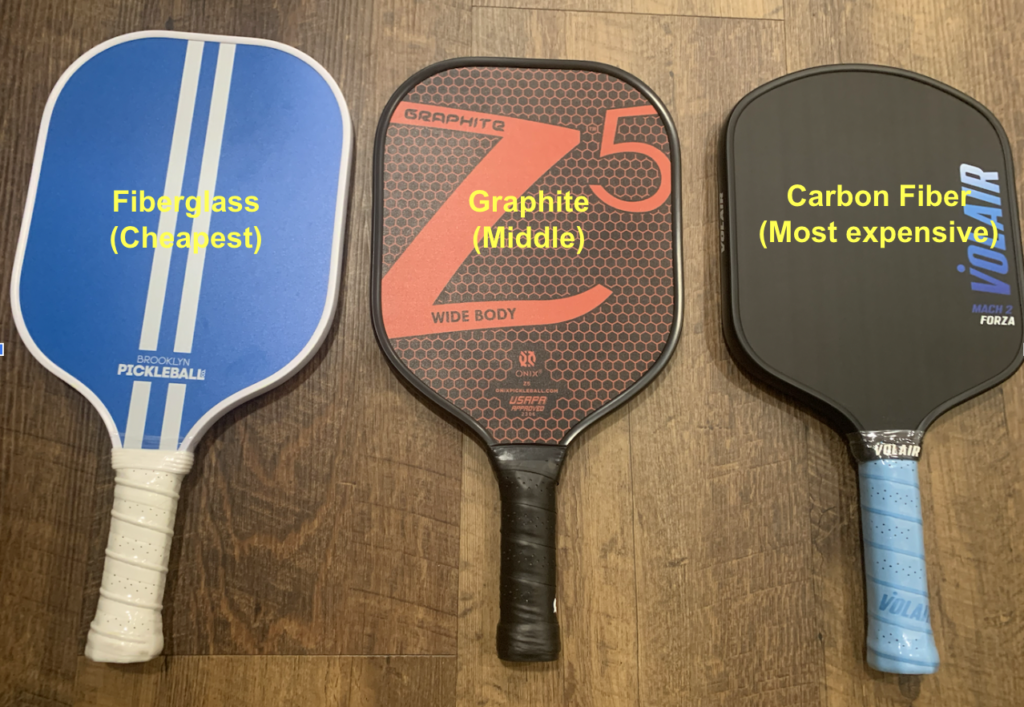
Credit: bepickleballer.com
Graphite Pickleball Paddles: The Control Specialist
Graphite paddles are known for their lightness and touch. The face is made from a thin sheet of carbon fibers, bonded with resin.
How Graphite Paddles Are Made
A thin (often less than a millimeter) layer of graphite is placed over the paddle’s honeycomb core. Graphite is extremely strong for its weight, so the face can be ultra-thin but still durable.
Key Benefits Of Graphite
- Superior Control: Graphite faces are stiff. When you hit the ball, the energy transfers instantly and directly. This makes it easier to place shots exactly where you want.
- Light Weight: Most graphite paddles weigh less than fiberglass, making them easy to swing and move quickly—helpful at the net.
- Quick Response: The stiff face gives you fast feedback. You can react to fast balls and play tricky dinks with confidence.
- Durability: Graphite resists scratching and chipping. Many paddles last for years without losing performance.
Drawbacks Of Graphite
- Less Power: The stiff face means less “trampoline effect.” You must swing harder to get the same power as fiberglass.
- Smaller Sweet Spot: Graphite faces are less forgiving on off-center hits. Beginners might find this challenging.
- Higher Cost: Good graphite paddles are often more expensive, especially with premium brands.
Who Should Choose Graphite?
- Players who want maximum control and precision
- Advanced or competitive players
- People who prefer a lightweight paddle
- Those who value durability for long-term use
Fiberglass Vs Graphite: Side-by-side Performance
It helps to see the main differences in a simple way. Here is a direct comparison:
| Feature | Fiberglass Paddle | Graphite Paddle |
|---|---|---|
| Power | High (trampoline effect) | Medium (requires effort) |
| Control | Medium | High (precise placement) |
| Weight | Medium to heavy | Light to medium |
| Sweet Spot | Large and forgiving | Smaller, less forgiving |
| Spin | Excellent (textured face) | Good, but less texture |
| Durability | Good, can scratch/chip | Excellent, resists wear |
| Price Range | Low to medium | Medium to high |
Real-world Examples: Who Uses Which Paddle?
You might wonder what the best players choose. At the professional level, both types are seen. For example:
- Ben Johns, one of the world’s top players, often uses a graphite paddle. He values control for quick net play and sharp angles.
- Many power-focused pros, especially in doubles, prefer fiberglass for harder serves and aggressive smashes.
But skill level matters too. Many recreational and beginner players find fiberglass more comfortable. As you improve and need more control, you might shift to graphite.
How Does Paddle Weight Affect Play?
While the face material is key, weight also makes a big difference. Weight can change how both fiberglass and graphite paddles perform.
- Lightweight (7.0–7.5 oz): Faster movement, less power, more control. Often graphite.
- Midweight (7.6–8.4 oz): Good mix of power and control. Common in both materials.
- Heavyweight (8.5+ oz): Maximum power, less maneuverability. Often seen in fiberglass.
Heavier paddles add power but may tire your arm. Lighter paddles are easier on the wrist but need more effort for strong shots. Always try different weights before choosing.

Credit: joola.com
The Core: Why It Matters Less Than You Think
Many new players worry about “core material.” Most paddles use a polymer honeycomb core. This is a plastic grid that balances power, control, and noise. Aluminum and Nomex cores are rare today.
While the core does affect feel, the face material (fiberglass or graphite) is what most changes your game. Don’t overthink the core if you’re just starting out.
Common Mistakes When Choosing A Paddle
- Chasing Trends: Just because a pro uses a certain paddle doesn’t mean it’s right for you. Try paddles at your local club before buying.
- Ignoring Weight: A paddle that’s too heavy or too light is hard to control, no matter the material.
- Assuming Graphite Is Always Better: Some players think graphite is “advanced” and fiberglass is “beginner.” In reality, many top players use fiberglass for power.
- Overlooking Grip Size: The handle size matters for comfort and injury prevention. Try different grips to avoid wrist pain.
Spin Potential: Which Material Wins?
Spin comes from face texture and how you brush the ball. Fiberglass faces are often rougher, giving them an edge for spin. But some graphite paddles now use “grit” or special coatings for more spin.
If you rely on slicing or spinning serves, try both types to see which feels best. Spin can be more about technique than material, but beginners usually find it easier with fiberglass.
Price And Value: What Should You Pay?
You don’t need to spend a fortune for a good paddle. Here’s a general price range:
| Paddle Type | Price Range (USD) | What You Get |
|---|---|---|
| Fiberglass | $40–$120 | Power, spin, large sweet spot |
| Graphite | $60–$180+ | Control, lightweight, durability |
Premium paddles (over $120) may offer better balance, edge guards, or custom designs, but many great paddles cost less. For beginners, a $50–$80 fiberglass paddle is often perfect. Intermediate and advanced players might invest more for graphite.
Durability: Which Lasts Longer?
Graphite paddles usually last longer because the face resists scratches and dings. Fiberglass paddles can lose surface texture over time, especially if played on rough outdoor courts.
However, care matters more than material. Always store your paddle in a case, avoid banging it on hard surfaces, and keep it out of extreme heat or cold.
Comfort And Injury Prevention
A paddle that’s too heavy or has the wrong grip size can cause elbow or wrist pain (sometimes called “pickleball elbow”). Both fiberglass and graphite paddles are available in different weights and grip sizes.
Two things beginners often miss:
- Grip Size: Too thick or too thin a grip increases injury risk. Choose a grip that feels secure but not tight.
- Vibration Dampening: Some paddles (especially with polymer cores) reduce hand vibration. This is important if you play often or have joint sensitivity.
Credit: www.pickleball-paddles.com
Customization And Advanced Features
Modern paddles often come with extra features, regardless of face material:
- Edge guards: Protect the paddle from chips.
- Perforated grips: For sweat control.
- Custom graphics: Personal style or team colors.
- Special coatings: For more spin (on both fiberglass and graphite).
If you play competitively, check that your paddle is USAPA approved (legal for tournaments).
Which Paddle Should You Choose? A Simple Guide
If you are still unsure, ask yourself:
- Do you want more power and a forgiving sweet spot? Try fiberglass.
- Do you want more control and quick reaction time? Try graphite.
- Are you a beginner? Fiberglass is often easier.
- Do you play mostly at the net? Graphite helps with fast volleys.
- Do you serve and smash a lot? Fiberglass gives you extra power.
Still undecided? Try borrowing both types at your local club. The best paddle is the one that feels right in your hand and suits your style.
How To Test A Paddle Before You Buy
Here are practical steps:
- Swing the paddle: It should feel balanced and not strain your wrist.
- Hit soft shots and hard shots: Notice the difference in control and power.
- Try both forehand and backhand: Some paddles suit one side more.
- Check the grip size: Your fingers should wrap comfortably with a little space.
Many retailers or clubs allow “demo days” where you can try several paddles. Take advantage of this before making a final choice.
Environmental Impact: Is One Material Greener?
Both fiberglass and graphite are man-made materials, but there are some differences:
- Fiberglass uses glass fibers and resin, which are less energy-intensive than graphite, but not biodegradable.
- Graphite (carbon fiber) production uses more energy and chemicals, but the paddles tend to last longer, so you may replace them less often.
If you want to reduce your impact, take care of your paddle to extend its life, and recycle it if possible when it’s worn out.
What About Other Paddle Materials?
While fiberglass and graphite dominate, you may see wood and carbon fiber paddles.
- Wood: Heavy, cheap, and durable, but not popular except for beginners or schools.
- Carbon Fiber: Sometimes marketed as “better than graphite,” but in pickleball, graphite and carbon fiber often mean the same thing. Both use carbon-based materials.
Always check the specifications, not just marketing words.
Summary Table: Quick Decision Guide
Here’s a fast reference:
| Player Type | Best Paddle Face | Why |
|---|---|---|
| Beginner | Fiberglass | Forgiving, easy power |
| Power-focused | Fiberglass | Big sweet spot, spin |
| Control-focused | Graphite | Precision, fast play |
| Net player | Graphite | Quick reaction, light |
| Budget buyer | Fiberglass | Lower cost, value |
| Durability seeker | Graphite | Long-lasting face |
Frequently Asked Questions
What Is The Biggest Difference Between Fiberglass And Graphite Pickleball Paddles?
The main difference is in the feel and performance. Fiberglass paddles give more power and have a larger sweet spot, making them easier for beginners. Graphite paddles are lighter and offer more control and touch, which advanced players often prefer.
Does The Paddle Face Material Affect Spin?
Yes. Fiberglass paddles often have a more textured face, which helps generate spin. However, some graphite paddles now use special coatings to increase spin as well. Technique is just as important as material.
Which Paddle Lasts Longer—fiberglass Or Graphite?
Graphite paddles generally last longer because the face is harder and resists scratches and chips. However, with good care, a fiberglass paddle can also last for years.
Is Fiberglass Better For Beginners?
Often, yes. Fiberglass paddles are more forgiving, have a larger sweet spot, and help generate power even if your swing is not perfect. Many new players find them easier to use at first.
Where Can I Learn More About Pickleball Paddle Technology?
You can find detailed information on official sites like USA Pickleball, which covers paddle materials, rules, and approved equipment.
—
Choosing between fiberglass and graphite pickleball paddles is not just about following trends or brand names. It’s about matching the paddle to your style, needs, and goals. Take the time to try both, consider your strengths, and enjoy the process. The right paddle can make your game more fun and help you improve faster. Happy playing!