
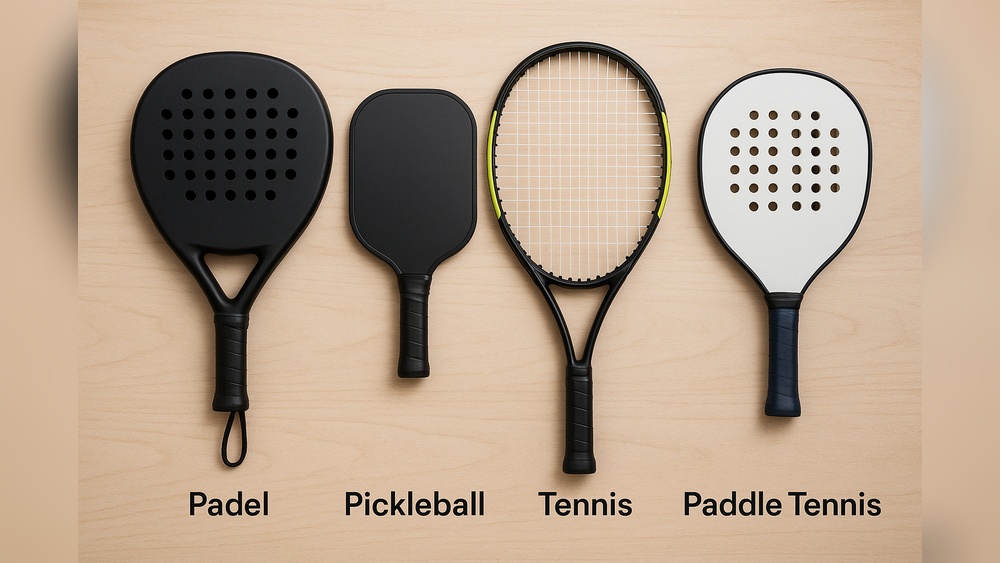
Are you confused about whether to choose a padel paddle or a pickleball paddle? You’re not alone.
Both sports are growing fast, and each paddle looks similar but plays very differently. Picking the right paddle can change your game completely. You’ll discover the key differences that matter to your performance and enjoyment. By the end, you’ll know exactly which paddle suits your style and needs.
Ready to find the perfect fit? Let’s dive in!

Credit: kansascitymag.com
Padel Paddle Basics
Understanding the basics of padel paddles helps in choosing the right one. Padel paddles differ from pickleball paddles in many ways. Knowing their key features makes play easier and more fun. The material, shape, size, weight, and balance all affect performance.
Material And Construction
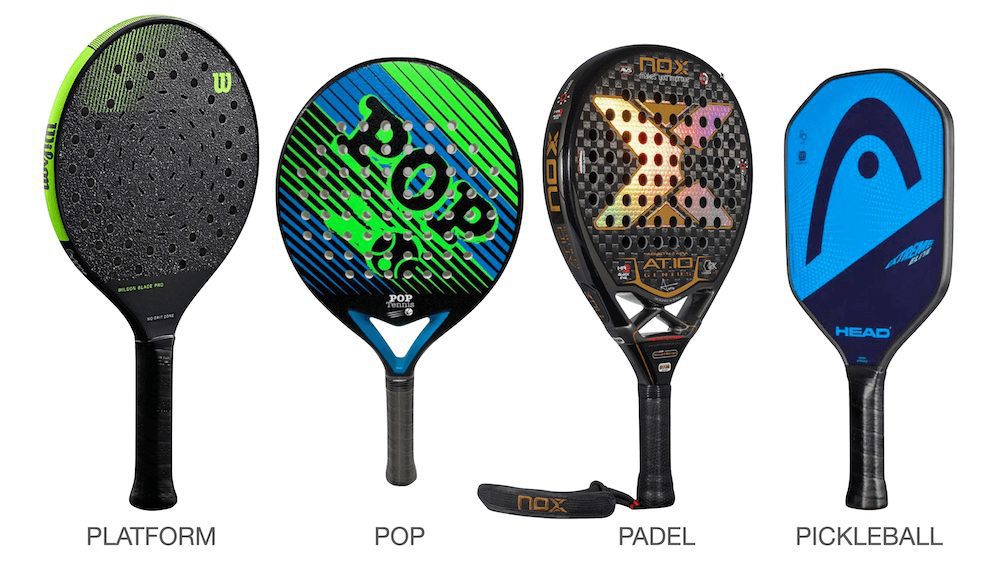
Padel paddles are usually made from carbon fiber or fiberglass. These materials provide strength and durability. The core is often made of foam or EVA rubber. This core absorbs shock and controls ball speed. The surface is solid without holes, unlike pickleball paddles.
Shape And Size
Padel paddles have a round, teardrop, or diamond shape. Each shape offers different control and power. They are smaller than tennis rackets but larger than pickleball paddles. The size helps players handle quick shots and fast movements on the court.
Weight And Balance
Padel paddles usually weigh between 350 and 375 grams. This weight allows for easy swings and good control. Balance can be head-heavy, evenly balanced, or handle-heavy. Head-heavy paddles give more power. Handle-heavy paddles offer better control.

Credit: www.pickleheads.com
Pickleball Paddle Essentials
Pickleball paddles have unique features. These features affect how you play. Knowing the essentials helps you pick the right paddle. It also improves your game and comfort.
Each paddle is made with different materials. They come in various sizes and weights. The grip style also changes from paddle to paddle. Understanding these details is key to choosing well.
Material And Build
Pickleball paddles often use wood, composite, or graphite. Wood paddles are heavy but affordable. Composite paddles have a mix of materials for better play. Graphite paddles are light and strong. The core inside can be foam or polymer. Foam cores offer good control. Polymer cores provide more power. The build affects how the ball feels on the paddle.
Dimensions And Shape
Paddles usually measure about 15 to 17 inches long. Width ranges from 7 to 8 inches. The shape can be wide or narrow. Wide paddles give a bigger hitting area. Narrow paddles offer more reach and control. The shape affects your swing and shot accuracy.
Weight And Grip
Weight varies between 6 to 14 ounces. Lighter paddles help with fast movements. Heavier paddles add power to your hits. The grip size is important for comfort. Small grips suit players with smaller hands. Large grips provide more support for bigger hands. A good grip reduces hand strain and improves control.
Performance Comparison
Comparing padel paddles and pickleball paddles helps players choose the best tool for their style. Both paddles have unique features that affect how you play. Understanding these differences can improve your game and enjoyment.
Power And Control
Padel paddles offer strong power due to their solid surface. They help hit the ball harder and faster. Pickleball paddles focus more on control. Their design allows precise shots and better ball placement. Players who want accuracy may prefer pickleball paddles.
Maneuverability
Pickleball paddles are lighter and easier to move quickly. This helps in fast exchanges and quick reactions. Padel paddles are heavier, which can slow down quick movements. But their weight adds stability during swings. Maneuverability depends on the player’s speed and style.
Durability
Padel paddles are made from strong materials like carbon fiber. They resist wear and last long despite heavy use. Pickleball paddles use composite or wood materials. These can wear down faster but are often cheaper to replace. Durability matters for frequent players and budget.
Game Style Impact
The type of paddle used in padel or pickleball shapes how players approach the game. Each paddle influences movement, shot style, and overall strategy. Understanding these differences helps players choose the right equipment for their play style. The paddle’s design directly impacts how players perform during matches.
Suitability For Different Playstyles
Padel paddles suit quick, close-net play. They offer control for fast volleys and angled shots. Pickleball paddles favor a mix of power and precision. They support both baseline rallies and net attacks. Each paddle style matches different player preferences and tactics.
Court Surface Influence
Padel courts have glass walls that allow ball rebounds. This demands paddles that handle fast reaction and varied angles. Pickleball courts are flat and smaller, focusing on quick footwork and short shots. Paddle design adapts to these surface needs for better performance.
Player Skill Levels
Beginners find pickleball paddles easier to handle for learning shots. Padel paddles require more skill for control and power balance. Advanced players can use either paddle to enhance their tactics. Choosing the right paddle helps improve skills faster and enjoy the game more.
Price And Availability
Price and availability are important when choosing between padel paddles and pickleball paddles. Both sports are growing fast, so equipment options keep changing. Understanding the cost and where to buy can help you pick the right paddle for your budget and needs.
Cost Range
Padel paddles usually cost more than pickleball paddles. Basic padel paddles start around $50 and can go over $200. Pickleball paddles are often cheaper, with prices from $20 to $150. The price depends on materials, brand, and design. Quality paddles tend to last longer and feel better in your hand.
Brand Options
Popular brands for padel paddles include Bullpadel, Head, and Adidas. These brands offer many choices for beginners and pros. For pickleball paddles, brands like Selkirk, Paddletek, and Onix are common. Each brand offers paddles with different weights and shapes. This variety helps players find a paddle that fits their style.
Where To Buy
Sports stores often carry both padel and pickleball paddles. Online shops like Amazon, eBay, and specialty sports websites have wide selections. Some local stores may only stock pickleball paddles due to higher demand. Buying online gives access to more brands and reviews. Check return policies before buying to ensure satisfaction.
Choosing The Right Paddle
Choosing the right paddle makes a big difference in your play. Padel and pickleball paddles have unique features. Understanding these helps you pick the best one for your style and needs. This section guides you through important points to consider.
Personal Preferences
Comfort is key when selecting a paddle. Some players like a lighter paddle for quick moves. Others prefer heavier paddles for powerful hits. The grip size matters too. Choose a grip that feels natural in your hand. Think about your playing style. Defensive players may want more control, while aggressive players might choose power.
Common Mistakes To Avoid
Do not pick a paddle just because it looks good. Avoid paddles that are too heavy or too light for you. Do not ignore grip size; a wrong grip can cause injury. Avoid buying a paddle without trying it first. Do not assume all paddles work the same for padel and pickleball. Each sport needs a specific paddle type.
Tips For Beginners
Start with a mid-weight paddle for balance. Test different paddle shapes to find what suits you. Pay attention to the grip comfort and paddle weight. Practice with your paddle before playing matches. Ask experienced players for advice on paddle choice. Focus on learning paddle control before power.
Credit: www.minterdial.com
Frequently Asked Questions
What Are The Main Differences Between Padel And Pickleball Paddles?
Padel paddles are solid with holes and no strings, while pickleball paddles are solid and flat. Padel paddles are heavier and smaller. Pickleball paddles have a larger surface and are lighter, designed for different playing styles and court sizes.
Which Paddle Is Better For Beginners, Padel Or Pickleball?
Pickleball paddles are generally better for beginners. They are lightweight and easier to handle. Padel paddles require more strength and precision. Beginners find pickleball paddles more forgiving and suitable for learning basic strokes and control.
Can You Use A Padel Paddle For Pickleball?
No, padel paddles are not suitable for pickleball. Their weight, size, and design differ significantly. Using the wrong paddle affects gameplay, control, and performance. Always use the paddle designed for the specific sport for best results.
How Does Paddle Material Affect Padel And Pickleball Play?
Padel paddles often use carbon fiber or fiberglass for durability and power. Pickleball paddles use composite materials or wood for lightweight control. Material affects paddle weight, power, and feel, influencing player performance and comfort during the game.
Conclusion
Choosing between padel and pickleball paddles depends on your sport and style. Padel paddles are solid and heavier, offering power and control. Pickleball paddles are lighter and have a larger surface for easy hits. Each paddle suits different court sizes and rules.
Think about comfort and game speed before buying. Your best paddle fits your needs and helps you enjoy the game more. Try both if possible. Play, feel the difference, and pick what works for you. Simple as that.