
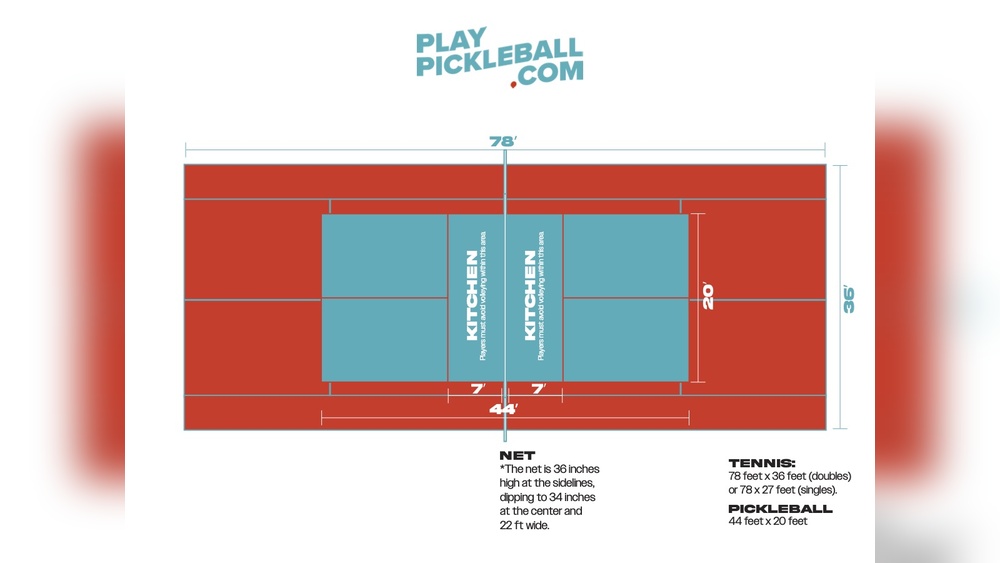
Pickleball and tennis are two of the most popular racket sports worldwide. If you’re a player, club manager, or just curious, you may wonder how their courts compare. Are the differences just about size? Or do they affect the way you play, move, and enjoy the game? Let’s take a close look at pickleball vs tennis court—from dimensions and surfaces, to nets, lines, and everything that shapes the player experience.
Both sports have their unique charm. Tennis is known for its fast pace, athletic rallies, and long history. Pickleball, on the other hand, is growing quickly, praised for its accessibility and social atmosphere. But the court itself is where these differences become most obvious—and where small details can change how you play.
Court Dimensions: Size Shapes The Game
The most visible difference is the size. Tennis courts are much larger than pickleball courts, and that changes everything from movement to strategy.
| Sport | Court Length | Court Width | Singles/Doubles Same? |
|---|---|---|---|
| Pickleball | 44 feet (13.41 m) | 20 feet (6.1 m) | Yes |
| Tennis (Singles) | 78 feet (23.77 m) | 27 feet (8.23 m) | No |
| Tennis (Doubles) | 78 feet (23.77 m) | 36 feet (10.97 m) | No |
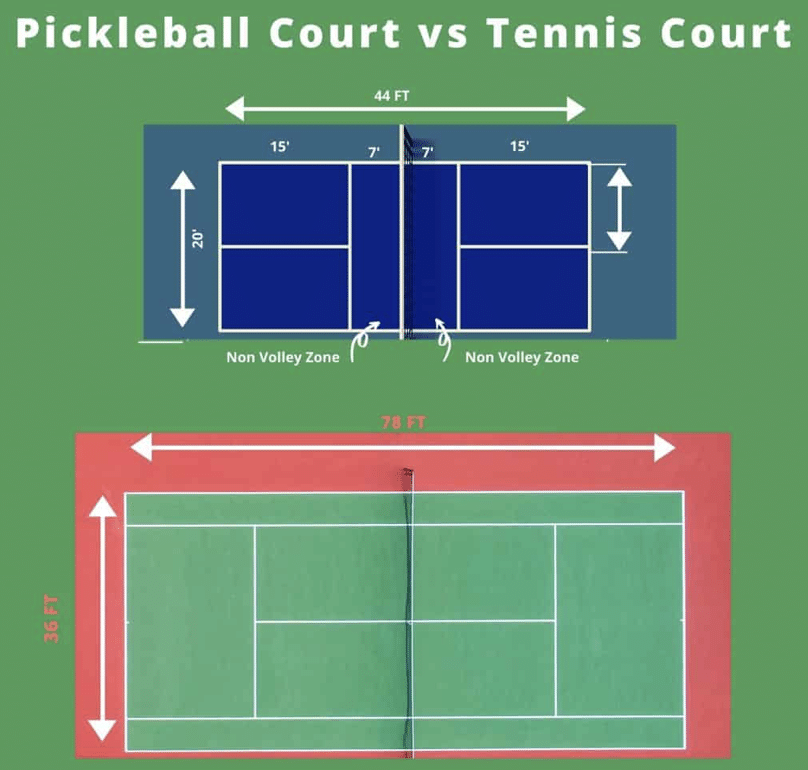
A pickleball court is less than one-third the size of a standard tennis court. This affects how much you run, how quickly you must react, and even the social aspect of the game. On a pickleball court, players are closer together, which makes for more interaction but also means less space to cover.
One non-obvious point: Because pickleball uses the same court size for singles and doubles, you don’t need extra lines or a wider court for doubles play. Tennis, in contrast, uses doubles alleys—those extra strips on the sides.
Surface Materials: What’s Under Your Feet?
The playing surface can make or break your game experience. Both sports can be played indoors or outdoors, but the best surfaces are not always the same.
Tennis Court Surfaces
Tennis is famous for its variety:
- Hard courts (asphalt or concrete with acrylic paint): Common and durable. Used at the US Open and Australian Open.
- Clay courts: Softer and slower. Balls bounce higher but move slower. Popular in Europe and South America.
- Grass courts: Fastest surface, but rare outside professional venues. Wimbledon is the most famous grass tournament.
Pickleball Court Surfaces
Pickleball is most often played on:
- Hard courts: Similar to tennis hard courts, with acrylic coatings. These provide consistent bounce and footing.
- Indoor surfaces: Sometimes wooden gym floors, especially in community centers or schools. The bounce can be less predictable.
- Outdoor surfaces: Asphalt or concrete with specialized paint for traction.
A practical insight: While pickleball can be played on converted tennis courts, the bounce and speed can change significantly if the surface isn’t properly prepared for pickleball. Some clubs paint pickleball lines over old tennis courts, but this can cause confusion and less-than-ideal play.

Credit: pacecourt.com
Net Height And Structure
The net is another area where pickleball and tennis differ, and these differences aren’t just cosmetic.
| Sport | Net Height (Center) | Net Height (Posts/Sides) | Net Length |
|---|---|---|---|
| Pickleball | 34 inches (0.86 m) | 36 inches (0.91 m) | 21 feet 9 inches (6.64 m) |
| Tennis | 36 inches (0.91 m) | 42 inches (1.07 m) | 33 feet (10.06 m) |
In pickleball, the net is slightly lower in the center (34 inches), which encourages more volley exchanges and makes it easier to hit low shots. The tennis net is higher and longer, which fits with the faster speeds and higher bounces in tennis.
A subtle but important point: The net’s width in tennis is much greater, which means you need more lateral movement and have to cover more space when playing doubles.
Lines And Markings: Layout Differences
Court lines are not just for looks—they define the rules, and even a small difference can change how you play.
Pickleball Lines
- Baseline: Back boundary of the court.
- Sidelines: Sides of the court.
- Non-volley zone (the “kitchen”): A 7-foot area from the net on both sides. You cannot volley (hit the ball out of the air) while standing in this zone.
- Service areas: Divided into right and left, each 10 feet wide.
The kitchen is unique to pickleball. It prevents players from smashing at the net and encourages softer, more strategic play.
Tennis Lines
- Baseline: Back edge of the court.
- Singles sideline: Inner sideline for singles matches.
- Doubles sideline: Outer sideline for doubles matches.
- Service line: 21 feet from the net, defines the service box.
- Center service line: Divides the service boxes.
In tennis, there is no kitchen. The lines are used mainly for scoring and serve placement, not to restrict where you can volley.
A beginner mistake: On a shared court, pickleball lines are often a different color. It’s easy to get confused if you’re new to playing on a multi-use court. Always check which lines are for your sport before starting.
Fencing And Court Boundaries
Fencing may seem minor, but it’s important for safety and playability.
- Tennis courts usually have high fences (8 to 10 feet) to keep fast-moving balls inside.
- Pickleball courts often have lower fences, since the ball is lighter and moves slower.
On multi-use courts, fencing is usually designed for tennis, but if you’re building a dedicated pickleball court, you can use lower fences or even a net barrier.
A non-obvious insight: The height of fencing around a pickleball court can affect wind patterns, which is more noticeable with the lightweight pickleball. Lower fences mean wind can be a bigger factor outdoors.
Playing Area Around The Court
Both sports require extra space around the court for safety and comfort. This is called the run-off area.
Tennis
- Minimum recommended space: 60 feet by 120 feet for a full court with safe run-off.
- Why so much? : Players run at high speeds and need space to slow down safely.
Pickleball
- Minimum recommended space: 30 feet by 60 feet per court.
- Why less? : Slower ball speed, less running, and smaller court size.
If you’re planning a facility, remember: You can fit up to four pickleball courts in the space of one tennis court. This is one reason why many clubs are converting old tennis courts to pickleball.

Credit: pickleballsuperstore.com
Equipment: Nets, Posts, And Accessories
The choice of net and court accessories also separates pickleball from tennis.
- Pickleball nets are lighter and can be portable. Many community centers use roll-away nets for quick setup.
- Tennis nets are heavier, with sturdy posts sunk into the ground.
- Windscreens are common for tennis but rarely used for pickleball.
- Court benches and shade: Tennis courts often have more seating and shade structures, since matches can last longer.
Converting Tennis Courts To Pickleball Courts
With pickleball’s explosive growth, many parks and clubs are adapting tennis courts for pickleball. How does it work?
- Overlay pickleball lines: Painted in a contrasting color. This is the cheapest option.
- Portable nets: Used instead of the tennis net, since the height and width are different.
- Temporary tape: For events or tournaments, tape can mark pickleball lines.
- Permanent conversion: Remove the tennis net and posts, install new pickleball nets and posts, and repaint the surface.
A practical warning: If you use a tennis net for pickleball, the center is too high. Lowering it for pickleball can damage the tennis net if you switch back and forth often.
Another tip: Multi-use courts can get crowded. Always check court policies to see if there are rules about priority for tennis or pickleball players.
Game Play Impact: How Court Differences Change The Sport
The differences in court size, surface, and net height have a direct effect on how each game feels and plays.
Movement And Fitness
- Tennis: More running, especially lateral movement. Good for cardio and building endurance.
- Pickleball: Quick steps and reflexes, but less running. Easier on the joints, which is why it’s popular with older adults.
Strategy
- Pickleball: Kitchen zone means you can’t just rush the net and smash. Soft shots and placement are more important.
- Tennis: Power and speed are rewarded, especially on faster surfaces.
Social Aspect
- Pickleball: Smaller court and slower pace encourage conversation and social play.
- Tennis: Still social, but rallies are longer and there’s more space between players.
A hidden insight: Because pickleball rallies are shorter and less physically demanding, you can play more games in the same amount of time as tennis. This is a big reason why pickleball tournaments are so efficient.
Court Maintenance And Costs
Cost and maintenance are big factors for clubs, schools, and homeowners.
Tennis Court Maintenance
- Resurfacing: Every 4–8 years, depending on use and weather.
- Net replacement: Every few years.
- Cleaning and repairs: Needed for cracks, standing water, or line fading.
- Cost: Building a new tennis court can cost $40,000–$100,000, depending on surface and extras.
Pickleball Court Maintenance
- Resurfacing: Same as tennis, if hard court.
- Lines and nets: Less wear on lines, since the ball is lighter.
- Cost: Building a pickleball court is $10,000–$30,000—much cheaper than tennis.
A practical insight: Because pickleball is often played outdoors, sun and weather can fade painted lines faster than you expect. Clubs should budget for touch-ups every few years.
Credit: topspinpro.com
Accessibility And Age-friendliness
Pickleball is famous for being friendly to all ages and skill levels, partly thanks to the court design.
- Shorter courts mean less running and easier reach.
- Lower nets make it easier for kids and beginners to clear the net.
- Fewer rules about court position make it simpler to learn.
In tennis, the large court can be intimidating for beginners or those with mobility issues. Some clubs use “short courts” or “mini tennis” for kids and learners, but this is an adaptation, not the standard.
Weather And Outdoor Play
Outdoor courts face weather issues—sun, wind, rain, and temperature.
- Pickleball courts, being smaller, are easier to dry and clean after rain.
- Tennis courts take longer to dry, especially clay courts.
- Wind affects pickleball more, because the ball is lighter and has holes. Outdoor pickleball is more sensitive to gusts than tennis.
If you live in a windy area, consider fencing or wind barriers for pickleball courts.
Lighting For Night Play
Lighting makes a big difference for evening games.
- Tennis courts need more powerful lights to cover the larger area.
- Pickleball courts can use smaller, cheaper light setups.
A cost-saving tip: Because pickleball courts are smaller, you can install quality lighting for less money and get good results for night play.
Court Usage And Scheduling
Clubs and parks must consider how to use their space efficiently.
- One tennis court can often fit four pickleball courts.
- Pickleball games are shorter, so more people can rotate through in the same time.
- Tennis courts may sit empty if there aren’t enough players, while pickleball can fill a facility with group play.
A non-obvious point: Pickleball’s popularity sometimes causes friction at shared facilities. Good communication and clear scheduling prevent conflicts between tennis and pickleball players.
Building Or Choosing A Court: What Matters Most
If you’re building a new court or choosing where to play, here’s what to consider:
- Who will play? If you have families, seniors, or a social group, pickleball may be the better choice.
- Space available: If land is limited, you can fit more pickleball courts.
- Budget: Pickleball courts are cheaper to build and maintain.
- Climate: Outdoor courts must be designed for local weather.
- Long-term flexibility: Multi-use courts are a good compromise if you want both sports.
For more on official court specifications, see the Pickleball Wikipedia page.
Pickleball Vs Tennis Court: Summary Table
Here’s a side-by-side look at the main differences.
| Feature | Pickleball Court | Tennis Court |
|---|---|---|
| Court Size | 44×20 ft (same for singles & doubles) | 78×27 ft (singles), 78×36 ft (doubles) |
| Net Height (center) | 34 inches | 36 inches |
| Surface Types | Hard, wood (indoors), painted asphalt | Hard, clay, grass |
| Lines | Includes non-volley zone | No non-volley zone |
| Recommended Play Area | 30×60 ft | 60×120 ft |
| Cost to Build | $10,000–$30,000 | $40,000–$100,000 |
| Players per Court | Up to 4 | Up to 4 |
| Games per Hour | More (shorter games) | Fewer (longer games) |
Frequently Asked Questions
How Many Pickleball Courts Fit On A Tennis Court?
You can fit up to four pickleball courts on a standard tennis court if you use the space efficiently and set up portable nets. However, not all facilities allow permanent conversion, so always check with the court owner or manager first.
Can You Play Pickleball On A Tennis Court?
Yes, with some adjustments. You need to mark the pickleball lines (usually with tape or paint) and use a lower net. Many parks overlay pickleball lines on existing tennis courts for flexibility.
Is Pickleball Easier On The Body Than Tennis?
Generally, yes. The smaller court and slower ball speed mean less running and lower risk of injury. That’s why pickleball is popular with older adults and those seeking a social, low-impact sport.
Why Does Pickleball Have A “kitchen” Zone?
The non-volley zone (or “kitchen”) was designed to prevent players from dominating the net with smashes. It keeps the game balanced and encourages soft, strategic shots near the net.
What Is The Main Reason Clubs Convert Tennis Courts To Pickleball?
The biggest reason is space efficiency. Because pickleball courts are smaller, clubs can serve more players and run more games at the same time—especially as pickleball’s popularity grows.
Pickleball and tennis share a love of movement, skill, and fun. But their courts shape the games in ways that go far beyond just lines and nets. Whether you’re a fan of fast-paced tennis or the growing excitement of pickleball, understanding the court is the first step to enjoying the game at its best.