
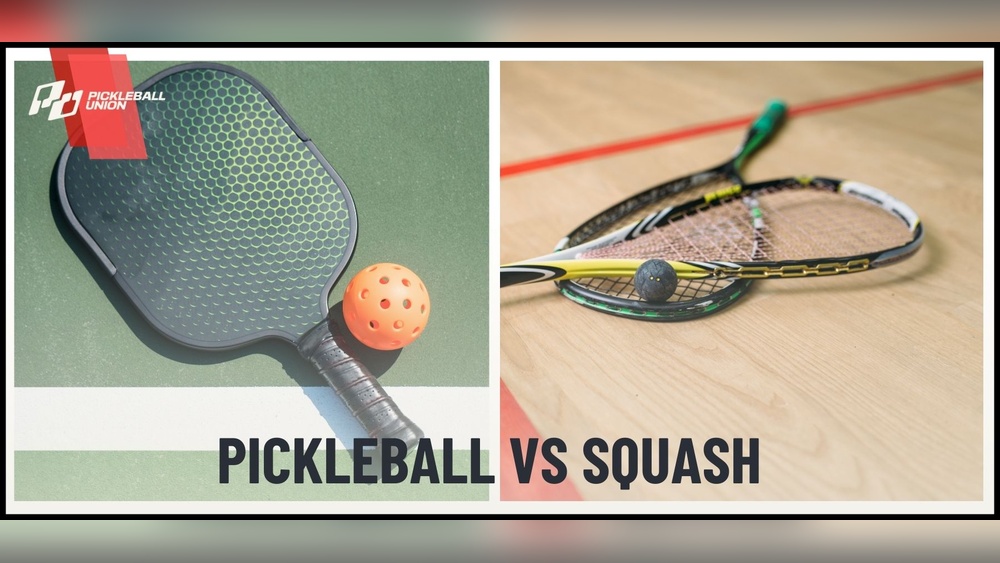
Pickleball and squash are two indoor sports that have captured the attention of athletes and recreational players worldwide. While both games offer fast-paced action and a good workout, they cater to different tastes, skill sets, and physical demands. Choosing between them is not always straightforward, as each sport has its own history, culture, gameplay, and fitness benefits. If you’re curious about how pickleball compares to squash, this in-depth guide will cover every angle—rules, equipment, court differences, skills required, health impact, social aspects, accessibility, and more. By the end, you’ll have a clear understanding to help you pick which sport suits you best, or even why you might want to try both.
Origins And Growth
Pickleball and squash have very different roots, and understanding their backgrounds gives insight into their cultures and popularity.
Pickleball was invented in 1965 on Bainbridge Island, Washington, USA. The game started as a backyard family activity, combining elements from tennis, badminton, and ping pong. Its quirky name comes from the inventor’s dog, Pickles, who loved to chase the ball. Over the past decades, pickleball has exploded in the United States and is now one of the fastest-growing sports, especially among older adults, but also attracting younger players.
Squash traces its origins back to 19th-century England, with early forms played in prestigious schools and clubs. It quickly spread throughout the British Empire, gaining popularity in Commonwealth countries like Egypt, Australia, and India. Squash is now a global sport, with professional tournaments, rankings, and a rich tradition in fitness and competitive intensity.
While pickleball’s growth is more recent and rapid, squash has deep roots and a long-standing legacy in the world of racquet sports.
Court Size And Layout
The physical space where you play has a big impact on the experience, pace, and required skills for both sports.
| Feature | Pickleball Court | Squash Court |
|---|---|---|
| Dimensions | 20 x 44 ft (6.1 x 13.4 m) | 21 x 32 ft (6.4 x 9.75 m) |
| Net Height | 36 in (91.4 cm) at sidelines, 34 in (86.4 cm) in center | No net; play against walls |
| Walls | Open, no walls | Enclosed by 4 walls |
| Floor Surface | Usually outdoor or indoor hard surface | Indoor, smooth hardwood |
Pickleball is often played on outdoor courts or gym floors, sometimes repurposed from tennis or badminton courts. The presence of a net and open space gives it a familiar feel to tennis or badminton players.
Squash, in contrast, takes place inside a four-walled room, with the ball always in play except for rare out-of-bounds shots. The enclosed nature means the game is extremely fast, and the ball can come from any direction, demanding constant awareness.
Non-obvious insight: The wall play in squash creates unique angles and tactics not found in pickleball, while the open court in pickleball emphasizes positioning and net-play strategy.
Equipment Differences
Equipment can be a major factor—both in terms of cost and the skills needed to master each sport.
Rackets And Paddles
- Pickleball Paddle: Solid, lightweight paddles made of composite, wood, or graphite. They’re 15–16 inches long and 7–8 inches wide, with no strings. Weight ranges from 6–9 ounces.
- Squash Racquet: Longer (up to 27 inches), strung like a tennis racquet, but lighter—around 4–6 ounces. The strings and oval shape allow for spin and control.
Balls
- Pickleball Ball: Hard plastic, with holes (like a large whiffle ball). Slower bounce and flight, especially outdoors.
- Squash Ball: Small (about 4 cm), made of rubber. Squash balls have low bounce and get livelier as they warm up.
Shoes And Apparel
Both sports require non-marking indoor shoes with good grip. Squash shoes are especially important because of quick directional changes on the smooth floor. Pickleball shoes can overlap with tennis shoes, but they must provide lateral support.
Cost
Pickleball is generally less expensive to start—basic paddles and balls cost less than a squash racquet and balls. However, joining a squash club may include higher membership fees, while many pickleball courts are public or low-cost.
Non-obvious insight: Squash balls come in different bounce levels (single dot, double dot, etc.) for beginners to pros, something pickleball does not have.
Rules And Scoring
Understanding the basic rules helps you know what to expect before stepping on the court.
Pickleball
- Played as singles or doubles.
- Serve underhand, diagonally, with both feet behind the baseline.
- The ball must bounce once on each side before volleys are allowed (the double-bounce rule).
- No-volley zone (the “kitchen”) near the net where players cannot volley.
- Only the serving side can score points.
- Games are usually played to 11 points (must win by 2).
Squash
- Played as singles or doubles, but singles is much more common.
- Players alternate hitting the ball against the front wall.
- The ball can hit the side or back walls, but must stay below the “out” lines.
- The serve must hit above the service line and land in the opposite service box.
- Points are scored on every rally (point-a-rally scoring).
- Games are typically to 11 points (must win by 2).
Key difference: In squash, the ball can rebound off any wall (except the floor or ceiling), leading to more complex rallies. In pickleball, the ball must always go over the net, and play is more linear.
Gameplay And Pace
Both sports are fast, but their rhythm and movement are quite different.
Pickleball
Pickleball rallies often start slow, with a focus on dinking (soft shots) over the net in the kitchen. The pace can suddenly speed up with hard volleys and quick exchanges at the net. Because the court is smaller than tennis, players cover less ground, but must move quickly for short bursts.
Doubles play is especially popular, making it social and strategic.
Squash
Squash is a non-stop, high-intensity game with continuous rallies. The ball can come off any wall, often at surprising angles and speeds. Players cover every inch of the court, with lunges, sprints, and quick changes of direction. There are almost no pauses; rallies can last a long time and require stamina and agility.
Non-obvious insight: Squash matches can burn more calories per minute than almost any other racket sport due to the constant running and lack of rest between points.
Skills And Physical Demands
The core skills and athletic abilities required vary, and this often determines which sport people find easier or harder to learn.
Pickleball
- Hand-eye coordination is important, but the larger paddle and slower ball make it accessible for beginners.
- Quick reflexes are needed at the net, especially in doubles.
- Footwork is important, but the smaller court means less running.
- Strategy focuses on shot placement, teamwork, and knowing when to attack or defend.
Pickleball is considered low-impact, especially for the knees and hips, making it popular for seniors or those with joint concerns.
Squash
- Endurance and speed are essential, as rallies are long and the ball can change direction instantly.
- Explosive power is needed for sprints and lunges.
- Anticipation and tactical awareness are crucial because the ball can come off any wall, and fakes or deception are common.
- Grip strength and wrist control help with shot variety and spin.
Squash is high-impact and physically demanding. It’s a top choice for those wanting a serious cardio workout and all-around athletic challenge.

Credit: pickleballunion.com
Health And Fitness Benefits
Both sports offer impressive health benefits, but the type and intensity differ.
Pickleball
- Cardio fitness: Good for heart health, especially in singles play.
- Balance and coordination: Developed through dinking and quick volleying.
- Low injury risk: Lower impact on joints and less risk of collision.
- Social connection: Doubles play encourages teamwork and communication.
Pickleball is often recommended for all ages, including older adults, due to its lower physical strain and friendly atmosphere.
Squash
- High-calorie burn: Up to 800–1000 calories per hour for intense matches.
- Full-body workout: Uses legs, core, and upper body.
- Improved agility and reflexes: Constant changes in direction and speed.
- Mental sharpness: Requires focus and quick decision-making.
Squash is ideal for those seeking a hard workout, but beginners should pace themselves to avoid overexertion.
Non-obvious insight: Because squash is played in an enclosed space, the temperature can rise quickly, making hydration and pacing even more important than in most sports.
Learning Curve And Accessibility
How quickly can you start playing, and how easy is it to find places and people to play with?
Pickleball
- Beginner-friendly: Most people can rally within their first session. The rules are simple, and the equipment is forgiving.
- Accessible: Public courts are popping up in parks, schools, and gyms across North America and beyond.
- Community: Many clubs welcome new players and run social events, making it easy to join.
Pickleball’s inclusive culture is a big part of its growth, and it’s common to see multi-generational groups enjoying a game together.
Squash
- Steeper learning curve: Understanding wall angles, court movement, and shot selection takes time.
- Facilities: Courts are often found in gyms, clubs, or universities. Access can be limited in rural areas or countries where squash is less popular.
- Coaching: Many beginners take lessons to learn safe movement and proper technique, which helps prevent injuries.
Squash is welcoming, but the intensity and skill gap can be intimidating for new players without guidance.
Non-obvious insight: Squash clubs often have a strong social scene, but the competitive nature can make it harder for absolute beginners to find matches at their level compared to pickleball.
Credit: signaturehealthcare.org
Social And Competitive Scene
Both sports offer opportunities for fun, social play, and serious competition.
Pickleball
Pickleball is famous for its open, community spirit. Most courts have a “drop-in” culture, where players rotate in and out, mixing skill levels and encouraging new friendships. Tournaments are growing fast, with local, regional, and national events. Some players travel to “pickleball festivals” for days of games and social activities.
Squash
Squash has a long history of club leagues and ladders, from friendly matches to serious tournaments. The sport has a professional circuit, with televised matches and international stars. Because it’s usually played indoors, squash is a year-round sport in most countries.
While squash has its own welcoming community, the scene can feel more formal or competitive, especially in private clubs.
Non-obvious insight: The “let” rule in squash allows players to replay points if there’s a safety issue, which encourages respect and sportsmanship despite the fast pace.
Injuries And Safety
Injuries can happen in any sport, but the risks and common problems are different in pickleball and squash.
Pickleball
- Common injuries: Sprained ankles, shoulder strains, and wrist injuries from falls or awkward shots.
- Prevention: Good shoes, proper warm-up, and learning safe footwork help reduce risks.
- Low-impact: Less jumping and fewer collisions compared to tennis or squash.
Squash
- Common injuries: Muscle strains, Achilles tendon problems, and eye injuries (from the fast, small ball).
- Prevention: Protective eyewear is strongly recommended and sometimes required. Stretching and gradual training are important.
- High-impact: Fast movements and confined space increase risk of collision or sudden stops.
Non-obvious insight: Because squash is played in a small, enclosed area, communication with your opponent is crucial for safety—especially in doubles.
Climate And Where You Can Play
Pickleball
- Indoor and outdoor: Played in parks, gyms, schoolyards, and purpose-built facilities.
- Weather impact: Outdoor play is affected by rain, wind, or extreme heat. Indoor courts solve this problem but may be limited in some areas.
Squash
- Always indoor: Weather is never a factor, making squash a reliable, year-round option.
- Facility access: Requires a dedicated court, which can limit availability outside major cities or clubs.
If you live in a place with harsh winters or hot summers, squash guarantees consistent play. Pickleball offers more flexibility but depends on your local facilities and climate.
Which Sport Is Right For You?
Making the right choice depends on your preferences, fitness goals, and community.
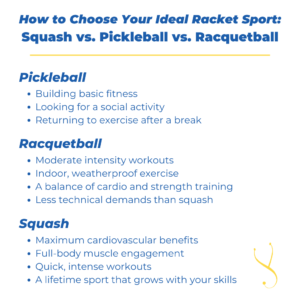
Choose pickleball if:
- You want a social, easy-to-learn sport.
- You’re looking for lower impact on your joints.
- You value outdoor play or casual games with friends and family.
- You like quick, fun doubles matches.
Pick squash if:
- You’re seeking a full-body, high-intensity workout.
- You enjoy fast-paced, tactical games.
- You want a sport you can play year-round, regardless of weather.
- You’re comfortable with a steeper learning curve and more competitive culture.
Many players enjoy both sports for different reasons—pickleball for social fun and squash for fitness and challenge.

Credit: pickleballrules.co.uk
Head-to-head: Main Differences At A Glance
To help you compare quickly, here’s a summary table of the main differences:
| Aspect | Pickleball | Squash |
|---|---|---|
| Origin | USA, 1965 | England, 1800s |
| Playing Area | Open court with net | Enclosed court with walls |
| Scoring System | Only server scores | Rally point scoring |
| Physical Demand | Moderate, low impact | High, intense cardio |
| Learning Curve | Beginner-friendly | Steep, technical |
| Social Scene | Open, welcoming | Club-based, competitive |
| Injury Risk | Low to moderate | Moderate to high |
Professional Play And Recognition
While both sports have professional circuits, their global recognition and media coverage differ.
Squash has a long-established professional scene, with the Professional Squash Association (PSA) running major events worldwide. The sport has been considered for the Olympics several times, but has not yet been included. Squash is especially popular in countries like Egypt, where many of the world’s top players come from.
Pickleball’s professional level is newer but growing quickly. The USA Pickleball Association (USAPA) and other organizations now run pro tournaments with prize money and media coverage. The sport’s rapid growth has led to hope for eventual Olympic inclusion.
Non-obvious insight: Pickleball’s explosive growth means it’s being adopted by schools and colleges as a PE sport, which could fuel even greater popularity in the coming years.
Environment And Culture
Pickleball
The atmosphere is casual, friendly, and often noisy with laughter and socializing. Beginners are welcomed, and many games are less about winning and more about participation.
Squash
Clubs can range from casual to exclusive. The culture values tradition, etiquette, and competitive spirit. There is a strong emphasis on improvement, technique, and sportsmanship.
Environmental Impact
A less-considered but interesting aspect is the environmental footprint.
- Pickleball courts are often repurposed from existing tennis or badminton courts, which means less new construction. The equipment lasts a long time, and balls are recyclable in some areas.
- Squash courts require specific building designs, ventilation, and lighting, which can make them more resource-intensive to construct and maintain.
Gender And Age Inclusivity
Both sports are played by all ages and genders, but with some differences.
- Pickleball has a balanced gender split, and is especially popular among seniors. It’s common to see mixed doubles and multi-generational games.
- Squash has more male players at the competitive level, but women’s squash is growing. Juniors often start young, and there are divisions for all ages.
Accessibility For People With Disabilities
Pickleball has adaptive versions, such as wheelchair pickleball, making it more accessible for a wide range of abilities. Squash is less commonly adapted, but there are efforts to make it more inclusive.
Getting Started: Practical Tips
If you’re inspired to try either sport, here’s how to begin:
- Pickleball: Look for local parks or recreation centers. Most offer beginner lessons or social play. Borrow a paddle before buying one.
- Squash: Find a nearby club or gym. Book an intro lesson to learn the basics and safety rules. Wear proper shoes and consider protective eyewear.
Many communities have Facebook groups or websites for finding partners and events.
For more details on both sports’ histories, rules, and organizations, check the Racquet Sport Wikipedia page.
Frequently Asked Questions
What Is The Main Difference Between Pickleball And Squash?
The biggest difference is the playing area—pickleball is played on an open court with a net, while squash is played inside a four-walled room where the ball can rebound off any wall. This makes squash more intense and complex, while pickleball is more accessible and social.
Which Sport Burns More Calories: Pickleball Or Squash?
Squash generally burns more calories per hour (up to 1000) due to its non-stop, high-intensity rallies. Pickleball is still a great workout but is lower impact and less physically demanding.
Is Pickleball Or Squash Better For Beginners?
Pickleball is usually easier for beginners. The rules are simple, the ball is easier to hit, and it’s less physically intense. Squash takes more time to master due to the wall play and faster pace.
Can You Play Pickleball And Squash Year-round?
Squash can always be played year-round because it’s indoors. Pickleball can be played year-round if you have access to indoor courts; outdoor play depends on weather.
Are There Professional Leagues For Both Sports?
Yes, both sports have professional circuits. Squash has a longer history with established international tournaments. Pickleball’s pro scene is newer but growing quickly, especially in North America.
Pickleball and squash each offer unique experiences, health benefits, and communities. Whether you’re looking for a friendly social sport or a challenging workout, both have something valuable to offer. Trying each one firsthand is the best way to discover which suits your personality and goals.