
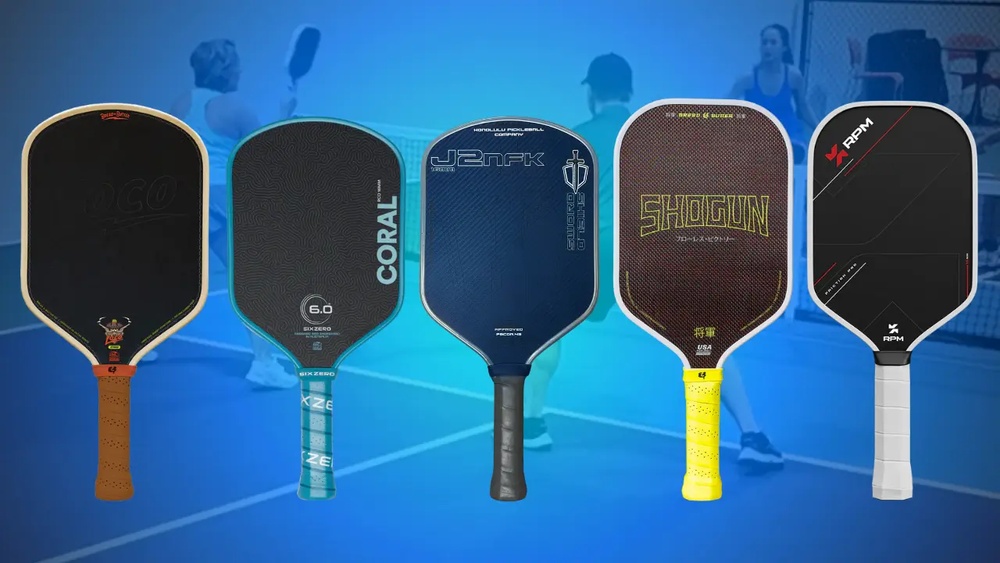
Pickleball has seen explosive growth in recent years, with more people than ever picking up paddles and heading to the courts. As the sport grows, so does the technology behind the equipment. One of the most debated topics among players is the choice between Kevlar and Titanium pickleball paddles. Both materials promise top-level performance, but they offer very different playing experiences. If you’re trying to decide which paddle is right for you, understanding the differences—and what they mean for your game—is key.
Below, we’ll dive deep into Kevlar and Titanium paddles, covering their history, design, performance, durability, cost, and user feedback. By the end, you’ll have a clear sense of which material matches your playing style and goals.
What Makes A Pickleball Paddle Material Important?
Your paddle is the most important piece of equipment in pickleball. The material determines:
- Weight
- Power
- Control
- Durability
- Feel
Even small changes in the paddle’s core or surface can change your game. Advanced players often notice these differences quickly, but even beginners can benefit from understanding how materials affect performance.
Understanding Kevlar And Titanium In Pickleball
What Is Kevlar?
Kevlar is a synthetic fiber first created by DuPont in 1965. It is famous for its strength and is used in bulletproof vests, racing sails, and high-performance sports gear. In paddles, Kevlar is woven into the paddle’s face or sometimes used in the core.
What Is Titanium?
Titanium is a lightweight metal known for its high strength-to-weight ratio. It’s used in aircraft, medical implants, and high-end sports equipment. In pickleball paddles, titanium is usually a thin layer on the paddle’s surface or as reinforcement inside.
Why Not Just Use One Material?
No single material is perfect. Each has trade-offs in weight, power, touch, and price. Most modern paddles use a combination of materials to balance these factors. Kevlar and titanium are both used to push performance further, but in different ways.
Kevlar Pickleball Paddles: Strengths And Weaknesses
Kevlar paddles are popular among advanced players who value control and durability. Here’s what you need to know.
Strengths Of Kevlar
- Extreme Durability: Kevlar is resistant to impact, scratches, and cracking. A well-made Kevlar paddle can last for years, even with heavy use.
- Vibration Dampening: The fibers absorb shock, which reduces vibration in your arm. This is helpful for players with elbow or wrist issues.
- Excellent Control: Kevlar paddles provide a soft, responsive touch. This helps with dinking, drop shots, and finesse plays.
- Consistent Performance: Kevlar faces keep their feel over time. Some other materials lose their pop or become dead spots, but Kevlar holds up.
Weaknesses Of Kevlar
- Heavier Weight: Kevlar paddles tend to be heavier than graphite or composite paddles. This can slow your reaction time at the net.
- Less Power: The soft feel that helps with control can make it harder to generate power, especially on hard drives or smashes.
- Cost: High-quality Kevlar paddles are expensive due to the cost of the material and production.
- Sound: Some players dislike the muted “thud” sound Kevlar paddles make compared to the “pop” of harder surfaces.
Who Should Use Kevlar?
- Players who want maximum control and finesse
- Those with arm injuries who need vibration dampening
- Competitive players who play often and need a paddle that lasts
Titanium Pickleball Paddles: Strengths And Weaknesses
Titanium paddles are designed for players who want a combination of power and durability. Their unique feel sets them apart from other advanced paddles.
Strengths Of Titanium
- High Strength-to-Weight Ratio: Titanium is strong but light, allowing for quicker swings and faster reactions at the net.
- Powerful Shots: The firm surface gives extra “pop” to your drives and smashes, making it easier to push opponents back.
- Long-Lasting: Titanium resists dents, warping, and breakage. It handles tough play and accidental drops well.
- Unique Feel: Titanium offers a crisp, lively response that many players enjoy, especially in doubles where quick exchanges are common.
Weaknesses Of Titanium
- Less Vibration Dampening: Titanium does not absorb shock as well as Kevlar. Some players feel more vibration, which can lead to discomfort.
- Harder to Control: The extra power can make it harder to keep shots soft and accurate, especially for beginners.
- Price: Like Kevlar, titanium is expensive, and paddles using real titanium are often premium products.
- Limited Options: Fewer manufacturers make true titanium paddles, so choices are more limited.
Who Should Use Titanium?
- Players who want more power and speed
- Advanced players who can control a lively paddle
- Those who need a lightweight but strong paddle for fast play
Credit: www.picklemadness.com
Kevlar Vs Titanium: Head-to-head Comparison
To make the differences clear, let’s compare Kevlar and Titanium paddles across the features that matter most.
| Feature | Kevlar Paddle | Titanium Paddle |
|---|---|---|
| Weight | Medium to Heavy | Light to Medium |
| Power | Moderate | High |
| Control | Excellent | Good |
| Durability | Very High | Very High |
| Vibration Dampening | High | Low to Moderate |
| Price | High | High |
| Availability | Wide | Limited |
How Kevlar And Titanium Affect Your Game
Choosing between Kevlar and Titanium is not just about specs. It’s about how each paddle changes your play style.
Control Vs Power
- Kevlar shines when you need to place the ball precisely. Dinking, soft volleys, and drop shots are easier. You get more feedback from the ball, helping you adjust your touch.
- Titanium excels at power. If you like to attack, drive, and put pressure on your opponents, titanium helps you hit harder with less effort.
Speed And Reaction
- Titanium’s light weight means you can react faster, especially at the net.
- Kevlar’s extra weight can slow you down in quick exchanges but helps with stability on blocks.
Arm Comfort
- Kevlar’s shock absorption is a real benefit for players who feel pain after long sessions.
- Titanium’s stiffness sends more vibration to your hand and arm, which can be tiring if you’re sensitive to it.
Sound And Feel
- Kevlar has a quiet, muted sound and a soft feel. Some players love the feedback; others find it dull.
- Titanium makes a sharper sound and feels more springy or crisp.
Real-world Examples And Case Studies
Many top players experiment with advanced materials. For example, in 2022, several pro-level tournaments saw players using Kevlar paddles for better net control. In contrast, aggressive singles players have chosen titanium-faced paddles for more powerful serves and passing shots.
One amateur player, Jane (4. 0 level), switched to a Kevlar paddle after elbow pain with her old paddle. She found her control improved, and her pain decreased. On the other hand, Mark, a 4. 5 player, moved to a titanium paddle for doubles.
He noticed his reaction time improved, and he could win more quick exchanges at the kitchen line.
Non-obvious insight: Some players mix and match, using a Kevlar paddle for singles (where control matters more) and titanium for doubles (where speed and power help in fast exchanges).
Durability And Maintenance
Both Kevlar and Titanium paddles last longer than most composite or graphite paddles, but their care is different.
Kevlar Paddle Maintenance
- Kevlar faces can fray if scraped on rough courts, but they rarely crack.
- Clean with a damp cloth—avoid harsh chemicals.
- Store away from direct sunlight to prevent material breakdown.
Titanium Paddle Maintenance
- Titanium faces resist dents but can scratch if hit against metal fences or objects.
- Clean with water and a soft cloth.
- Check for loose edges, as sometimes the titanium layer can separate from the core.
How Long Do They Last?
A well-cared-for Kevlar or Titanium paddle can last 2–3 years for frequent players, much longer for casual users. Some advanced players replace paddles yearly for top performance, but most users will get several seasons.

Credit: www.youtube.com
Cost And Value
Both Kevlar and Titanium paddles sit at the top end of the price range. Expect to pay between $120 and $250 for a quality model. Cheaper options may use only a small amount of Kevlar or Titanium as marketing, so always check the specs.
| Material | Average Price Range (USD) | Typical Warranty |
|---|---|---|
| Kevlar | $140 – $220 | 6 months – 1 year |
| Titanium | $160 – $250 | 6 months – 1 year |
Non-obvious insight: Don’t judge a paddle by price alone. Some brands mix Kevlar or Titanium with cheaper materials to lower costs. Always look for detailed specs and real user reviews.
Choosing The Right Paddle For Your Game
With all the data above, how do you actually choose? Here are some practical steps:
- Assess Your Play Style
- Do you rely on touch and accuracy? Kevlar might be for you.
- Prefer aggressive shots and fast reflexes? Consider Titanium.
- Try Before You Buy
- Demo both types if possible. Many shops and clubs have loaner paddles.
- Think About Arm Health
- If you have tennis elbow or wrist issues, Kevlar’s shock absorption can help.
- Consider Your Budget
- Both are investments. If price is a concern, look for last year’s models or used paddles in good condition.
- Check the Rules
- Make sure your chosen paddle is USAPA-approved for tournament play. Both Kevlar and Titanium can pass, but check the latest list.
- Ask Other Players
- Talk to experienced players with similar styles. Their feedback is often more valuable than marketing claims.
Common Myths About Kevlar And Titanium Paddles
Myth 1: Titanium Paddles Are Always Lighter
Not true. While titanium can be made light, the overall paddle weight depends on the core and handle too. Some titanium paddles are heavier than Kevlar models.
Myth 2: Kevlar Paddles Are Indestructible
Kevlar is tough, but it can still wear down, especially at the edges. Avoid hitting the ground or fence.
Myth 3: You Can’t Get Power From Kevlar
With the right technique, you can generate plenty of power. It just requires more effort than with titanium.
Myth 4: Titanium Is Too Expensive For Most Players
While high-end titanium paddles are pricey, the extra durability may save money over time compared to replacing cheaper paddles more often.
Environmental Impact
Both Kevlar and Titanium are high-tech materials. Kevlar production is energy-intensive, and recycling is difficult. Titanium mining also has environmental costs, though titanium is more recyclable than Kevlar. If sustainability is important to you, ask manufacturers about their sourcing and recycling policies.
Popular Kevlar And Titanium Pickleball Paddle Brands
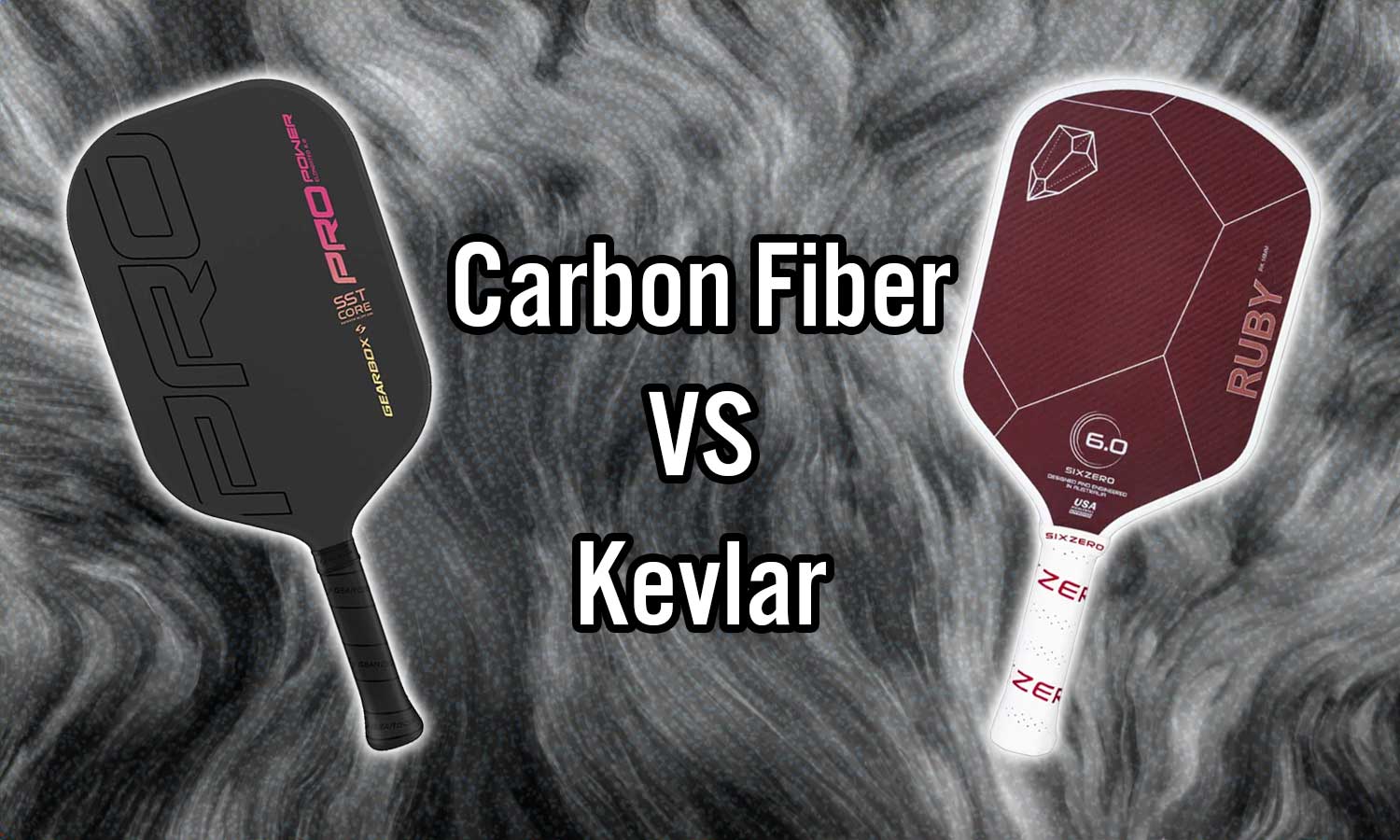
Some top brands for Kevlar paddles include Selkirk, ProKennex, and Paddletek. For Titanium, Gearbox and Engage are common choices, though options are more limited.
Always check if the paddle contains a true Kevlar or Titanium face, not just a small strip or coating.
The Future Of Paddle Technology
Manufacturers are experimenting with blends—mixing Kevlar, Titanium, carbon fiber, and even new materials like aramid composites. Expect to see more hybrid paddles in the future, aiming to offer the best of both worlds.

Credit: www.youtube.com
Final Thoughts
The choice between a Kevlar and a Titanium pickleball paddle comes down to your style, needs, and preferences. Kevlar offers unmatched control, shock absorption, and durability for those who value touch and comfort. Titanium delivers power, speed, and a lively feel for aggressive, fast-paced play.
If you’re not sure, demoing both is the best way to decide. Remember, the best paddle is the one that feels right in your hand and helps you play your best game.
For more in-depth information about these materials, you can check the official Wikipedia page on pickleball.
Frequently Asked Questions
What Is The Main Difference Between Kevlar And Titanium Pickleball Paddles?
The main difference is in feel and performance. Kevlar paddles focus on control and vibration dampening, making them softer and more comfortable, especially for players with arm issues. Titanium paddles are lighter and give more power, with a crisp, lively response.
Are Kevlar Or Titanium Paddles Better For Beginners?
Most beginners do better with Kevlar because of the extra control and shock absorption. Titanium paddles can be harder to handle due to their power and faster response, but some athletic beginners may prefer them.
Do Kevlar Or Titanium Paddles Last Longer?
Both are very durable, but the way you care for the paddle matters more. Kevlar is tough against impact and cracking, while titanium resists dents and bending. Most players will get several years from either with proper care.
Why Are Kevlar And Titanium Paddles So Expensive?
The high cost comes from the price of the raw materials, advanced manufacturing processes, and their use in high-end paddles. Also, these paddles target serious players who are willing to invest in top gear.
Can I Use Kevlar Or Titanium Paddles In Tournaments?
Yes, as long as the paddle is USAPA-approved. Always check the latest list to make sure your paddle is legal for competition.
Choosing between Kevlar and Titanium is a personal decision. Knowing the facts will help you pick the best paddle for your needs and enjoy every match you play.