
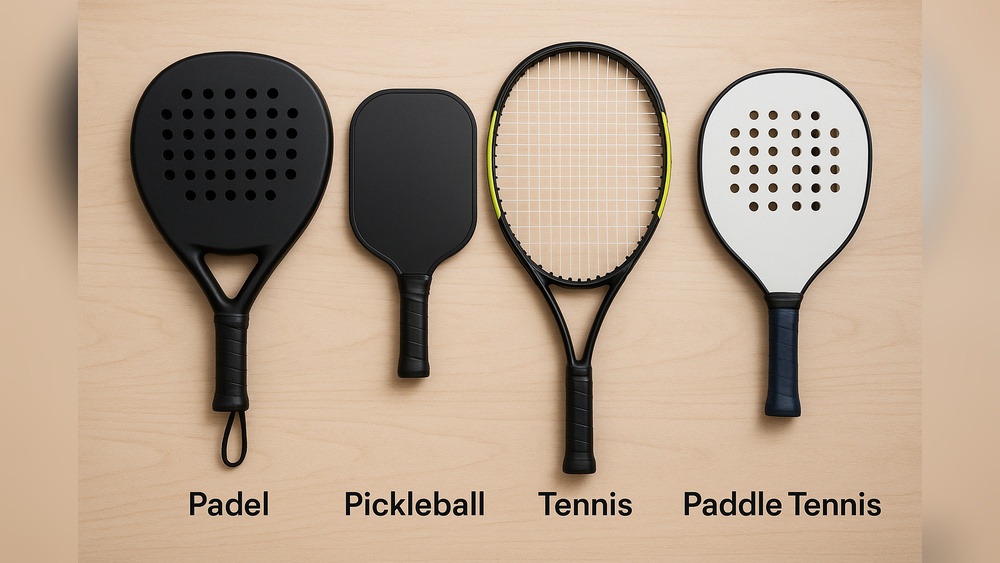
Are you trying to decide between a pickleball paddle and a tennis racket? Choosing the right equipment can make a huge difference in how you play and enjoy the game.
Whether you’re a beginner or looking to switch things up, understanding the key differences will help you play smarter and feel more confident on the court. Keep reading to discover which option fits your style, skills, and goals best. Your perfect match is just a few clicks away!
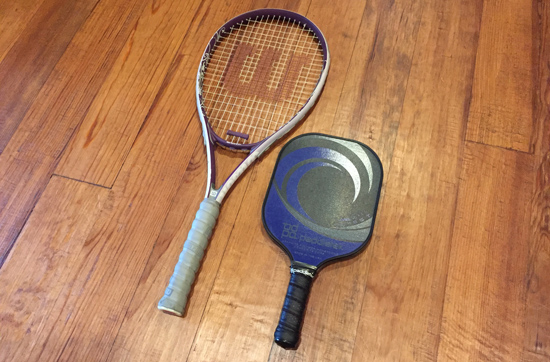
Credit: pickleballkitchen.com
Gear Basics
Both pickleball paddles and tennis rackets are essential for their sports. They look different and work differently. Knowing the key features helps you choose the right gear.
Each piece of equipment suits the style and rules of its game. Understanding these basics improves your play and enjoyment.
Pickleball Paddle Features
Pickleball paddles are smaller and lighter than tennis rackets. They have a solid surface without strings. Most paddles use materials like wood, composite, or graphite.
The paddle face is flat and smooth. It helps control the ball’s direction and speed. Handles are short and easy to grip. This allows quick wrist movement for fast shots.
Paddles come in different sizes and weights. Lighter paddles give more speed. Heavier paddles provide more power and stability.
Tennis Racket Design
Tennis rackets are larger and have a stringed hitting area. The strings create a net that hits the ball with power and spin. Frames are usually made from graphite or metal.
The racket has a long handle for two-handed or one-handed grips. The size of the head affects control and power. Bigger heads give a larger sweet spot.
Tennis rackets vary in weight and balance. Heavier rackets offer more power but less maneuverability. Lighter rackets are easier to swing but may offer less control.
Material Differences
The materials used in pickleball paddles and tennis rackets differ greatly. These differences affect how each tool feels and performs during play. Understanding the materials helps players choose the right equipment for their sport.
Paddle Materials
Pickleball paddles usually have a core made of polymer, aluminum, or Nomex. The surface often uses composite or graphite. Polymer cores offer good control and less noise. Aluminum cores provide a firmer feel. Nomex cores are lightweight and strong. Graphite surfaces give more power and speed. Composite surfaces balance control and power. Paddle materials focus on light weight and durability for quick movements.
Racket Materials
Tennis rackets often use graphite, carbon fiber, or aluminum frames. Graphite is popular for its light weight and strength. Carbon fiber adds stiffness and power. Aluminum rackets are heavier but cheaper. Strings are made of nylon, polyester, or natural gut. Nylon strings provide comfort and control. Polyester strings offer durability and spin. Natural gut strings give excellent feel and power. Racket materials aim for strength, power, and control during long matches.
Size And Weight Comparison
Size and weight play a big role in how players use their equipment. Pickleball paddles and tennis rackets differ in these aspects. These differences affect control, power, and comfort during play.
Paddle Dimensions
Pickleball paddles are smaller than tennis rackets. They usually measure about 15 to 17 inches long. The width is around 7 to 8 inches. This compact size helps players make quick moves. The paddle surface is solid, which helps control the ball better.
Racket Dimensions
Tennis rackets are much larger. They often measure 27 inches in length. The head width can be up to 12 inches. This large size helps generate more power. The strings also add bounce and speed to the ball. The bigger frame requires more arm strength to handle.
Performance On Court
Performance on court varies greatly between pickleball paddles and tennis rackets. Each tool offers different benefits that affect how you play. Understanding these differences helps you choose the right gear for your play style. The feel, control, and power of each can change your experience on the court.
Control And Precision
Pickleball paddles are smaller and lighter than tennis rackets. This design allows for quicker, more precise movements. Players can easily place the ball exactly where they want. The paddle’s solid face helps in controlling the ball’s direction.
Tennis rackets are larger and heavier. They offer less wrist control but help cover more court area. The strings provide flexibility, helping guide the ball with accuracy. Precision depends on player skill and racket tension.
Power And Spin
Tennis rackets generate more power due to their size and string tension. Players can hit the ball harder and farther. The strings also allow for more spin. Spin helps in changing the ball’s path and bounce.
Pickleball paddles offer less power but more control. Spin is limited due to the paddle’s solid surface. Power comes from quick swings and close net play. This makes the game fast and strategic.
Player Experience
The player experience differs greatly between pickleball paddles and tennis rackets. Each tool offers unique feelings during play. These differences affect how comfortable and safe players feel on the court.
Comfort And Handling
Pickleball paddles are smaller and lighter than tennis rackets. This makes them easier to hold and swing for many players. The grip size on pickleball paddles is shorter, fitting well in one hand. Tennis rackets have longer handles and wider heads. They provide more reach but may feel heavier. Players often find pickleball paddles less tiring over long periods. Tennis rackets demand more arm strength and control. Handling varies with player skill and preference.
Injury Risks
Pickleball puts less stress on the arm and shoulder than tennis. The lighter paddle weight reduces strain during quick movements. Tennis players face higher risks of tennis elbow and shoulder pain. The larger racket head and heavier frame create more impact. Repeated hard swings add to injury chances. Pickleball’s slower pace and softer hits lower injury risks. Proper technique and warm-up are important for both sports. Choosing the right equipment can help prevent injuries.

Credit: www.pickleballrush.com
Cost And Durability
Cost and durability play a big role when choosing between a pickleball paddle and a tennis racket. Both tools need to last long and fit your budget. Understanding their price ranges and how long they last helps in making the right choice.
Price Ranges
Pickleball paddles usually cost less than tennis rackets. Basic paddles can start as low as $20. High-end paddles may go up to $150. Tennis rackets often start around $50. Professional rackets can reach $300 or more. The price depends on materials and brand.
Lifespan And Maintenance
Pickleball paddles tend to wear out faster than tennis rackets. They face constant hits on hard surfaces. Most paddles last about 1 to 3 years with regular use. Tennis rackets can last 3 to 5 years or longer. Racket strings may break and need restringing. Paddles require less maintenance but can chip or crack. Proper care extends the life of both tools.
Choosing The Right Gear
Choosing the right gear is key for enjoying pickleball or tennis. The paddle or racket you pick affects your play and comfort. Each sport has unique equipment made for its style and rules. Understanding these differences helps you play better and avoid injury.
Think about your skill level and how you play. These factors guide your choice. The right gear matches your needs and helps improve your game over time.
Skill Level Considerations
Beginners benefit from lighter paddles or rackets. Light gear is easier to handle and control. It reduces arm strain during long play sessions. Advanced players may choose heavier options for power. Weight affects swing speed and shot accuracy. Select gear that feels comfortable and suits your strength.
Playing Style Impact
Your playing style shapes your gear choice. Offensive players often prefer paddles or rackets with more power. Defensive players look for control and precision. Pickleball paddles vary in size and grip to match styles. Tennis rackets offer different string tensions and head sizes. Gear that fits your style boosts confidence and performance.
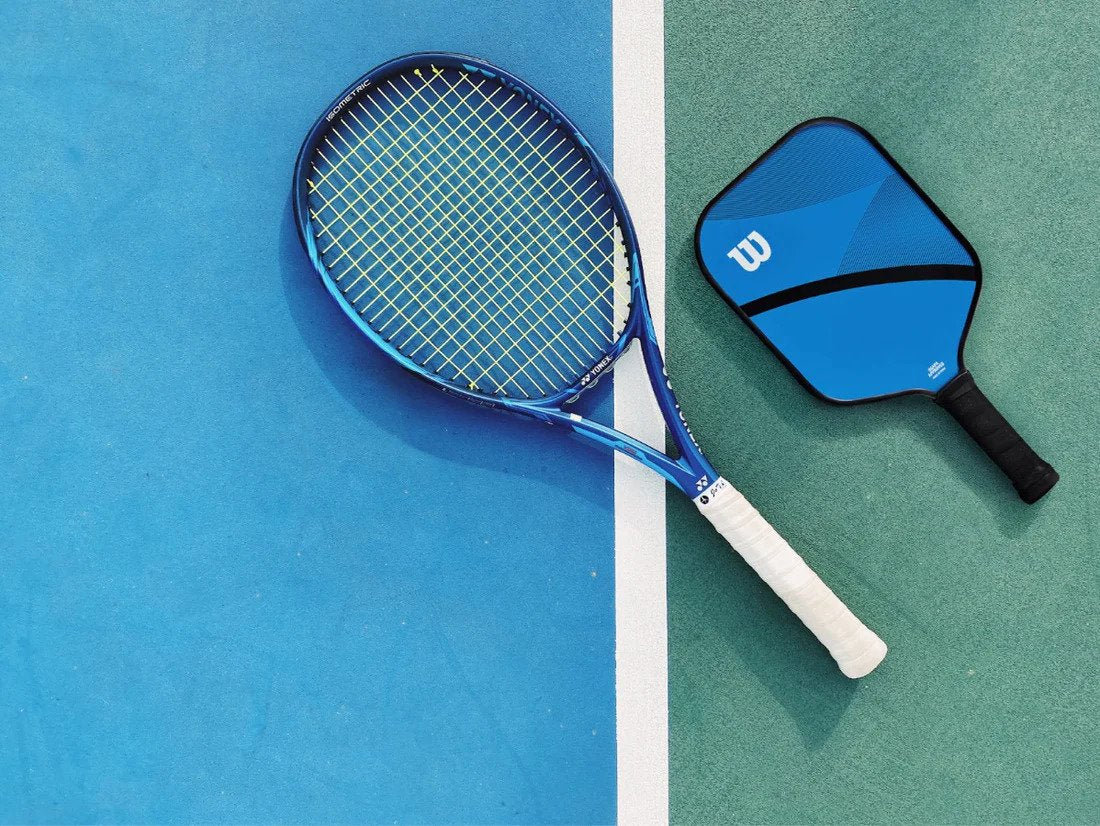
Credit: www.shopdoubletake.com
Frequently Asked Questions
What Are The Main Differences Between Pickleball Paddles And Tennis Rackets?
Pickleball paddles are smaller, lighter, and solid, designed for quick reactions. Tennis rackets are larger, heavier, and strung for power and spin. Each suits its sport’s court size and play style, making them not interchangeable.
Can You Use A Tennis Racket For Pickleball?
No, tennis rackets are too large and heavy for pickleball. Using them affects control and speed. Pickleball paddles are specifically made for the game’s fast, precise shots on a smaller court.
How Does Paddle Weight Affect Pickleball Gameplay?
Lighter paddles offer better maneuverability and faster swings. Heavier paddles provide more power but can tire your arm faster. Choosing the right weight improves control and comfort during play.
Why Are Pickleball Paddles Smaller Than Tennis Rackets?
Pickleball paddles are smaller to match the sport’s faster, shorter court and quick volleying style. Their size allows for better control and rapid reaction, unlike tennis rackets, which cover larger court areas with powerful strokes.
Conclusion
Choosing between a pickleball paddle and a tennis racket depends on your sport. Each has a unique design for different play styles. Pickleball paddles are smaller and lighter for quick moves. Tennis rackets are bigger, made for powerful hits. Both offer fun and exercise but suit different needs.
Think about what game you enjoy more. Try both if you can. Your choice will help you play better and enjoy the sport fully. Simple gear, big difference.