
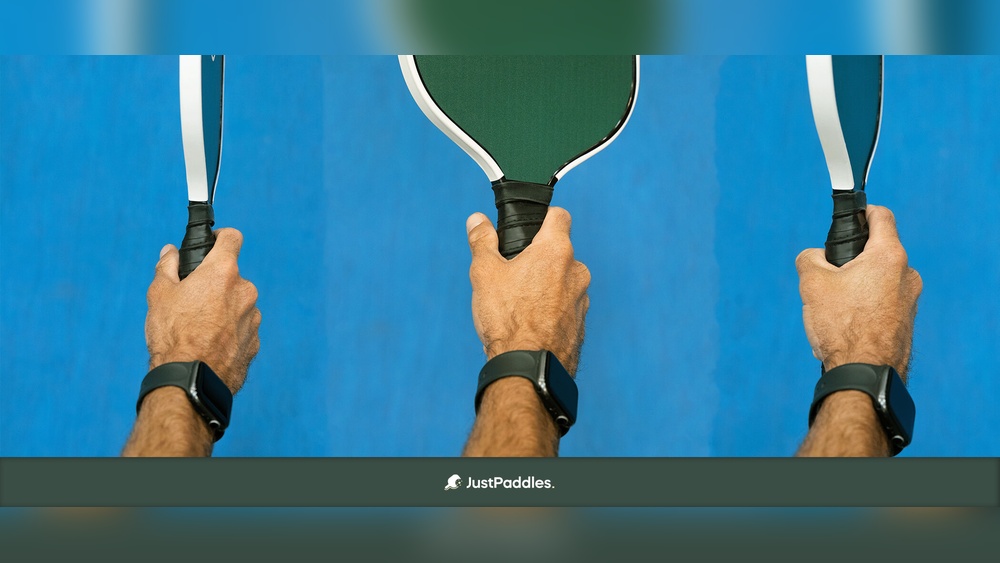
Pickleball has exploded in popularity around the world, attracting players of all ages and skill levels. One thing that surprises many beginners is how much the way you hold the paddle—your grip—affects your performance. Two of the most common grips are the Eastern grip and the Continental grip. Understanding the difference between these two can completely change your game, from how you hit the ball to how you defend and attack. If you want to play smarter and win more points, it’s important to know how each grip works, their strengths and weaknesses, and when to use them.
What Is A Pickleball Grip?
A pickleball grip is how you hold the paddle handle in your hand. It’s the foundation of every shot you make. Even small changes in grip can affect the angle, power, and control of your shots. In pickleball, the most common grips are the Eastern, Continental, and Western. This article focuses on the two most popular: Eastern and Continental. These two are often recommended for beginners and advanced players alike, but they serve different purposes on the court.
Grips matter because they control your paddle face. This decides if you send the ball high or low, add spin, or keep the ball flat. If you grip the paddle wrong, your shots may be weak, go off target, or even cause wrist pain over time.
The Eastern Grip: Classic And Versatile
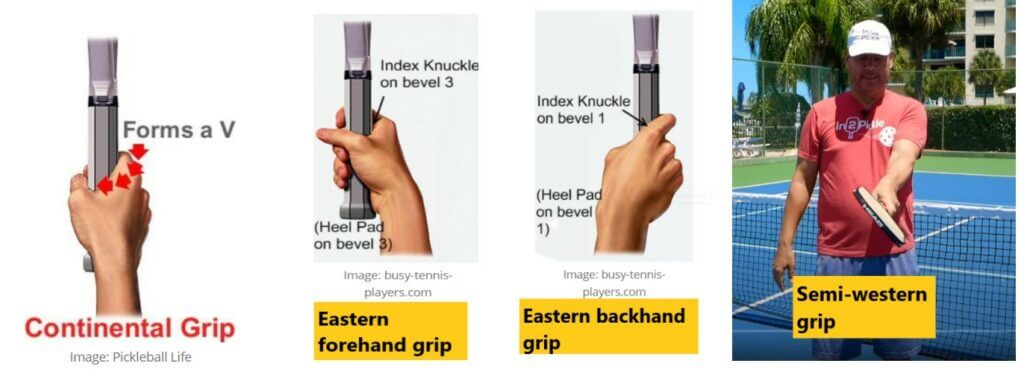
The Eastern grip is often called the “handshake grip.” Imagine you’re shaking hands with your paddle—your palm is flat on the handle, and your thumb wraps around comfortably. This grip feels natural for most people, especially those who have played tennis before.
To use the Eastern grip:
- Hold the paddle in your non-dominant hand so the face is perpendicular to the ground.
- Place your playing hand on the handle as if you’re shaking hands with it.
- Make sure your index finger and thumb form a “V” shape that points toward the edge of the paddle.
Why Do Players Love The Eastern Grip?
- Balanced for All Shots: The Eastern grip allows you to hit both forehands and backhands without changing your grip. You can quickly block, volley, or drive the ball.
- Natural Power: Since your palm is behind the paddle face, it’s easier to generate solid, straight shots.
- Quick Reaction: At the net, you can react fast because your grip is already ready for most shots.
- Easier for Beginners: Most new players find this grip comfortable and intuitive.
Eastern Grip: Key Benefits
- Consistency: You don’t need to switch grips between forehand and backhand. This means fewer mistakes and faster reactions.
- Control: It’s easy to direct the ball and keep your shots low over the net.
- Comfort: The handshake position reduces wrist strain and feels natural for long games.
Eastern Grip: Weaknesses
- Spin Limitations: It’s harder to add topspin or slice compared to other grips.
- Dinking Short Balls: Some players find it less effective for soft touch shots near the net.
- Aggressive Angles: Not ideal for extreme cross-court shots or sharp angles.
The Continental Grip: The All-court Specialist
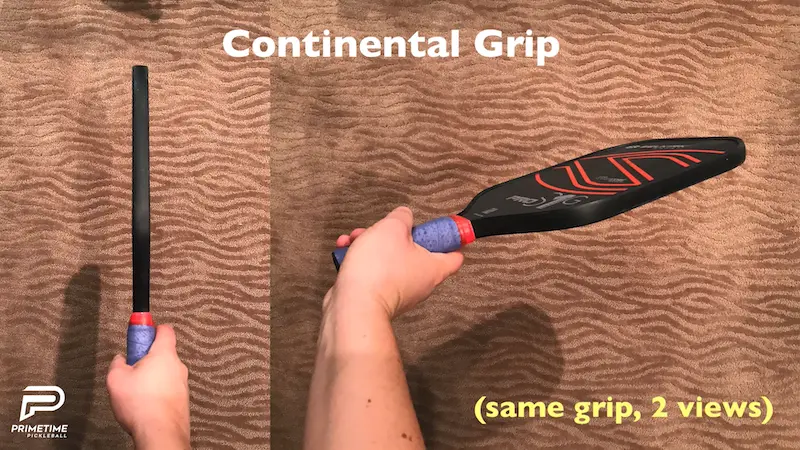
The Continental grip is a favorite among advanced players, especially those with a background in tennis. To find this grip, hold your paddle so the face is parallel to the ground. Place the base knuckle of your index finger on the top right edge (for right-handers). Your hand should look as if you’re holding a hammer.
How To Hold The Continental Grip
- Lay the paddle flat in your non-dominant hand.
- Put the bottom knuckle of your index finger on the top edge of the handle.
- Wrap the rest of your fingers around the grip, like holding a hammer or shaking hands from the top.
Continental Grip: Main Strengths
- Great for Defense: This grip makes it easy to block powerful shots and reset the point.
- Fast Transitions: You can quickly switch from defense to attack without changing grip.
- Spin: It’s easier to add backspin or underspin, useful for drop shots and dinks.
- Versatility: Works well for volleys, serves, and fast exchanges at the kitchen line.
Continental Grip: Weaknesses
- Forehand Power: It’s harder to generate strong, flat forehand drives.
- Less Natural for Beginners: The grip can feel awkward at first, especially for those new to racket sports.
- Backhand Limitation: Some players struggle to hit topspin backhands with the Continental grip.
Key Differences: Eastern Vs Continental Grip
Understanding the exact differences between these grips helps you make smarter decisions on the court. Here’s a comparison to see how they stack up in real play.
| Feature | Eastern Grip | Continental Grip |
|---|---|---|
| Hand Position | Handshake position (side of grip) | Hammer position (top of grip) |
| Forehand Power | Strong and natural | Requires adjustment, less natural |
| Backhand Power | Good for basic backhands | Excellent for blocks and slices |
| Spin Shots | More difficult to create spin | Easier to add slice or underspin |
| Transition Speed | Quick, easy to switch sides | Very fast for defense and volleys |
| Learning Curve | Easy for beginners | Harder to learn at first |
| Best For | All-around play, beginners | Net play, defense, advanced tactics |
When To Use Eastern Vs Continental Grip
There’s no “one size fits all” in pickleball. The right grip often depends on your playing style, strengths, and court position.
Eastern Grip: When To Use
- Baseline rallies: If you play from the back of the court, the Eastern grip helps you hit consistent forehands and backhands.
- Driving Shots: For flat, powerful drives, this grip keeps your paddle steady.
- Learning the Game: Beginners can focus on technique without worrying about switching grips.
Continental Grip: When To Use
- Volleys at the Kitchen Line: It excels in fast exchanges and quick blocks at the net.
- Defensive Play: Great for resetting the ball and defending against hard shots.
- Soft Shots and Drops: The Continental grip makes it easier to slice the ball for drop shots or dinks.
How To Choose The Right Grip For You
Picking the best grip is personal. It depends on your hand size, paddle shape, playing style, and even physical strength.
Step-by-step Guide To Choosing
- Try Both Grips: Practice hitting forehands, backhands, and volleys with each grip. Notice which feels more comfortable and natural.
- Assess Your Strengths: If you love power, you may prefer the Eastern grip. If you like quick reactions and defense, try the Continental.
- Watch the Pros: Observe top players in tournaments. Notice their grip during rallies, serves, and at the net.
- Get Feedback: Ask a coach or experienced player to watch your grip and offer advice.
- Experiment Under Pressure: Try both grips during real games, not just practice. Notice which helps you stay confident in tough moments.
Two Insights Beginners Miss
- Small Adjustments Matter: Even turning your hand a few degrees can change your shot. Don’t be afraid to fine-tune your grip.
- Mixing Grips Is OK: Many advanced players switch grips based on the shot. For example, use Eastern for drives and Continental for dinks.
Impact Of Grip On Different Shots
Your grip affects every shot in pickleball. Here’s how Eastern and Continental grips change the way you play key shots.
Serve
- Eastern Grip: Makes it easy to hit flat, deep serves with power. However, adding spin is harder.
- Continental Grip: Better for slice and spin serves. The paddle face angle helps you cut under the ball.
Dinks
- Eastern Grip: Good for basic dinks, but less control on soft, angled shots.
- Continental Grip: Excellent for soft touch and low balls. Lets you add backspin, keeping your dinks hard to attack.
Volleys
- Eastern Grip: Quick for forehand volleys, but you may need to adjust for backhand.
- Continental Grip: Great for both forehand and backhand volleys without switching grips.
Drives
- Eastern Grip: Best for flat, straight drives from the baseline.
- Continental Grip: May lack power for baseline drives, but allows for sharp slices.
Third Shot Drop
- Eastern Grip: Offers control but less spin.
- Continental Grip: Easier to add spin and keep the ball low.
Common Mistakes When Using Eastern Or Continental Grip
Many new players make grip mistakes that hurt their game without realizing it.
- Holding the Grip Too Tight: This reduces paddle control and causes fatigue. Keep a relaxed hold.
- Wrong Paddle Angle: If your paddle face is open or closed too much, your shots will fly high or hit the net.
- Not Adjusting for Different Shots: Using only one grip for all shots limits your ability.
- Ignoring Grip Pressure: Squeezing harder on power shots, and loosening for soft shots, improves touch.
- Over-rotating the Wrist: Excess wrist movement can lead to errors and even injury.
Credit: primetimepickleball.com
Adapting Your Grip: Advanced Tactics
As you gain experience, you’ll learn to adjust your grip slightly for different situations. Here are some advanced tips:
- Semi-Eastern Grip: Some players shift their hand a bit toward the Continental for more spin but keep the comfort of the Eastern grip.
- Grip Switching: In fast net play, advanced players switch between grips in a split second.
- Finger Placement: Placing your index finger along the paddle for extra control can help with delicate shots.
Case Studies: How Top Players Use Grips
Watching the best pickleball players shows how grip choice changes the game. For example, Ben Johns, one of the top-ranked pros, often uses a modified Continental grip for quick volleys and defense. Simone Jardim, a dominant women’s player, prefers the Eastern grip for consistent drives and easy transitions.
In championship matches, you’ll see players switch grips mid-point. This flexibility helps them control the pace and direction of the game. Analyzing their play shows that no grip is “best”—it’s about using the right grip for the right shot.
Credit: www.rockstaracademy.com
Paddle Choice And Grip Compatibility
The type of paddle you use can also affect which grip feels best.
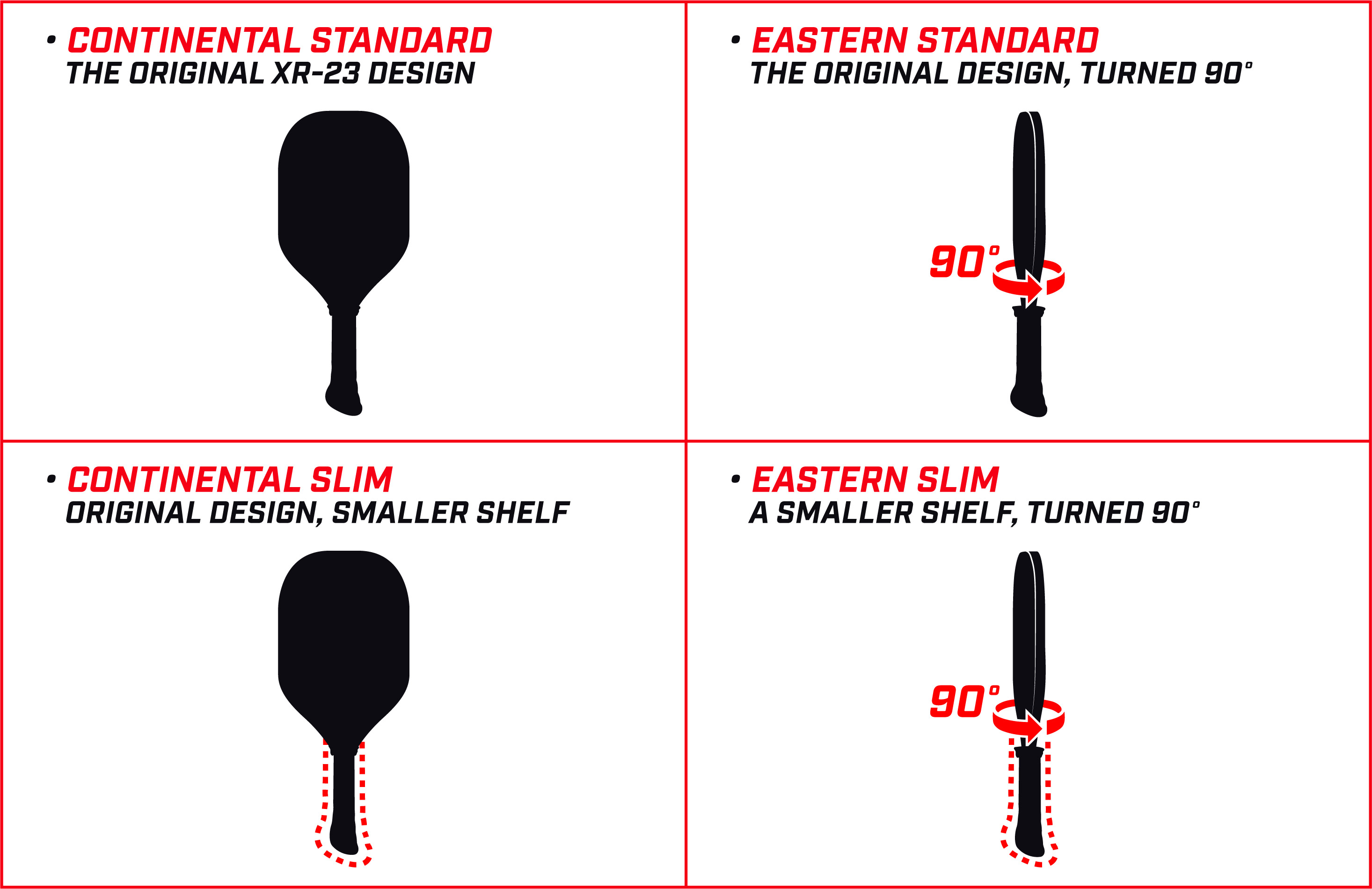
- Thicker Handles: If the paddle handle is thick, the Continental grip may feel awkward. Look for a handle that fits your hand size.
- Grip Material: Cushioned grips can reduce hand fatigue, especially during long games.
- Handle Shape: Some paddles have oval or rectangular handles, which may influence comfort with each grip.
Always test your grip with your paddle before buying. The wrong combination can cause blisters or reduce your ability to switch grips quickly.
Injuries And Grip: What To Watch For
Using the wrong grip or gripping too tightly is a common cause of injuries in pickleball. The most frequent problems include:
- Tennis Elbow: Caused by too much wrist action or a grip that’s too tight.
- Wrist Pain: Often happens when the grip is unnatural or forced.
- Blisters: Can develop if the grip is not cushioned or if your hand slips.
To avoid these issues:
- Keep your grip relaxed.
- Use a paddle handle that fits your hand.
- Take breaks and stretch your wrist and forearm muscles.
If you feel pain, switch to a more comfortable grip or consult a coach.
Data: What Do The Numbers Say?
Surveys of pickleball players show interesting trends. According to a 2022 study by the USA Pickleball Association, about 65% of beginners use the Eastern grip, while over 70% of advanced players switch to the Continental grip for net play. However, most professionals use a combination, adapting as needed.
A poll of 500 club players found:
- 56% said the Eastern grip helped them learn faster.
- 41% switched to the Continental grip for better defense.
- Only 3% stuck with just one grip for all shots.
This shows that being flexible with your grip leads to better results.
Real-world Example: Switching Grips Mid-game
Imagine you’re in a close doubles match. The other team starts targeting your backhand at the net. Using the Eastern grip, you block a few shots, but some balls pop up too high. You switch to the Continental grip for backhand volleys and suddenly you control the point, keeping the ball low and forcing errors from your opponents.
This kind of adjustment separates good players from great ones. The ability to switch grips in real time is a skill that comes with practice and awareness.
Should Kids And Seniors Use Different Grips?
Younger players often start with the Eastern grip because it’s easier and encourages good habits. Seniors, or those with less wrist strength, may prefer the Continental grip for its quick reaction at the net.
However, the most important thing for any age is comfort and injury prevention. Kids should focus on grip basics before learning advanced switches. Seniors should prioritize relaxed grip pressure and paddles with cushioned handles.
Training Tips To Improve Your Grip
If you want to master both grips, use these practical exercises:
- Wall Rally: Stand close to a wall and hit forehands and backhands with the Eastern grip. Then repeat with the Continental grip.
- Grip Switching Drills: Practice changing grips quickly between forehand and backhand shots.
- Soft Touch Dinks: Use the Continental grip to hit soft, controlled dinks close to the net.
- Serve Practice: Alternate grips for serves to feel the difference in power and spin.
- Shadow Swings: Without a ball, practice switching grips and swinging to build muscle memory.
The Role Of Coaching
Working with a coach can speed up your progress. Coaches can spot small grip mistakes and help you adjust. Video analysis is also useful—record yourself and compare your grip to professional players.
Many online resources, such as the USA Pickleball site, offer grip tutorials and drills for every level.
Frequently Asked Questions
What Is The Main Difference Between The Eastern And Continental Grip In Pickleball?
The main difference is hand placement on the paddle. The Eastern grip feels like a handshake, with your palm on the side of the handle. The Continental grip feels like holding a hammer, with your hand on top. Each grip affects how easily you hit forehands, backhands, and add spin.
Is One Grip Better For Beginners?
Most beginners find the Eastern grip easier. It feels natural, lets you hit both forehand and backhand without switching, and helps you learn basic shots. As you gain experience, you may add the Continental grip for advanced play.
Can I Switch Grips During A Game?
Yes, many advanced players switch grips based on the shot. For example, use the Eastern grip for baseline drives and the Continental grip for quick volleys or dinks. Practicing grip changes helps you become more versatile.
Will Using The Wrong Grip Cause Injuries?
Holding your paddle with the wrong grip or too much tension can lead to wrist, elbow, or hand injuries. It’s important to keep your grip relaxed and use a handle size that fits your hand.
How Do I Know If My Grip Is Correct?
If your grip feels comfortable and your shots go where you want, you’re on the right track. Watch for wrist pain or awkward paddle angles. If you struggle, ask a coach to check your grip or compare with online tutorials.
Pickleball is a sport of small details, and your grip is one of the most important. Whether you choose the Eastern, Continental, or a mix of both, understanding how your grip shapes your game can unlock new levels of skill.
With practice, awareness, and a willingness to adapt, you’ll find the grip that makes you confident and competitive on the court.
Credit: pickleballcentral.com