
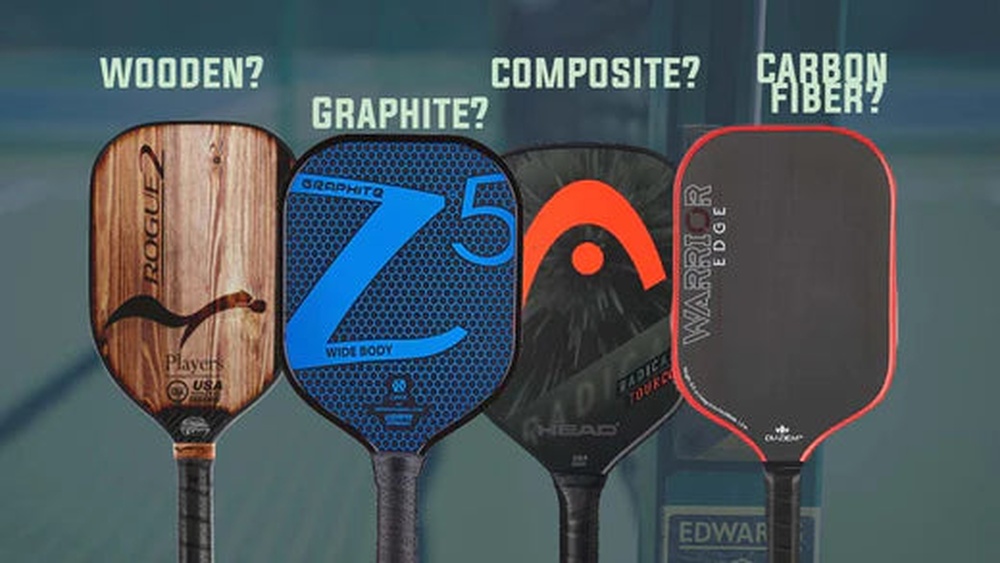
Choosing the right pickleball paddle can change your game. For many beginners and even advanced players, the main question is: should you go for a wood paddle or a graphite paddle? This decision is more than just about price or how the paddle looks. It affects your swing, your comfort, and even your long-term improvement in pickleball.
Let’s break down every part of the wood vs graphite pickleball paddle debate. We’ll look at their history, how they play, what type of player each suits, plus the hidden details most people never consider. By the end, you’ll know exactly which paddle is right for you—and why it matters.
The History And Evolution Of Pickleball Paddles
Pickleball started in the 1960s, and the original paddles were always made of wood. They were simple, flat, and heavy—often cut by hand from plywood. For decades, wood was the only choice. It was cheap, easy to make, and very durable, which helped pickleball grow in schools and parks across the US.
As the sport became more popular, players began looking for lighter and more performance-focused paddles. This led to the introduction of graphite paddles in the 1980s and 90s. The new paddles used advanced materials and technology, taking inspiration from tennis and other racquet sports.
Today, both types are widely available. Wood paddles are still common in schools, community centers, and for those just starting out. Graphite paddles, however, are now the top pick for most competitive players and anyone looking to improve their game.
What Makes A Paddle: Wood Vs Graphite Materials
Understanding the basic differences starts with what the paddles are made of.
Wood Paddles
Wood paddles are built from solid sheets of hardwood or plywood. Some use a single layer, while others glue several layers together for extra strength.
- Weight: Usually 9-14 ounces (255-400 grams)
- Surface: Flat, sometimes with a painted or coated finish for grip
- Core: Solid all the way through (no “core” material inside)
- Edge Guard: Simple or sometimes missing
Wood paddles may feel heavy, especially after playing for a while. Their solid construction makes them tough and long-lasting but harder to swing quickly.
Graphite Paddles
Graphite paddles use composite technology. The face (outside layer) is thin graphite, while the inside (core) is usually made from a lightweight material like polymer, Nomex, or aluminum.
- Weight: Usually 6-9 ounces (170-255 grams)
- Surface: Thin graphite face (less than a millimeter thick)
- Core: Honeycomb structure for strength and lightness
- Edge Guard: Nearly always present for extra durability
Graphite paddles are known for being light, strong, and responsive. The honeycomb core absorbs vibration and gives a softer feel when hitting the ball.
Performance: How Wood And Graphite Paddles Play
The feel of a paddle is a mix of weight, balance, surface, and handle comfort. Here’s how each type performs on the court.
Power
Wood paddles are heavy, so they can hit the ball hard with less effort. If you want to drive the ball with power, wood gives you that “solid” smack. But the weight can make your arm tired or slow down your reaction time.
Graphite paddles rely on technology for power. They are lighter, but the core and graphite face help transfer energy efficiently. With good technique, you can get excellent power, and it’s easier to swing faster and control your shots.
Control
If you want to place the ball precisely, graphite paddles are the winner. The lighter weight allows for better wrist action and quick changes in direction. The surface texture also helps add spin.
Wood paddles are harder to control, especially for tricky shots close to the net. The weight can make it difficult to “feel” the ball, leading to less accuracy.
Comfort And Vibration
Graphite paddles absorb shock better thanks to the honeycomb core. This means less stress on your wrist and elbow—very important for older players or those with joint pain.
Wood paddles have almost no shock absorption. Every hit sends vibration through your arm. Over time, this can lead to discomfort or even injuries like tennis elbow.
Sound
A small but interesting difference: wood paddles make a loud “pop” when you hit the ball, while graphite paddles produce a softer, more controlled sound. Some players prefer the feedback from a wood paddle, but in noise-sensitive areas, graphite might be better.
Durability And Maintenance
How long your paddle lasts—and how much care it needs—also matters.
Wood Paddles
Wood paddles are tough. They can handle being dropped, hit, or used in rough conditions. Scratches and dents are not a big problem.
However, wood can absorb moisture. Over time, this can lead to warping or splintering if you play in humid or wet conditions. Also, the paint or surface finish may wear off, making the paddle slippery.
Graphite Paddles
Graphite paddles are strong but not indestructible. The graphite face can crack or chip if you hit it against hard surfaces. The edge guard helps, but it’s not perfect.
However, they are much less affected by weather. The graphite and core materials do not absorb moisture, so you don’t have to worry about swelling or warping. The surface stays consistent for a long time.
Price: What Do Wood And Graphite Paddles Cost?
One of the biggest reasons people start with wood paddles is price. Let’s compare typical costs.
| Paddle Type | Average Price (USD) | Who Usually Buys |
|---|---|---|
| Wood | $10 – $30 | Beginners, schools, community centers |
| Graphite | $50 – $150 | Intermediate to advanced players, serious beginners |
Wood paddles are the most affordable option. Many starter sets include two wood paddles and balls for the price of one graphite paddle.
Graphite paddles cost more, but prices have dropped as the sport grows. You can find entry-level graphite paddles for $40-$60, and top models for $100 or more.
Weight And Its Impact On Play
The weight of your paddle changes the way you play. This is a detail many new players underestimate.
- Heavier paddles (wood): Give more power but less control. Harder to swing quickly.
- Lighter paddles (graphite): Offer better control, quicker swings, and less arm fatigue.
A typical wood paddle weighs 10-12 ounces. That might not sound like much, but after an hour of play, your arm will notice. Graphite paddles, at 7-8 ounces, feel much lighter and allow for longer sessions without strain.

Credit: bepickleballer.com
Grip And Handle Comfort
Handle comfort can make or break your game, especially if you play for more than 30 minutes at a time.
Wood paddles usually have a basic, thin grip. Some models add a foam or rubber wrap, but it often feels hard or slippery, especially if your hands get sweaty.
Graphite paddles almost always include a quality grip, often cushioned and sweat-absorbent. Some allow you to replace or customize the grip for the perfect fit.
A small detail: many beginners don’t realize the grip size should match your hand. Too thick or thin can cause blisters or make it hard to control the paddle.
Spin And Shot Variety
One of the biggest upgrades when moving from wood to graphite is the ability to add spin to your shots.
Graphite paddle faces are slightly textured. This lets you “grab” the ball and brush it for topspin or slice. Advanced players use this for drop shots, lobs, and tricky returns.
Wood paddles have a smooth face. Getting spin is much harder, and most beginners don’t realize how limited their shot options are with wood. This is a key reason serious players switch to graphite.
Who Should Use Wood Paddles?
Wood paddles still have a place in pickleball. Here are some scenarios where they make sense:
- Absolute beginners—If you’re just trying out pickleball and don’t want to spend much, wood is fine. You can learn the basics and see if you enjoy the sport.
- Group or school use—Wood paddles are affordable and durable, so schools and clubs often buy them in bulk.
- Casual play—If you play a few times a year, wood can be enough.
- Kids—Young children may not notice the weight for short sessions, and the cost is low if the paddle is lost or broken.
But, if you plan to play regularly or improve your skills, a better paddle will help more than you expect.
Who Should Use Graphite Paddles?
Graphite paddles are ideal for:
- Intermediate and advanced players—Anyone who wants more control, spin, and comfort will see a difference.
- Players with arm or wrist issues—The lighter weight and shock absorption reduce strain.
- Frequent players—If you play weekly, the investment pays off quickly.
- Players who want to compete—All top-level players use graphite or similar composite paddles.
A hidden benefit: using a graphite paddle can help you learn new shots and strategies. The paddle’s responsiveness makes it easier to practice technique, especially for dinks, spins, and drop shots.
Comparing Wood And Graphite Paddles Side By Side
To make the differences clearer, here’s a direct comparison.
| Feature | Wood Paddle | Graphite Paddle |
|---|---|---|
| Weight | Heavy (9-14 oz) | Light (6-9 oz) |
| Price | Low ($10-$30) | High ($50-$150) |
| Durability | Very durable, can warp | Durable, can crack |
| Power | High (due to weight) | High (due to technology) |
| Control | Low | High |
| Comfort | Poor (vibration, hard grip) | Good (shock absorbing, soft grip) |
| Spin | Minimal | Good (textured face) |
| Best For | Beginners, schools, casual | All levels, especially regular players |
Common Myths And Misunderstandings
Even experienced players sometimes believe things about wood or graphite paddles that are not true. Here are two common myths:
1. “wood Paddles Are Only For Kids Or Total Beginners.”
Not always true. Some adults prefer the solid feel or want a cheap, tough paddle for outdoor play. But, most people outgrow wood quickly.
2. “graphite Paddles Are Too Expensive For Most People.”
Prices have dropped a lot. Entry-level graphite paddles are now affordable for many, and the benefits often outweigh the extra cost.
Credit: bepickleballer.com
Other Paddle Choices: Beyond Wood And Graphite
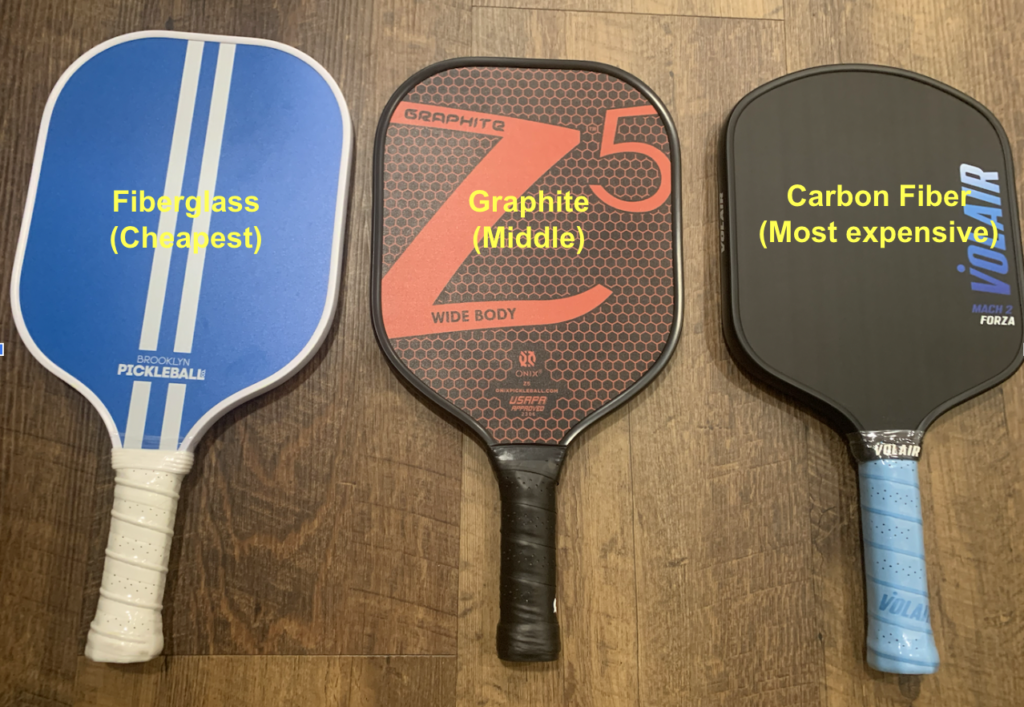
While this article focuses on wood vs graphite, there are other materials like composite paddles (using fiberglass, carbon fiber, or blends). These often combine the best parts of both worlds. If you’re curious about more options, check out the rules and equipment standards from the USA Pickleball Association.
How To Choose The Right Paddle For You
Picking between wood and graphite isn’t just about budget. Here’s a simple guide:
1. How Often Do You Play?
If you’re on the court weekly, invest in graphite. For once-a-month or less, wood might be enough.
2. Are You Playing For Fun Or To Improve?
Improving players benefit from better control, comfort, and spin.
3. Do You Have Any Joint Pain Or Injuries?
Go for graphite. The lighter weight and shock absorption protect your arm.
4. Are You Buying For A Group Or Class?
Wood paddles save money and last longer in rough settings.
5. Is Budget Your Main Concern?
Start with wood, but plan to upgrade if you stick with the sport.
Two Non-obvious Insights For Beginners
1. Paddle Weight Affects Your Swing Over Time.
Many new players don’t realize that a heavy wood paddle may feel fine for 10 minutes—but after an hour, it can lead to arm fatigue or even bad form. This slow build-up of tiredness often makes beginners give up before they really improve.
2. Grip Size Is As Important As Paddle Material.
Even the best graphite paddle won’t help if the handle is too big or small for your hand. This can lead to blisters or make you grip too tightly, causing strain. Always check grip size before you buy.
Upgrade Path: When To Switch From Wood To Graphite
If you start with a wood paddle, how do you know when it’s time to move up? Here are signs:
- You want more control or to add spin.
- Your arm feels tired or sore after playing.
- You’re playing more often or against tougher opponents.
- You’re interested in learning advanced shots (dinks, slices, lobs).
- You want a more comfortable, durable grip.
Switching to graphite is one of the easiest ways to improve quickly.
Care Tips For Both Paddle Types
No matter which paddle you choose, a little care helps them last longer.
- Avoid leaving paddles in extreme heat or cold. Both wood and graphite can be damaged by temperature.
- Wipe paddles after play. Sweat and dirt can wear down the grip and surface.
- Store paddles in a bag or cover. Protects from scratches, chips, and moisture.
- Check the grip regularly. Replace or wrap if it gets loose or slippery.
Which Paddle Do Professionals Use?
Nearly all professional pickleball players use graphite or composite paddles. Wood is not seen at high levels of play. The reasons are clear: lighter weight, better control, more spin, and less risk of injury.
That doesn’t mean you must buy a $150 paddle to enjoy the game. But if you want to play your best, upgrading makes a clear difference.
Environmental Impact: Wood Vs Graphite
A less-discussed detail is the environmental effect. Wood paddles are made from renewable resources, but the glues and finishes can contain chemicals. Graphite paddles use synthetic materials and energy-intensive processes, but they often last longer and resist weather damage better.
Some brands now offer paddles made from recycled or eco-friendly materials. If this matters to you, check the manufacturer’s info before buying.
Summary Table: Quick Reference For Buyers
Here’s a final summary to help you decide at a glance.
| Feature | Wood Paddle | Graphite Paddle |
|---|---|---|
| Cost | Low | Medium to High |
| Weight | Heavy | Light |
| Power | Strong, less control | Strong, more control |
| Spin | Minimal | Good |
| Durability | Very tough but can warp | Durable, can chip/crack |
| Comfort | Poor | Good |
| Noise | Loud | Quieter |
| Best For | Beginners, schools, groups | All skill levels |
Credit: www.pickleball-paddles.com
The Bottom Line
The choice between wood and graphite pickleball paddles is about more than money. It shapes your playing style, comfort, and enjoyment. Wood paddles are great for trying the sport, group play, or those on a tight budget. Graphite paddles give you better control, comfort, and room to improve.
Don’t let price alone decide. Think about how much you’ll play and what you want from the game. Most players who stick with pickleball move to graphite or composite paddles as their skills grow. Make the switch when you’re ready, and you’ll feel the difference in every swing.
Frequently Asked Questions
What Is The Main Difference Between Wood And Graphite Pickleball Paddles?
The biggest difference is weight and material. Wood paddles are heavier, made from solid wood, and cost less. Graphite paddles are lighter, have a honeycomb core, and a thin graphite face for better control and comfort.
Are Graphite Paddles Worth The Extra Cost?
Yes, for most players who play regularly. You get better control, comfort, and spin, which helps you play longer and learn new shots.
Can Beginners Use Graphite Paddles?
Absolutely. Many beginners start with graphite for the lighter weight and comfort. The only reason to use wood is for cost savings or casual play.
How Long Do Wood And Graphite Paddles Last?
Wood paddles are very durable but can warp if exposed to moisture. Graphite paddles can last years with care but may chip or crack if abused. Both can be good investments if maintained well.
What Is The Best Grip Size For A Pickleball Paddle?
The right grip size depends on your hand. Most adults prefer 4 to 4.5 inches around. Try holding the paddle—if your fingers just touch your palm, it’s a good fit. Too thick or thin can cause discomfort or blisters.
Pickleball is about fun and improvement. Choosing the right paddle is your first step to enjoying the game and playing your best.