

Are you trying to choose between paddle ball, pickleball, and racquetball but feel overwhelmed by all the options? You’re not alone.
Each sport has its own unique style, pace, and gear, which can make picking the right one tricky. Imagine finding the perfect game that matches your energy, skills, and fun level. Keep reading, and you’ll discover clear differences that will help you decide which sport is best for you—and why one might just become your new favorite way to stay active and have fun.
Credit: www.minterdial.com
Game Basics
Paddle Ball, Pickleball, and Racquetball are three popular racquet sports. Each has unique rules and equipment. Understanding the basics helps players enjoy the game and improve skills. The games differ in court size, scoring, and style of play.
Here is a clear overview of the basic rules for each sport. This guide helps beginners choose the right game to try.
Paddle Ball Rules
Paddle Ball uses a solid paddle and a small rubber ball. Players hit the ball against a single wall. The ball must bounce once before the opponent returns it. Matches are usually played to 21 points. Only the server can score points. The server serves underhand and must hit the ball below the waist.
Pickleball Rules
Pickleball combines elements of tennis, badminton, and ping pong. Players use paddles and a plastic ball with holes. The court is smaller than a tennis court. Matches are played to 11 points, and a player must win by 2 points. The serve must be underhand and hit diagonally. The ball must bounce once on each side after the serve before volleys.
Racquetball Rules
Racquetball is played indoors with a racquet and a hollow rubber ball. Players hit the ball against the front wall. The ball can hit side walls and ceiling before the front wall. Matches are played to 15 points, and only the server scores. The serve is overhand or underhand. Players can move freely inside the court to return the ball.
Credit: pickleballfire.com
Equipment Differences
Each sport—Paddle Ball, Pickleball, and Racquetball—requires specific equipment. The gear shapes how players perform and enjoy the game. Understanding these differences helps you choose the right sport and equipment for your style.
Paddle Ball Gear
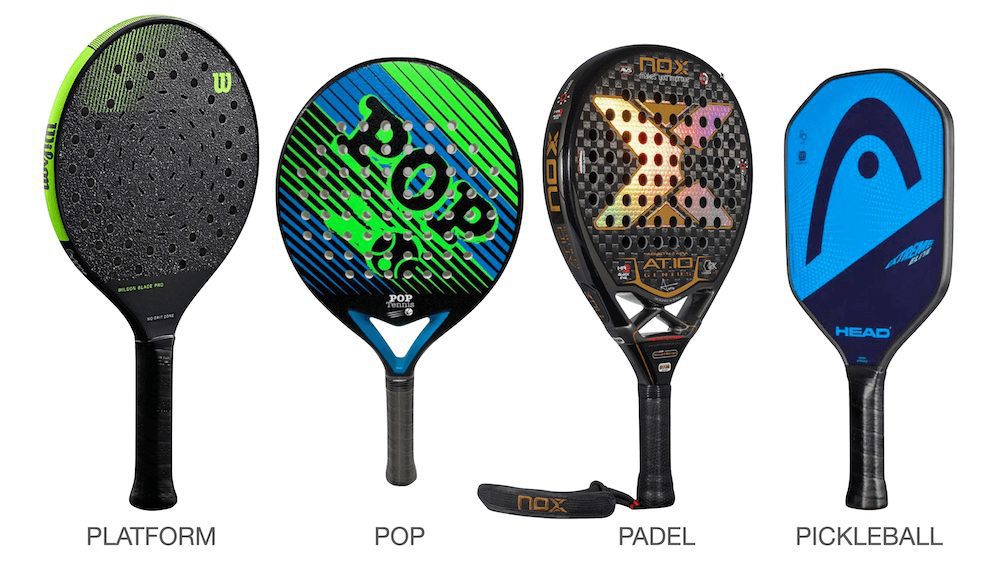
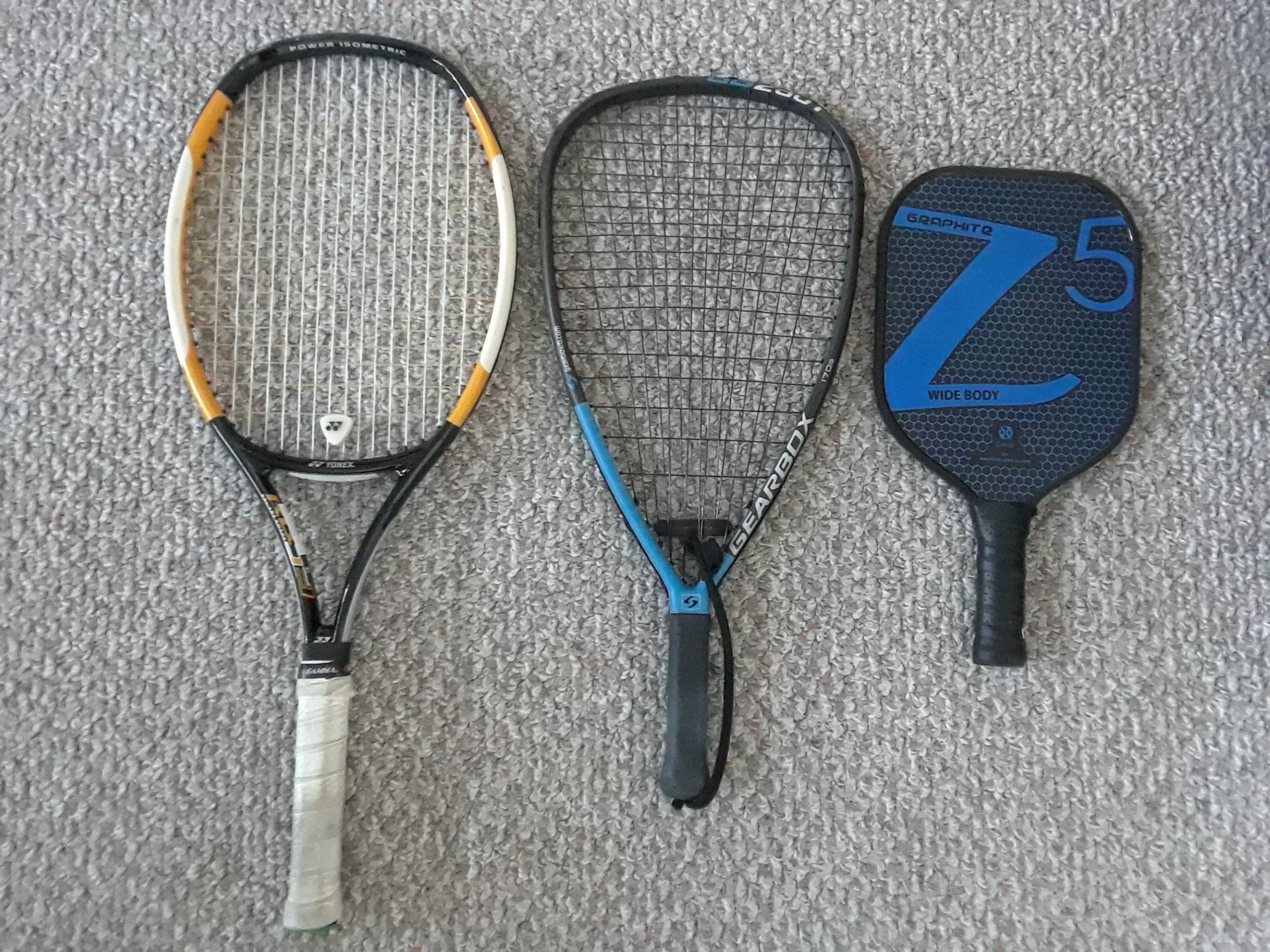
Paddle Ball uses a solid paddle, usually made from wood or composite materials. The paddle is smaller and heavier than a pickleball paddle. Players use a small rubber ball. The ball is lightweight and bounces less than a racquetball. No strings are involved in the paddle design.
Pickleball Gear
Pickleball paddles are larger and lighter than paddle ball paddles. Most paddles are made from composite or graphite materials. The ball is plastic with holes, similar to a wiffle ball. The ball bounces higher and travels slower than a racquetball. The court is smaller than a tennis court.
Racquetball Gear
Racquetball rackets have strings and a longer handle than paddles. The rackets are lightweight and strong for fast swings. The ball is larger and made of rubber, designed for high-speed play. Players wear goggles for eye protection. The court is fully enclosed with walls for rebounds.
Court Layouts
The court layout plays a big role in how each sport is played. It affects player movement, strategy, and the overall feel of the game. Understanding the differences in court size and markings helps players adapt to each sport quickly.
Paddle Ball Court
The paddle ball court is usually 20 feet wide and 50 feet long. It has a solid wall at one end for hitting the ball. There are no nets, so players hit the ball directly against the wall. The floor has simple boundary lines to mark the play area. The court is smaller than a tennis court but larger than a racquetball court.
Pickleball Court
Pickleball courts measure 20 feet wide and 44 feet long. They have a net in the middle that is 36 inches high at the sidelines. The court is divided into two halves by the net and has a kitchen area near the net. The kitchen limits where players can hit the ball. The court size is similar to a badminton court, making it easy to find places to play.
Racquetball Court
Racquetball courts are fully enclosed with walls, ceiling, and floor. The standard size is 20 feet wide, 40 feet long, and 20 feet high. The walls are used to bounce the ball during play. The court has a short line and service zone on the floor. The high ceiling allows the ball to be hit at steep angles. This indoor setup creates fast and intense gameplay.
Playing Techniques
Playing techniques vary greatly between paddle ball, pickleball, and racquetball. Each sport requires unique skills and strategies to perform well. Understanding these techniques helps players improve their game and enjoy the sport more.
Focus, timing, and control are crucial in all three sports. Yet, the way players move and hit the ball differs significantly. These differences shape how players approach each game.
Paddle Ball Strategies
Paddle ball demands strong wrist control and quick reflexes. Players use short, sharp swings to keep the ball in play. Positioning near the wall helps control the ball’s bounce and speed. Anticipating the opponent’s return allows for fast counterattacks. Staying light on the feet aids quick movements around the court.
Pickleball Tactics
Pickleball focuses on precision and placement over power. Players often use soft shots to force errors from opponents. The “dink” shot, a gentle tap over the net, creates openings. Moving quickly to the non-volley zone increases control during rallies. Communication and teamwork matter in doubles matches to cover the court effectively.
Racquetball Moves
Racquetball players rely on speed and strength. Powerful swings generate fast, low shots hard to return. Changing shot angles keeps opponents off balance. Jump shots and ceiling shots add variety to play. Good court coverage and endurance help sustain long points.
Physical Demands
The physical demands of paddle ball, pickleball, and racquetball differ significantly. Each sport challenges the body in unique ways. Understanding these demands helps players prepare and perform better.
Endurance Levels
Paddle ball requires moderate endurance. Rallies can last several minutes, testing stamina. Pickleball involves bursts of quick movements and rests. It demands good cardiovascular fitness but less continuous effort. Racquetball pushes endurance higher. Matches are fast and intense. Players often move non-stop, making stamina crucial.
Agility Requirements
Paddle ball needs quick footwork and sharp reflexes. Players must change direction rapidly. Pickleball also calls for agility but with shorter sprints. The smaller court size means fast reactions. Racquetball demands the most agility. The ball moves very fast. Players must react instantly and cover the court swiftly.
Injury Risks
Paddle ball has lower injury risks. Movements are less intense than racquetball. Pickleball players face common injuries like knee and shoulder strain. The quick stops and starts can stress joints. Racquetball carries higher injury risks. Fast pace and hard walls increase chances of collisions and muscle strains.
Popularity And Growth
The popularity and growth of paddle ball, pickleball, and racquetball show clear differences. Each sport has unique appeal and audience size. These factors shape how fast they grow and where they spread. Understanding their popularity helps explain their place in sports today.
Global Reach
Pickleball is growing quickly worldwide. It started in the United States but now spreads to Canada, Europe, and Asia. Many countries build courts and host events. Racquetball has a solid base in North and South America. It also has players in Europe and Asia but less than pickleball. Paddle ball is more local. It stays mostly in the United States and Mexico. Its reach is smaller and slower to grow.
Community And Culture
Pickleball attracts players of all ages. It welcomes beginners and veterans. Social play is common, creating a friendly atmosphere. Racquetball has a strong club culture. Players meet regularly for practice and tournaments. The sport values speed and skill. Paddle ball is popular in tight-knit communities. It has deep roots in Hispanic culture. Players often pass skills through families and friends.
Competitive Scenes
Pickleball hosts many tournaments. Pro and amateur events happen worldwide. The sport has organizations that manage rankings and rules. Racquetball also has established tournaments. It features national and international competitions. The sport’s pros have loyal fans. Paddle ball competitions are smaller and more local. They focus on community participation instead of big prizes. The sport grows slowly but steadily in competition.
Choosing The Right Game
Choosing the right game between Paddle Ball, Pickleball, and Racquetball depends on what fits your style and needs. Each sport offers unique challenges and fun. Understanding these differences helps you pick the best one for your skill and goals.
Consider how easy the game is to learn, the kind of play you enjoy, and how easy it is to find places to play. These points guide your choice well.
Skill Level Match
Paddle Ball suits beginners and casual players well. It has simple rules and slower pace. Pickleball works for all skill levels. It balances fun and challenge nicely. Racquetball needs quick reflexes and good fitness. It fits experienced players who want fast action.
Social Vs Competitive Play
Pickleball is very social. It encourages chatting and group play. Paddle Ball also supports casual, friendly matches. Racquetball is more competitive and intense. It draws players who like fast, tough matches. Choose based on how you want to enjoy the game.
Accessibility Factors
Pickleball courts are common in many parks and centers. Paddle Ball requires minimal gear and space. Racquetball needs indoor courts and special equipment. Think about what is easy to access near you. This helps keep playing simple and fun.
Credit: www.pickleheads.com
Frequently Asked Questions
What Are The Main Differences Between Paddle Ball And Pickleball?
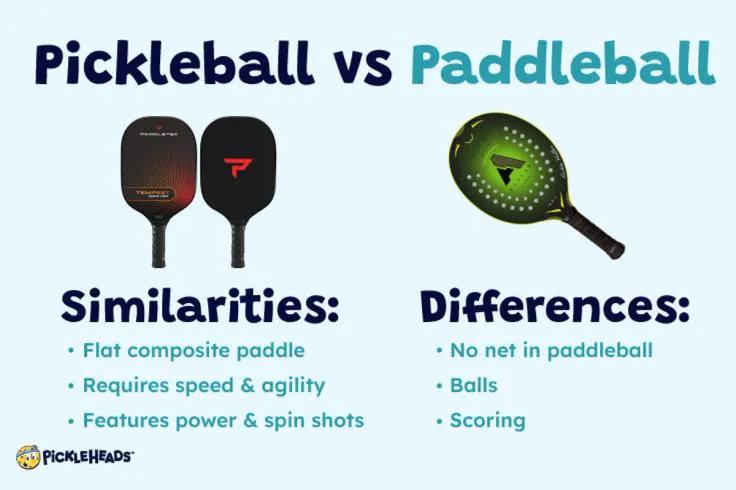
Paddle ball uses a solid paddle and a small rubber ball, played against a wall or with a partner. Pickleball combines elements of tennis and badminton, played on a court with a perforated plastic ball and paddles. The rules and court sizes differ significantly.
Which Sport Is Easier For Beginners: Pickleball Or Racquetball?
Pickleball is generally easier for beginners due to its slower pace and simpler rules. Racquetball requires faster reflexes and more physical agility. Pickleball’s smaller court and lighter paddles make it more accessible for new players.
Can Paddle Ball, Pickleball, And Racquetball Improve Fitness?
Yes, all three sports improve cardiovascular health, coordination, and agility. Paddle ball enhances hand-eye coordination and quick reflexes. Pickleball boosts endurance and social interaction. Racquetball provides intense aerobic exercise and muscle strengthening.
What Equipment Is Needed For Paddle Ball Vs Pickleball?
Paddle ball requires a solid paddle and a rubber ball. Pickleball uses a perforated plastic ball and paddles similar to table tennis but larger. Racquetball needs a racquet and a hollow rubber ball. Each sport’s equipment is distinct and specialized.
Conclusion
Choosing between paddle ball, pickleball, and racquetball depends on your style. Each sport offers unique fun and challenges. Paddle ball is simple and easy to start. Pickleball blends tennis and ping pong elements well. Racquetball is fast and needs quick moves.
Think about your fitness level and space available. Try each sport to see what feels best. Enjoy playing and stay active with any choice. Sports bring joy and keep you healthy. Your next favorite sport might be just a game away.