
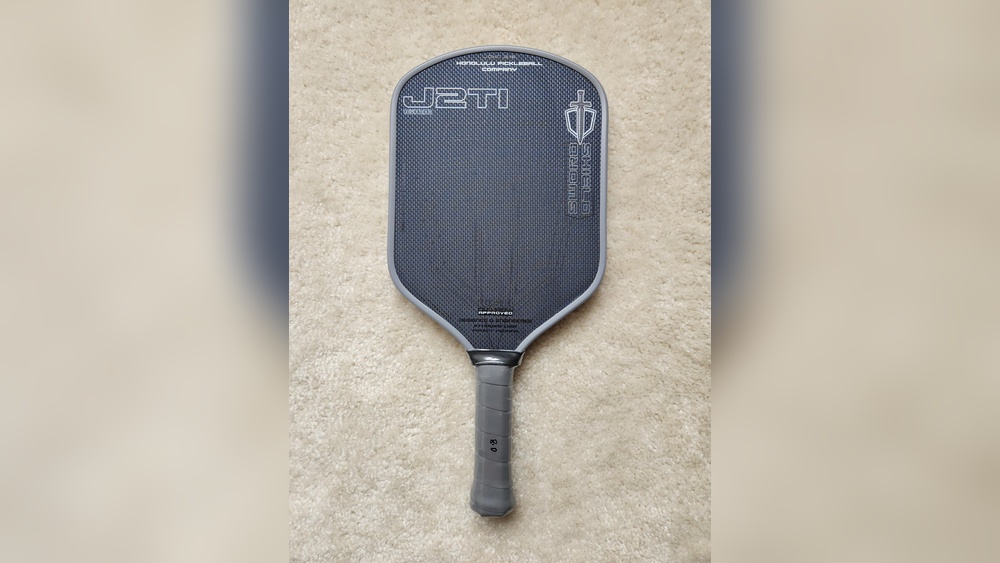
Pickleball is one of the fastest-growing sports in the world. People of all ages and skill levels are joining courts, from backyards to professional tournaments. But as you start playing, one question quickly pops up: Does the pickleball paddle matter? Many beginners use any paddle they find, while more experienced players often have strong preferences. But is the difference real, or just hype? Let’s look closely at how much your pickleball paddle impacts your game, why it matters, and what to consider before choosing one.
Why The Pickleball Paddle Isn’t “just A Paddle”
At first glance, all pickleball paddles might look similar. They’re all flat, usually rectangular, and easy to hold. So, it’s easy to think the choice is not important. But the truth is, your paddle is the main connection between you and the ball. It controls your shots, affects your power, and even changes how your arm feels after hours of play.
Using the right paddle can help you:
- Improve your accuracy
- Hit more powerful or softer shots
- Reduce arm fatigue and risk of injury
- Develop better control over spin and placement
Ignoring paddle choice might not matter much in your first few games. But as you play more—especially if you start competing—the differences become clear.
What Makes Paddles Different?
Understanding why paddles matter starts with knowing what sets them apart. Several key factors affect how a paddle feels and works:
Paddle Weight
Pickleball paddles typically weigh between 6 to 9 ounces. This might sound like a small range, but even one ounce can make a big difference.
- Lighter paddles (6-7.3 oz): Easier to maneuver, good for quick reactions at the net, but may have less power.
- Medium paddles (7.3-8.4 oz): Balance of control and power.
- Heavier paddles (8.5-9+ oz): More power for hard shots, less effort needed for deep returns, but can tire the arm faster.
A common mistake is thinking heavier paddles are always better for power. While true, they can make you less agile, which is crucial for defense.
Paddle Shape And Size
Not all paddles are the same shape. There are standard, elongated, and widebody paddles.
- Standard: Balanced length and width, suitable for most players.
- Elongated: Longer, narrower paddles give extra reach and power, but have a smaller sweet spot.
- Widebody: Wider paddles offer a bigger sweet spot, good for beginners.
Core Material
The core is the inside of the paddle, and it affects feel, sound, and power.
- Polymer core: Quiet, soft touch, excellent control. Most common.
- Nomex core: Hard, loud, very responsive—favored for power shots.
- Aluminum core: Lightweight, more control, but less power.
Some beginners overlook the core, but it strongly influences how the paddle responds to the ball. For example, a polymer core might help you control soft dinks at the net, while a Nomex core can make your smashes louder and faster.
Surface Material
The paddle face can be made from different materials:
- Fiberglass (Composite): Good for spin, moderate power.
- Graphite: Light, strong, gives quick response and touch.
- Carbon Fiber: Premium material, excellent feel, high durability.
Surface texture also matters for spin. A rougher face grabs the ball, letting you add more topspin or backspin.
Grip Size And Shape
If the grip is too large or small, it’s hard to control your paddle, and you risk wrist injuries. The right grip size depends on your hand:
- Small hands: 4-4.125 inches circumference
- Medium hands: 4.25-4.375 inches
- Large hands: 4.5 inches or more
Don’t ignore grip shape and cushioning, either. A soft, non-slip grip reduces blisters and helps you play longer.
How Paddle Choice Impacts Your Game
It’s one thing to know paddles are different, but how does the right paddle actually change your performance?
Control Vs. Power
Some paddles are designed for control, others for power. If you like placing the ball exactly where you want, a lighter paddle with a polymer core and graphite face is best. If you want to drive the ball hard, a heavier paddle or one with a Nomex core gives more force.
Spin Potential
A paddle’s surface texture and material decide how much spin you can create. Players who master spin can keep opponents guessing. For example, a composite or carbon fiber paddle with a rough face lets you add topspin to keep the ball low and tricky.
Injury Prevention
Choosing the wrong paddle can lead to pickleball elbow (similar to tennis elbow), wrist pain, or shoulder fatigue. If your paddle is too heavy, or the grip is wrong, you’ll feel it after a few games. The right paddle helps you play longer and safer.
Example: Two Players, Two Results
Imagine two players of equal skill. One uses a paddle that’s too heavy with a large grip; the other uses a paddle matched to their strength and hand size. After one hour, the first player feels tired, misses shots, and struggles with accuracy.
The second player is still sharp, placing shots and reacting quickly. Over time, these small differences add up.
Real Data: Paddle Differences In Action
To see how paddle choices affect play, here’s a comparison of three popular paddle types:
| Paddle Type | Average Weight (oz) | Main Strength | Main Weakness |
|---|---|---|---|
| Graphite Composite | 7.2 | Fast response, control | Less power |
| Fiberglass Composite | 8.0 | Spin, balanced play | Durability |
| Elongated Carbon Fiber | 8.3 | Reach, power | Smaller sweet spot |
This table shows that even a small change in weight or material can shift your playing style.
Common Myths About Pickleball Paddles
When you search online or ask players, you’ll hear many opinions. Let’s clear up some common misunderstandings.
“expensive Paddles Are Always Better”
Not true. Price often reflects brand, material, or new features, but the best paddle is the one that fits your style and comfort. Many intermediate players use mid-priced paddles and play very well.
“heavier Paddles Give You More Control”
Actually, heavier paddles give more power, but can reduce control, especially on soft shots. If you want control, look for lighter paddles with a good grip.
“paddle Doesn’t Matter Until You Are Advanced”
While beginners don’t need the most expensive paddle, using a paddle that matches your hand and play style helps you improve faster and prevents injuries.
“all Paddles Last The Same”
Paddle lifespan depends on materials and how much you play. Graphite and carbon fiber faces last longer, while cheaper paddles may lose their “pop” after heavy use.
How To Choose The Right Pickleball Paddle
Now you know paddles matter, but how do you pick one? Here’s a step-by-step guide.
1. Know Your Playing Style
- Control-focused: Choose a lighter, balanced paddle with a soft core.
- Power-focused: Pick a heavier paddle, possibly with a hard core.
- Spin-focused: Look for a rough surface or textured face.
2. Test Paddle Weight
Try different weights if possible. Swing each paddle and see how your arm feels after a few minutes.
3. Check Grip Size
Hold the paddle and mimic your playing grip. Your fingers should wrap comfortably around the handle, with a slight gap between fingertips and palm.
4. Pick Core And Face Materials
- Polymer core + graphite face: Balanced play, good for most.
- Nomex core + fiberglass face: Hard hitting, fast play.
- Aluminum core: Control, but less common at higher levels.
5. Consider Paddle Shape
- Standard: All-around play.
- Elongated: Extra reach, more power.
- Widebody: Easier for beginners.
6. Mind The Rules
For tournament play, check if your paddle is approved by the USA Pickleball Association (USAPA). Illegal paddles can disqualify you from events.
7. Don’t Ignore Comfort
If a paddle feels good in your hand and doesn’t tire your arm, it’s probably right for you—even if it’s not the top brand.
Real-world Paddle Comparisons
To help you see differences, here’s a direct comparison of three real paddles:
| Brand & Model | Weight | Core Material | Face Material | Who It’s For |
|---|---|---|---|---|
| Selkirk Amped S2 | 7.9 oz | Polymer | Fiberglass | Control players |
| Onix Z5 Graphite | 8.0 oz | Nomex | Graphite | Power hitters |
| JOOLA Ben Johns Hyperion | 8.2 oz | Polymer | Carbon Fiber | Advanced, all-round |
Notice that each paddle has a unique feel. The Selkirk Amped S2 offers a larger sweet spot, while the JOOLA Hyperion is favored by pros for its mix of power and control.
Two Insights Most Beginners Miss
Many new players focus only on price or color. But here are two important things beginners often overlook:
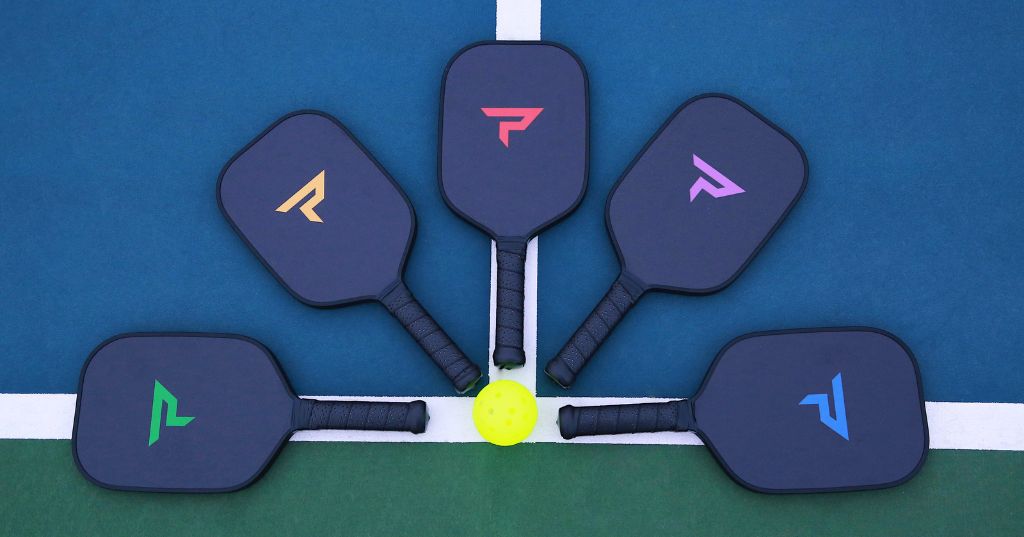
- Vibration Dampening Matters: Some paddles have special features or core designs that reduce vibration. This can make a big difference if you have wrist or elbow problems. Always check if the paddle has vibration dampening, especially if you plan to play often.
- Sweet Spot Size Changes Everything: Paddles with a larger sweet spot are more forgiving. This means your off-center hits still go where you want. Widebody and newer paddles often have a bigger sweet spot, making them better for learners.
Credit: www.paddletek.com
Do Pros Use Special Paddles?
Professional players often use paddles designed for their style. These paddles are not always the most expensive but are chosen for:
- Perfect weight balance for their arm strength
- The right combination of power and control
- Custom grip size for comfort
For example, Ben Johns, one of the world’s top players, uses a carbon fiber paddle with a polymer core. He could play with any paddle, but picks one that matches his style and helps prevent injury.
Can The Wrong Paddle Hold You Back?
Absolutely. Using the wrong paddle can:
- Make you develop bad habits (like using your wrist too much to compensate for a heavy paddle)
- Cause pain or fatigue, making you avoid playing
- Limit your progress, especially as you try advanced shots
That’s why it’s smart to spend a little time testing paddles before you buy. Many shops and clubs let you try different paddles. Take advantage of this before making a final choice.
The Psychology Of Paddle Choice
It may sound surprising, but feeling confident with your paddle can actually improve your play. When you trust your equipment, you focus more on the game and less on your gear. This mental edge is why even small changes—like a better grip or lighter weight—can help you win close points.
Mistakes To Avoid When Choosing A Paddle
- Copying your friend: What works for them may not suit your hand size or style.
- Ignoring grip size: Too small or large, and you risk injury.
- Focusing only on price: Higher cost doesn’t always mean better performance for you.
- Not testing before buying: If possible, always try before you buy.
- Ignoring tournament rules: Some paddles are not allowed in official events.
How Paddle Technology Is Evolving
Modern paddles use advanced materials and designs. Some new features include:
- Edge guards: Protect the paddle from damage
- Perforated grips: Reduce sweat and slipping
- Honeycomb cores: Balance power and control
- Textured faces: Increase spin
As technology improves, paddles become more specialized, helping players at every level.
How To Care For Your Paddle
To keep your paddle performing well:
- Wipe the face after every game: Dirt reduces grip and spin.
- Store in a cool, dry place: Heat can warp the paddle.
- Avoid hitting the ground or fence: This can damage the edge guard and face.
- Replace grips as needed: Worn grips cause blisters and loss of control.
Most paddles last 1-2 years with regular play, but heavy use can shorten this.
Does Paddle Choice Matter More For Beginners Or Advanced Players?
Both groups benefit from the right paddle, but for different reasons:
- Beginners: A forgiving paddle helps them learn proper technique and avoid injuries.
- Advanced players: Precise paddle choice allows them to maximize their skill and strategy.
If you’re new, don’t obsess over having the “best” paddle. Instead, focus on comfort, weight, and grip. As you improve, you’ll notice what features help your game and can upgrade accordingly.
Paddle Choice And Playing Environment
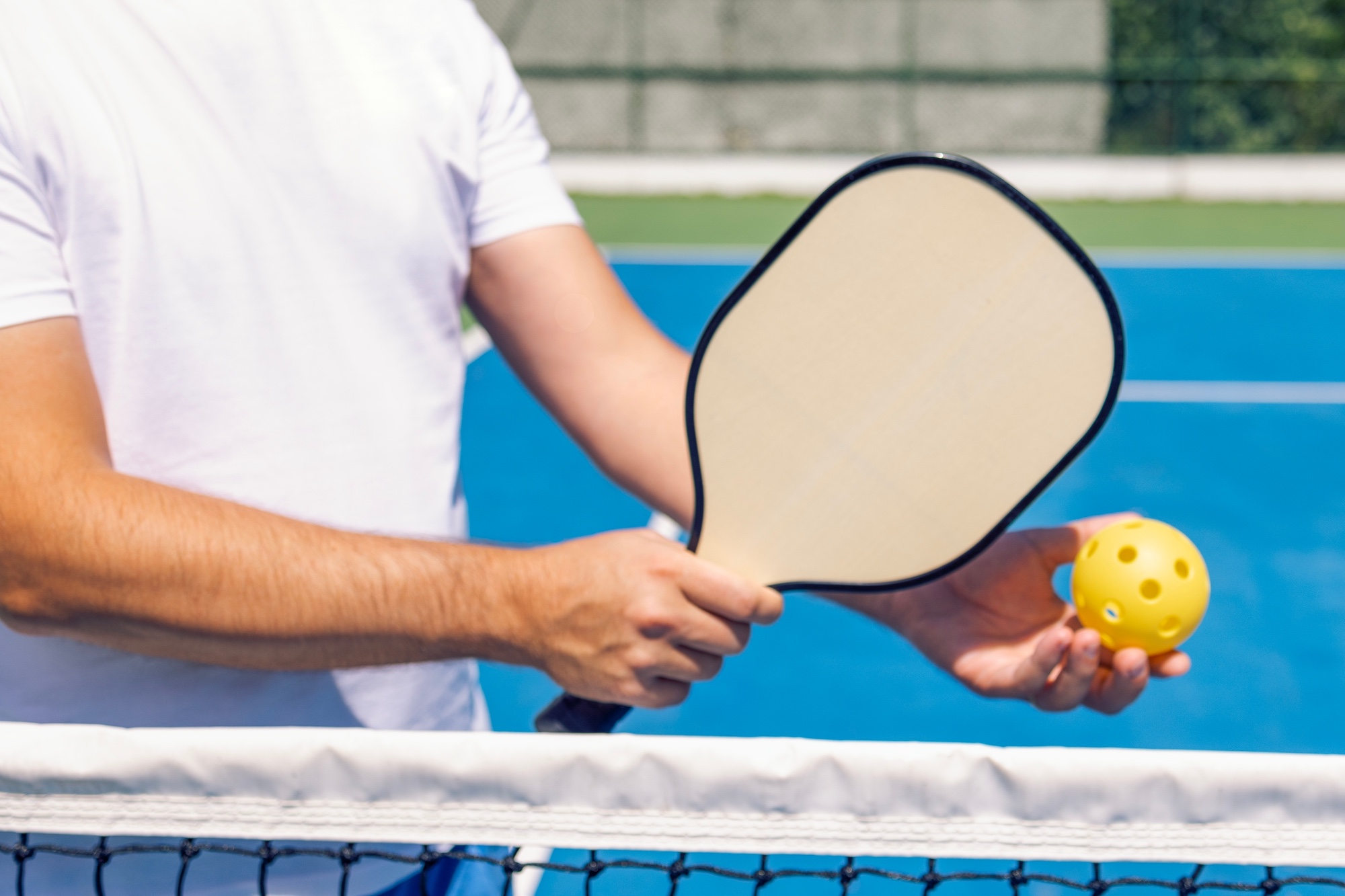
Where you play also matters. Outdoor balls are heavier and faster, so some players prefer a heavier paddle for power. Indoor balls are softer, so lighter paddles may be better for control. If you play both, a medium-weight paddle offers the best balance.
Credit: playatpac.com
Learning From The Pros: How To Experiment
Many top players recommend trying at least three paddles before buying. Some even switch paddles between games to match different opponents or conditions. Don’t be afraid to experiment. Your ideal paddle may surprise you!
The Bottom Line: Does Pickleball Paddle Matter?
Yes, your pickleball paddle matters—a lot more than most beginners think. The right paddle can:
- Improve your control and power
- Prevent injuries and fatigue
- Boost your confidence on the court
Think of it as a tool. The better it fits your hand and style, the better you play. Don’t rush your choice, and remember: what’s “best” is what feels right for you.
If you want to read more about paddle materials and manufacturing, check the Pickleball Wikipedia page.

Credit: pickleballstudio.com
Frequently Asked Questions
What Is The Best Weight For A Pickleball Paddle?
The best weight depends on your playing style. Light paddles (6-7. 3 oz) are good for quick play and control. Heavier paddles (8. 5-9 oz) give more power but can tire your arm. Most players find a medium weight (7.
3-8. 4 oz) is a good balance.
How Do I Know If My Grip Size Is Correct?
Hold the paddle as you would during play. There should be a small space (about a finger’s width) between your fingertips and your palm. If your grip is too big or small, you may lose control or risk injury.
Do Professional Players Use Special Paddles?
Many pros use paddles that are customized for their style, with specific weight, grip size, and materials. However, these paddles are usually available for anyone to buy, not just professionals.
How Often Should I Replace My Pickleball Paddle?
Most paddles last 1-2 years if used regularly. Signs you need a new paddle include loss of “pop,” cracks, or a slippery grip that can’t be fixed.
Can A Pickleball Paddle Affect My Risk Of Injury?
Yes. Using a paddle that is too heavy, has the wrong grip size, or lacks vibration dampening can lead to wrist, elbow, or shoulder pain. Choosing a paddle that fits your hand and play style reduces injury risk and lets you play longer.
Pickleball is more fun and rewarding when your paddle helps you play your best. Take your time, try different options, and you’ll quickly see—yes, your pickleball paddle really does matter.