
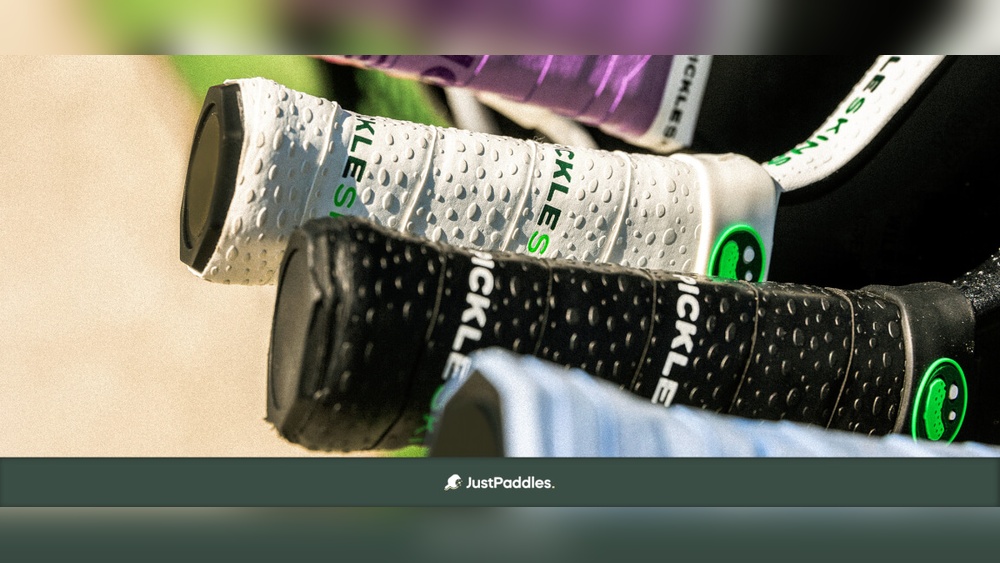
Pickleball is more popular than ever, and with more players on the courts, small equipment details matter. One topic that often confuses both new and experienced players is the difference between a pickleball overgrip and a replacement grip. These two grip types look similar, but they serve very different purposes and can greatly affect your comfort, control, and performance. Choosing the right grip can improve your game, prevent injuries, and help you feel more confident with every shot.
This article explains everything you need to know about overgrips and replacement grips for pickleball paddles. We will compare their functions, advantages, disadvantages, installation methods, and how to choose the best option for your needs. Whether you are a beginner learning about paddle grips or a seasoned player looking for an upgrade, you’ll find clear answers and practical advice here.
What Is A Pickleball Overgrip?
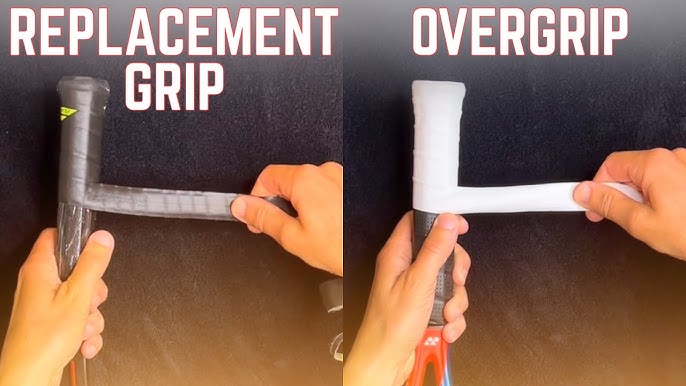
A pickleball overgrip is a thin, often tacky or absorbent tape that you wrap over your paddle’s existing grip. Overgrips are used to change the feel of the handle without removing the original grip underneath. They are common in sports like tennis, badminton, and squash, but have become very popular in pickleball as well.
Overgrips are usually made from synthetic materials and come in a variety of colors, textures, and thicknesses. They are affordable and easy to replace, making them a favorite for players who want to adjust their grip quickly.
Why Players Use Overgrips
Most players use overgrips for one or more of these reasons:
- Extra comfort: Provides a soft and cushioned feel.
- Sweat absorption: Helps hands stay dry during play.
- Better control: Improves grip tackiness for a non-slip hold.
- Grip size adjustment: Increases handle size slightly.
- Easy replacement: Can be changed without tools in minutes.
- Personal style: Adds color or design to your paddle.
Example
Imagine you have a paddle with a standard grip, but after an hour of play, your hand feels sweaty and the paddle slips. Wrapping an overgrip on top gives you a drier, tackier feel—helping you hold the paddle more firmly, even during long matches.
What Is A Replacement Grip?
A replacement grip is the main layer of material wrapped directly onto the paddle handle, usually installed at the factory. It forms the core surface you hold when you play—before any overgrip is added. Replacement grips are thicker and more durable than overgrips, designed to provide structure, cushioning, and support.
When your original grip wears out, you remove it completely and install a replacement grip in its place. These grips are available in various textures, thicknesses, and materials, such as leather or polyurethane.
Main Purposes Of Replacement Grips
Players use replacement grips for these reasons:
- Restore paddle comfort: Replaces worn or slippery factory grip.
- Change grip size: Thicker or thinner options to fit your hand.
- Injury prevention: Better shock absorption reduces hand fatigue.
- Grip customization: Different feels and patterns for better control.
- Durability: Built to last longer than overgrips.
Example
If your paddle handle feels hard, thin, or uncomfortable, or the grip is peeling away, it’s time to remove the old grip and install a new replacement grip. This process restores the paddle to its original feel—or can make it fit your hand even better than before.
Overgrip Vs Replacement Grip: Key Differences
Many players confuse overgrips and replacement grips because they both wrap around the paddle handle. However, their differences are important and will influence your playing experience.
Here’s a direct comparison:
| Feature | Overgrip | Replacement Grip |
|---|---|---|
| Thickness | Thin (0.4–0.7 mm) | Thick (1.5–2.0+ mm) |
| Placement | Over existing grip | Directly on handle |
| Purpose | Comfort, sweat absorption, tack | Cushioning, structure, support |
| Replacement Frequency | Often (weekly/monthly) | Rarely (3–12 months) |
| Cost | Low ($2–$5 each) | Moderate ($6–$15 each) |
| Installation | Quick, easy, no tools | Requires removing old grip |
Non-obvious Insights
- Layering an overgrip increases grip size more than most players expect. If your paddle feels too big after adding an overgrip, consider replacing the base grip with a thinner one.
- Overgrips lose their tackiness quickly—sometimes after just a few matches, especially in hot or humid weather. Replacement grips tend to last much longer.
When Should You Use An Overgrip?
An overgrip is ideal when you want to tweak your paddle’s feel without making permanent changes. Here are common situations:
- Your hands sweat a lot: Overgrips with absorbent surfaces keep your grip secure.
- You play in humid climates: Tackier overgrips help maintain control.
- You want to increase grip size slightly: One or two overgrips can add 1–2 mm to the handle diameter.
- You like to change grip feel often: Overgrips are inexpensive and easy to swap.
- You share a paddle: Each player can use their own overgrip for hygiene and comfort.
Practical Examples
Many tournament players carry several overgrips in their bag. If a grip gets slippery during a match, they quickly wrap a fresh one between games. Some even use colored overgrips to match their outfit or simply to make their paddle stand out.
Credit: www.youtube.com
When Should You Use A Replacement Grip?
A replacement grip is the right choice when your paddle’s original handle feels old or uncomfortable. Choose a replacement grip if:
- The grip is peeling or loose: Old grips can twist or shift, reducing control.
- You feel vibrations or hand pain: Thicker or cushioned replacement grips absorb shocks better.
- You want to change grip size significantly: Replacement grips come in several thicknesses.
- You need better durability: Replacement grips last longer than overgrips.
- You want to start fresh: Removing all old material and wrapping a new grip gives the paddle a “like new” feel.
Example
If you play several times a week, your factory grip may start to wear out after a few months. You may notice the grip feels slippery, thin, or uncomfortable. Installing a new replacement grip can restore comfort and control, helping you play at your best.
How To Install An Overgrip
Applying an overgrip is simple, but there are some tips to make sure it feels professional.
- Clean the handle: Wipe away any dirt or sweat before starting.
- Unwrap the overgrip: Remove the plastic film, if present.
- Start at the butt cap: Place the tapered end at the bottom of the handle.
- Overlap slightly: Wrap the overgrip with a 1/8” overlap as you move up.
- Pull firm, not tight: Stretch gently for a smooth finish, but don’t over-pull.
- Finish at the top: Cut off any excess and secure with finishing tape.
Installation Tips
- For extra cushioning, use two overgrips. But be aware this increases grip size more than you might expect.
- Replace overgrips as soon as they lose tack or become dirty. A fresh overgrip is much more effective than a worn one.
How To Install A Replacement Grip
Installing a replacement grip takes a bit more effort. Here’s a step-by-step process:
- Remove the old grip: Peel off the entire existing grip from the paddle handle.
- Clean the handle: Remove any leftover adhesive or debris.
- Prepare the new grip: Unwrap it and peel off any adhesive backing.
- Start at the butt cap: Align the tapered end at the base of the handle.
- Wrap with overlap: Wrap up the handle, overlapping slightly and pulling firmly for an even look.
- Finish at the top: Cut off extra material and secure with finishing tape or the included adhesive strip.
Practical Tips
- If your paddle handle is sticky after removing the old grip, use rubbing alcohol to clean it.
- For a smaller grip, try a thinner replacement grip. For more cushioning, pick a thicker one or add an overgrip on top.
How Each Grip Type Affects Performance
Your choice between overgrip and replacement grip impacts more than just comfort—it can change your playing style and effectiveness.
Overgrip Impact
- Improved grip in sweaty conditions: Overgrips help you maintain a firm hold.
- Faster reaction time: With a better grip, you can change paddle angles quickly.
- Increased grip size: May help if your fingers wrap too far around the handle.
Replacement Grip Impact
- Reduces vibration: Thick or cushioned replacement grips protect your hand and wrist.
- Custom fit: Replacement grips come in various shapes, allowing you to match your hand size.
- Consistency: A new replacement grip feels the same every match, unlike overgrips which wear out quickly.
| Performance Area | Overgrip | Replacement Grip |
|---|---|---|
| Sweat Management | Excellent (when new) | Good |
| Shock Absorption | Minimal | High |
| Durability | Low | High |
| Cost Over Time | Higher (replaced often) | Lower (lasts longer) |
| Customization | Very high | High |
How To Choose Between Overgrip And Replacement Grip
The best choice depends on your needs, preferences, and playing habits. Here’s how to decide:
- Do you need a quick fix or long-term comfort?
- If you need to adjust grip feel or absorb sweat for today’s match, choose an overgrip.
- If your handle feels worn or uncomfortable, go with a replacement grip.
- Is your grip size right?
- Overgrips add 0.5–1.5 mm to the handle.
- Replacement grips can be thinner or thicker, allowing more precise size changes.
- How often do you play?
- Frequent players may change overgrips weekly or more.
- Replacement grips last months for most.
- Do you have hand pain or fatigue?
- Replacement grips with extra cushioning can help reduce shock and injury risk.
- Do you play in hot, sweaty conditions?
- Overgrips with moisture-absorbing properties help most in humid weather.
Common Mistakes To Avoid
- Using only overgrip on bare handle: Overgrips are not designed to be the main grip. The paddle will feel hard and uncomfortable.
- Stacking multiple overgrips: Too many layers make the grip bulky and reduce control.
- Ignoring worn grips: Old, slippery grips can lead to blisters or dropped paddles.
Popular Overgrip And Replacement Grip Brands
Choosing a grip from a trusted brand can make a difference. Here are some of the most used and reliable brands in pickleball:
Overgrip Brands
- Tourna Grip: Known for absorbency and tackiness, popular in both pickleball and tennis.
- Yonex Super Grap: Soft feel, excellent moisture absorption.
- Wilson Pro Overgrip: Thin, tacky, long-lasting.
Replacement Grip Brands
- Gamma: Offers cushioned, ribbed, and perforated replacement grips.
- HEAD: Good for all-around comfort and tack.
- Babolat Syntec Pro: High durability and comfort.

Credit: www.onixpickleball.com
Overgrip And Replacement Grip Materials
Both grip types come in a range of materials. Knowing the difference helps you pick the right one for your style.
Overgrip Materials
- Polyurethane (PU): Most common, tacky, and absorbent.
- Cotton felt: Offers a soft, sweat-absorbing surface.
- Synthetic blends: Special textures for extra tack or cushion.
Replacement Grip Materials
- Synthetic leather: Durable and comfortable, with good shock absorption.
- Textured rubber: For players who like a sticky, non-slip feel.
- Perforated materials: Improve breathability and sweat management.
Non-obvious Insight
Not all overgrips and replacement grips fit every paddle perfectly. Some brands are longer or wider, so check your paddle’s handle size before buying.
Caring For Your Paddle Grip
No matter which grip you use, proper care extends its life and keeps your paddle in top shape.
- Wipe down after play: Sweat and dirt shorten grip life.
- Store paddle in a cool, dry place: Heat and humidity break down grip materials.
- Replace at signs of wear: When a grip feels slippery, sticky, or rough, it’s time for a new one.
Real-world Examples: Player Experiences
Overgrip Stories
Sarah, a recreational player in Florida, says she changes her overgrip every two weeks because of the humidity. She prefers blue Tourna Grip for its sweat absorption. “If I don’t switch, my paddle slips. A fresh overgrip makes a huge difference,” she explains.
Replacement Grip Stories
Mike, a tournament player, replaced his factory grip with a thicker Gamma replacement grip. “I used to get blisters and my hand hurt after long matches. The new grip is softer and my hand pain is gone,” he reports.
These stories show that grip choice is personal—and the right choice can solve problems you didn’t know you had.
Overgrip And Replacement Grip For Kids And Beginners
Beginners and young players often overlook grip comfort. However, the right grip is essential for learning proper technique.
- For kids, use a thinner replacement grip to fit smaller hands. Add an overgrip only if more size or comfort is needed.
- For beginners, start with the stock grip. If it feels slippery or uncomfortable, experiment with different overgrips to find a preference before committing to a replacement grip.

Credit: www.selkirk.com
Cost Comparison Over Time
Cost is often overlooked, but it can add up if you play regularly.
| Grip Type | Average Lifespan | Cost per Unit | Annual Cost (for frequent players) |
|---|---|---|---|
| Overgrip | 2–4 weeks | $2–$5 | $50–$100 |
| Replacement Grip | 3–12 months | $6–$15 | $12–$30 |
If you play 2–3 times a week, changing overgrips regularly is more expensive long-term. Replacement grips cost more upfront but last longer.
Should You Use Both?
Many advanced players use both—a replacement grip as the base and an overgrip on top. This combination offers:
- Custom comfort: Mix and match thickness, tack, and absorbency.
- Easier maintenance: Change only the overgrip as needed, saving the base grip.
- Personalized feel: Adjust your setup for different weather or playing styles.
But remember, using both increases grip size. If your hand feels stretched or you lose control, remove the overgrip or use a thinner base grip.
Frequently Asked Questions
What Is The Main Difference Between An Overgrip And A Replacement Grip?
The main difference is that an overgrip wraps over your existing grip to add comfort, tack, or absorbency, while a replacement grip is the main grip installed directly on the paddle handle. Overgrips are thinner and replaced more often; replacement grips are thicker and last longer.
How Often Should I Change My Overgrip Or Replacement Grip?
Change overgrips every 1–4 weeks, depending on sweat and playing frequency. Change replacement grips every 3–12 months or when they feel slippery, hard, or uncomfortable.
Can I Use Only An Overgrip Without A Replacement Grip?
No. Overgrips are not designed to be used alone. They are too thin and do not provide enough cushioning or support. Always have a replacement grip underneath for comfort and paddle protection.
How Do I Know If My Grip Size Is Correct?
Your grip size is correct if your fingers and palm fit comfortably around the handle, with a small gap between your fingertips and palm. If you have to squeeze tightly or your fingers overlap, add an overgrip or choose a thicker replacement grip.
If the handle feels too large, try a thinner grip.
Where Can I Find More Information About Paddle Grips?
You can learn more about paddle grip types, installation, and care at the official USA Pickleball Equipment Guide.
Pickleball is a game of skill, speed, and precision—but small details like your grip make a big difference. Understanding the roles of overgrips and replacement grips helps you play more comfortably, avoid injuries, and perform at your best. Try different combinations to discover what feels right for you.
A well-chosen grip can turn a good paddle into your favorite one—and make every game more enjoyable.