
Can You Play Pickleball In The Rain
Pickleball is a fast-growing sport loved for its fun pace and easy-to-learn rules. Many players want to keep playing, even when the weather turns bad. But when the sky gets cloudy and rain starts, a big question comes up: Can you play pickleball in the rain?
For beginners and seasoned athletes alike, understanding the risks, safety tips, and real effects of rain is important. Rain can make pickleball more challenging—and sometimes dangerous. But with the right knowledge, you can make smart decisions about when to play, how to stay safe, and how to care for your equipment.
This guide covers everything you need to know before stepping onto a wet court.
How Rain Affects Pickleball Courts
The court is the heart of pickleball. But when it rains, everything changes. Wet surfaces are more than just a little slippery—they can completely alter your game.
Court Surfaces And Water
Most pickleball courts are made of asphalt, concrete, or acrylic materials. These surfaces are smooth and hard. When water covers them, it creates a thin, invisible layer that’s extremely slippery. Even a small amount of moisture can make the court dangerous.
Acrylic courts are common in public parks. These are painted for grip, but rain washes away the friction. Concrete and asphalt are a bit rougher, but they still become hazardous when wet. Even indoor courts aren’t always safe during rain if there are leaks or high humidity.
Puddles And Drainage
Some courts are built with good drainage, letting water run off quickly. But many courts develop puddles, especially in low spots. These puddles are not just annoying—they can hide cracks or debris, increasing your risk of injury.
Moss, Algae, And Long-term Effects
If a court stays damp for a long time, moss and algae can grow. These green patches are even more slippery than water alone. Over time, rain can make courts rougher, cause cracks, or even damage lines and paint, making play less predictable and more dangerous.
Equipment Concerns: Paddles, Balls, And Shoes
Rain doesn’t just affect the surface. It can change the way your paddle, ball, and shoes perform. Each piece of equipment reacts differently when wet.
Paddles
Pickleball paddles are made from materials like composite, graphite, or wood. Most modern paddles have a textured surface for spin and control. When wet, that texture doesn’t work the same way. A wet paddle can become slippery, making it harder to grip and control your shots.
Some paddles absorb water, especially if they have a soft, cushioned grip. Over time, this moisture can cause the grip to break down or become smelly. If you play often in the rain, you may need to replace grips more frequently.
Balls
Pickleballs are made of hard plastic with holes. Water changes how they bounce and fly. Wet balls become heavier, don’t bounce as high, and can skid instead of bouncing normally. This changes the rhythm and strategies of the game. Balls can also pick up dirt, making them even less predictable.
Shoes
Your shoes are your main defense against slipping. Tennis or court shoes are best for dry play, but their tread patterns don’t work well on wet surfaces. The sole can become slick, and wet socks can lead to blisters. Playing in wet shoes can also cause long-term damage to the shoe material.
Clothing
Synthetic materials are better than cotton in the rain because they dry faster and don’t hold as much water. Wet clothing can add weight and make you feel colder, especially if the temperature drops.
Safety Risks Of Playing Pickleball In The Rain
The biggest concern when playing in the rain is safety. Wet courts and equipment increase your risk of falls, strains, and injuries.
Slips And Falls
A wet court is as slippery as ice in some spots. Quick movements, pivots, or even a simple step can cause you to lose your footing. Most pickleball injuries in the rain involve sprained ankles, wrist fractures, or bruises.
Reduced Visibility
Rain can make it harder to see the ball, especially if you wear glasses. Water droplets on glasses or sunglasses distort your vision. In heavy rain, the ball can disappear in the air, making it easy to miss shots or run into other players.
Lightning And Storms
Playing outside during a thunderstorm is extremely dangerous. Lightning can strike courts or nearby fences and poles. Even if it’s just raining, always check the weather for thunderstorm warnings.
Hypothermia And Cold
Wet clothing and shoes can make you feel colder, especially if it’s windy. Extended play in the rain can lead to a drop in body temperature, making it hard to stay comfortable or focus.
Game Play Changes: How Rain Alters The Sport
Pickleball is a game of control, spin, and quick reflexes. Rain changes all of that.
Slower Pace And Unpredictable Bounces
A wet ball is heavier and doesn’t bounce as high. This slows down the game and makes rallies less consistent. The ball can skid or stop suddenly on a wet patch, making it hard to predict where it will go.
Reduced Spin And Power
Wet paddles and balls don’t grip each other well. This means you’ll get less spin and less power on your shots. Slices and topspin become much harder to execute, and hard drives often fall flat.
Strategy Adjustments
You may need to play more conservatively, using softer shots and focusing on placement instead of power. Fast movements and lunges are risky, so players often stick to the middle of the court and avoid chasing wide balls.
Communication With Partners
Doubles pickleball relies on good communication. In the rain, it’s harder to call shots or warn your partner about slippery spots. Extra caution and clear signals are necessary to avoid collisions.
When Is It Safe To Play Pickleball In The Rain?
There are some situations where it’s possible to play, but you need to use good judgment.
Light Drizzle Vs. Heavy Rain
A light drizzle with no puddles may be manageable, especially if the court dries quickly and there’s no risk of slipping. Heavy rain, standing water, or visible puddles are clear signs to stop. If you see moss or algae, avoid those areas completely.
Indoor Courts
If you have access to an indoor pickleball court, rainy weather is not a problem. Make sure the floor is dry and free of leaks. Some gyms or community centers allow pickleball during bad weather, but be sure to follow their rules about wet shoes and equipment.
Warnings And Local Rules
Some parks or clubs have rules that close courts during rain or wet conditions. Always check signs and obey local guidelines. Playing when courts are closed can damage the surface or put you at risk.
How To Prepare For Rainy Pickleball
If you love pickleball and don’t want the rain to stop you, there are ways to prepare and reduce risks.
Check The Forecast
Before heading out, check the weather for your area. Apps and websites can give you hourly updates. Try to avoid playing if heavy rain is expected.
Wear Proper Gear
- Waterproof jacket: Keeps you dry and comfortable.
- Synthetic shirts and shorts: Dry faster than cotton.
- Hats or visors: Keep rain out of your eyes.
- Good grip shoes: Replace shoes with worn soles.
- Extra socks and towels: Change if you get too wet.
Use The Right Equipment
Some players use overgrips on their paddles to improve grip in wet conditions. Bring extra balls, since they get waterlogged quickly.
Warm Up Carefully
Muscles are more likely to get injured when it’s cold and wet. Spend extra time warming up, and do some dynamic stretches before starting.
Have A Backup Plan
If the weather gets worse, be ready to stop play. It’s better to wait a day than risk injury.
Cleaning And Caring For Equipment After Rain
If you play in the rain, take time to care for your gear afterward.
Paddles
Wipe your paddle down with a soft, dry cloth. Remove the grip if it’s soaked and let it dry separately. Avoid storing a wet paddle in your bag.
Balls
Dry pickleballs with a towel and check for cracks. Wet balls can split more easily, so replace them if you notice damage.
Shoes And Clothing
Take shoes off as soon as possible and let them air dry. Stuff them with newspaper to absorb moisture. Wash and dry your clothes quickly to prevent mildew.
Real-life Stories: What Players Experience
Hearing from other players can help you understand the real impact of rain on pickleball.
One player shared: “I slipped during a light rain, even though the court didn’t look wet. My ankle swelled up, and I was out for weeks. Now I always check the surface with my hand before starting.”
Another group in Seattle, where rain is common, said: “We play in the rain sometimes, but only when there’s no standing water. We use old balls and avoid running fast. Still, we see more falls and shorter games.”
A coach in Florida explained: “Rain makes the game unpredictable. Beginners often don’t realize how much it changes the ball’s bounce and speed. I always tell my students: if you’re not sure, don’t play.”

Credit: www.youtube.com
Comparison: Dry Vs. Wet Pickleball Conditions
Here’s a quick comparison to help you see the difference between normal and rainy play.
| Condition | Dry Court | Wet Court |
|---|---|---|
| Ball Bounce | High, predictable | Low, skids or stops |
| Player Movement | Quick, safe | Slow, risk of slips |
| Spin and Control | Easy to apply | Hard to achieve |
| Equipment Wear | Normal | Faster grip, shoe wear |
| Injury Risk | Low | High |
Tips For Playing Safely In Wet Conditions
If you do decide to play when there’s light rain, these tips can keep you safer.
- Walk the court first to check for slippery spots or puddles.
- Use extra caution on serves and returns—don’t try risky lunges.
- Communicate clearly with your partner about wet areas.
- Play shorter games to limit time in slippery conditions.
- Keep a towel handy to dry hands, paddle, and ball often.
- Wear a hat or visor to keep rain out of your eyes.
- Bring extra gear (socks, shirts) to change into if you get soaked.
- Stop immediately if you feel unsafe or see lightning.
- Watch for muscle fatigue—wet conditions tire you out faster.
- Let the court dry before resuming if the rain stops.

Credit: www.pb5star.com
Common Mistakes Players Make When Playing In The Rain
Even experienced players make errors in wet weather. Here are common mistakes and how to avoid them.
Ignoring The Risk
Many think, “It’s just a little rain, I’ll be fine. ” This attitude leads to injuries. Even a slightly damp court can be dangerous.
Wearing The Wrong Shoes
Running shoes or old sneakers have poor grip on wet courts. Always use shoes made for court sports, and replace them if the soles are worn.
Not Drying Equipment
Leaving a wet paddle or ball in your bag can lead to mold and quick wear. Always dry your gear before storing it.
Playing Through Thunderstorms
Never try to finish a game if you hear thunder or see lightning. Courts are often surrounded by metal fences and poles, which can attract lightning.
Using New Balls
Wet conditions are tough on pickleballs. Save your best balls for dry days; use older ones in the rain to avoid disappointment.
Alternatives: What To Do When Rain Cancels Play
Sometimes, the safest and best option is to skip outdoor pickleball on rainy days. But you can still stay connected to the sport.
Find An Indoor Court
Many community centers, gyms, or schools offer indoor pickleball. Check schedules and rules before you go.
Watch Instructional Videos
Rainy days are a great time to study strategy or technique. Many top players share tips online.
Work On Fitness
Use the time to stretch, strengthen, or do agility drills at home. This keeps you in shape and ready when the weather improves.
Organize Social Events
Get together with your pickleball group for coffee or a meal. Staying social helps keep team spirit high.
How To Dry A Wet Pickleball Court
If you’re determined to play after the rain, here’s how to speed up the drying process.
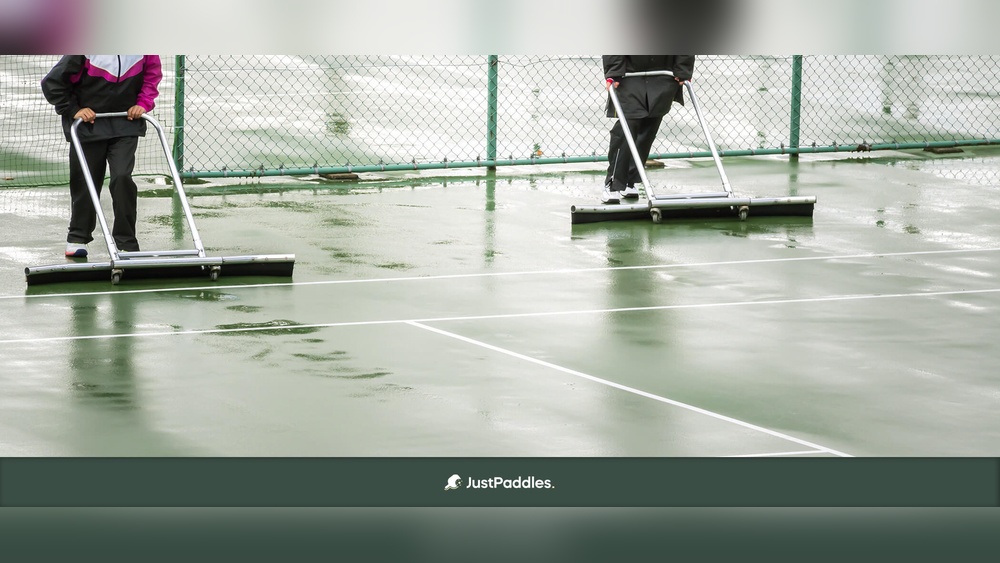
- Use a court roller (squeegee) to push water off the surface.
- Towels or absorbent pads can help, but you’ll need several.
- Leaf blowers can clear away puddles and speed up drying.
- Wait for sun and wind—natural drying is safest.
- Check for debris left behind after the water is gone.
Never use salt or chemicals, as these can damage the court surface.
Environmental Factors: Rain, Humidity, And Court Location
Rain isn’t the only weather factor that matters. High humidity can also make courts damp and slippery. Coastal areas or shaded courts stay wet longer. In colder climates, rain can turn to ice, making outdoor play impossible.
Courts in sunny areas dry faster, but leaves, pollen, or dust can mix with rain, creating slippery patches. Always check the court carefully before playing, no matter where you are.

Credit: pickleball.com
Insurance, Liability, And Organized Play In The Rain
If you play at a club or in a league, there may be insurance issues with playing in the rain. Many organizations do not cover injuries that happen when you break safety rules or ignore weather warnings.
Some clubs post “Closed” signs during wet weather. Playing anyway can make you responsible for any damage or injuries. Always follow posted guidelines, and ask officials if you’re not sure.
The Science: Why Is Wet So Slippery?
Water acts as a lubricant between your shoe and the court. Even rough surfaces lose grip when a thin layer of water is present. That’s why it’s easier to slip, even if you’re wearing “grippy” shoes. The effect is stronger if there’s dust, dirt, or moss present.
A study from the American Orthopaedic Society for Sports Medicine found that wet courts increase lower limb injuries by up to 40%. Another research found that falls happen twice as often on wet vs. dry courts. These facts show why caution is key.
Weather Apps And Tools For Pickleball Players
Smart players use technology to avoid surprises.
- Weather apps: Get real-time updates before heading out.
- Radar maps: See when rain will start or stop.
- Court condition reports: Some clubs update members by text or email.
By planning ahead, you’ll waste less time and avoid risky situations.
Is Rain Ever Good For Pickleball?
While most advice says to avoid rain, there are rare cases where a light drizzle can help cool a hot court or settle dust. But this is only true if the surface dries quickly and there’s no standing water. Most of the time, rain is a reason to pause—not play.
Frequently Asked Questions
Can You Use Any Special Equipment To Play Pickleball In The Rain?
There isn’t a true “rain paddle” or “rain ball. ” Some players use overgrips or old balls, but no equipment fully solves the problems of wet conditions. Shoes with new treads help, but safety is still a concern.
Is It Ever Safe To Play On A Wet Court?
In rare cases, if the court is only slightly damp (no puddles or moss) and you move cautiously, it might be safe for slow, careful play. But even then, the risk is higher than on dry surfaces.
How Long Does It Take A Pickleball Court To Dry After Rain?
Drying time depends on the court material, weather, and drainage. On a sunny, windy day, a court may dry in 30–60 minutes. Shady or poorly drained courts can take several hours.
What Should You Do If You Slip And Fall During A Rainy Pickleball Game?
Stop play immediately. Check for injuries, especially to wrists or ankles. Clean any wounds and seek medical help if needed. Don’t continue playing, even if you feel okay at first.
Where Can I Learn More About Pickleball Safety And Weather?
You can read official safety guidelines from the USA Pickleball Association or trusted sources like Wikipedia for more in-depth information.
Final Thoughts
Pickleball is a sport that’s best played in safe, dry conditions. While a little rain may not seem dangerous, even experienced players can get hurt on slippery courts. Wet equipment, low visibility, and cold temperatures add to the risks. If you’re serious about pickleball, focus on preparation, know when to stop, and take care of your gear.
Remember: the court will be there after the rain. Your safety—and your enjoyment of the game—should always come first. If you’re ever in doubt, wait for clearer skies and drier ground. That way, you’ll be ready to play your best game, every time.