
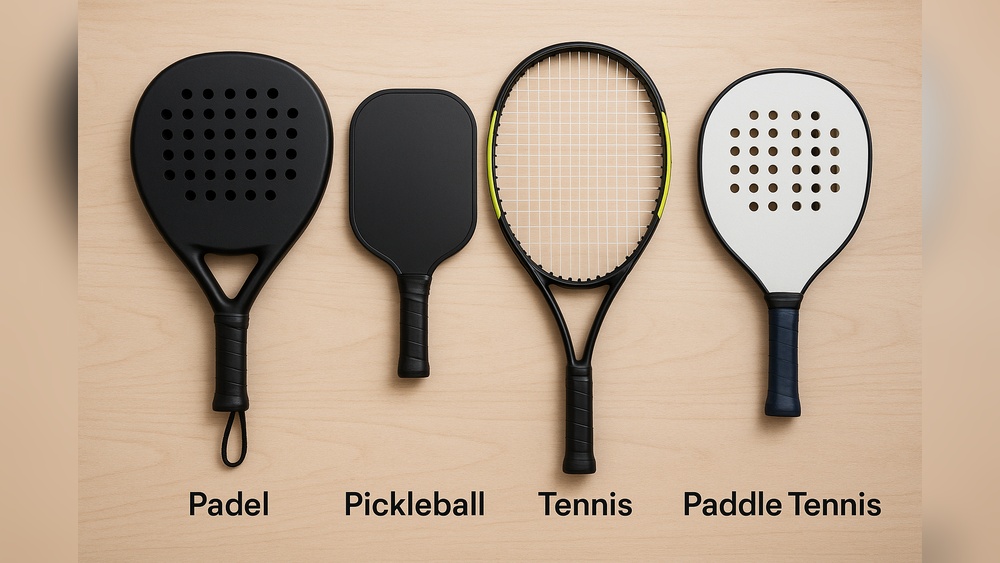
Are you trying to decide between paddle tennis and pickleball but feel stuck choosing the right racket? You’re not alone.
Both sports are fast-growing and fun, yet their rackets look similar at first glance. But here’s the catch: the differences in paddle tennis rackets and pickleball paddles can change how you play and enjoy the game. Keep reading, and you’ll discover which gear fits your style and helps you win more points.
Don’t make a choice before knowing these key facts!
Paddle Tennis Racket Basics
Paddle tennis rackets have unique features that set them apart. They play a big role in how the game feels and flows. Understanding their basics helps players choose the right one.
Each racket’s design affects control and power on the court. Materials used impact durability and weight. Grip and handle style influence comfort during play.
Design And Materials
Paddle tennis rackets usually have a solid hitting surface. They lack strings, unlike traditional tennis rackets. Most rackets use composite materials like carbon fiber or fiberglass. These materials offer strength and lightness. The shape can be round or teardrop, affecting sweet spot size. A larger sweet spot makes hitting easier.
Weight And Balance
Racket weight affects swing speed and control. Paddle tennis rackets often weigh between 300 and 400 grams. Balanced rackets provide even weight distribution. Head-heavy rackets add power but reduce control. Head-light rackets offer more maneuverability. Players pick weight and balance based on style and skill.
Grip And Handle Features
Grips vary in thickness to fit different hand sizes. Comfortable grips reduce hand fatigue and improve handling. Some handles have cushioned wraps for extra comfort. The grip texture helps prevent slipping during play. Handle length is usually shorter than tennis rackets. Proper grip choice supports better performance.
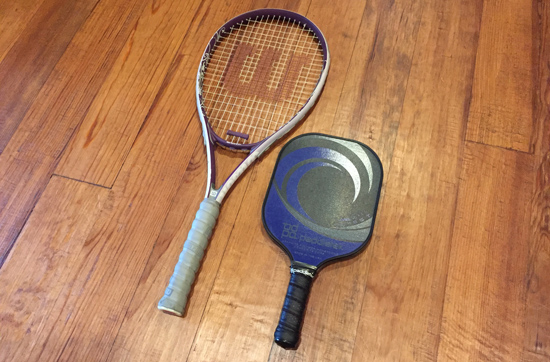
Credit: pickleballkitchen.com
Pickleball Paddle Essentials
Pickleball paddles are key to playing well. They affect control, power, and comfort. Choosing the right paddle helps players enjoy the game more. Many features make each paddle unique.
Understanding these features helps in picking the best paddle. Three main parts to focus on are construction, size and weight, and grip style. Each part changes how the paddle feels and performs.
Construction And Materials
Pickleball paddles use different materials for the face and core. Common faces are made from graphite, fiberglass, or composite. Graphite paddles feel light and offer good control.
Cores usually have polymer, nomex, or aluminum honeycomb. Polymer cores are quieter and softer. Nomex cores give more power but can be louder. Aluminum cores balance power and control well.
Size And Weight Variations
Paddles come in many sizes and weights. Most paddles are between 7.5 and 8.5 inches wide. Larger paddles give a bigger hitting area but may weigh more.
Weight varies from about 6 to 14 ounces. Lighter paddles allow faster swings and better control. Heavier paddles add power but can tire the arm faster. Choose weight based on your strength and style.
Grip Styles And Comfort
Grip size affects comfort and control. Grips come in different thicknesses, usually between 4 and 4.5 inches in circumference. Thicker grips help players with larger hands.
Some grips have extra padding or are made from soft materials. These reduce hand fatigue and absorb sweat. Comfortable grips improve your hold and reduce slipping during play.
Performance Differences
Performance differences between paddle tennis rackets and pickleball paddles affect gameplay. Both sports demand specific features from their equipment. Understanding these differences helps players choose the right paddle for their style.
Each paddle offers unique benefits in power, control, and speed. These factors influence how players hit the ball and respond during matches. Let’s explore the main performance areas to see how these paddles compare.
Power And Control
Paddle tennis rackets often provide more power due to their solid build. They have a larger surface area, which helps generate stronger shots. Control is balanced with power, but it can be harder to maintain precision on fast swings.
Pickleball paddles focus more on control. Their lighter weight allows players to place the ball accurately. Power is present but usually less intense than in paddle tennis. This balance suits players who prefer accuracy over raw strength.
Maneuverability And Speed
Pickleball paddles are lighter and smaller, making them easier to move quickly. This speed helps players react faster to shots near the net. Maneuverability is a key advantage in pickleball’s fast-paced rallies.
Paddle tennis rackets are heavier and bulkier. They require more effort to swing but offer stability. The extra weight can slow down quick movements but adds momentum to each shot. This suits players who rely on power rather than speed.
Spin And Shot Variety
Paddle tennis rackets allow more spin due to their textured surfaces. Players can create varied shots that confuse opponents. Spin adds depth to gameplay, making it more strategic.
Pickleball paddles have smoother surfaces, producing less spin. Shot variety comes from placement and timing rather than spin effects. This keeps the game simple and fast-paced without complex ball curves.
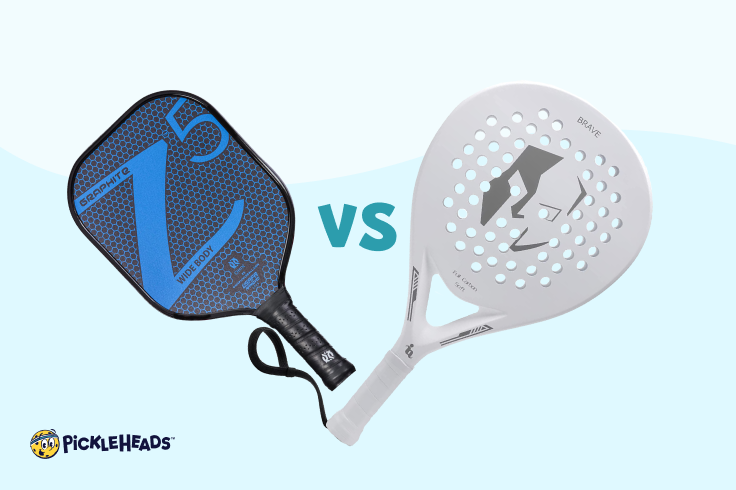
Credit: www.pickleheads.com
Durability And Maintenance
Durability and maintenance are important when choosing between a paddle tennis racket and a pickleball paddle. Both sports require equipment that can handle regular play and last over time. Understanding how wear affects each and how to care for them helps keep your gear in good shape.
Wear And Tear Factors
Paddle tennis rackets face rough court surfaces and strong hits. This can cause surface scratches and edge chips. Pickleball paddles endure constant ball strikes and occasional drops. The paddle face may dent or peel over time. Both rackets and paddles can lose grip as grips wear down with use. Quality materials resist wear better but still show signs after long play.
Cleaning And Care Tips
Clean paddle tennis rackets with a soft cloth and mild soap. Avoid harsh chemicals that damage surface coatings. Wipe pickleball paddles gently to remove dirt and sweat. Keep both dry to prevent mold and odor. Store gear in a cool, dry place away from sunlight. Replace grips when they become slippery for better control.
Lifespan Expectations
Paddle tennis rackets last around 1 to 3 years with regular use. Pickleball paddles can last 2 to 4 years depending on play frequency. Heavy players may need to replace gear sooner due to faster wear. Proper care can extend the life of both rackets and paddles. Inspect equipment regularly to catch damage early and avoid performance loss.
Choosing The Right Gear
Choosing the right gear can make a big difference in your paddle tennis or pickleball experience. The right racket or paddle fits your skill, style, and budget. It helps you play better and enjoy the game more. Here are some key points to consider before buying your equipment.
Player Skill Level Considerations
Beginners need lightweight rackets or paddles for easy handling. Advanced players benefit from heavier gear for more power and control. Choose equipment that matches your current skill. This helps you improve without frustration. Changing gear as skills grow is common.
Playing Style Impact
Offensive players often prefer rackets or paddles with a larger sweet spot. Defensive players look for better control and precision. Consider whether you like fast, aggressive shots or slow, careful play. Your playing style affects the best gear choice.
Budget And Brand Options
Rackets and paddles come in many price ranges. Set a budget before shopping to avoid overspending. Well-known brands offer quality but may cost more. Lesser-known brands can provide good value for beginners. Balance price and quality for the best deal.
Popular Models Comparison
Choosing the right paddle is key for both paddle tennis and pickleball players. Popular models differ in design, weight, and materials. These differences affect play style and comfort. Below, we compare top options for both sports.
Top Paddle Tennis Rackets
Paddle tennis rackets are usually made from composite materials. They have a solid surface with holes to reduce air resistance. Popular models include the Selkirk Amped, HEAD Graphene, and Wilson Juice Pro. These rackets offer good control and power. Many players prefer medium weight for balance and quick moves.
Leading Pickleball Paddles
Pickleball paddles are lighter and have a larger hitting surface. Common materials are graphite, wood, and polymer cores. Top paddles include the Paddletek Bantam, Onix Z5, and Engage Encore. These provide excellent touch and spin. Most paddles weigh between 7 and 8.5 ounces for fast reactions.
User Reviews And Ratings
Players praise paddle tennis rackets for durability and strong hits. Some mention a learning curve due to weight. Pickleball paddles get high marks for lightness and control. Users report less arm fatigue with pickleball paddles. Ratings often reflect personal play style and preference. Trying paddles before buying helps find the best fit.
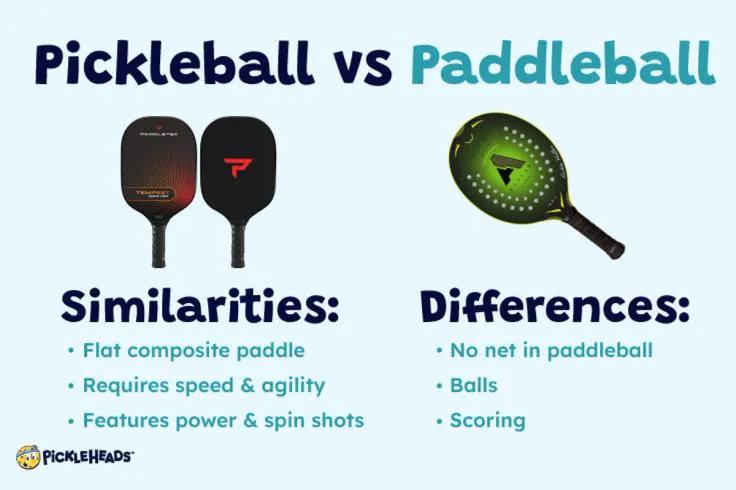
Credit: www.pickleheads.com
Frequently Asked Questions
What Is The Main Difference Between Paddle Tennis And Pickleball Rackets?
Paddle tennis rackets are solid and heavier, designed for faster ball control. Pickleball paddles are lighter with a larger surface, ideal for slower, strategic shots.
Can You Use A Pickleball Paddle In Paddle Tennis?
No, pickleball paddles are not suitable for paddle tennis. They lack the weight and durability needed for paddle tennis gameplay.
Which Racket Offers Better Control, Paddle Tennis Or Pickleball?
Paddle tennis rackets provide better control due to their solid construction. Pickleball paddles emphasize spin and placement over control.
How Does Racket Size Differ Between Paddle Tennis And Pickleball?
Paddle tennis rackets are smaller and thicker, while pickleball paddles are larger and thinner. This affects playing style and shot dynamics.
Conclusion
Choosing between paddle tennis racket and pickleball paddle depends on your play style. Both offer fun ways to stay active and enjoy sports. Paddle tennis rackets are heavier and larger, giving more power. Pickleball paddles are lighter, allowing quicker movements and control.
Think about your comfort and game goals before deciding. Trying both can help you find what fits best. Enjoy the sport you pick and have fun on the court!