

Pickleball is a sport that has seen explosive growth in recent years. Whether you’re new or experienced, you’ll hear one question quite often: Do pickleball paddles wear out? Players want to know how long their paddle will last, how to spot signs of wear, and what factors affect paddle life. If you’ve invested in a paddle, you want to get the most out of it—both in play and value.
Understanding the lifespan of a pickleball paddle isn’t just about money. A worn-out paddle can affect your game, create frustration, and even cause injury if you’re not careful. In this guide, we’ll look deeply at paddle materials, signs of wear, real-world usage, and how to care for your paddle.
We’ll also bust some common myths and answer the questions players usually forget to ask. By the end, you’ll have a clear idea of when to replace your paddle and how to extend its life.
How Pickleball Paddles Are Made
To understand if and why paddles wear out, it helps to know how they’re built. Pickleball paddles look simple, but there’s careful engineering inside.
Paddle Materials
Most modern paddles use a core sandwiched between two surface layers, or “faces.” The core gives strength and feel; the face provides touch and spin. Here are the main materials you’ll find:
- Polymer (plastic) core: The most common, known for quiet play and durability.
- Nomex (paper honeycomb) core: Stiffer, louder, and often used for more power.
- Aluminum core: Lightweight and good for control, but less durable if played hard.
For the face, you’ll usually see:
- Fiberglass: Popular for power and spin, but can chip.
- Graphite/Carbon fiber: Lighter, offers control and touch, but can develop soft spots.
- Composite: Mix of materials for a blend of power and feel.
These materials are bonded together with adhesives and sometimes heat. Edges are often protected by a plastic guard.
How Construction Affects Wear
Each material wears differently. For example, graphite faces might get soft spots, while fiberglass can crack or flake. Polymer cores usually last longer, but even they can break down with time and impact.
Non-obvious insight: The quality of the glue and manufacturing process affects durability just as much as the paddle’s face or core. Cheaper paddles may look the same but can fall apart faster.
Why Pickleball Paddles Wear Out
A paddle is made to hit a hard plastic ball—over and over. Even with tough materials, that pounding takes a toll.
Main Causes Of Paddle Wear
- Repeated Impact: Every shot transfers energy into the paddle. Over hundreds or thousands of games, this can break down both the core and the face.
- Environmental Factors: Sun, rain, and heat can weaken materials. Leaving a paddle in a hot car, for example, can soften glue and warp the core.
- Accidents: Drops, scrapes against the ground, or hitting another paddle can damage the edges and surface.
- Normal Aging: Even if you baby your paddle, adhesives can dry out and materials can slowly degrade.
What Wears Out First?
- The surface often shows wear first—scratches, faded graphics, or cracks.
- The core can develop dead spots, where the ball no longer bounces well.
- The edge guard might come loose or crack.
Non-obvious insight: Performance often drops before you see big visual damage. A paddle can look fine but still play “dead.”
How Long Do Pickleball Paddles Last?
There’s no single answer—paddle life depends on materials, play style, and care. But you can expect:
- Casual players (once a week): 2-3 years
- Regular players (several times per week): 1-2 years
- Competitive/tournament players: 6-12 months
Some pros replace their paddles every few months to stay sharp. For most people, 1-2 years is normal.
Here’s a quick comparison of estimated paddle lifespans by player type and material:
| Player Type | Polymer Core | Nomex Core | Aluminum Core |
|---|---|---|---|
| Casual | 2-3 years | 1-2 years | 1-2 years |
| Regular | 1-2 years | 6-12 months | 6-12 months |
| Competitive | 6-12 months | 3-6 months | 3-6 months |
Remember: if you play outdoors, your paddle may wear out faster due to weather and rough surfaces.
Signs Your Pickleball Paddle Is Wearing Out
Spotting a worn paddle isn’t always easy. Some signs are obvious; others are subtle. Here’s what to check:
Visual Signs
- Cracks or chips on the face or edge
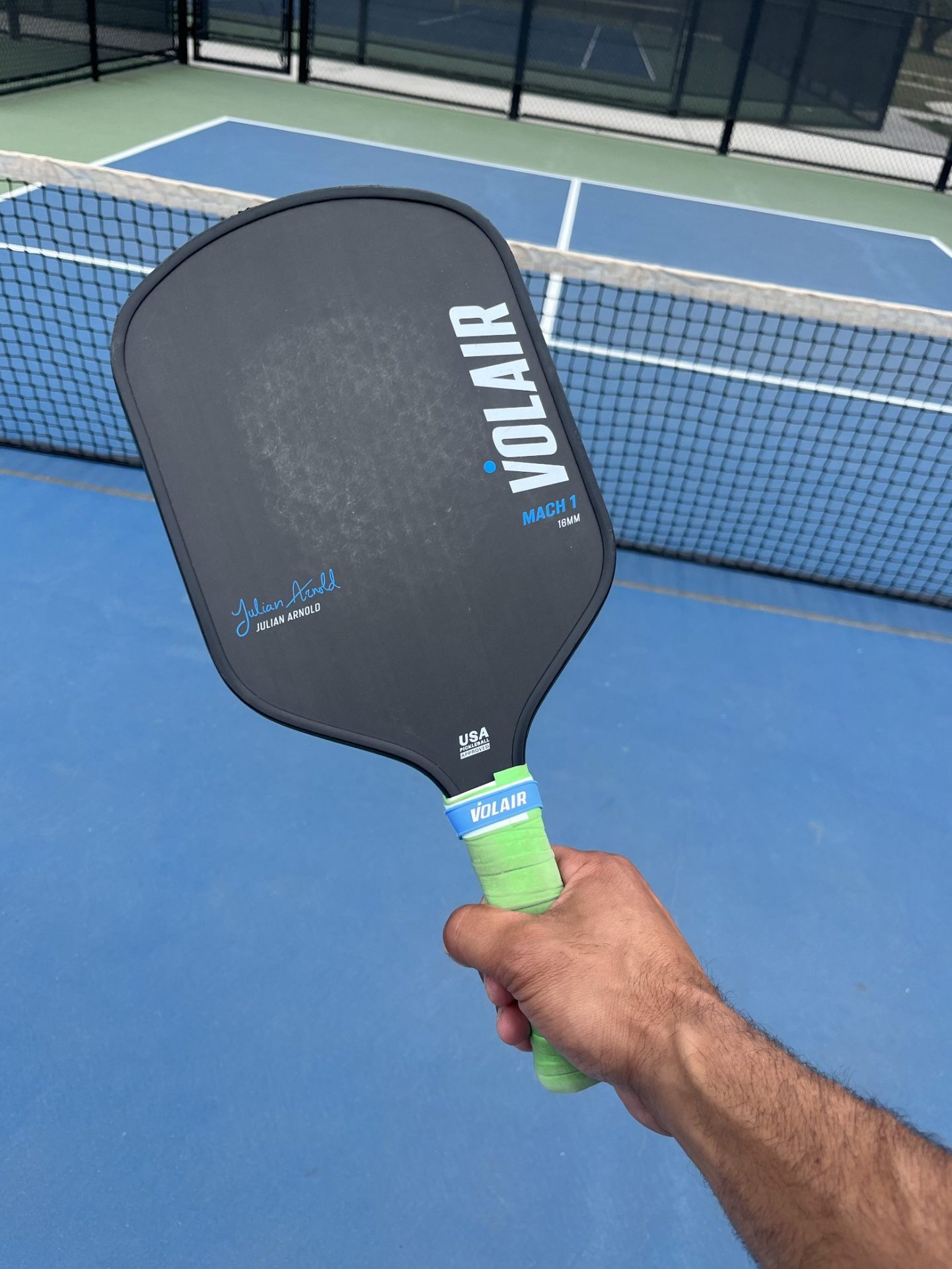
- Worn or faded graphics (especially in the center)
- Loose or broken edge guard
- Delamination (layers starting to separate)
Performance Signs
- Dead spots: The ball doesn’t pop off the paddle in certain areas.
- Less power: Shots feel weaker, even with the same swing.
- Reduced control: Balls don’t go where you aim, especially on touch shots.
- Odd sounds: A dull “thud” instead of the usual pop.
Feel
- Vibration: More shock in your hand, signaling broken internal structure.
- Weight change: If the paddle suddenly feels lighter or uneven, the core may be damaged.
Non-obvious insight: Many players adjust unconsciously to a dying paddle—swinging harder or blaming their technique. If your game feels “off” for a while, check your paddle first.
What Affects Paddle Lifespan?
Not all paddles—or players—are the same. Here’s what makes a difference:
Paddle Quality
Higher-end paddles use better materials and stricter quality control. They usually last longer and perform better over time.
Playing Frequency
The more you play, the faster you’ll wear out your paddle. Simple but true.
Playing Style
- Power hitters: Hard, aggressive shots break paddles down faster.
- Touch players: Softer play means less wear.
- Ground scrapers: If you drag your paddle on the court, edges and faces wear out quickly.
Indoor Vs. Outdoor Play
- Outdoor courts (especially concrete) are rougher on paddles.
- Indoor play is softer on gear, so paddles last longer.
Care And Storage
- Proper storage (indoors, away from heat and sun) extends paddle life.
- Neglect (leaving in a hot car or wet bag) shortens it.
How To Prolong Your Paddle’s Life
Want your paddle to last? A few smart habits make a big difference.
- Store indoors in a cool, dry place.
- Avoid extreme temperatures. Don’t leave your paddle in a car or direct sunlight.
- Use a paddle cover to protect from scratches and dust.
- Wipe down after play—sweat, dirt, and water can degrade materials.
- Don’t use your paddle to pick up balls (especially on rough courts).
- Check the edge guard and glue regularly.
Non-obvious tip: Rotate between two paddles if you play often. This gives each paddle a chance to “rest,” reducing stress on the core.

Credit: www.reddit.com
When Should You Replace Your Pickleball Paddle?
It’s tempting to keep using a paddle until it’s totally dead. But waiting too long can hurt your game and enjoyment. Replace your paddle when:
- You notice dead spots or a loss of power.
- There are visible cracks, chips, or delamination.
- The edge guard is loose or broken.
- You feel more vibration or discomfort.
- Your results decline (after checking your technique and other equipment).
Competitive players often replace paddles before big tournaments, even if there’s only minor wear.
Myths About Pickleball Paddle Wear
There’s a lot of advice out there, but not all of it is true. Let’s clear up some common myths.
Myth 1: “expensive Paddles Never Wear Out.”
Reality: Higher price can mean better materials, but all paddles wear out with enough use.
Myth 2: “if It Looks Fine, It’s Fine.”
Reality: Performance often drops before visible damage appears.
Myth 3: “you Can Fix A Dead Paddle With New Grip Or Tape.”
Reality: Grips only affect comfort. They don’t fix core or face damage.
Myth 4: “only Pros Need To Worry About Paddle Wear.”
Reality: Even beginners benefit from a well-performing paddle. A dead paddle can slow your progress and cause frustration.

Credit: pickleballzonesa.co.za
Comparing Pickleball Paddle Types By Durability
Choosing the right paddle can give you more playing time before you need a new one. Here’s a quick look at how different types stack up for durability:
| Paddle Face | Durability | Common Issues |
|---|---|---|
| Fiberglass | Moderate | Chipping, cracking |
| Graphite/Carbon Fiber | High | Soft spots, surface wear |
| Composite | High | Edge guard issues, delamination |
Graphite and composite paddles usually last longer if treated well, but all types will eventually need replacing.
Real-world Examples: Paddle Wear In Action
Let’s see how paddle wear looks for different types of players:
Example 1: The Weekend Warrior
Sam plays on Saturdays with friends. He stores his paddle indoors and doesn’t play too aggressively. His polymer-core paddle lasted over two years before he noticed a slight dead spot in the center. He replaced it, and his shots felt crisper immediately.
Example 2: The Tournament Player
Jenna plays five days a week and enters local competitions. She uses a high-end graphite paddle. After about eight months, she noticed her dinks lost control and her drives felt dull. There were no cracks, but she switched paddles before her next event.
Her accuracy improved right away.
Example 3: The Outdoor Grinder
Mike loves playing outside, even on rough concrete courts. His Nomex-core paddle started showing edge wear after six months. The face chipped, and the edge guard peeled away. He tried taping it, but performance kept dropping. He now rotates paddles and uses a cover to get more life from each.
These stories show that how you play and care for your paddle matters as much as what you buy.
Paddle Care: What Actually Works?
With so much advice online, it’s easy to get confused. Here’s what really helps:
- Clean with a damp cloth—not harsh cleaners, which can damage surfaces.
- Check for loose edge guards and re-glue if needed.
- Don’t use your paddle as a walking stick or for scraping shoes.
- Bring your paddle inside after playing outdoors, especially in rain or heat.
Non-obvious tip: Periodic inspection—hold your paddle up to the light and tap different spots with a ball. Listen for dull sounds or feel for uneven bounce. This catches problems before they become obvious.
Can You Repair A Worn-out Pickleball Paddle?
In most cases, no. Minor issues like a loose edge guard can be fixed, but once the core or face is damaged, the paddle is done.
- Edge guard coming off? Try a little super glue.
- Grip worn out? Replace it for comfort, but this won’t fix paddle performance.
- Cracks, dead spots, or delamination? Time for a new paddle.
Some companies offer limited warranties for manufacturing defects, but these don’t cover normal wear and tear.
Credit: www.pickleballportal.com
Environmental Impact: What To Do With Old Paddles
It’s a question many players never ask—what happens to old paddles? Most are made of plastic, resin, and other materials that are not easily recycled.
- Donate to schools or beginner programs if the paddle is still playable.
- Upcycle—old paddles can be turned into garden tools, wall art, or even kid toys.
- Check with local recycling centers about special disposal programs.
Some brands are starting to explore recycling programs, but this is still rare. For now, creative reuse is the best option.
The Impact Of Paddle Wear On Your Game
A worn-out paddle doesn’t just look bad—it can affect your skills and enjoyment:
- Lost power: You work harder for the same results.
- Inconsistent shots: Hard to improve when the paddle is unpredictable.
- Risk of injury: More vibration and shock can strain your arm or wrist.
- Frustration: Blaming yourself for mistakes that are really the paddle’s fault.
If you’re struggling with your game, check your paddle before changing your swing or buying expensive lessons.
Tips For Choosing A Durable Paddle
If you’re buying a new paddle and want it to last, here’s what to look for:
- Reputable brand: Stick to brands with good reviews and clear warranty policies.
- Quality materials: Polymer core and graphite/composite faces tend to last longer.
- Solid edge guard: A well-attached edge guard protects from drops and scrapes.
- Feel in hand: Don’t choose just by specs—try paddles to see what feels right.
- Warranty: Some brands offer 6-12 month warranties against defects.
Non-obvious tip: Weight balance matters. Heavier paddles can take more abuse but may tire your arm faster. Lighter paddles are easier to swing but can wear faster if you hit hard.
Frequently Asked Questions
How Do I Know If My Pickleball Paddle Is Worn Out?
Look for dead spots, cracks, chips, or a loose edge guard. If your shots feel weak, your control drops, or the paddle sounds dull when striking the ball, it may be time to replace it.
Can I Fix A Cracked Pickleball Paddle?
Usually, no. Cracks in the face or core mean the paddle has lost its structure. Small repairs to the edge guard are possible, but once the main body is damaged, you should get a new paddle.
Do Weather Conditions Affect Paddle Wear?
Yes. Heat, cold, and moisture can weaken the glue and materials inside a paddle. Leaving your paddle in a hot car or playing in the rain will shorten its life. Always store your paddle in a cool, dry place.
How Can I Make My Pickleball Paddle Last Longer?
Use a paddle cover, store indoors, avoid rough surfaces, and clean after each use. Rotate between two paddles if you play often. Don’t use your paddle for anything but playing.
Where Can I Find Reliable Information About Paddle Care And Replacement?
For expert advice, visit the USA Pickleball Association or check out this official guide to equipment and paddle maintenance.
Pickleball paddles do wear out, but with smart choices and good care, you can enjoy many games before needing a new one. Recognizing the signs of wear early protects your skills, your money, and your love for the game. Whether you’re playing for fun or pushing for a medal, your paddle is your partner—take care of it, and it will take care of you.