
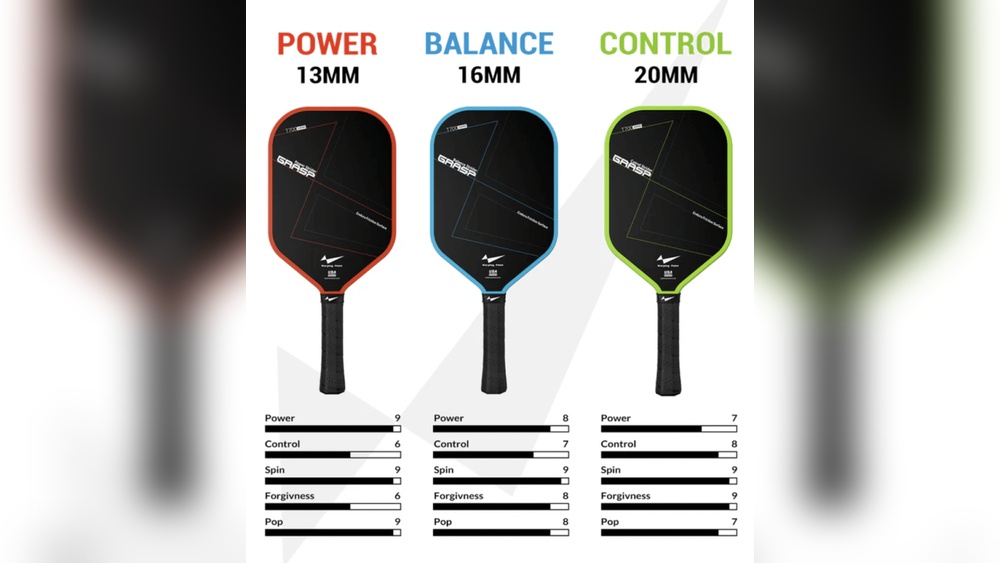
Choosing the right pickleball paddle can make a big difference in your game. If you’ve come across the terms 16mm and 20mm pickleball paddles, you might be wondering which one suits you best.
These numbers refer to the paddle’s thickness, and that small detail can change how you play. You’ll discover what sets these paddles apart, how each affects your control, power, and comfort, and which one fits your style perfectly. Keep reading to find out how to make your paddle work for you every time you step on the court.

Credit: www.nycpickleball.com
Pickleball Paddle Thickness Basics
Pickleball paddle thickness plays a key role in how the paddle performs. It affects power, control, and feel during play. Thickness options usually range between 16mm and 20mm. Choosing the right thickness depends on your style and preferences.
Understanding paddle thickness helps you make a better choice. Let’s explore the basics of thickness and its impact on weight and play.
Thickness Options Explained
Pickleball paddles commonly come in two thickness sizes: 16mm and 20mm. The 16mm paddle is thinner and offers more touch and control. Players who like precision often prefer this option. The 20mm paddle is thicker and provides more power. This thickness absorbs more shock, giving a solid feel on hits.
Thinner paddles feel lighter and faster on the court. Thicker paddles can add strength to your shots but may feel heavier. Both options have benefits depending on your needs and playing style.
Impact On Paddle Weight
Thickness directly affects paddle weight. Thicker paddles weigh more because of extra material. A 20mm paddle usually feels heavier than a 16mm one. Heavier paddles offer more power but less maneuverability.
Lighter paddles, like the 16mm, help with quick reactions and wrist movement. They reduce arm fatigue over long games. Choosing the right weight means balancing power and control for better play.
Credit: www.lumopickleball.com
Performance Differences Between 16mm And 20mm
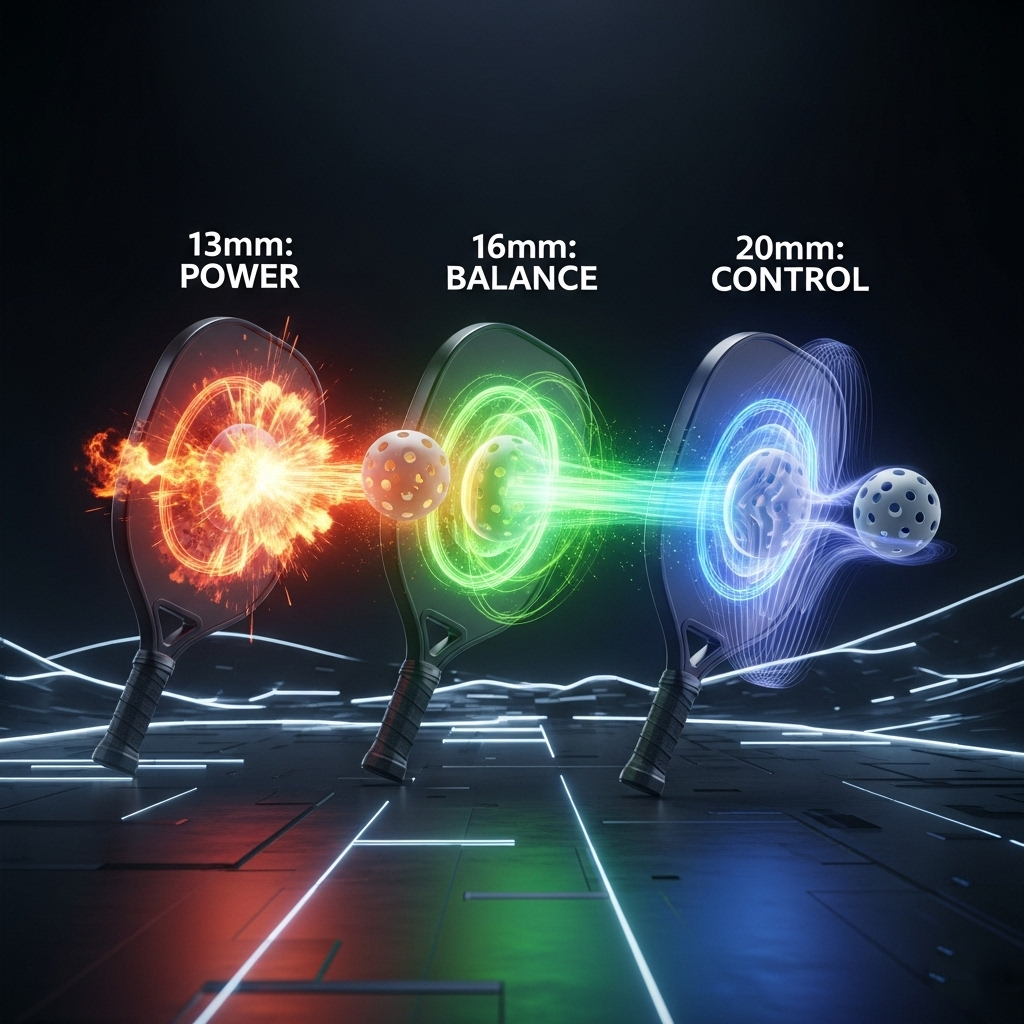
The performance of a pickleball paddle changes with its thickness. The 16mm and 20mm paddles offer different feels and results on the court. Understanding these differences helps players pick the right paddle. Here, we focus on two key areas: power and control balance, and maneuverability on the court.
Power And Control Balance
A 20mm paddle tends to have more power. Its thicker core absorbs impact and returns stronger shots. This helps players hit deeper and faster balls. The 16mm paddle offers better control. Its thinner core provides more touch and precision. Players can place shots with accuracy. The 16mm paddle suits those who want finesse over force.
Maneuverability On Court
The 16mm paddle is lighter and easier to move quickly. It allows faster reactions and quick changes in direction. This helps in fast-paced games and net play. The 20mm paddle is slightly heavier. It feels more solid but less quick to swing. Players who prefer steady, powerful strokes may like this paddle more.
Material And Construction Variations
The material and construction of pickleball paddles affect their feel and performance. Both 16mm and 20mm paddles differ mainly in thickness, but their materials also play a key role. These differences impact control, power, and comfort during play. Understanding the core materials and surface design helps pick the right paddle for your style.
Core Materials Used
The core is the paddle’s inner layer. Most 16mm paddles use polymer cores. Polymer cores offer good control and quiet play. They absorb shock well, reducing arm strain. Some 20mm paddles also use polymer cores but with a thicker profile.
Other cores include Nomex and aluminum. Nomex cores are rigid and provide more power but less control. Aluminum cores are rare and offer a unique feel. The thicker 20mm paddles sometimes use a blend of materials for balance. Core choice affects paddle weight and bounce.
Surface And Edge Design
The paddle’s surface impacts ball spin and speed. Many paddles use fiberglass or carbon fiber surfaces. Fiberglass offers a softer touch and more power. Carbon fiber provides better control and durability.
Edge design varies to protect the paddle and affect balance. Some paddles have thicker edge guards for durability. Thinner edges reduce paddle weight and increase sweet spot size. The 20mm paddles often have wider edges, adding to stability. Surface and edge design influence how the paddle handles on the court.
Credit: www.joysentsport.com
Player Style And Skill Level
Choosing the right pickleball paddle thickness depends on your player style and skill level. Thickness affects paddle control, power, and feel. Understanding these differences helps pick the perfect paddle for your play.
Best Thickness For Beginners
Beginners often prefer a 20mm thick paddle. It offers more power with less effort. The extra thickness helps absorb shock and reduce wrist strain. This makes it easier to hit the ball consistently. A thicker paddle also provides a larger sweet spot. This means more forgiving shots for new players. Control is simpler, allowing quick learning.
Advanced Player Preferences
Advanced players usually choose a 16mm paddle. It feels lighter and faster in hand. This thickness gives better touch and control for precise shots. Skilled players want quick reactions and improved maneuverability. A thinner paddle lets them place shots exactly where they want. It also offers better feedback on ball contact. This helps improve shot accuracy and spin. Overall, 16mm suits players with refined skills and strong technique.
Comfort And Injury Considerations
Comfort plays a big role in choosing a pickleball paddle. It affects how long you can play and your risk of injury. Paddle thickness, like 16mm vs 20mm, changes how the paddle feels in your hand. This difference also impacts vibration and grip. These factors can protect your wrist and elbow from pain.
Vibration Dampening
Thicker paddles, such as 20mm, usually absorb more shock. They send less vibration to your arm after hitting the ball. This helps reduce fatigue and soreness during long games. Thinner paddles, like 16mm, transfer more vibration. Players may feel more sting in the wrist or elbow. Less vibration means less risk of injuries like tennis elbow.
Grip And Handling
The paddle’s thickness affects how you hold it. A 16mm paddle feels lighter and easier to control. It suits players who like quick wrist movements. The 20mm paddle feels bulkier but offers a firmer grip. It gives more stability for strong shots. Comfort depends on your hand size and grip style. Choosing the right thickness helps avoid hand strain and slippage.
Price And Durability Factors
Price and durability are key factors when choosing between a 16mm and 20mm pickleball paddle. Both thickness options affect how much you pay and how long the paddle lasts. Understanding these differences helps you pick the best paddle for your needs and budget.
Cost Differences
Generally, 16mm paddles cost less than 20mm ones. Thinner paddles use less material, which lowers production costs. Many beginners prefer 16mm paddles for this reason. Thicker 20mm paddles use more materials and advanced cores. This makes them pricier but often offers better performance.
Long-term Use And Maintenance
Durability varies between 16mm and 20mm paddles. The 20mm paddle’s thicker core can absorb impacts better. This reduces wear and tear over time. A 16mm paddle may show signs of damage sooner. Regular cleaning and proper storage extend paddle life. Both paddles need care but 20mm models tend to last longer under heavy play.
Choosing The Right Paddle Thickness
Choosing the right paddle thickness plays a key role in your pickleball experience. Thickness affects control, power, and feel during play. The common options are 16mm and 20mm paddles. Each thickness suits different styles and preferences. Understanding these differences helps you pick a paddle that fits your needs perfectly.
Assessing Personal Play Style
Think about how you play the game. Do you prefer quick, sharp shots or steady, controlled hits? A 16mm paddle feels thinner and offers more control. It suits players who like precise placement and faster reactions. A 20mm paddle feels thicker and provides more power. It helps players who want stronger hits and more forgiveness on off-center shots.
Testing And Trying Out Options
Try both thicknesses to see what feels right. Hold each paddle and make some swings. Notice the weight and balance differences. Playing with each paddle helps you understand comfort and performance. Some players like the lighter feel of 16mm paddles. Others prefer the solid impact of 20mm ones. Testing lets you choose a paddle that matches your style and comfort.
Frequently Asked Questions
What Are The Main Differences Between 16mm And 20mm Paddles?
The 16mm paddle is thinner and lighter, offering better control. The 20mm paddle is thicker and heavier, providing more power and durability. Your choice depends on playing style and comfort preferences.
Which Paddle Thickness Suits Beginner Pickleball Players Best?
Beginners often prefer 20mm paddles for their power and forgiveness. The thicker core helps absorb impact, making shots easier to control and reducing paddle vibration.
How Does Paddle Thickness Affect Pickleball Game Performance?
Thicker paddles like 20mm deliver more power and stability. Thinner 16mm paddles offer enhanced touch and quicker response. Thickness impacts control, power, and overall feel during play.
Are 16mm Paddles Better For Control Or Power?
16mm paddles excel in control and finesse due to their slim profile. They allow for precise shots but generate less raw power compared to 20mm paddles.
Conclusion
Choosing between a 16mm and 20mm pickleball paddle depends on your style. A thinner paddle offers better control and feel. A thicker paddle provides more power and a larger sweet spot. Think about what fits your play best. Try both if you can.
Your comfort and confidence on the court matter most. The right paddle helps you enjoy the game more. Keep practicing and have fun with your choice.