
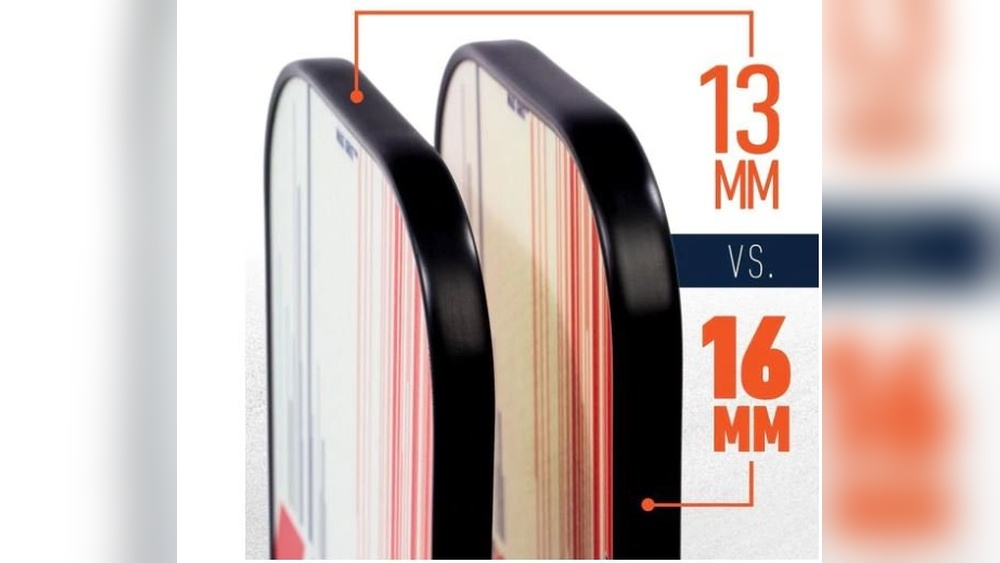
Pickleball is growing fast, and players are always searching for the perfect paddle. One common question is whether to choose a 10mm or 16mm pickleball paddle. While the numbers might seem small, the difference can change your game. Paddle thickness affects control, power, and feel. If you want to improve your game, or just want to understand your options better, knowing how these two paddle types compare is important.
In this article, you’ll discover the main differences between 10mm and 16mm paddles, why thickness matters, and which type might fit your style. We’ll cover performance, comfort, durability, and even some insights that many beginners miss. You’ll also find helpful comparisons and answers to common questions, so you can make a confident choice the next time you look for a new paddle.
What Does Paddle Thickness Mean In Pickleball?
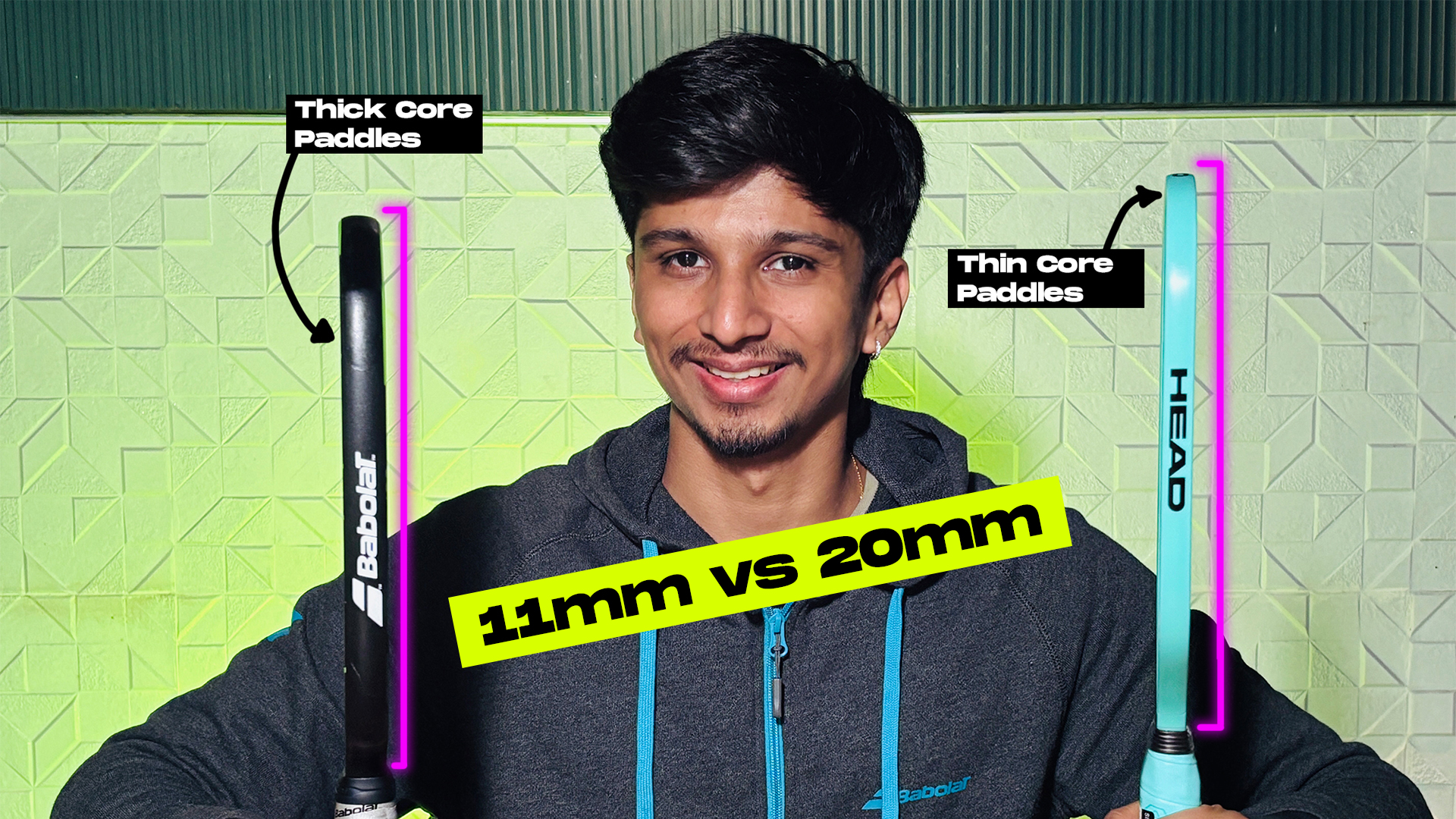
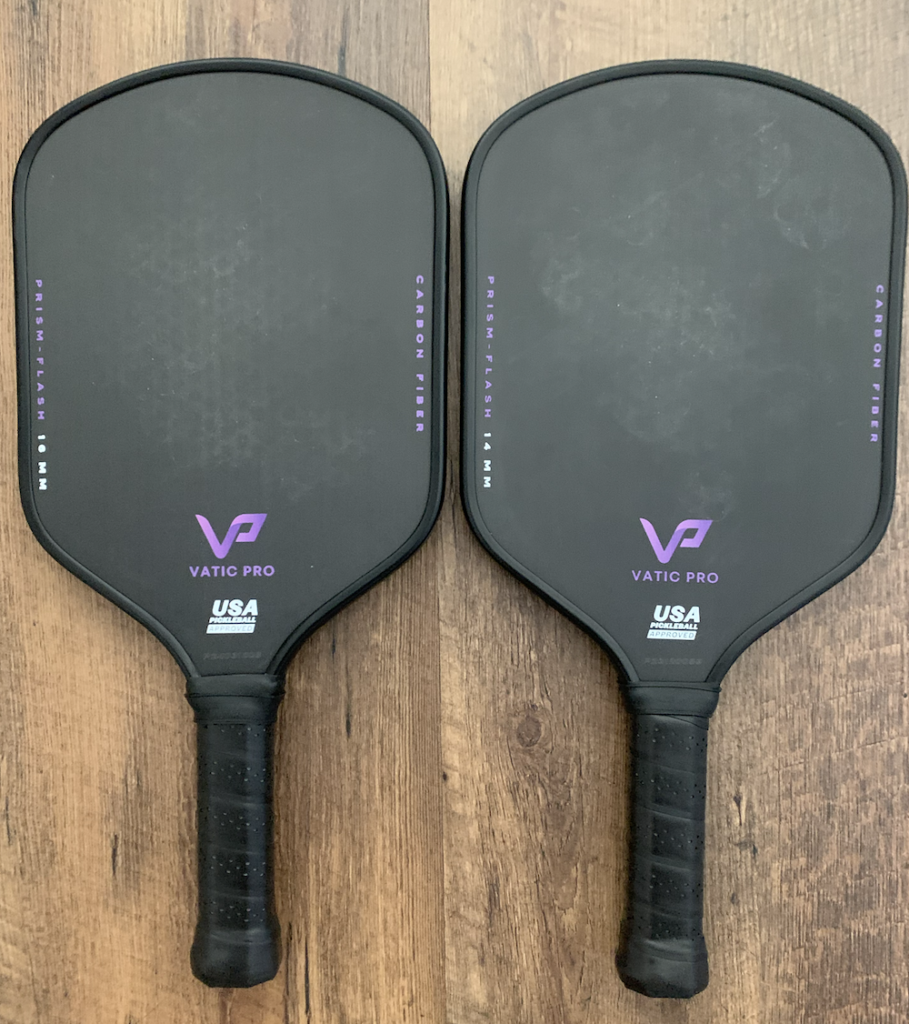
Pickleball paddles come in different thicknesses, usually measured in millimeters (mm). The number—like 10mm or 16mm—refers to the thickness of the paddle’s core, not the whole paddle. Most paddles use a honeycomb core made of polymer, aluminum, or Nomex. The thickness affects how the paddle feels when you hit the ball.
A thicker core (like 16mm) usually gives more control and absorbs more vibration. A thinner core (like 10mm) tends to offer more power and a quicker response, but can be less forgiving. While 10mm and 16mm are two common options, many paddles fall between these numbers, such as 13mm or 14mm. However, 10mm and 16mm are at the extremes, making them easy to compare.
10mm Pickleball Paddles: Key Features
A 10mm paddle is considered thin in the pickleball world. Most advanced players recognize that thin paddles bring a very distinct feel to the court.
- Power and Speed: With less material between your hand and the ball, you get more direct energy transfer. This means the paddle feels “lively” and produces strong shots with less effort.
- Quick Reaction: The paddle moves through the air faster, making it easier to react to fast balls at the net.
- Less Vibration Dampening: The thin core absorbs less shock, so you might feel more vibration, especially on off-center hits.
- Smaller Sweet Spot: The sweet spot—the area that feels best when you hit the ball—is often smaller on thin paddles. You need better accuracy to avoid mishits.
- Lightweight: Many 10mm paddles are lighter overall, giving you more maneuverability.
Who Might Prefer A 10mm Paddle?
- Power players who rely on speed and hard shots.
- Singles players who need to cover more court and want quicker reactions.
- Anyone who likes the “pop” sound and feel of a crisp paddle.
Non-obvious Insight
If you struggle with arm pain or tennis elbow, a 10mm paddle might make things worse because it transfers more vibration to your arm.
16mm Pickleball Paddles: Key Features
A 16mm paddle is considered thick. These paddles are common among advanced and professional players who want maximum control.
- Control and Touch: The thicker core absorbs more impact, making it easier to place the ball where you want. Soft shots, dinks, and resets become more reliable.
- Shock Absorption: There’s less vibration, which is better for your arm and joints.
- Larger Sweet Spot: More thickness usually means the paddle is forgiving, even if you don’t hit the ball perfectly in the center.
- Added Weight: Many 16mm paddles are a bit heavier, but not always. The extra material can slow your swing, but also adds stability.
- Quieter Sound: Hits tend to sound softer and less “pingy.”
Who Might Prefer A 16mm Paddle?
- Control-oriented players who want to win with accuracy and placement.
- Doubles players who spend more time at the net and need soft touch.
- People who have elbow or wrist issues and want less vibration.
Non-obvious Insight
A thick paddle can help beginners learn soft game skills, because it’s more forgiving during dinks and blocks.
Direct Performance Comparison
To see how these paddles compare in real play, let’s look at the key performance areas side by side.
| Feature | 10mm Paddle | 16mm Paddle |
|---|---|---|
| Power | High | Moderate |
| Control | Moderate | High |
| Sweet Spot | Small | Large |
| Shock Absorption | Low | High |
| Weight | Lighter (usually) | Heavier (usually) |
| Sound | Loud, crisp | Softer, muted |
How Paddle Thickness Affects Your Game
Understanding how paddle thickness changes your game is crucial. Here’s how each type influences your performance on the court.
Power
10mm paddles give you more power. When you swing, more energy goes into the ball. This is great for aggressive shots and deep serves. However, too much power can make it hard to control the ball, leading to errors.
16mm paddles absorb more energy, so your shots are softer and more controlled. If you play a lot at the net or enjoy drop shots, this extra control is helpful. However, you might need to swing harder to get the same speed.
Control
The thicker the paddle, the easier it is to keep your shots accurate. 16mm paddles help with dinks, blocks, and gentle resets. 10mm paddles require more skill to keep the ball in play, especially during fast exchanges.
Sweet Spot
A larger sweet spot means you can hit the ball off-center and still get a good shot. 16mm paddles are more forgiving, which helps beginners and those who want consistency. 10mm paddles punish off-center hits with more vibration and loss of control.
Vibration And Comfort
10mm paddles can feel harsh, especially during long games. The vibration can lead to discomfort or injury. 16mm paddles are softer on your arm, making them a better choice for older players or anyone with joint problems.
Spin
Paddle thickness also affects spin. Thinner paddles can sometimes make it easier to “flick” the ball and add spin, but this also depends on the paddle’s surface texture. Thicker paddles give you more time to control the ball, which can help with tricky spin shots near the net.
Durability And Longevity
Many players overlook how thickness affects paddle durability. While both 10mm and 16mm paddles can be strong, there are some differences.
- 16mm paddles have more material, which can help them last longer. The thicker core is less likely to break or crack under heavy use.
- 10mm paddles are lighter and might wear down faster, especially if you play often or hit the ground by accident.
Most paddle damage comes from impacts (like hitting the court or other paddles), not regular play. Still, the extra thickness in a 16mm paddle provides a bit more protection.
Common Mistakes When Choosing Paddle Thickness
Many buyers focus only on power or price, missing important factors. Here are a few mistakes to avoid:
- Ignoring Your Play Style: Don’t choose based on what’s popular. Think about your strengths and weaknesses.
- Overvaluing Power: Beginners often want more power, but too much can cause errors. Control is just as important.
- Forgetting About Comfort: If you have arm issues, avoid thin paddles.
- Not Trying Before Buying: If possible, test both types. The feel in your hand matters more than the specs on paper.
- Neglecting Paddle Weight: Thickness and weight aren’t always linked, but both affect your swing.
Price Differences: Is Thicker More Expensive?
You might think a 16mm paddle costs more because it uses more material, but that’s not always true. Price depends more on the brand, core material, and surface technology than on thickness alone.
- Entry-level 10mm paddles can be as cheap as $40–$60.
- High-end 16mm paddles with advanced surfaces or edge guards can cost $150–$250.
Many companies offer both thickness options for the same price, especially in their premium lines. Always check for features, warranty, and reviews before buying.

Credit: www.youtube.com
Real-world Examples: Which Players Use 10mm Vs 16mm?
Many pro pickleball players use 16mm paddles for better control at high speeds. For example, Ben Johns, one of the top players, often uses a 16mm paddle for its balance of control and touch. Recreational players who like to hit hard or play singles might prefer a 10mm paddle for the extra pop.
If you watch tournaments, you’ll see that most doubles specialists choose 16mm paddles. Singles specialists, who want to hit deep and hard, sometimes use thinner paddles to maximize speed.
When To Choose 10mm Or 16mm: Decision Guide
If you’re still unsure, here’s a simple decision guide to help you pick.
| Your Preference | Best Paddle Thickness |
|---|---|
| I want more power and speed | 10mm |
| I want more control and touch | 16mm |
| I have arm pain or tennis elbow | 16mm |
| I play mostly singles | 10mm |
| I play mostly doubles | 16mm |
| I’m new and want forgiveness | 16mm |
Materials And Technology: Do They Matter More Than Thickness?
While thickness is important, the core material and face surface of the paddle matter just as much.
- Polymer cores are most common and offer a good balance of power and control.
- Nomex cores are harder and louder, often found in thinner paddles.
- Carbon fiber or graphite faces help with control and spin, while fiberglass is better for power.
A 16mm paddle with a carbon fiber face feels different from a 16mm paddle with fiberglass. Similarly, a 10mm polymer paddle will feel softer than a 10mm Nomex paddle.
Practical Tip
Never choose just by thickness. Always consider the core and face materials together with thickness for the full picture.
The Impact Of Paddle Thickness On Spin
Many players want to add spin to their shots. While thickness helps with control, the surface texture of the paddle matters more for spin. However, a thicker paddle gives you more dwell time (the ball stays longer on the paddle), which can help with precise spin shots.
A thinner paddle, on the other hand, lets you “snap” your wrist faster, which can generate more topspin on drives but makes controlled spin shots harder.
Comfort And Fatigue: Playing Long Games
During a long match, paddle comfort can make or break your performance. 16mm paddles are generally more comfortable because they dampen vibration and are more forgiving. This lets you play longer without fatigue.
10mm paddles might feel great at first because they are lighter and faster. But as the match goes on, the extra vibration can tire out your arm, especially if you don’t hit the sweet spot.
Non-obvious Insight
Players often switch from 10mm to 16mm as they improve because they start to value control and comfort over raw power.
Advanced Tips For Choosing The Right Paddle
If you’re serious about improving your game, here are two advanced tips:
- Demo Different Paddles: Many clubs and stores let you try before you buy. Test both 10mm and 16mm to see what fits your hand and style.
- Adjust with Overgrip or Lead Tape: If your paddle feels too light or heavy, you can add overgrip tape to the handle or lead tape to the edges. This lets you fine-tune the paddle’s balance without changing thickness.
Summary Table: 10mm Vs 16mm At A Glance
Here’s a quick look at the main differences:
| Feature | 10mm Paddle | 16mm Paddle |
|---|---|---|
| Power | More | Less |
| Control | Less | More |
| Comfort | Lower | Higher |
| Forgiveness | Lower | Higher |
| Weight | Lighter (usually) | Heavier (usually) |
| Best for | Singles, power hitters | Doubles, control players |
How To Care For Your Paddle (both Types)
No matter which paddle you choose, proper care extends its life:
- Keep your paddle out of extreme heat or cold.
- Wipe the surface with a damp cloth after play.
- Store the paddle in a cover when not in use.
- Avoid hitting the ground or other paddles.
A well-cared-for paddle, whether 10mm or 16mm, can last for many seasons.
Credit: thegodofsports.com
Final Thoughts: Which Thickness Is Right For You?
There’s no perfect answer for everyone. The best paddle thickness depends on your skill level, playing style, and personal comfort. If you love power and speed, a 10mm paddle might suit you. If you value control, comfort, and want to reduce arm strain, a 16mm paddle is likely better.
Remember, many advanced players start with thin paddles for power but switch to thicker paddles as they improve and learn the importance of control. The best advice is to try both types, listen to your body, and pick the paddle that helps you play your best game.
If you want to see more data and reviews about pickleball paddles, check out the USA Pickleball Equipment Guide.
Frequently Asked Questions
What Is The Main Difference Between A 10mm And 16mm Pickleball Paddle?
The main difference is core thickness. A 10mm paddle is thinner and gives more power, while a 16mm paddle is thicker and provides better control and comfort. Thicker paddles also absorb more vibration, making them easier on your arm.
Is A 16mm Paddle Better For Beginners?
Yes, usually. 16mm paddles have a larger sweet spot and are more forgiving. This helps beginners learn control and reduces mistakes from off-center hits.
Will A 10mm Paddle Hurt My Arm?
It can. 10mm paddles transfer more vibration to your arm, which might lead to discomfort or pain over time, especially if you have a history of elbow or wrist problems.
Do Pros Use 10mm Or 16mm Paddles?
Most pros use 16mm paddles because they want maximum control at high speeds. Some singles specialists or power hitters might use thinner paddles, but the majority choose thicker paddles for their all-around benefits.
Can Paddle Thickness Affect Spin?
Paddle thickness affects control, which helps with spin, but the surface texture matters even more. Thicker paddles give more dwell time, which can help with controlled spin shots near the net.
Pickleball paddle thickness is a personal choice, but understanding the difference between 10mm and 16mm will help you play your best game. Try both, see what fits, and enjoy every match!
Credit: bepickleballer.com