
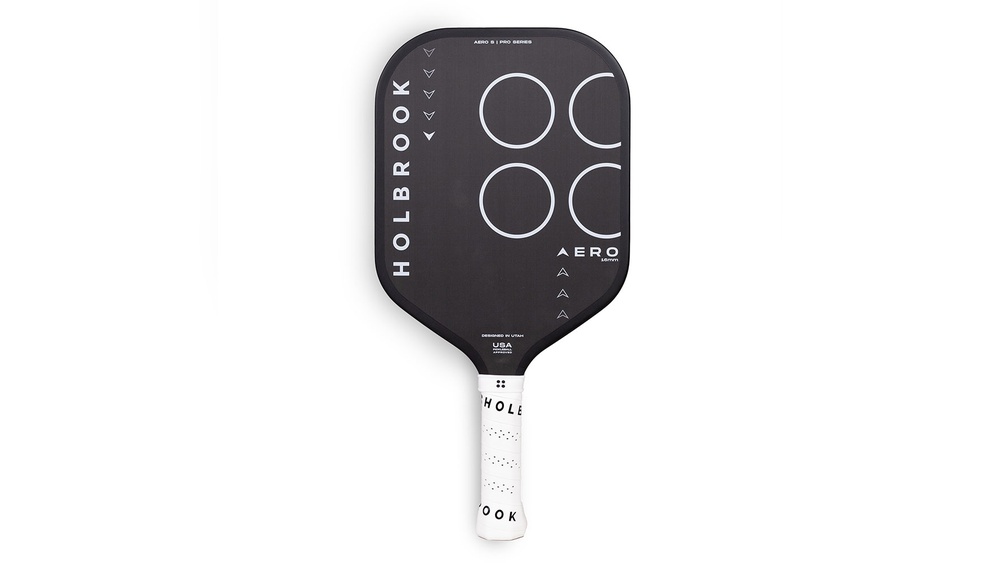
Pickleball has become one of the fastest-growing sports in the world. Its mix of tennis, badminton, and ping-pong makes it fun and easy to learn. But as more people play, the choice of equipment—especially the paddle—becomes a serious question. Many players, both new and experienced, wonder: What is the lightest pickleball paddle? Is lighter always better? How does paddle weight affect your game? This article will explore those questions in detail. You’ll learn about light paddles, their benefits and drawbacks, how to choose the best one for your needs, and why the lightest paddle isn’t always the right paddle for everyone.
Understanding Paddle Weight In Pickleball
Before jumping into the lightest paddles, it’s important to know how paddle weight affects your play. Pickleball paddles usually range from about 6.0 ounces to 9.5 ounces. Manufacturers split paddles into three main categories:
- Lightweight: Below 7.3 ounces
- Midweight: 7.3 to 8.4 ounces
- Heavyweight: Above 8.4 ounces
The difference between a 6. 5-ounce paddle and an 8. 5-ounce paddle might sound small. But on the court, those ounces can change your speed, comfort, and control.
Why Does Weight Matter?
A lighter paddle is easy to move. It helps with quick reactions, fast volleys, and lessens arm fatigue. But it can also make you lose power. Heavier paddles give you more strength for hard shots, but they can tire you out and slow your hand speed. Choosing the right weight is all about balance.
The Lightest Pickleball Paddle: What’s Out There?
Players often search for the “lightest paddle.” Today, the absolute lightest pickleball paddles on the market weigh about 6.0 to 6.5 ounces. Some rare models are even lighter, but most mainstream brands keep their lightest paddles in this range to maintain durability and playability.
Here are a few popular ultra-light paddles:
- Selkirk Amped S2 Lightweight – about 6.7 ounces
- Onix Graphite Z5 Lightweight – around 7.2 ounces (one of the most popular “lightweight” paddles)
- Gamma Needle – about 7.0 ounces
- Paddletek Bantam TS-5 – roughly 7.0 ounces
- Engage Encore Pro (Lite version) – about 7.2 ounces
But if you want the absolute lightest, you’ll find a few specialty paddles at 6.0 ounces:
- ProLite SuperNova Pro (Lightweight version)
- Gamma Mirage (Lightweight version)
- SLK Neo Lightweight
Let’s compare some of these paddles:
| Paddle Model | Weight (ounces) | Core Material | Grip Size |
|---|---|---|---|
| ProLite SuperNova Pro (Lightweight) | 6.0 | Polypropylene | Small |
| Gamma Mirage (Lightweight) | 6.1 | Poly Core | Small/Medium |
| SLK Neo Lightweight | 6.2 | Polypropylene | Small |
These paddles all fall at or near the 6.0-ounce mark, making them the lightest pickleball paddles you can find from respected brands.
Key Features Of Ultra-light Paddles
What makes these paddles so light? Manufacturers use advanced materials and core designs to shave off extra weight while keeping good performance. Here’s what you’ll notice:
- Thin paddle cores: Less material means less weight, but sometimes less power.
- Light face materials: Graphite or carbon fiber is lighter than fiberglass.
- Smaller grip size: Less weight in the handle.
- Edge guard design: Some paddles have slimmer edges to cut down on weight.
Ultra-light paddles are not just about the numbers on a scale. They are designed for players who want the fastest hand speed and best maneuverability.
Typical Player Profile
Ultra-light paddles are loved by:
- Seniors who want less strain on their arm and shoulder.
- Players with tennis elbow or other injuries.
- Doubles specialists who need quick reactions at the net.
- Younger or smaller players with less arm strength.
Benefits Of Using The Lightest Paddle
Choosing a light paddle brings real advantages. Here’s what you’ll gain:
1. Faster Reaction Time
With less weight, you can move your paddle quickly. This is a big help during fast volley exchanges near the net. Quick hands can make the difference between winning and losing a point.
2. Less Arm Fatigue
Light paddles reduce stress on your wrist, elbow, and shoulder. If you play long matches or multiple games a day, a lighter paddle can keep you comfortable and injury-free.
3. Better Control For Soft Shots
Dinking and drop shots need a gentle touch. Light paddles offer more control for these finesse moves, making them popular among strategic players.
4. Easier For Beginners To Handle
Many new players struggle with timing and paddle control. A lighter paddle helps them swing freely and focus on technique, not just muscle.

Credit: www.pickleheads.com
Drawbacks And Limitations
While a light paddle has many strengths, it’s not perfect for everyone. Here’s why some players avoid the lightest models:
1. Less Power
Light paddles don’t give the same “punch” as heavier ones. If you rely on hard drives or smashes, you may find your shots lack force.
2. More Vibration
Because they’re thinner and lighter, these paddles can send more vibration into your hand, especially on off-center hits. This can be uncomfortable for some players.
3. Smaller Sweet Spot
The “sweet spot” is the ideal hitting area. Ultra-light paddles sometimes have a smaller sweet spot, making it harder to hit clean shots every time.
4. Less Stability
A heavier paddle is more stable when blocking hard shots. Lightweight paddles may twist in your hand or feel less solid during fast rallies.
How To Choose The Right Paddle Weight
Picking the lightest paddle just because it’s the lightest isn’t always smart. The right paddle depends on your playing style, physical needs, and skill level. Here’s what to consider:
1. Your Strength And Fitness
If you have a strong arm or upper body, you might not need the absolute lightest paddle. But if you have joint pain, or tire easily, going lighter can help.
2. Playing Style
- Defensive, control-oriented players: Usually prefer lighter paddles for precision and quick moves.
- Power hitters: Often choose heavier paddles for extra force.
3. Typical Game Duration
If you play long tournaments or multiple matches, lighter paddles reduce fatigue over time.
4. Injury History
Anyone with elbow, wrist, or shoulder issues should consider a lighter paddle to avoid further injury.
Comparing Ultra-light To Midweight Paddles
Is the lightest always the best? Sometimes, a “midweight” paddle (7.3–8.0 ounces) offers a better balance. Here’s a side-by-side look:
| Feature | Ultra-Light Paddle (6.0-6.5 oz) | Midweight Paddle (7.3-8.0 oz) |
|---|---|---|
| Hand speed | Fastest | Fast |
| Power | Lower | Moderate |
| Stability | Lower | Higher |
| Fatigue risk | Lowest | Low |
| Control | High for soft shots | Balanced |
Most advanced players end up using midweight paddles. They offer a good mix of speed, control, and power.
Top 5 Lightest Pickleball Paddles In 2024
To help you see your options, here are five of the lightest pickleball paddles you can buy right now. Each one is well-reviewed and trusted by players.
1. Prolite Supernova Pro (lightweight Version)
Weighing in at just 6.0 ounces, this paddle uses a polymer core and a carbon fiber face. It’s known for its quick response and soft touch. The grip is slim, so it’s easy for smaller hands. One thing to note: its power is lower than heavier models, but for speed and comfort, it’s hard to beat.
2. Gamma Mirage (lightweight Version)
The Gamma Mirage comes in at about 6.1 ounces. Its honeycomb core is responsive but still gives decent pop. The slim profile makes it a great choice for players who want speed and touch. Many senior players or those with joint pain prefer this paddle.
3. Slk Neo Lightweight
At around 6.2 ounces, the SLK Neo is popular among beginners and intermediates. It’s affordable, easy to swing, and the grip is comfortable for smaller hands. The face is made from a lightweight composite, which helps with control on dinks and drops.
4. Selkirk Amped S2 Lightweight
The S2 Lightweight is slightly heavier at around 6.7 ounces, but it’s still one of the lightest in the premium market. The paddle features a FiberFlex face for better ball control and a thick core for added forgiveness. It’s a favorite among quick-handed doubles players.
5. Paddletek Bantam Ts-5
Coming in at 7.0 ounces, the Bantam TS-5 is just at the edge of the lightweight class. It’s extremely popular with both recreational and competitive players who want a mix of speed and control. The paddle’s “smart response technology” gives a bit more power than most light paddles.
Not-so-obvious Insights About Light Paddles
Many players focus only on weight, but there are hidden factors that affect the feel and performance:
1. Swing Weight Is Different From Static Weight
“Swing weight” is how heavy the paddle feels when you swing it. A paddle with a heavy head but light handle can feel heavier than it is. Always test how a paddle feels in your hand, not just its stated weight.
2. Adding Weight Later Is Possible
Some players start with a very light paddle and add lead tape later if they need more power or stability. This way, you can adjust your paddle as you improve, instead of buying a new one.
3. Lighter Paddles Are More Sensitive To Paddle Shape
A widebody paddle at 6. 0 ounces will feel different than a narrow, elongated paddle at the same weight. The shape changes the balance and sweet spot size.
4. Lighter Paddles Often Wear Out Faster
Because ultra-light paddles use less material, they may not last as long as heavier, thicker paddles. If you play a lot, be ready for possible replacements.
Who Should Avoid The Lightest Paddles?
Not every player will benefit from the absolute lightest paddle. Here’s who might want to think twice:
- Power players: If your game relies on strong drives, a heavier paddle gives you more force.
- Players who struggle with off-center hits: Light paddles have a smaller sweet spot and less forgiveness.
- Anyone who likes a solid, stable feel: Heavy paddles absorb more shock and feel more “planted” during hard rallies.
How To Test And Choose Your Paddle
If you’re not sure what weight is right, try these steps:
- Demo different paddles: Many stores and clubs let you try before you buy.
- Play a full game: Even a light paddle can feel heavy after 20 minutes.
- Pay attention to fatigue: If your arm gets tired or sore, go lighter.
- Notice your shot quality: If you’re missing the net or lack power, you may need a heavier paddle.
Lightweight Paddle Materials: What Makes Them So Light?
The materials used in light paddles are a big part of their performance.
- Graphite: Very light, stiff, and responsive. It’s used on many high-end paddles.
- Carbon Fiber: Similar to graphite but sometimes even lighter and stronger.
- Polypropylene Cores: Lightweight and soft, used to dampen vibration.
- Thin Edge Guards: Less protection, but also less weight.
Manufacturers spend years developing the right mix of materials to create the lightest, strongest paddle possible.
Common Mistakes When Choosing A Light Paddle
Some players make choices they regret. Avoid these pitfalls:
- Choosing by weight alone: Remember, balance and shape matter too.
- Ignoring grip size: A paddle that’s too light with a big grip feels awkward.
- Forgetting about durability: Ultra-light paddles may not last as long, especially if you play a lot.
- Not considering your skill level: Beginners sometimes need a little extra weight for stability.
Advice For Beginners
If you’re new to pickleball, light paddles are tempting. They’re easy to swing and less tiring. But don’t go too light. A paddle in the 7.0–7.5 ounce range is usually best for learning. You’ll get enough speed without losing control or power.
As you improve, you can switch to a lighter or heavier model based on your style. Remember, the right paddle helps you play better, not just faster.
Are There Any Rules About Paddle Weight?
Pickleball’s main governing body, the USA Pickleball Association (USAPA), does not set a minimum or maximum weight for paddles. However, paddles must meet other rules about size, material, and construction. Almost all commercial paddles are legal for tournament play, but always check before entering a competition.
If you want the latest official rules, you can check the USA Pickleball Association.
Lightest Paddle And Performance: Real-world Examples
Many senior tournaments are filled with players using light paddles. For example, in the 2023 US Open Pickleball Championships, about 30% of women’s doubles finalists used paddles under 7. 0 ounces. These players focused on quick reaction and control, not raw power.
On the other hand, top men’s singles players often use heavier paddles for maximum force. This shows that the best paddle depends on your goals and style.
Credit: www.leaderaccessories.com
When Should You Move To A Lighter Paddle?
If you notice these signs, a lighter paddle could help:
- Your arm or shoulder gets tired before your legs.
- You have pain in your wrist, elbow, or shoulder after playing.
- You lose speed during fast volley exchanges.
- You want to increase your control on soft shots.
If none of these apply, your current paddle weight might already be perfect.
Frequently Asked Questions
What Is The Lightest Pickleball Paddle Ever Made?
The lightest mainstream pickleball paddles weigh about 6.0 ounces. Some custom or experimental paddles are a bit lighter, but they are rare and often not durable enough for regular play.
Is A Lighter Paddle Better For Tennis Elbow?
Yes, a lighter paddle can help reduce stress on your elbow, especially if you have tennis elbow. But make sure the paddle also has a comfortable grip and enough shock absorption to avoid further injury.
Can I Add Weight To A Light Paddle Later?
Absolutely. Many players use lead tape on the edge or handle to add weight and adjust balance. This lets you customize your paddle as your game evolves.
Do Professional Players Use The Lightest Paddles?
Most pros use midweight paddles (7. 3–8. 4 ounces) for a balance of power and control. Only a few use the absolute lightest paddles, and usually only for doubles or if they have specific needs.
How Do I Know If My Paddle Is Too Light?
If you feel your shots are weak, your paddle twists in your hand, or you struggle to keep the ball deep, your paddle may be too light. Test a slightly heavier paddle to see if your performance improves.

Credit: www.amazon.com
Final Thoughts
The search for the lightest pickleball paddle is about more than just numbers. While paddles as light as 6.0 ounces exist, they aren’t the best choice for everyone. Light paddles offer speed, comfort, and control, but sometimes at the cost of power and stability. The smartest players think about their own needs, test a few options, and don’t just follow trends. Whether you’re a senior looking for less arm fatigue or a fast-handed doubles player, there’s a lightweight paddle that can fit your game. Remember: the right paddle is the one that helps you play your best—no matter what the scale says.