
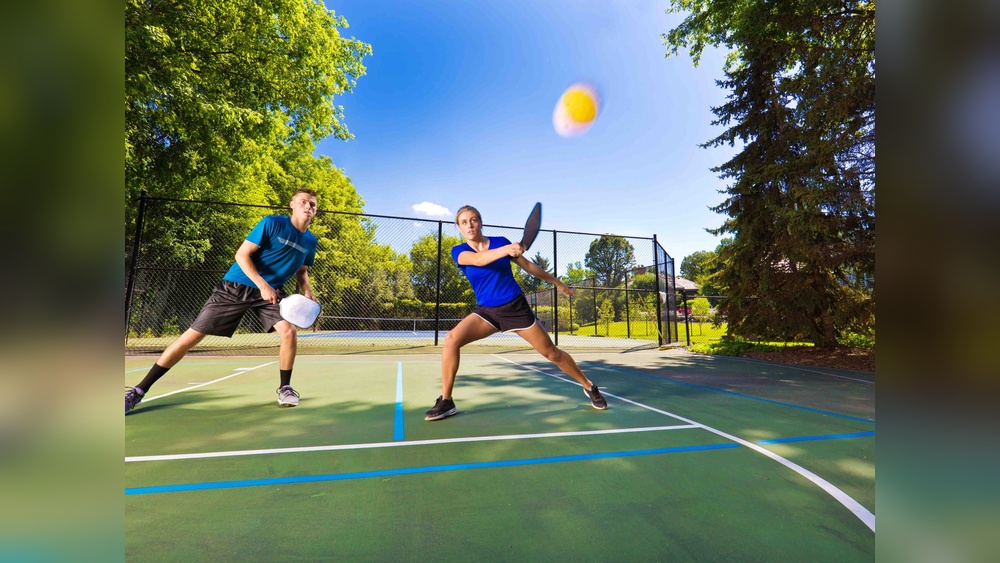
Pickleball’s popularity is rising faster than almost any other racket sport. It’s friendly, social, and easy for beginners to pick up. But if you’re new to pickleball, you might hear the phrase “open play” again and again. What is open play in pickleball? Why does it matter, how does it work, and should you join in? Understanding open play is essential if you want to get the most out of this sport, especially if you’re hoping to meet new people or improve your game. Here, you’ll find a complete guide—whether you’re a total beginner or a player looking to join the local scene.
What Is Open Play In Pickleball?
Open play is a format of play where anyone can join games without needing a partner or making advance reservations. Players of all skill levels come to a pickleball court, put their paddles into a group rotation, and join games as courts become available. There’s no set team; instead, teams are mixed, and you play with whoever is next in line. This system is popular in community centers, parks, and clubs, and is often the main way new players get involved.
Unlike scheduled leagues or private court bookings, open play is all about accessibility and inclusivity. You do not need to belong to a club or commit to a specific time slot. Most open play sessions run for several hours, letting you arrive and leave as your schedule allows.
Because you’ll be playing with different partners and opponents, every game feels fresh and challenging.
How Does Open Play Work?
Each location might do things a bit differently, but open play usually follows a common pattern. When you arrive at the courts, you’ll see a paddle rack or a sign-up board. Here’s how the process unfolds:
- Arrive and Check In: Put your paddle in the designated area or sign your name on the board.
- Wait Your Turn: When a court is free, the next group of players is called up based on the order of paddles.
- Play a Game: Most games are doubles (2 vs 2), and they typically go to 11 points, win by 2.
- Rotate Out: After your game, you leave the court and put your paddle back in line if you want to play again.
- Repeat: You’ll be matched with new partners and opponents for each round.
Some places use colored bands, magnets, or digital apps to manage rotations. The main idea is fairness—everyone gets equal chances to play.
Typical Session Flow
A session of open play usually lasts 2-4 hours. New players arrive at different times. If all courts are busy, waiting players socialize on the sidelines, watch games, or practice footwork. Once a game ends, players check who’s next in line and fill the court.
There’s often a “winner stays” rule for advanced courts, or a “four off, four on” rule for busier groups.

Credit: betterpickleball.com
Benefits Of Open Play
Open play isn’t just convenient—it’s packed with benefits, especially for those new to pickleball or those looking for a social and flexible way to play.
1. Easy Access For Everyone
You don’t need a partner, special membership, or advanced skills. This makes pickleball much more approachable than tennis or squash, where booking courts and finding opponents can be barriers.
2. Community Building
Open play is social by design. You’ll meet people of all ages and backgrounds, from retirees to teenagers. Many lifelong friendships (and even pickleball partnerships) start on open play courts.
3. Skill Development
Playing with different partners and opponents exposes you to various playing styles. This is the fastest way to improve, as you’ll face new challenges and get immediate feedback. Many players say they learned more in a few weeks of open play than in months of private lessons.
4. No Pressure, All Fun
Since teams are mixed every round, there’s less focus on winning and more on enjoying the game. This relaxed environment is especially helpful for beginners who might otherwise feel intimidated.
5. Flexible Schedules
You can drop in whenever you have time. There’s no need to commit to a league or weekly slot. This flexibility is perfect for busy adults, students, and families.
Open Play Vs. Reserved Play: Key Differences
To understand why open play is so popular, it helps to compare it with reserved or private play. Here’s a look at the core differences:
| Feature | Open Play | Reserved Play |
|---|---|---|
| Who Can Join | Anyone (walk-ins) | Only invited players |
| Scheduling | Drop-in, no reservation | Book in advance |
| Partners | Randomly assigned | Choose your own |
| Social Aspect | High (meet many players) | Low to medium |
| Skill Levels | Mixed | Usually similar |
| Game Rotation | Yes, after each game | No, same teams for session |
In many communities, both formats are available. But open play is often the heartbeat of the local pickleball scene.
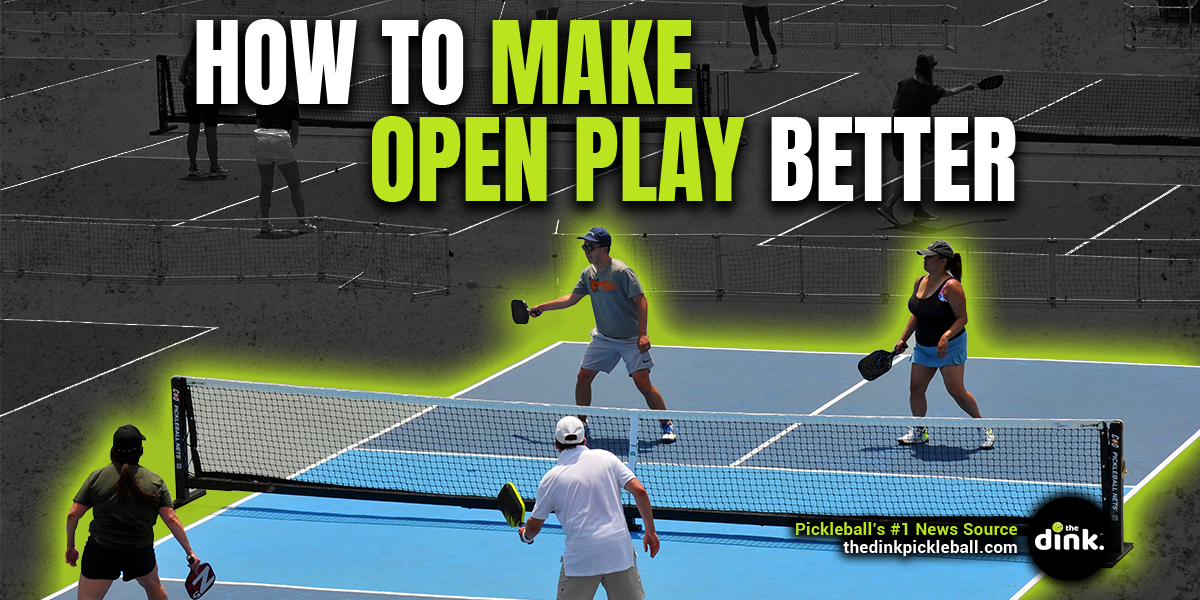
Credit: www.thedinkpickleball.com
Rules And Etiquette Of Open Play
Open play runs smoothly because everyone follows a few simple rules. These guidelines are about respect, fairness, and making the game enjoyable for all.
1. Paddle Rotation
Always follow the local system—whether it’s a paddle rack, board, or sign-up sheet. Cutting in line or ignoring the order isn’t just rude; it can ruin the experience for others.
2. Game Length
Most open play games are to 11 points, win by 2. If there are many players waiting, some groups play to 9 points to keep things moving.
3. Mixing Skill Levels
Be patient if you’re matched with beginners, or if you’re the least experienced on the court. Open play is about learning and sharing the game.
4. Court Courtesy
- Don’t coach or criticize unless asked
- Greet new players with a smile
- Call out the score loudly before serving
- Return stray balls quickly and safely
5. Respect For Time
After your game, exit the court promptly so the next group can start. This keeps the rotation fair for everyone.
Who Should Try Open Play?
Open play is perfect for many types of players, but especially:
- Beginners: You’ll learn by watching and playing with more experienced people.
- Solo Players: No need to bring a partner.
- Travelers or New Residents: It’s a great way to meet locals and join the community.
- Competitive Players: Some open play sessions have advanced courts for more skilled games.
- Casual Players: If you just want fun and exercise without commitment.
Even experienced players often use open play for warm-ups or to meet potential doubles partners for tournaments.
What To Bring To Open Play
To have a good experience, bring:
- Paddle: Your own, or borrow one if available.
- Comfortable Shoes: Court shoes are best.
- Water Bottle: Hydration is important, especially outdoors.
- Towel: For sweat, especially in summer.
- Positive Attitude: Be ready to meet new people and have fun!
Some locations provide paddles for beginners, but having your own is best if you plan to play regularly.
How To Find Open Play Sessions
Most towns and cities with pickleball courts offer open play at least once a week. Here are ways to find sessions:
- Local Parks and Recreation Departments: Check their websites or call for schedules.
- Pickleball Clubs: Many clubs welcome visitors for open play.
- Online Directories: Websites like USA Pickleball and Meetup list open play times.
- Social Media Groups: Facebook and WhatsApp groups for local players often post schedules.
Always check if there are fees, residency requirements, or equipment needs before you go.
Skill Level Guidance In Open Play
One of the best features of open play is the mix of skill levels. But sometimes, this can be a challenge. Here’s how most groups handle it:
Skill-level Courts
Some busy venues divide courts by experience—beginner, intermediate, advanced. Players choose the court that matches their comfort level. This helps everyone enjoy games that are competitive, but not overwhelming.
Colored Paddle Systems
To manage skill matching, some clubs use colored paddle markers. For example:
- Green: Beginner
- Blue: Intermediate
- Red: Advanced
This way, you can join games with others at your level, or try a court above if you want a challenge.
Avoiding Skill Mismatches
If you’re new, don’t be afraid to say so. Most players are happy to help beginners learn the basics and improve. If you’re advanced, try to encourage and support less experienced players—you might find it rewarding to help someone else grow.
Open Play Mistakes To Avoid
Even regulars make mistakes in open play, especially when they forget the unwritten rules. Watch out for these common errors:
- Skipping the Paddle Line: Always follow the rotation system.
- Hogging the Court: Don’t stay on for multiple games if others are waiting.
- Not Calling the Score: This confuses everyone and slows down play.
- Giving Unwanted Advice: Coaching during games can be frustrating for others.
- Ignoring Skill Level Signs: Play on the court that matches your ability, especially during busy times.
A less obvious mistake is not introducing yourself. Saying your name before a game makes the experience friendlier and less intimidating for everyone.
Open Play Strategies For Improvement
Open play is a fantastic way to get better at pickleball. Here are some proven approaches:
Try Different Partners
Each partner brings new strategies, strengths, and weaknesses. You’ll learn to adapt quickly, which is a key pickleball skill.
Play Against Stronger Opponents
Don’t shy away from tougher games. You’ll develop faster reflexes and better tactics when you face players who challenge you.
Watch And Learn
While waiting for your turn, pay attention to games in progress. Notice how experienced players move, serve, and communicate. You can pick up techniques just by observing.
Ask For Feedback
After a game, ask a more experienced player for one tip. Most are happy to share advice if you show genuine interest.
Focus On Consistency
Try to keep every rally going as long as possible. This builds your control and helps you stay calm under pressure.
How Open Play Is Organized: Real-world Examples
Open play takes many forms around the world. Here are some real-life setups:
Community Center In Florida
- 6 indoor courts
- Paddle rack system
- Skill-level courts (beginners, intermediates, advanced)
- $3 drop-in fee
- Runs Monday to Friday, 8 am to noon
Outdoor Park In California
- 8 outdoor courts
- First-come, first-served
- All levels mixed
- Free
- Runs every evening from 5 pm to 9 pm
Pickleball Club In Canada
- 4 courts
- Digital sign-up via app
- Separate beginner and advanced sessions
- $5 guest fee
- Equipment provided for new players
These systems all share the open play spirit but adapt to local needs.
The Social Side Of Open Play
For many, the real magic of open play is the social experience. It’s common to see players chatting on benches, sharing snacks, or organizing group outings after games. Some clubs even hold potlucks, charity events, or themed tournaments during open play hours.
Pickleball’s reputation as the friendliest sport is largely thanks to open play’s welcoming atmosphere. If you’re shy, this is an easy way to meet people without awkward introductions—just play a game, and you’ll soon be part of the group.
Open Play And Tournaments
Many players use open play to prepare for tournaments. It’s an ideal environment to:
- Practice under light pressure
- Try new strategies
- Meet potential doubles partners
- Scout local talent
Some clubs use open play sessions as qualifying rounds for club tournaments. If you’re interested in competitive pickleball, open play is a great starting point.
Open Play For Families And Kids
Open play is not just for adults. Many sessions are family-friendly. Kids learn by watching and playing, often picking up skills faster than adults. Some clubs set up junior courts with smaller nets and lighter balls.
If you bring children, supervise them and make sure they understand rotation and safety rules. A family that plays pickleball together often finds it’s an easy way to stay active and connected.
How Open Play Has Helped Grow Pickleball
The rise of open play is a big reason pickleball has exploded in popularity. According to the Sports & Fitness Industry Association (SFIA), pickleball participation in the United States grew by over 158% from 2020 to 2023, reaching more than 8.
9 million players. Much of this growth is due to open play’s low barriers and welcoming community.
Many towns that start with only a few courts and a handful of regulars see numbers double or triple once open play is organized. The format makes it easy for curious newcomers to try the sport without risk or commitment.
Credit: www.sawmillclub.com
Open Play Vs. League Play Vs. Tournaments
To see how open play fits into the wider pickleball ecosystem, consider this comparison:
| Aspect | Open Play | League Play | Tournaments |
|---|---|---|---|
| Purpose | Social, practice, learning | Regular competition, team-based | Competitive, ranking, prizes |
| Entry | Drop-in, no commitment | Sign-up required | Registration required |
| Skill Levels | All levels mixed | Usually grouped by skill | Grouped by rating/age |
| Partners | Random, changes each game | Fixed teams | Choose your partner (doubles) or solo (singles) |
| Atmosphere | Relaxed, friendly | Competitive, but social | Serious, focused |
| Duration | Flexible | Set season or weeks | 1-3 days |
If you’re new, open play is the best place to start. As you gain confidence, you might try league play or enter a tournament.
Two Surprising Open Play Insights
While most beginners understand open play as a way to play more, two insights often go unnoticed:
- Open Play Boosts Your Adaptability: Because you’re constantly switching partners and opponents, you develop the ability to “read the game” quickly. This skill is rare in players who only play with the same group each time.
- You Learn Social Skills as Much as Sport Skills: Navigating partner dynamics, giving encouragement, and handling losses gracefully are all part of open play. Many people say the life lessons are as valuable as the athletic ones.
Tips For A Great First Open Play Experience
If you’ve never tried open play, here’s how to make your first visit a success:
- Arrive Early: You’ll have time to meet others and get comfortable.
- Introduce Yourself: A simple “Hi, I’m [Name]” breaks the ice.
- Observe the System: Watch how others rotate in and out.
- Be Patient: Wait times can be long at busy sessions, but the games are worth it.
- Ask for Help: Most players are happy to explain rules or give tips.
Resources To Learn More
For those who want to go deeper, the USA Pickleball website has guides, court locators, and official rulebooks. Many local clubs also have websites or Facebook groups where you can connect with other players.
Joining open play is often the best way to start your pickleball journey. It’s affordable, friendly, and perfect for building both your skills and your network.
Frequently Asked Questions
What Do I Need To Bring To Open Play Pickleball?
You should bring a pickleball paddle, comfortable court shoes, a water bottle, and a towel. Some places offer loaner paddles for beginners, but having your own is better as you improve.
Can Beginners Join Open Play Sessions?
Absolutely! Open play is designed for all skill levels. Many experienced players enjoy helping beginners, and you’ll improve quickly by playing with a range of people.
How Long Does A Typical Open Play Session Last?
Most open play sessions last 2-4 hours, but you can arrive and leave whenever you want. It’s flexible, so you can fit games around your schedule.
Is There A Cost For Open Play?
It depends on the location. Many public parks offer free open play, while clubs or community centers may charge a small drop-in fee (usually $3-$10). Always check ahead for local rules.
How Can I Find Open Play Times Near Me?
Check your local parks and recreation department, search online directories, or join local pickleball Facebook or WhatsApp groups. The USA Pickleball site also lists open play locations and times.
Open play is the heart of pickleball’s community spirit. Whether you’re aiming for fun, fitness, or friendship, it’s the best way to get involved and stay active in this fast-growing sport.