
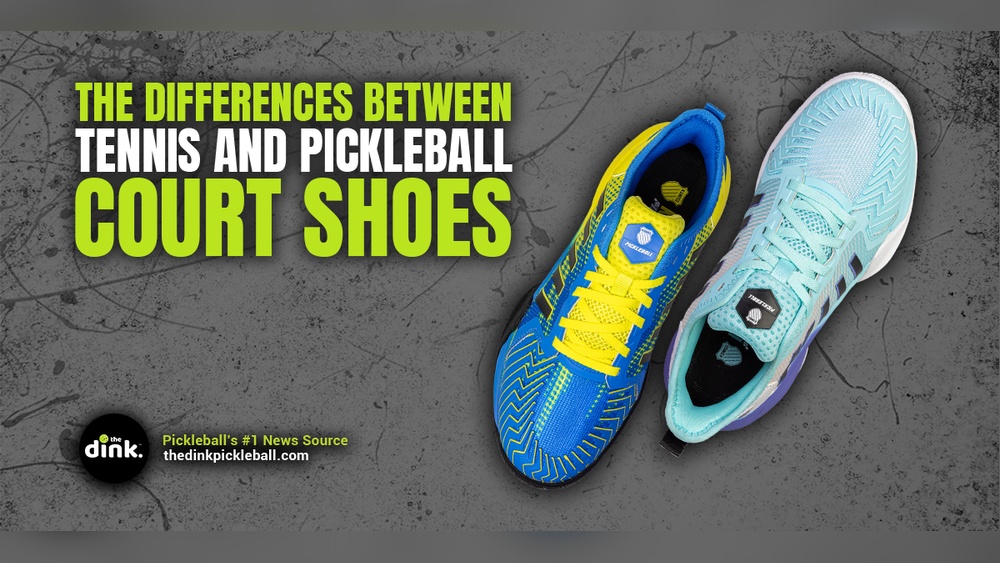
Pickleball and tennis are both fast-growing sports that attract players of all ages. At first glance, you might think any athletic shoe works for both games. But if you look closer, you’ll find that pickleball shoes and tennis shoes are actually quite different. The right footwear can make a big difference in your comfort, performance, and safety on the court. Many beginners miss these differences, which can lead to poor movement and even injuries. Let’s explore what sets these shoes apart, how to choose the right pair, and why picking the right shoe for your sport truly matters.
Why The Right Shoe Matters In Court Sports
Movement in pickleball and tennis is intense. You need to stop, start, jump, and slide—sometimes all in one rally. The wrong shoe can hold you back or increase your risk of injury. For example, tennis is played on larger courts, with more running and sliding, especially on clay or hard courts. Pickleball courts are smaller, and the game is often quicker, with more lateral (side-to-side) moves but less running distance. This means the shoe you wear should match the specific demands of each sport.
Many new players make the mistake of using running shoes or generic sneakers. These shoes are not designed for quick side steps and may not grip the court properly. This can result in rolled ankles, blisters, or even knee injuries.
Picking the right shoe helps protect your feet and lets you play your best game.
Key Differences Between Pickleball And Tennis Shoes
Understanding the differences between these two types of shoes will help you shop with confidence.
Sole Design And Traction
Tennis shoes often have thicker, more durable soles. The pattern on the bottom depends on the court surface:
- Clay courts: Shoes have herringbone patterns for sliding.
- Hard courts: Soles are flat and tough for grip and durability.
- Grass courts: Small nubs or pips to prevent slipping.
Pickleball shoes need grip for indoor wooden or outdoor concrete surfaces. Indoor pickleball shoes often resemble volleyball shoes, with non-marking rubber soles that provide excellent grip and allow for quick stops. Outdoor pickleball shoes may use the same outsole as tennis shoes but often focus on lighter weight and flexibility.
Weight And Flexibility
Pickleball shoes are usually lighter and more flexible. Since pickleball games are shorter and involve less running, a heavy shoe will tire your legs. Extra flexibility helps you change direction quickly.
Tennis shoes are often heavier. They need thick cushioning and strong side support for the repetitive long-distance runs and slides, especially on hard courts.
Lateral Support
Both types need lateral support (side-to-side stability). But tennis shoes often come with reinforced sides and extra structure, as the risk of rolling your ankle is higher with bigger movements. Pickleball shoes focus more on comfort and quick side steps, so their support is lighter but still effective.
Cushioning
Tennis involves more jumping and high-impact landings. Tennis shoes have thicker midsoles and more shock absorption, especially for hard courts.
Pickleball shoes offer cushioning too, but it’s usually thinner and more focused on forefoot comfort for quick forward steps.
Durability
Tennis shoes are built to survive hard slides and long matches. They use thick outsoles and tough materials.
Pickleball shoes, especially those designed for indoor play, may wear out faster if used outdoors. Their materials are often lighter, which means less durability but more agility.
Toe Protection
Tennis players often drag their toes during serves or quick stops, so tennis shoes have reinforced toe caps.
Pickleball shoes don’t need as much toe drag protection, so their toe boxes are usually softer and lighter.

Credit: thefitville.com
When To Use Each Shoe Type
If you play both sports, you might be tempted to use one pair for both. While this is possible for casual play, here’s why it’s not the best choice:
- Tennis shoes are heavy and stiff for pickleball, which can slow you down.
- Pickleball shoes, especially indoor models, may lack the protection and grip needed for tennis, especially on outdoor courts.
If you’re serious about either sport, having a dedicated pair for each is the smart move.
Comparing Pickleball And Tennis Shoes
Here’s a quick side-by-side look at the major features:
| Feature | Pickleball Shoes | Tennis Shoes |
|---|---|---|
| Sole Type | Non-marking, flexible, less tread depth | Durable, sport-specific (clay, hard, grass) |
| Weight | Lighter | Heavier |
| Lateral Support | Moderate | High |
| Cushioning | Forefoot focus | Heel and forefoot, thicker midsole |
| Toe Protection | Minimal | Reinforced |
| Durability | Lower (especially indoor models) | High |
What Makes A Good Pickleball Shoe?
Not all pickleball shoes are the same. Here are the features to look for:
Non-marking Outsole
Indoor courts require non-marking soles to prevent scuffing. These soles also provide better grip on wooden floors.
Lightweight Construction
A lighter shoe means less fatigue and faster footwork. This is especially important for quick rallies and net play.
Flexible Upper
Flexible materials allow your feet to move naturally. Mesh uppers with synthetic overlays offer a good mix of breathability and support.
Moderate Cushioning
Look for shoes with enough padding to absorb shock but not so much that you lose ground feel. Too much cushioning can make you feel unstable on quick moves.
Good Lateral Stability
Pickleball still involves fast side-to-side moves. Shoes should have a wide base and secure fit to prevent ankle rolls.
Breathability
Your feet can get hot in fast-paced games. Mesh panels or air holes help keep them cool.
Indoor Vs Outdoor Soles
Some shoes are made just for indoor courts. Outdoor pickleball shoes have harder rubber to stand up to rougher surfaces.
Price And Durability
Indoor pickleball shoes usually last less than tennis shoes—expect to replace them more often if you play daily.
What Makes A Good Tennis Shoe?
Tennis shoes are designed for long matches, tough surfaces, and lots of running. Here’s what matters most:
Court-specific Outsoles
Choose the right outsole for your main court type:
- Clay courts: Herringbone pattern for sliding.
- Hard courts: Thick, durable rubber.
- Grass courts: Small pips for grip.
Strong Lateral Support
Tennis involves hard side steps and slides. Shoes must have stiff sides and a snug heel.
Thick Cushioning
Tennis has more jumping and running. Look for thick midsoles and heel pads for shock absorption.
Toe Cap Protection
Serving and stopping can wear down toes fast. Reinforced toe boxes are a must.
Breathable And Durable Materials
Tennis shoes use tough synthetics or leather. Mesh panels help with airflow.
Heavier Build
While this can feel bulky, it protects your feet and legs during long rallies.
Replaceable Insoles
Many tennis shoes let you swap out insoles for custom support.
Detailed Comparison: Key Factors For Buyers
To help you decide, here’s a deeper look at each area that matters when choosing between pickleball and tennis shoes.
1. Court Surface Compatibility
- Pickleball: Indoors = smooth, non-marking soles. Outdoors = harder rubber, more grip.
- Tennis: Choose by court type (clay, hard, grass). Using the wrong sole can damage the court and reduce your grip.
2. Foot Type And Comfort
People with flat feet or high arches need different support. Tennis shoes usually have more options for special insoles. Pickleball shoes are often medium width and less customizable.
3. Durability Vs. Weight
If you play pickleball mainly indoors, choose lighter shoes. If you play outdoors or on rough courts, pick tennis shoes for better durability.
4. Price Range
Pickleball shoes are often less expensive, but you may need to replace them more often. Tennis shoes cost more, but their lifespan balances the cost.
5. Style And Brand Options
Tennis shoes come in more styles and brands, as tennis is a bigger global sport. Pickleball shoe options are growing, but choices are still limited.
6. Injury Prevention
The wrong shoe increases your risk of injuries. For example:
- Using running shoes can lead to rolled ankles due to poor lateral support.
- Using tennis shoes for pickleball can cause foot fatigue due to extra weight.
Common Mistakes When Choosing Court Shoes
Many new players make these errors:
- Using running shoes: These are built for forward motion, not side-to-side movement. They lack lateral support and can cause injuries.
- Ignoring court surface: Wearing outdoor shoes on indoor courts can leave marks and get you banned from some gyms.
- Focusing only on price: Cheap shoes may feel fine at first but break down fast, costing more over time.
- Wrong fit: Shoes that are too tight or too loose can cause blisters, black toenails, and discomfort.
How Shoe Choice Affects Your Game
The right shoe helps you move faster, stop safely, and play longer without pain. For example, a good pickleball shoe lets you react instantly at the net, while a tennis shoe gives you the confidence to slide into a backhand.
Many advanced players keep a separate pair for each sport and even for different court types. This protects their feet and keeps their shoes lasting longer.
Data: Shoe Lifespan And Injury Rates
Studies show that:
- Tennis shoes last 45–60 hours of play on hard courts, or about 6 months for regular players.
- Indoor pickleball shoes may last 4–6 months, but outdoor use wears them out faster.
- Ankle and foot injuries are 30% more common when players wear the wrong shoe type.
Real-life Example
Consider Sarah, a new pickleball player. She wore her old tennis shoes to her first pickleball league. After a few games, she felt heavy-footed, developed blisters, and her shoes left marks on the gym floor. When she switched to dedicated pickleball shoes, she moved quicker, felt more comfortable, and didn’t get any more blisters.
Brand And Model Examples
Some leading brands make both tennis and pickleball shoes, but their models are built differently. For instance:
- ASICS Gel-Rocket: Popular for pickleball, especially indoors, due to its lightweight, flexible design.
- Nike Court Lite: A classic tennis shoe with strong lateral support and a durable sole.
- K-Swiss Express Light Pickleball: Designed specifically for pickleball, with a non-marking outsole and extra breathability.
- Adidas Barricade: Known for tennis durability and stability, but too heavy for many pickleball players.
How To Test Shoe Fit And Feel
When shopping, try these steps:
- Try on shoes in the afternoon, when your feet are largest.
- Wear your sports socks.
- Stand and walk around—your toes should not touch the end.
- Do side-to-side lunges to test support.
- Look for any pinching or slipping.
A good fit means better performance and fewer injuries.
Caring For Your Court Shoes
- Rotate between two pairs if you play often.
- Clean the soles after each game—dust and grit wear them out.
- Don’t wear court shoes outside the court; this ruins the grip and sole.
- Replace shoes when the tread wears down or if you notice pain in your feet or knees.

Credit: thefitville.com
Pickleball Vs Tennis Shoes: Quick Reference Guide
Here’s a summary for easy reference:
| Question | Pickleball Shoes | Tennis Shoes |
|---|---|---|
| Main Court Type | Indoor/outdoor pickleball | Clay, hard, or grass tennis |
| Designed For | Short, quick moves | Long runs, slides |
| Weight | Lighter | Heavier |
| Best For | Pickleball-only players | Tennis or mixed-sport athletes |
| Lifespan | 4–6 months (regular play) | 6+ months (regular play) |
Should You Use Tennis Shoes For Pickleball?
Many players start with tennis shoes for pickleball, especially if they play both sports. This is okay for beginners or casual games. But if you play pickleball often, you’ll notice tennis shoes feel heavy and stiff. You might also find the soles are too aggressive for indoor courts, causing slips or marks.
If you must choose one, use tennis shoes for outdoor pickleball (especially on hard courts) and dedicated pickleball or volleyball shoes for indoor play. For top comfort and safety, having a pair for each sport is best.
Non-obvious Insights Most Beginners Miss
- Indoor and outdoor pickleball shoes are not the same. Indoor shoes use softer, non-marking rubber for grip on gym floors. Outdoor shoes need harder soles to handle rough surfaces. Using the wrong shoe will shorten its life and reduce your grip.
- Tennis shoe outsoles can damage pickleball courts. Many indoor pickleball courts ban tennis shoes because their hard outsoles can leave marks or make you slip.
Trends: The Future Of Court Shoes
As pickleball grows, more brands are making shoes just for the sport. You’ll see lighter materials, better breathability, and special soles for pickleball. Some brands are even building shoes with custom insoles for better arch support. Tennis shoes continue to improve, with more energy return and durability for hard court players.
If you want more details on the science behind court shoe design, check out this Wikipedia entry on athletic shoes.

Credit: www.youtube.com
Frequently Asked Questions
What Happens If I Use Running Shoes For Pickleball Or Tennis?
Running shoes are made for forward movement, not side-to-side motion. If you use them for pickleball or tennis, you risk rolling your ankle, slipping, or getting blisters. They also wear out faster on court surfaces.
Can I Use Tennis Shoes For Pickleball?
Yes, especially for outdoor pickleball. But tennis shoes may feel heavy and stiff during quick pickleball moves. For best comfort, use dedicated pickleball shoes for indoor games.
How Do I Know When To Replace My Court Shoes?
Replace your shoes when the tread is worn down, you notice less grip, or you start feeling pain in your feet or knees. Most court shoes last 4–6 months with regular play.
Are There Shoes Made Just For Pickleball?
Yes, many brands now make shoes specifically for pickleball. These shoes are lighter, have non-marking soles for indoor courts, and provide support for quick side steps.
What’s The Biggest Difference Between Tennis And Pickleball Shoes?
The main differences are in sole design, weight, and support. Tennis shoes are heavier, with soles built for sliding and durability. Pickleball shoes are lighter, with flexible soles for quick, short moves.
Choosing the right shoe for your sport is more important than most players think. The right footwear will keep you comfortable, improve your performance, and protect you from injuries—so take the time to find a pair that suits your game.