
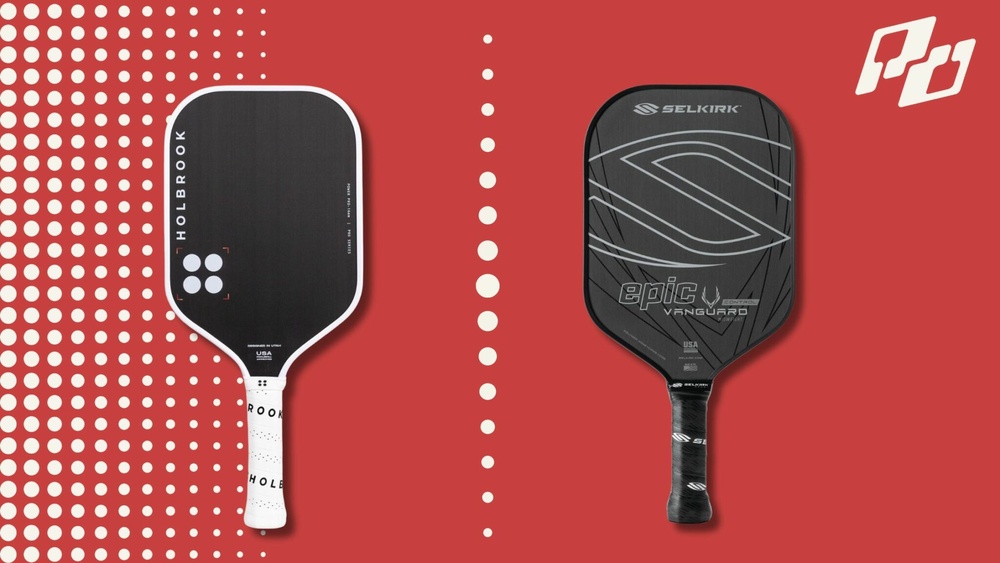
When you step onto the pickleball court, you face a crucial choice: should you focus on paddle control or power? This decision can change the way you play and win.
Imagine hitting every shot with precision, placing the ball exactly where you want. Now, picture smashing powerful shots that leave your opponent struggling to keep up. Which feels more like your style? Understanding the balance between control and power can transform your game and boost your confidence.
Keep reading to discover how to find the perfect paddle for your play and take your skills to the next level.
Balancing Control And Power
Balancing control and power in pickleball paddle choice shapes how you play. Control offers precision in shots, helping place the ball exactly where needed. Power boosts the speed and strength of your hits, making it harder for opponents to respond. Finding a balance suits your style and improves overall play.
Impact On Game Style
Control paddles favor players who like steady, accurate shots. These paddles help in dinking and soft play near the net. Power paddles suit aggressive players who prefer fast, strong smashes. Each paddle type changes how you attack and defend during matches.
Choosing The Right Paddle
Think about your strengths before picking a paddle. Beginners often benefit from control paddles to learn placement. Experienced players may choose power paddles to finish points quickly. Try different paddles to see which feels best in your hands.
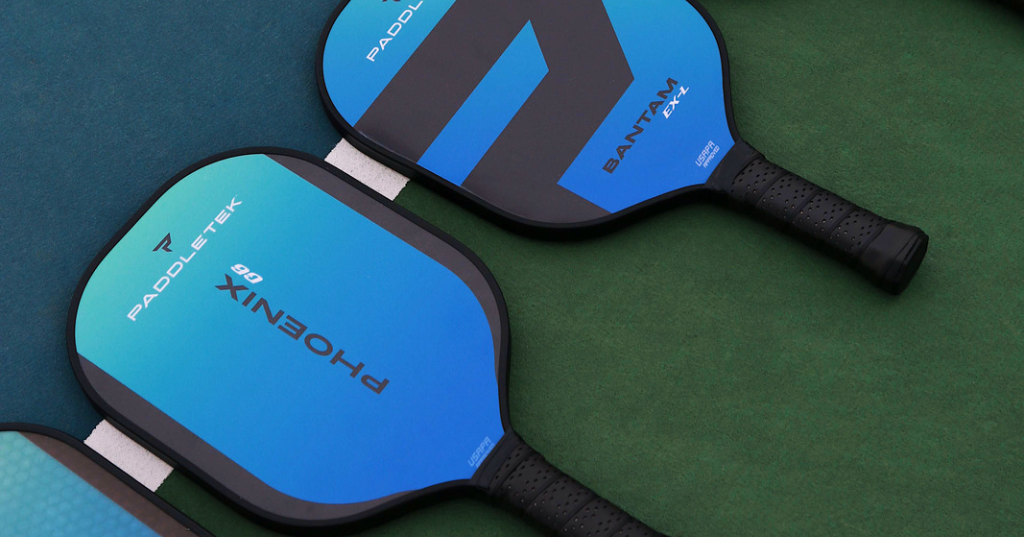
Credit: www.paddletek.com
Benefits Of Paddle Control
Paddle control plays a key role in pickleball. It helps players handle the ball with care and skill. Good control leads to better shots and more wins. Players with control can place the ball exactly where they want. This skill improves the overall play and strategy.
Choosing control over power can change how you play. It makes your game smarter, not just stronger. Control lets you respond well to different situations on the court. It helps in making fewer mistakes and staying calm.
Improved Accuracy
Control helps players hit the ball right on target. It reduces the chance of errors and out-of-bounds shots. Accurate hits force the opponent to move more. This can create openings for your next shot. Accuracy is key to keeping the ball in play longer.
Enhanced Placement
Good paddle control allows precise ball placement. You can aim for weak spots in the opponent’s defense. Placing the ball in hard-to-reach areas is easier. This puts pressure on your opponent to make mistakes. Proper placement can win points without power shots.
Better Rally Management
Control helps keep the rally going smoothly. It allows players to adjust speed and spin as needed. Managing rallies helps wear down opponents over time. It also helps in setting up winning shots. Control keeps the player confident during long exchanges.
Advantages Of Power Paddles
Power paddles offer several benefits that can enhance your pickleball play. They help players hit the ball harder and faster. This added strength can change the pace of the game and challenge opponents.
Stronger Shots
Power paddles create stronger shots with less effort. The paddle’s design helps transfer more energy to the ball. This means your hits travel farther and with more force. Stronger shots can catch your opponents off guard. They have less time to react and return the ball.
Faster Pace
Using a power paddle speeds up the game. The ball moves faster across the court. This quick pace can disrupt your opponent’s rhythm. It forces them to make faster decisions. A faster game can give you an advantage in rallies.
Pressure On Opponents
Power paddles put more pressure on your opponents. Harder shots make it tough for them to keep up. They must focus more on defense and less on attack. This pressure can cause mistakes and weak returns. You gain control of the match with strong, fast hits.
Factors Influencing Paddle Choice
Choosing the right pickleball paddle affects your control and power. Several factors guide this choice. Each factor changes how the paddle feels and performs. Understanding these helps pick the best paddle for your style.
Material And Weight
Paddle materials include wood, composite, and graphite. Wood paddles are heavy and less expensive. Composite paddles offer a balance of weight and power. Graphite paddles are light and provide better control. Weight affects swing speed and shot power. Lighter paddles give more control. Heavier paddles add power to hits.
Grip Size And Shape
Grip size influences comfort and control. A grip too large or small causes hand strain. Proper grip size improves paddle handling. Shape matters too. Some grips have a round shape. Others have a more oval design. Choose the shape that fits your hand well. A good grip reduces slipping during play.
Player Skill Level
Beginners benefit from paddles with more control. Control paddles allow easier shot placement. Advanced players may prefer power paddles. Power paddles help hit faster shots. Skill level guides paddle choice. Start with control, then move to power as skills grow.
Techniques To Maximize Control
Techniques to maximize control in pickleball help players place shots accurately. Control is vital for keeping the ball in play and setting up winning points. Small changes in how you hold the paddle, move your body, and hit the ball can make a big difference.
Focus on control before power to build a solid foundation in pickleball. Here are some key techniques to improve your paddle control.
Grip Adjustments
Grip affects how you handle the paddle and control the ball. A relaxed grip lets you feel the ball better and respond with precision. Tight grips cause tension and reduce flexibility.
Try adjusting your grip pressure during practice. Hold the paddle firmly enough to keep control but loose enough to allow wrist movement. Experiment with different grips like the continental or eastern to find what works best for you.
Stroke Mechanics
Good stroke mechanics improve shot accuracy and consistency. Use smooth, controlled swings rather than fast, wild motions. Focus on following through in the direction you want the ball to go.
Keep your paddle face slightly open or closed depending on the shot. Small wrist movements help add spin and placement. Practice short, compact strokes for dinks and longer, more fluid swings for drives.
Footwork And Positioning
Footwork sets the foundation for good control. Stay light on your feet and move quickly to get into the right position. Balanced stance helps you maintain stability during shots.
Position yourself so you can hit the ball at waist height and in front of your body. This allows better paddle control and quicker reaction times. Anticipate your opponent’s shots to stay ready and avoid stretching.
Strategies To Enhance Power
Power in pickleball helps you hit stronger shots and put pressure on your opponent. Increasing power needs focus on your technique and body movements. Small changes make a big difference.
Practice these strategies often to build your power step by step. Each part of your swing plays a role in creating force.
Swing Speed
Swinging your paddle faster creates more power. Use a smooth and quick motion instead of a slow, forced swing. Speed comes from practice and muscle control. Keep your wrist firm but relaxed to avoid injury. Try short swings first, then increase speed with time.
Body Rotation
Turn your hips and shoulders as you hit the ball. This rotation adds force beyond your arm strength. Start your swing from your legs and hips. Moving your whole body makes your shots stronger and more balanced. Practice twisting your torso smoothly for better power.
Follow-through
Finish your swing fully by following through with the paddle. This helps transfer energy into the ball. A good follow-through keeps your shot controlled and powerful. Avoid stopping your paddle too soon. Let your arm extend naturally after contact for best results.
Situational Use Of Control Vs Power
Choosing between control and power in pickleball depends on the situation. Each style fits different moments in a match. Understanding when to use control or power can improve your play. Knowing this balance helps you respond better to the game flow.
Defensive Play
In defense, control is key. Soft, precise shots keep the ball in play. It prevents your opponent from attacking easily. Power shots risk losing the point quickly. Controlled paddle movement helps you stay safe and ready.
Offensive Opportunities
Power shines during attack. Strong hits pressure your opponent. They force quick reactions and mistakes. Use power to finish points fast. But aim carefully to avoid errors. Power works best when the chance to score appears.
Adapting To Opponents
Watch your opponent’s style closely. Use control if they play aggressively. Slow the game down and wait for mistakes. Use power if they struggle with fast shots. Changing your paddle use keeps your opponent guessing.
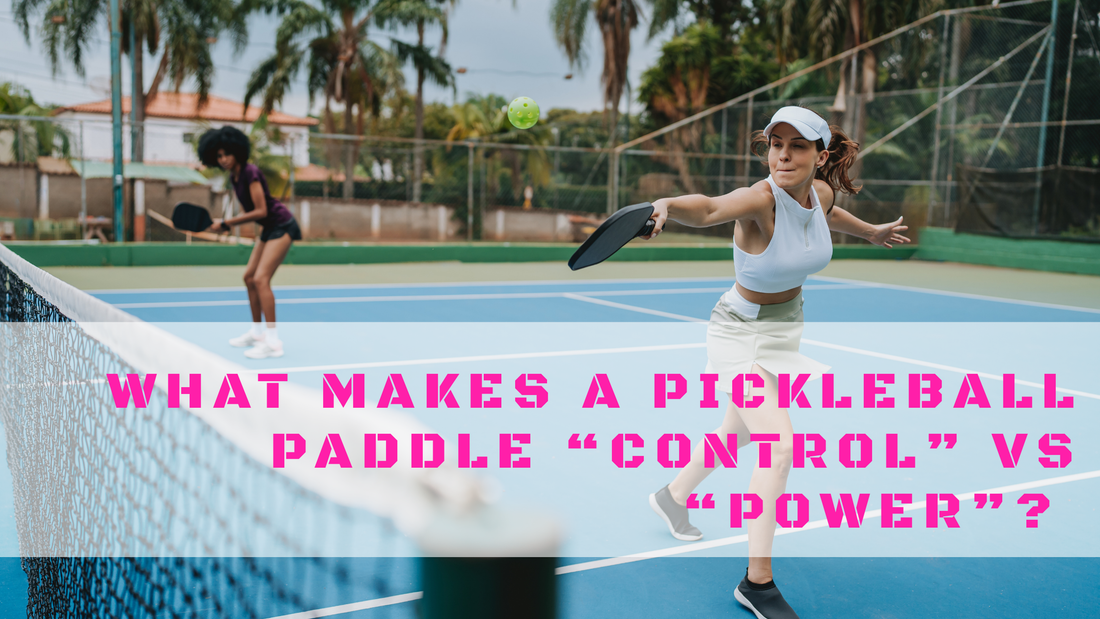
Credit: pickleballzonesa.co.za
Training Drills For Balance
Training drills for balance help players improve both control and power. These drills focus on enhancing your ability to place shots accurately and hit with strength. Balancing control and power is important for effective play. Practicing specific exercises can develop these skills separately and together. Below are drills designed to build control, power, and a mix of both.
Control-focused Exercises
Start with soft dinking drills close to the net. Aim for precise paddle placement and gentle touch. Practice hitting targets on the court. Use light swings to keep the ball low and steady. Repeat slow volleys with a partner to improve timing and accuracy. These exercises build fine motor skills and consistent paddle control.
Power-building Practices
Work on strong drives from the baseline. Use full swings with fast paddle movement. Practice smashes with proper body rotation to add force. Do wrist snap drills to increase paddle speed. Include footwork drills to improve balance during powerful shots. These practices develop strength and explosive paddle actions.
Combining Both Skills
Mix control and power drills in rally sessions. Alternate soft dinks with hard drives to challenge your adaptability. Use games that require quick changes between slow and fast shots. Practice changing paddle angles while hitting with force. This helps you switch smoothly between control and power during matches.

Credit: pickleballscience.org
Frequently Asked Questions
What Is The Difference Between Paddle Control And Power?
Paddle control allows precise ball placement and spin. Power focuses on hitting the ball harder and faster. Control helps with accuracy, while power helps with aggressive shots. Both are important for different playing styles and strategies in pickleball.
How Does Paddle Control Affect Gameplay?
Good paddle control improves shot accuracy and consistency. It helps players place shots strategically. Control also aids in handling tricky shots and volleys. This leads to better rally management and fewer unforced errors. Control is essential for defensive and tactical play.
When Should You Prioritize Power Over Control?
Prioritize power during offensive plays and aggressive shots. Power helps to overwhelm opponents with fast, forceful hits. It’s useful for smashing and ending points quickly. However, excessive power can reduce accuracy. Balancing power with control is key for effective play.
Can Paddle Weight Influence Control And Power?
Yes, lighter paddles generally offer better control and maneuverability. Heavier paddles provide more power but less finesse. Players must choose paddle weight based on their style. Finding the right balance enhances overall performance on the court.
Conclusion
Choosing between control and power depends on your style. Control helps place the ball exactly where you want. Power lets you hit harder and faster. Both have strengths and weaknesses in different situations. Think about your skill level and what feels right.
Practice with each paddle type to find balance. Enjoy playing and improving your skills step by step. Winning comes from smart choices, not just strength. Keep trying and have fun on the court.