
Pickleball is one of the fastest-growing sports in the world. Its blend of tennis, badminton, and ping-pong makes it easy to pick up and fun for all ages. But as more people take up pickleball, injuries are also becoming more common—especially tennis elbow. If you’ve ever felt pain outside your elbow after playing, you’re not alone. Tennis elbow, or lateral epicondylitis, doesn’t just affect tennis players; pickleball players are at risk too. The good news? Most cases are preventable with the right approach.
Understanding how to prevent tennis elbow in pickleball is not just about playing safely—it’s about enjoying the game for years to come. In this guide, you’ll discover what causes tennis elbow, why pickleball players are vulnerable, and, most importantly, how you can protect yourself.
We’ll cover everything from grip technique to warm-up routines, gear choices, and exercises that build up your arm’s resilience. Whether you’re new to pickleball or a seasoned competitor, these insights will help you play pain-free.
What Is Tennis Elbow And Why Pickleball Players Get It
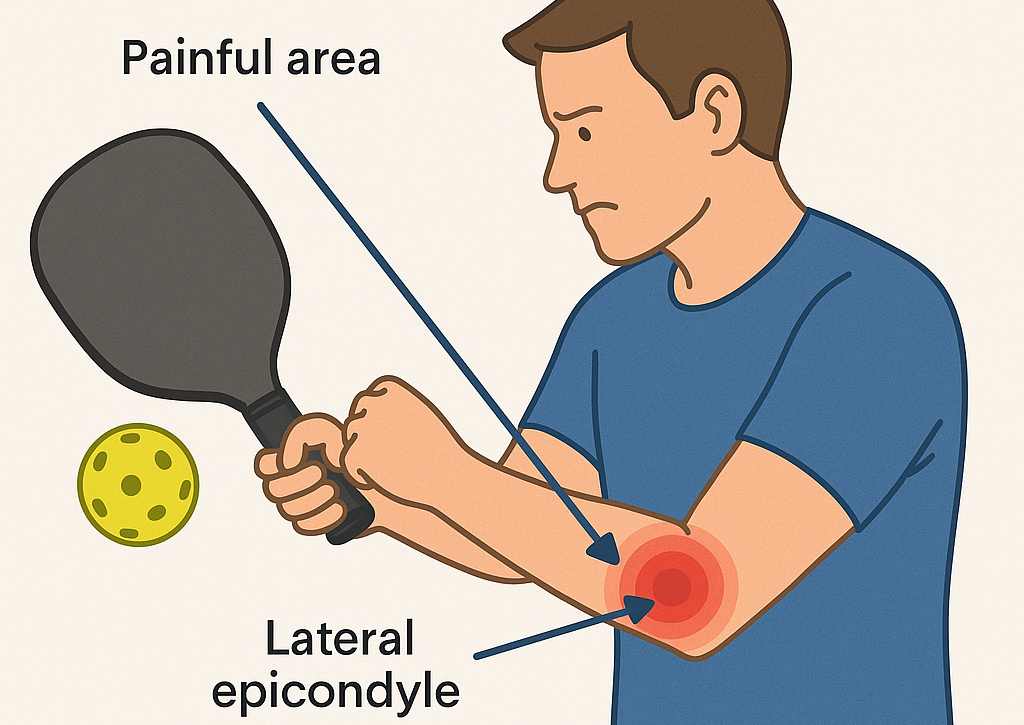
Tennis elbow is a common injury where the tendons on the outside of your elbow get inflamed or damaged. This usually happens from overuse or repetitive motions—like swinging a paddle. The medical name is lateral epicondylitis. The pain is usually sharp or burning and can make it hard to grip objects, shake hands, or even lift a coffee cup.
Pickleball has its own risk factors:
- The smaller paddle and lighter ball in pickleball mean faster wrist movements.
- Many players use improper grip techniques or equipment not suited to their hand size.
- Playing for long periods without breaks, especially for beginners, puts extra stress on the forearm.
Here’s something many new players miss: Even small mistakes in technique add up over time. Just a few degrees off in your paddle grip or wrist position can lead to months of pain.
Common Causes Of Tennis Elbow In Pickleball
To prevent tennis elbow, you need to know what causes it. For pickleball players, the main triggers include:
- Repetitive paddle swings: Hitting hundreds of balls, especially with poor form, strains the elbow.
- Incorrect grip size: Too small or large a handle forces your muscles to work harder.
- Excessive wrist flicking: Many beginners use their wrist instead of their arm, stressing tendons.
- Lack of warm-up: Cold muscles are more likely to be injured.
- Overplaying: Long sessions without rest don’t let your tissues recover.
What many players don’t realize is that changing paddles or playing style can suddenly increase your risk. For example, switching to a heavier paddle without building up forearm strength can cause problems quickly.
Credit: topspinpro.com
How To Prevent Tennis Elbow In Pickleball
Staying injury-free is all about smart preparation, proper technique, and listening to your body. Let’s break down the most effective strategies.
1. Choose The Right Paddle And Grip Size
Your paddle is your main tool, and its features matter more than most realize. The grip size should match your hand—neither too large nor too small.
How to find your ideal grip size:
- Hold the paddle as you would shake someone’s hand.
- Slide your index finger of your other hand into the gap between your fingers and palm.
- If it fits snugly, the grip size is good. If there’s too much space or it’s tight, you need a different grip.
Paddle weight also matters. Heavier paddles offer more power but can stress your arm. Lighter paddles are easier to maneuver but might require more swing force.
| Paddle Weight | Pros | Cons | Best For |
|---|---|---|---|
| Light (7.0–7.5 oz) | Less arm fatigue, quicker reactions | Less power, may need more force | Beginners, frequent players |
| Medium (7.6–8.4 oz) | Balanced control and power | May cause fatigue after long play | Intermediate players |
| Heavy (8.5+ oz) | More power, less effort per shot | Higher risk of elbow strain | Advanced, powerful hitters |
Non-obvious tip: Try different grips and paddles in practice sessions before buying. Even a small change in grip size can make a big difference after several games.
2. Master Proper Technique
Technique is everything in preventing injuries. Many pickleball players use a “death grip” on their paddle or flick their wrist too much. Both habits overwork your forearm muscles.
Keys to good technique:
- Use a relaxed grip (about 4–5 out of 10 in tightness).
- Let your shoulder and core help power your shots, not just your wrist.
- Follow through with your swing, don’t stop abruptly.
- Keep your wrist stable and avoid snapping it on every hit.
What beginners often miss: Watching videos of pros isn’t enough. Take a lesson or ask a coach to check your swing. Small adjustments can prevent months of pain.
3. Warm Up And Stretch Before Play
Playing with cold muscles is a recipe for injury. A proper warm-up boosts blood flow, increases flexibility, and prepares your tendons.
Effective warm-up routine (5–10 minutes):
- Arm circles (forward and backward)
- Wrist rotations
- Light jogging or side shuffles
- Gentle paddle swings
Stretching after play helps your muscles recover and stay loose. Focus on your forearm, wrist, and shoulder.
Key stretches:
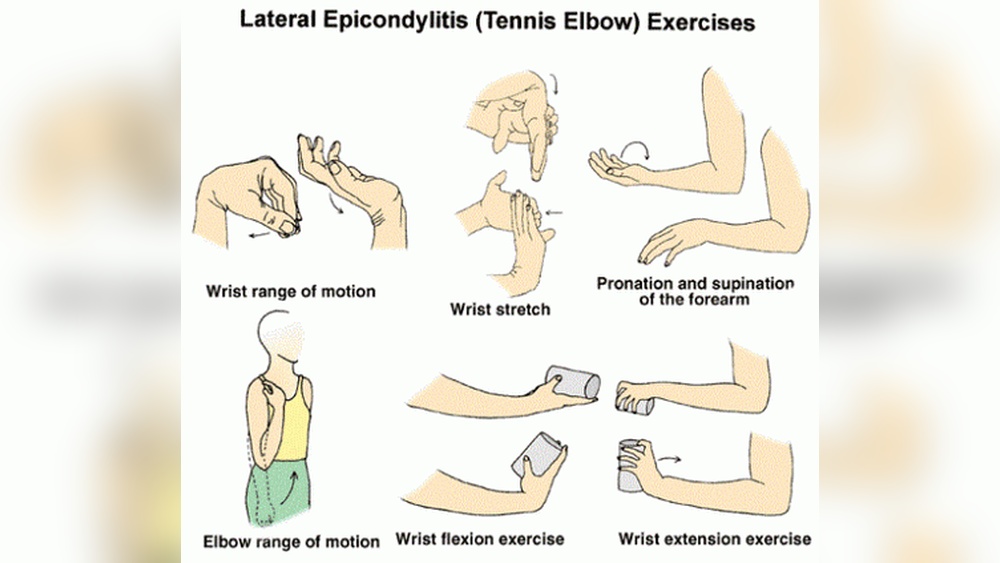
- Extend your arm, palm down. Use the other hand to gently pull your fingers back.
- Place your palm down on a table and gently lean forward.
- Rotate your wrist in both directions.
Pro insight: Many injuries happen at the start of play when your body isn’t ready. Even a few minutes of warm-up can cut your risk in half.
4. Build Forearm And Grip Strength
Strong muscles protect your tendons. If your forearm and grip are weak, your elbow takes more of the force.
Simple exercises:
- Wrist curls: Hold a lightweight dumbbell, palm up. Curl your wrist up and down.
- Reverse wrist curls: Same as above, but palm faces down.
- Squeeze a tennis ball: Hold, squeeze, and release for 1–2 minutes.
- Finger extensions: Place a rubber band around your fingers and stretch them out.
Do these 2–3 times a week. Start light; overdoing it can also cause injury.
Non-obvious tip: Work on your shoulder and back too. A strong upper body reduces strain on your elbow by distributing the effort.
5. Take Regular Breaks And Listen To Your Body
Pushing through pain is tempting, especially when the game is close. But pain is your body’s way of saying something’s wrong.
- Take a 5–10 minute break every hour of play.
- If you feel elbow pain, stop and rest. Don’t try to “play through it.”
- Use ice on sore areas after games to reduce inflammation.
What many ignore: Tennis elbow often starts as a small ache. Early rest and ice can stop it from becoming a big problem.
6. Use Supportive Gear
Sometimes, even with good technique, your elbow needs extra help. Elbow braces or straps can reduce strain during play.
How braces help:
- They apply gentle pressure to your forearm muscles.
- This redistributes force away from the tendon.
- Many athletes find they can play longer without pain.
When to use: If you’ve had elbow pain before, or during long tournaments. But don’t rely on a brace alone—work on your technique and strength too.
7. Manage Your Playing Schedule
Overuse is a major cause of tennis elbow. Many players, especially those new to pickleball, play several times a week without letting their bodies recover.
- Limit play to 3–4 times a week if you’re new.
- Alternate pickleball days with rest or other activities.
- Increase your playtime slowly—don’t jump from 1 to 5 sessions a week.
Pro insight: Your body adapts to new activities gradually. Sudden jumps in play volume cause most overuse injuries.
8. Cross-train And Balance Your Body
Only playing pickleball can cause muscle imbalances. Cross-training with other sports or exercises builds all-around strength and flexibility.
Good options:
- Swimming (gentle on joints, builds shoulder strength)
- Yoga or Pilates (improves flexibility and balance)
- Resistance training (focus on back, shoulders, and legs)
Non-obvious benefit: Cross-training also keeps your mind fresh and prevents burnout from too much of one sport.
9. Watch For Warning Signs And Act Early
Don’t wait for severe pain. Early warning signs include:
- Mild soreness on the outside of the elbow
- Weak grip strength
- Pain during gripping or twisting motions
If you notice these, reduce your play, ice your elbow, and do gentle stretches. If pain persists, see a sports doctor or physical therapist.
What beginners miss: Small aches are easy to ignore. Addressing them early is much easier than fixing a chronic injury.
Technique Adjustments: Small Changes, Big Impact
Many cases of tennis elbow can be prevented by tweaking your swing and grip. Here’s how small changes make a big difference.
Focus On The Kinetic Chain
Your body is a system. Power should start from your legs and core, not just your arm.
- Bend your knees and rotate your hips as you swing.
- Let your whole body flow with the shot.
Use A Continental Or Eastern Grip
These grips keep your wrist stable and reduce strain on your elbow.
- Continental grip: Place the base knuckle of your index finger on the top bevel of the handle.
- Eastern grip: Place your palm flat against the paddle face, then slide it down to the handle.
Try each grip and see what feels most natural. If you’re unsure, ask a coach or experienced player to demonstrate.
Avoid “wristy” Shots
Many beginners use their wrist to add spin or power. This puts all the force on your forearm tendons.
- Keep your wrist firm.
- Use your whole arm and shoulder instead.
Practical tip: Record a short video of your swing. Watch for excessive wrist movement, especially during quick exchanges at the net.

Credit: www.centerforboneandjoint.com
How Equipment Choices Affect Tennis Elbow Risk
Not all paddles and balls are the same. Choosing the right equipment can lower your risk of injury.
Paddle Material
- Graphite paddles: Light and responsive but can transmit more vibration.
- Composite paddles: Slightly heavier, often dampen shock better.
- Wooden paddles: Cheapest, but heavy and less forgiving.
Paddle Thickness
Thicker paddles absorb more vibration, reducing stress on your arm.
Overgrips And Cushioning
Adding a soft overgrip can make the paddle easier to hold and reduce vibration.
| Equipment Feature | Benefit | Risk Level for Elbow |
|---|---|---|
| Thick paddle core | Reduces vibration | Low |
| Thin paddle core | More power, less shock absorption | Higher |
| Soft overgrip | Better comfort, less slippage | Low |
| No overgrip | Direct vibration, less comfort | Higher |
Non-obvious insight: Don’t buy the most expensive paddle assuming it’s best for your elbow. Test different types with friends or at a store with a demo program.
Sample Warm-up And Stretching Routine For Pickleball
Warming up the right way takes less than 10 minutes but can save you months of recovery. Here’s a simple sequence you can follow courtside.
- Light cardio (2 minutes): Jog or march in place to get your blood flowing.
- Arm circles (1 minute): Forward and backward.
- Wrist rotations (1 minute): Both directions.
- Forearm stretches (1 minute): Hold each stretch for 15 seconds per side.
- Shoulder shrugs (1 minute): Up and down, slow and controlled.
- Gentle practice swings (2 minutes): Mimic real shots, gradually increasing speed.
After play, stretch again: Focus on wrists, forearms, and shoulders. Hold each stretch for 20–30 seconds.
Pro tip: If you’re short on time, never skip the warm-up. Even 3–5 minutes can make a real difference.
What To Do If You Start Feeling Symptoms
If you notice elbow pain or soreness, take action right away:
- Rest: Stop playing for a few days.
- Ice: Apply ice packs (wrapped in a towel) for 15–20 minutes, 2–3 times a day.
- Compression: Use an elbow wrap if swelling occurs.
- Elevation: Keep your arm raised above heart level when possible.
After the pain eases, return slowly to play. Focus on proper technique and consider adjusting your equipment.
When to see a doctor: If pain persists for more than two weeks, or you can’t grip or lift objects, seek professional help. You might need physical therapy or, in rare cases, other treatments.
How Coaches And Physical Therapists Can Help
Don’t overlook the value of expert feedback. Coaches can spot technique issues you may not feel, while physical therapists can help you correct muscle imbalances or recover from injury.
- Coaches: Help you master safe grip, swing, and footwork.
- Physical therapists: Guide you through strengthening and stretching routines.
Some clinics offer video analysis, where they break down your movements frame by frame. This is especially useful if you’ve had recurring elbow pain.

Credit: www.labsportstherapy.com
Real-world Example: Pickleball Player’s Recovery
Consider the story of Sarah, a 45-year-old who picked up pickleball during the pandemic. After months of frequent play, she developed sharp pain on the outside of her right elbow. At first, she ignored it, hoping it would go away.
But soon, she struggled to hold her paddle and open jars at home.
A coach noticed her grip was too tight and her swing relied heavily on her wrist. She switched to a lighter paddle, used an overgrip, and learned proper technique. She also added forearm exercises and regular stretching. Within six weeks, her pain improved, and she now plays without discomfort.
Key takeaway: Early action and small adjustments can make all the difference.
Comparing Tennis Elbow Risk: Pickleball Vs. Tennis Vs. Other Sports
How does pickleball compare with other racquet sports for elbow injuries? Here’s a quick look.
| Sport | Elbow Injury Risk | Main Causes | Typical Age Group |
|---|---|---|---|
| Tennis | High | Heavy racquet, fast swings, topspin | All ages, peak 30-50 |
| Pickleball | Moderate | Light paddle, frequent wrist use, improper grip | All ages, many over 40 |
| Badminton | Moderate | Quick flicks, overhead shots | Younger athletes |
| Table Tennis | Low | Small paddle, fast wrist action | All ages |
Insight: Pickleball is lower risk than tennis, but the light paddle and fast play can still cause injury, especially in older adults or those new to racquet sports.
When To Seek Professional Help
Most cases of tennis elbow respond well to rest, ice, stretching, and technique changes. But if your symptoms don’t improve in 2–3 weeks, or if you experience severe pain, swelling, or loss of function, see a doctor. Persistent cases might need physical therapy or other treatments.
For more on tennis elbow and treatments, visit the Mayo Clinic.
Frequently Asked Questions
What Are The First Signs Of Tennis Elbow In Pickleball?
The earliest signs are usually mild pain on the outside of your elbow, especially when gripping objects or swinging your paddle. You might also notice a weaker grip or soreness after playing. Catching these signs early means you can rest and adjust before the pain gets worse.
Is Tennis Elbow Permanent If I Keep Playing Pickleball?
No, tennis elbow is not usually permanent, but ignoring symptoms can make it last months or even years. With early action—rest, ice, and technique changes—most people recover fully. Playing through the pain can lead to chronic problems.
Can A Specific Paddle Prevent Tennis Elbow?
No paddle can guarantee you won’t get tennis elbow, but choosing one with the right grip size and weight for your hand helps reduce risk. Paddles with vibration dampening features and a comfortable overgrip can also be beneficial.
Are Elbow Braces Helpful For Pickleball Players?
Elbow braces can provide support and reduce pain during play, especially if you’re recovering from injury. But they’re not a cure—focus on improving your technique and strength too.
How Long Should I Rest If I Develop Tennis Elbow?
Rest as soon as you notice pain. For mild cases, a few days to a week may be enough. For more severe pain, you might need 2–4 weeks or longer. Always return to play slowly, focusing on proper technique and prevention.
Pickleball should bring you joy, not pain. By understanding the risks, making smart choices, and listening to your body, you can prevent tennis elbow and keep playing your best game for years to come.