
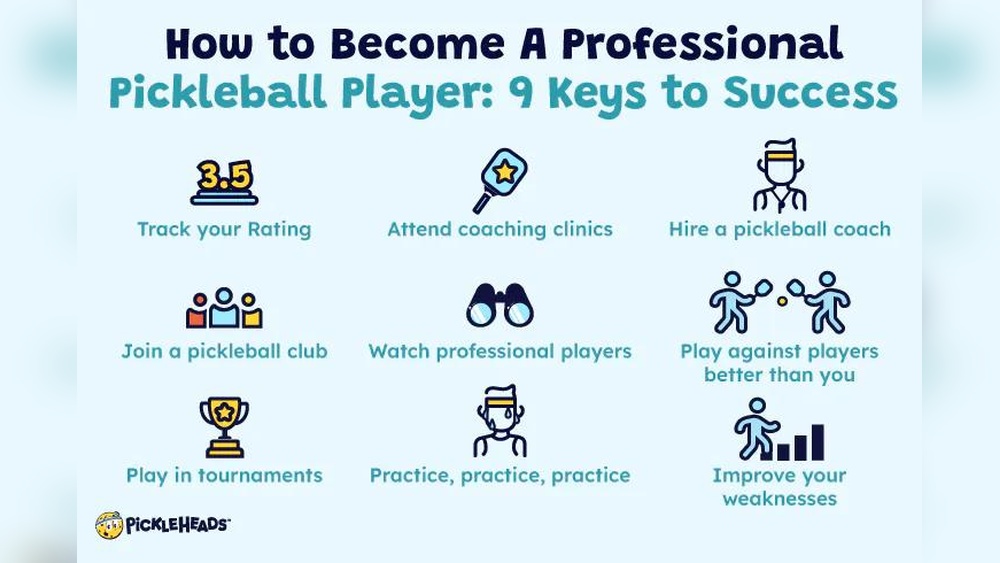
Are you ready to take your pickleball game to the next level? Going pro in pickleball is not just about playing well—it’s about training smart, mastering key skills, and knowing what it takes to stand out.
Whether you’re dreaming of competing in big tournaments or turning your passion into a career, this guide will show you exactly how to get there. Keep reading, because your path to becoming a pro pickleball player starts here.
Pickleball Basics
Pickleball is a fun and fast sport that mixes elements of tennis, badminton, and ping-pong. It is easy to learn but offers many chances to improve. Understanding the basics helps players build strong skills. This section covers the main rules, equipment, and court details.
Rules And Scoring
Pickleball is played with two or four players. The goal is to score points by hitting the ball over the net. Each team serves and tries to win rallies. Only the serving side can score points. Games usually go up to 11 points. A team must win by 2 points to finish the game. Players must follow the double-bounce rule, letting the ball bounce once on each side before volleys. Faults include hitting the ball out of bounds or into the net.
Essential Equipment
Pickleball requires a paddle, a ball, and a net. Paddles are smaller than tennis racquets and made of lightweight materials. The ball is plastic with holes, similar to a wiffle ball. Nets are similar in size to badminton nets but lower than tennis nets. Proper shoes help with quick movements and prevent injuries. Using the right gear makes playing easier and safer.
Court Dimensions
The court size is 20 feet wide and 44 feet long for doubles and singles. It has a non-volley zone, called the kitchen, that extends 7 feet from the net on both sides. Players cannot volley inside this zone. The net height is 36 inches at the sidelines and 34 inches in the center. Courts are smaller than tennis courts, making the game faster and more accessible.

Credit: www.youtube.com
Skill Development
Improving your pickleball skills is key to playing at a professional level. Skill development requires focused practice and understanding of core techniques. The main areas to develop include serves, returns, dinking, volleys, footwork, and positioning. Each skill shapes your overall play and helps you compete with top players.
Mastering Serves And Returns
The serve starts every point. Practice different types of serves to keep opponents guessing. Aim for accuracy and control rather than power. A good serve sets you up for an advantage.
Returns are just as important. Focus on reading the opponent’s serve and responding quickly. A strong return puts pressure on your opponent and can lead to easy points.
Dinking And Volleys
Dinking is a soft shot played near the net. It requires touch and patience. Practice controlling the ball to keep it low and slow. This forces your opponent into mistakes.
Volleys happen when hitting the ball before it bounces. They need quick reflexes and steady hands. Work on your timing to intercept shots and keep the pressure on.
Footwork And Positioning
Good footwork lets you move quickly and stay balanced. Practice small, fast steps to adjust to the ball’s direction. Staying light on your feet helps you react faster.
Positioning means being in the right place at the right time. Learn to anticipate your opponent’s shots and cover the court smartly. Good positioning reduces your effort and increases your chances to win points.
Advanced Techniques
Advanced techniques set pro pickleball players apart from beginners. These skills improve control, accuracy, and strategy. Practicing these techniques helps you play smarter and win more points.
Spin And Shot Variety
Adding spin to your shots changes the ball’s movement. Topspin makes the ball dip quickly. Backspin slows the ball and makes it bounce low. Side spin can curve the ball around opponents. Use different spins to confuse your opponents. Mix fast and slow shots to keep them guessing.
Strategic Shot Placement
Placing shots in weak spots forces your opponent to move. Aim for the sidelines or deep corners. Drop shots near the net can catch your opponent off guard. Change your shot placement often. This makes it harder for your opponent to predict your moves.
Reading Opponents
Watch your opponent’s body and paddle position. It shows what shot they might play next. Notice their favorite shots and patterns. Adjust your play to counter their strengths. Predicting their moves helps you react faster and stay ahead.
Physical Conditioning
Physical conditioning is a key part of going pro in pickleball. Your body must be ready to handle fast moves and long matches. Training your body helps you play better and avoid injuries.
Good conditioning boosts your strength, speed, and focus. It also keeps you feeling fresh during tough games. Let’s explore the main areas to work on for top physical fitness.
Strength And Endurance
Strong muscles help you hit powerful shots and move quickly. Focus on exercises that build leg, arm, and core strength. Squats, lunges, and push-ups work well. Endurance is just as important. Running, cycling, or swimming can improve your stamina. This helps you stay active through long matches without tiring.
Flexibility And Agility
Flexibility helps your body move smoothly and prevents tight muscles. Stretch daily, especially your legs, hips, and back. Agility means quick and precise movements. Practice drills that improve your footwork and balance. Ladder drills or cone exercises boost your reaction time on the court.
Injury Prevention
Injuries slow your progress and keep you off the court. Warm up before every session with light cardio and stretching. Use proper technique for every shot to avoid strain. Strengthen muscles around your joints to protect them. Rest and recover to let your body heal and stay strong.
Mental Game
The mental game is as important as physical skills in pickleball. Strong mental focus can improve your play and help you win matches. Training your mind builds resilience and keeps you calm under pressure. This section covers key mental skills to help you go pro.
Focus And Concentration
Focus means paying full attention to the ball and your opponent. Avoid distractions during the match. Practice drills that improve your concentration. Short bursts of focus help you react faster. Keep your mind on each shot, not the score.
Handling Pressure
Pressure can make you nervous or rush your shots. Learn to stay calm when the game is close. Breathe deeply to reduce tension. Think only about your next move. Accept mistakes and keep playing with confidence.
Building Confidence
Confidence grows from practice and good habits. Celebrate small wins and progress. Visualize successful shots before playing. Use positive self-talk to boost your belief. Confidence helps you play relaxed and take smart risks.

Credit: www.dupr.com
Competitive Play
Competitive play is a key step to becoming a pro in pickleball. It tests your skills and helps you grow. Playing against different opponents sharpens your strategy. Experience in real matches builds confidence and mental strength. Focus on regular competition to improve steadily and gain ranking points.
Finding Tournaments
Start by searching for local and regional pickleball tournaments. Check official pickleball association websites for event listings. Join pickleball clubs to hear about upcoming matches. Use social media groups dedicated to pickleball for announcements. Register early to secure your spot in popular tournaments.
Match Preparation
Warm up with light exercises before every match. Practice key shots and serves to stay sharp. Study your opponent’s style if possible. Plan your game strategy and focus areas. Stay hydrated and eat light meals for energy. Keep a positive mindset and control your nerves.
Analyzing Performance
Record your matches to review later. Look for patterns in your wins and losses. Note your strengths and areas needing improvement. Ask coaches or experienced players for feedback. Work on weak points in your training sessions. Track your progress to stay motivated and focused.
Networking And Growth
Building connections plays a key role in advancing your pickleball career. Networking helps you learn faster and find new opportunities. Growth comes from meeting others who share your passion and goals. Sharing ideas and experiences with players and coaches can improve your skills. Joining groups and attending events opens doors to support and guidance.
Joining Pickleball Communities
Pickleball communities provide a place to meet players at all levels. Local clubs and online forums connect you with others. These groups offer practice sessions, tournaments, and advice. Being active in a community helps you stay motivated. You can find partners and coaches who push you to improve.
Learning From Pros
Watching and listening to professional players is very helpful. Pros share tips on technique, strategy, and training routines. You can attend clinics or watch videos to learn from them. Their experience shows what it takes to succeed. Learning from pros sharpens your skills and mindset.
Sponsorship And Support
Sponsorships provide financial help and gear for serious players. Companies often support players who show promise and dedication. Building a good reputation and strong network attracts sponsors. Support from sponsors can reduce expenses and boost confidence. This backing allows you to focus more on improving your game.
Credit: www.thedinkpickleball.com
Career Pathways
Choosing a career in pickleball offers more than just playing in tournaments. Many paths lead to success beyond the court. Players can turn their passion into a lasting profession. Understanding these pathways helps plan a future in pickleball.
Coaching Opportunities
Coaching is a popular route for many pickleball players. Teaching beginners and advanced players builds skills and confidence. Coaches work at clubs, schools, and community centers. Private lessons or group clinics offer flexible options. Coaching allows sharing knowledge and staying connected to the sport.
Professional Circuits
Playing in professional circuits tests skill against top players. These tournaments offer prize money and recognition. Many leagues and tours exist worldwide. Regular competition sharpens ability and boosts visibility. Success here can lead to sponsorships and greater career growth.
Brand Building
Building a personal brand grows influence in pickleball. Social media, blogs, and videos attract fans and sponsors. Consistent content creates trust and a loyal audience. Players can promote products or their coaching services. A strong brand opens doors beyond playing professionally.
Frequently Asked Questions
What Skills Are Essential To Go Pro In Pickleball?
Mastering control, agility, and strategic shot placement is crucial. Consistent practice sharpens reflexes and improves game awareness for competitive play.
How Long Does It Take To Become A Pro Pickleball Player?
Becoming pro varies, often requiring years of dedicated training and tournament experience. Consistent skill improvement and mental toughness are key factors.
What Equipment Is Best For Pro-level Pickleball?
High-quality paddles with good control and power, comfortable shoes with grip, and durable balls designed for competition enhance pro performance.
How Can I Find Professional Pickleball Tournaments?
Check official pickleball association websites and local clubs. Online platforms list tournaments by location and skill level for aspiring pros.
Conclusion
Going pro in pickleball takes focus and steady effort. Practice your skills every day. Play with others who challenge you. Learn from your mistakes and keep improving. Stay fit and healthy to perform your best. Enter local tournaments to gain experience.
Keep a positive attitude and enjoy the process. Success comes with patience and hard work. Your passion will drive you forward. Keep pushing, and the pro level will come.