
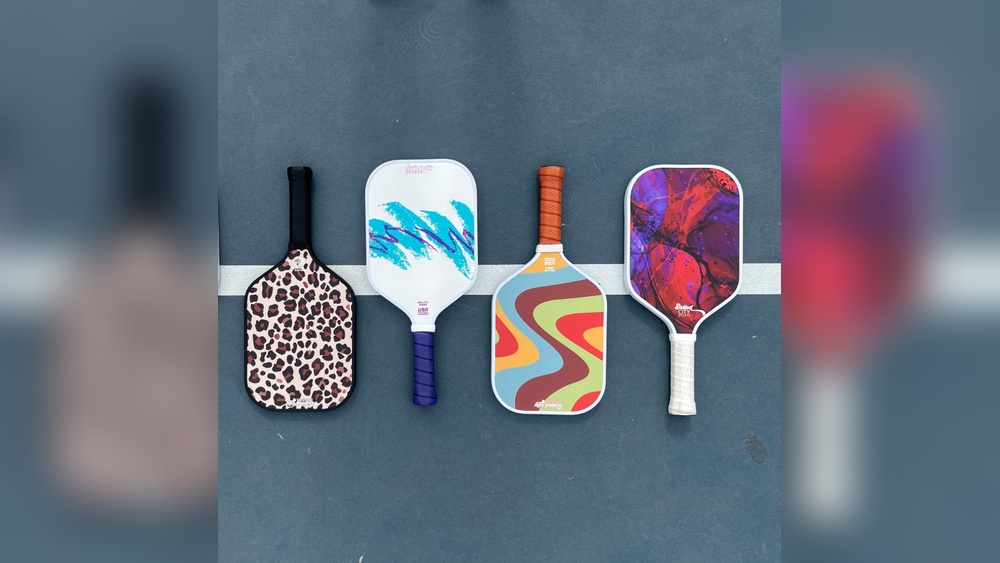
Pickleball is growing fast, and more people are discovering how fun and challenging the game can be. As you play more, you might start asking, “Do pickleball paddles make a difference? ” It’s a smart question. After all, many sports have specialized equipment that changes how the game feels and how you perform.
But with pickleball, it’s easy to wonder if a paddle really matters or if it’s just a marketing trick.
The truth is, pickleball paddles do make a difference—sometimes a huge one. The paddle you choose can impact your power, control, comfort, and even your risk of injury. Many beginners don’t notice this at first, but as players improve, they quickly realize the paddle is more than just a tool to hit the ball.
The right paddle can boost your strengths and help you play your best. On the other hand, the wrong paddle can hold you back or make the game less enjoyable.
Let’s look in detail at why pickleball paddles matter, which paddle features make the most difference, and how to choose the right one for your playing style. Whether you’re new to pickleball or looking to upgrade your gear, understanding your paddle can help you reach the next level.
Why Pickleball Paddles Matter
Many players start with any paddle they find. But as soon as you compare different paddles, you’ll notice they don’t all feel the same. Here’s why:
- Material changes how the ball bounces off the paddle.
- Weight affects your swing speed and control.
- Shape can give you a larger sweet spot or more reach.
- Grip size impacts comfort and injury risk.
A paddle that fits your hand and playing style can help you control the ball, hit harder, and react faster. Even small differences add up over a match. Serious players often try several paddles before finding the one that feels “just right.
”
Paddle Materials: More Than Just Hype
Pickleball paddles use a variety of materials, each with unique strengths and weaknesses. Here’s what you need to know:
Wood Paddles
Wood was the first material used in pickleball paddles. Today, wood paddles are often found in recreational centers or as loaners for beginners.
- Pros: Inexpensive and durable.
- Cons: Heavy, less control, small sweet spot.
- Who should use: Absolute beginners or for backyard fun.
Composite Paddles
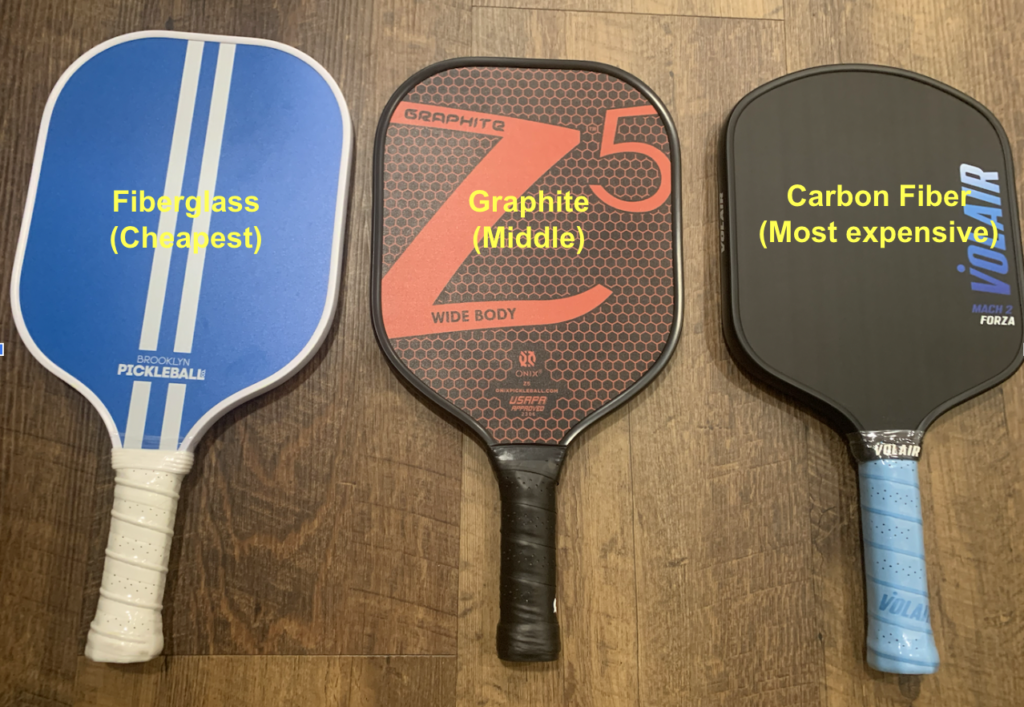
Composite paddles use a mix of materials, usually with a fiberglass or carbon fiber face and a polymer, aluminum, or Nomex core.
- Pros: Good mix of power and control, lighter than wood.
- Cons: Can be expensive, wide range of quality.
- Who should use: Most intermediate and advanced players.
Graphite Paddles
Graphite paddles are popular for their mix of speed and touch.
- Pros: Lightweight, sensitive feel, quick reactions.
- Cons: Can be more expensive, less power for some players.
- Who should use: Players who want control and quick maneuvering at the net.
Carbon Fiber Paddles
Often confused with graphite, but carbon fiber is stiffer and even lighter.
- Pros: Excellent touch and control, premium feel, very light.
- Cons: Higher price, sometimes less power.
- Who should use: Advanced players who want maximum feel and control.
| Material | Weight Range | Power | Control | Price Range |
|---|---|---|---|---|
| Wood | 9–12 oz | High | Low | $10–$30 |
| Composite | 6.5–8.5 oz | Medium | Medium | $40–$120 |
| Graphite | 7–8 oz | Low–Medium | High | $60–$150 |
| Carbon Fiber | 7–8 oz | Medium | Very High | $90–$200+ |
Non-obvious insight: Some companies blend materials, like carbon fiber faces with polymer cores. These hybrids combine the benefits of both, but you need to try them to see if they fit your style.
Paddle Weight: How Much Does It Matter?
Paddle weight is one of the most important features. Even a few ounces can change your game.
Light Paddles (6–7.3 Oz)
- Pros: Faster swings, less arm fatigue.
- Cons: Less power, may be harder to drive the ball deep.
- Best for: Quick net play, players with arm or shoulder issues.
Midweight Paddles (7.3–8.4 Oz)
- Pros: Good mix of power and control, most popular choice.
- Cons: Slightly more tiring than light paddles.
- Best for: Most players, especially those who play all-around.
Heavy Paddles (8.5+ Oz)
- Pros: Maximum power, great for baseline drives.
- Cons: Can cause arm fatigue or even elbow pain if used too long.
- Best for: Players who want to hit hard and don’t mind extra weight.
| Weight Class | Typical Player Type | Advantages | Disadvantages |
|---|---|---|---|
| Light | Net players, injury-prone | Fast reactions, less fatigue | Less power |
| Midweight | All-rounders | Balanced play | None significant |
| Heavy | Power hitters | More drive | Fatigue, injury risk |
Non-obvious insight: Many players switch paddle weights as they recover from injuries or as they age. Don’t be afraid to experiment and see how your game changes.
Paddle Shape And Size: The Sweet Spot Effect
Shape matters more than many beginners realize. The “sweet spot” is the area of the paddle that gives you the best response when you hit the ball. Larger sweet spots are more forgiving, while smaller ones can give more control if you hit them consistently.
Standard Shape
- Traditional size: About 8 inches wide, 15.5–16 inches long.
- Best for: Balanced play, most players.
Elongated Shape
- Longer paddles: Up to 17 inches, usually narrower.
- Pros: More reach, better for singles.
- Cons: Smaller sweet spot, can be harder to control.
- Best for: Advanced players or those who want extra reach at the net.
Widebody Shape
- Wider paddles: Up to 8.5 inches wide.
- Pros: Larger sweet spot, easier for beginners.
- Cons: Less maneuverability.
- Best for: Beginners or doubles players.
Blade Shape
- Narrow, long paddles: More for specialty use.
- Pros: Extreme reach, unique play.
- Cons: Tiny sweet spot, tough for most players.
- Best for: Some advanced singles players.
Practical tip: Try different shapes at a local club or demo day. Sometimes, the best shape for you feels “right” in your hand, not just on paper.
Core Materials: What’s Inside Counts
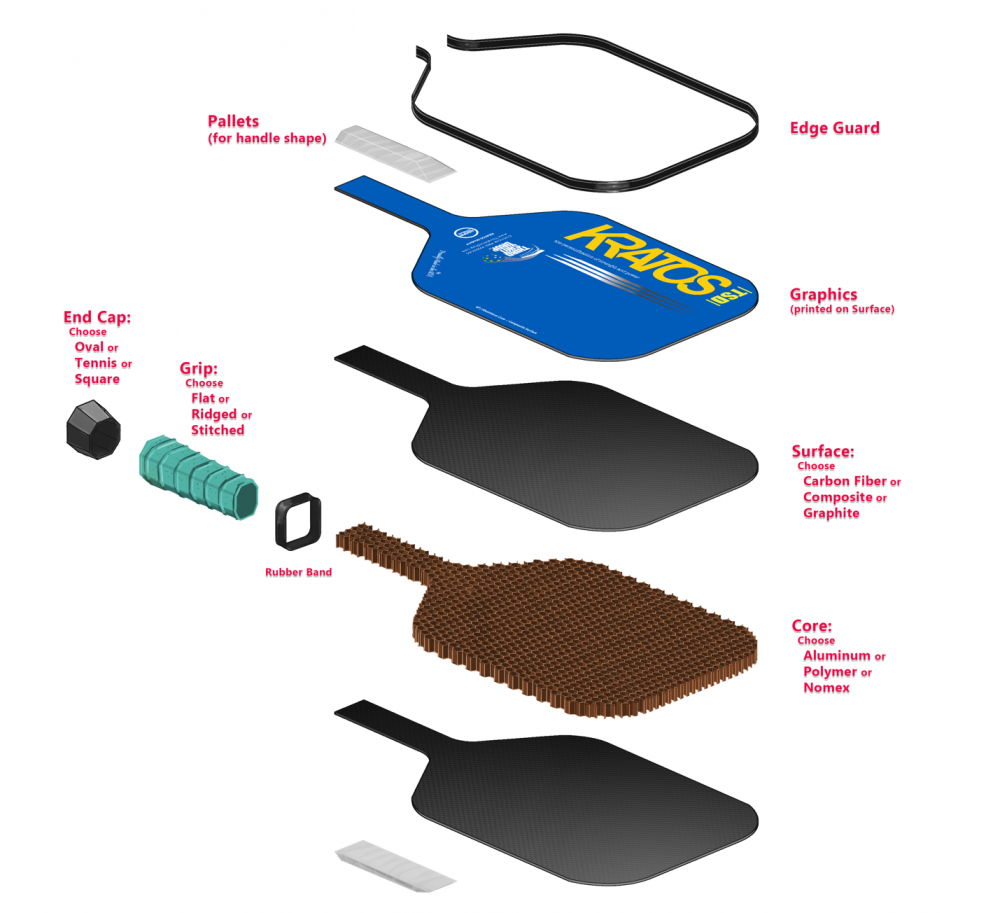
Inside every paddle is a core that affects how it plays. The main types are:
Polymer Core
- Soft, quiet, and forgiving.
- Most common in modern paddles.
- Great for: All-around play, control, and comfort.
Nomex Core
- Hard, loud, and lively.
- Provides great power but less touch.
- Great for: Power hitters and singles players.
Aluminum Core
- Lightweight and stiff.
- Great for touch shots, but can dent over time.
- Great for: Players who want maximum control and finesse.
| Core Material | Feel | Sound | Typical Use |
|---|---|---|---|
| Polymer | Soft | Quiet | All-around, doubles |
| Nomex | Hard | Loud | Power, singles |
| Aluminum | Stiff | Medium | Control, finesse shots |
Non-obvious insight: Some tournaments restrict paddle noise. If you play in noise-sensitive areas, avoid Nomex.
Grip Size And Comfort: Don’t Overlook This
Many players focus on paddle face but ignore grip size. Yet, the grip has a big effect on comfort, control, and injury risk.
Choosing The Right Grip Size
- Small grips (4–4.25 inches): Better for control and spin. Allows more wrist action.
- Medium grips (4.25–4.5 inches): Most common. Good balance for most hands.
- Large grips (4.5+ inches): Good for bigger hands. Reduces wrist movement, which can prevent injuries for some players.
How to check grip size: Hold the paddle in your hand. If you can fit your index finger between your palm and fingertips, it’s probably a good fit. If the grip is too big, your hand will tire quickly. Too small, and you’ll squeeze too hard.
Pro tip: You can always add an overgrip to make the handle thicker, but making it smaller is almost impossible.
Paddle Surface Texture: Spin And Control
Some paddles have rougher surfaces. Texture helps you “grab” the ball and add spin, but not all textures are legal in tournaments. The USA Pickleball Association (USAPA) has specific limits.
- Smooth surface: More predictable shots but less spin.
- Textured surface: More spin, better for advanced techniques.
- Edge guard or edgeless: Some paddles have a rubber edge for durability, others are edgeless for a larger hitting area.
Non-obvious insight: Too much spin is not always better. Beginners often lose control with rough paddles because the ball can react unpredictably.
Power Vs. Control: What’s Your Style?
Every paddle is a balance between power and control. No paddle gives you 100% of both. Your choice depends on your style and goals.
Power Paddles
- Heavier, stiffer materials and cores.
- Best for aggressive players, singles, or those who like to hit hard.
- Often less forgiving for beginners.
Control Paddles
- Lighter, softer cores and surfaces.
- Best for dinks, drops, and net play.
- Help you place the ball accurately and play longer rallies.
Practical guidance: Most intermediate players benefit from a midweight paddle with a polymer core and a slightly textured surface. This gives a good blend of power and control as you improve.
Credit: playatpac.com
Does Price Reflect Quality?
There are paddles from $20 up to $250. Is the most expensive always best? Not always.
- Low-cost paddles ($20–$50): Fine for beginners or casual play. May lack durability or precision.
- Mid-range paddles ($60–$120): Best value for most players. Good materials, reliable brands.
- High-end paddles ($130+): Advanced features, lighter weight, or special textures. Sometimes “overkill” for recreational play.
Non-obvious insight: Sometimes, top players use last year’s models, not the latest releases. The difference is often small unless you are a high-level competitor.
How Paddle Choice Affects Your Game
Power And Depth
A heavier or stiffer paddle lets you drive the ball with less effort. Lighter paddles need a faster swing to create the same power.
Control And Placement
A softer paddle helps you “feel” the ball and place shots with accuracy. This is critical for soft dinks and drop shots.
Spin
Textured paddles let you add spin, but only if your technique is good. Spin can help you keep the ball in or make it bounce low for your opponent.
Injury Risk
A paddle that is too heavy, too light, or has the wrong grip can cause wrist, elbow, or shoulder pain over time. Always listen to your body and adjust if you feel discomfort.
Common Mistakes When Choosing A Pickleball Paddle
- Choosing by color or design only. Looks are nice, but performance matters more.
- Going too heavy or too light. Extreme weights are hard for most players to control.
- Ignoring grip size. This can lead to blisters or injuries.
- Copying your friend’s paddle. What works for them may not work for you.
- Not trying before buying. Demo paddles at your local club if possible.
- Falling for marketing hype. Expensive doesn’t always mean better for you.
Real-world Example: Paddle Change Impact
Maria, a 45-year-old intermediate player, used a heavy wooden paddle for years. She often had wrist pain and struggled with control at the net. After switching to a lighter composite paddle with a polymer core, her wrist pain disappeared, and she won more points with soft shots.
This is a common story—equipment really can make a difference.
Credit: bepickleballer.com
Paddle Rules: What You Need To Know
USAPA and other official organizations have rules about paddle size, surface, and material. For example, paddles must be under 17 inches long, and surfaces cannot have too much texture. Always check the latest rules if you play tournaments.
Find more about paddle rules at the official USA Pickleball website.
How To Choose The Right Paddle For You
1. Assess Your Playing Style
- Are you a power player or a control specialist?
- Do you play singles or doubles?
- Do you like to play at the net or from the baseline?
2. Test Different Weights And Shapes
Visit a local store or club that offers demo paddles. Try swinging, hitting, and serving with each type.
3. Consider Your Injury History
If you have wrist, elbow, or shoulder issues, focus on lighter paddles with a comfortable grip.
4. Set Your Budget
Pick a paddle that matches your needs and wallet. Remember, the most expensive is not always best.
5. Ask For Recommendations
Talk to local coaches or experienced players. They can often spot things you might miss.
Credit: www.thirdshotdrop.com
When Should You Upgrade Your Paddle?
- You notice arm or wrist pain.
- Your paddle is chipped, cracked, or the surface feels dead.
- You want to improve a specific part of your game (e.g., more spin, softer touch).
- You have advanced and your old paddle can’t keep up with your new skills.
The Mental Side: Confidence And Enjoyment
One surprising effect is how a paddle impacts your confidence. When your paddle feels good in your hand, you relax and focus more on the game. When it feels awkward or wrong, you think too much about your equipment and less about strategy.
Enjoyment and performance both rise when your gear matches your needs.
Should Beginners Care About Paddles?
Yes, but not too much at first. As a beginner, any paddle will let you learn the basics. But if you plan to play often, a paddle that fits your hand and style will help you learn faster, avoid injuries, and have more fun.
Don’t be afraid to upgrade as you improve.
Frequently Asked Questions
What Is The Best Paddle Material For Beginners?
For most beginners, a composite paddle with a polymer core is a good choice. It offers a balance of power, control, and comfort, and is lighter than wood paddles. Avoid very heavy paddles, as they can tire your arm and slow your learning.
How Often Should I Replace My Pickleball Paddle?
Most paddles last 1–3 years with regular play. If you notice cracks, a dead spot, or the surface feels worn out, it’s time to replace your paddle. Competitive players may upgrade more often as new technology appears.
Does A More Expensive Paddle Make Me A Better Player?
An expensive paddle can help, but skill and technique matter more. The best paddle for you is one that fits your hand, style, and budget. Sometimes, mid-range paddles perform just as well as the most expensive models.
What Grip Size Should I Choose?
Choose a grip size that fits your hand. Small grips (4–4.25 inches) are good for control and spin, while larger grips (4.5+ inches) suit big hands or players who want less wrist action. You can add an overgrip to increase grip size, but making a grip smaller is harder.
Can I Demo Paddles Before Buying?
Yes, many local clubs and stores offer demo programs. This lets you try different weights, shapes, and materials before deciding. It’s the best way to find a paddle that feels right for you.
Pickleball paddles are not all the same, and they really do make a difference in your game. Whether you’re looking for more power, better control, or just a paddle that feels comfortable, understanding the features can help you make a smart choice.
Try a few, listen to your body, and don’t be afraid to upgrade as you get better. The right paddle can change how you play—and how much you enjoy the game.