
Pickleball is one of the fastest-growing sports in the world. With its easy-to-learn rules and social nature, it welcomes players of all ages. But as you step onto the court, you quickly realize that even the simplest actions, like serving, can raise questions. One of the most common: Can you hit the net on the serve in pickleball? If you’re new to the game, you might be surprised by how strict and specific the serving rules are. Even experienced players sometimes get confused, especially with rule changes in recent years. Understanding these rules is essential if you want to play fair, avoid losing points, and enjoy the game fully.
In this article, you’ll find everything you need to know about serving in pickleball and the specific rules about the ball contacting the net. You’ll get clear explanations, real examples, and practical advice for both beginners and advanced players. If you want to master the serve and never lose a point for a simple mistake, keep reading.
The Basics Of The Pickleball Serve
Before diving into the specifics of hitting the net, it’s important to understand how the serve works in pickleball. Serving is the only way to start a point, and the rules are strict to ensure fairness and consistency.
The serve in pickleball must be performed underhand. The paddle must contact the ball below your waist level, and your arm must move in an upward arc. The ball must be dropped from your hand and struck before it hits the ground – no tossing or bouncing first.
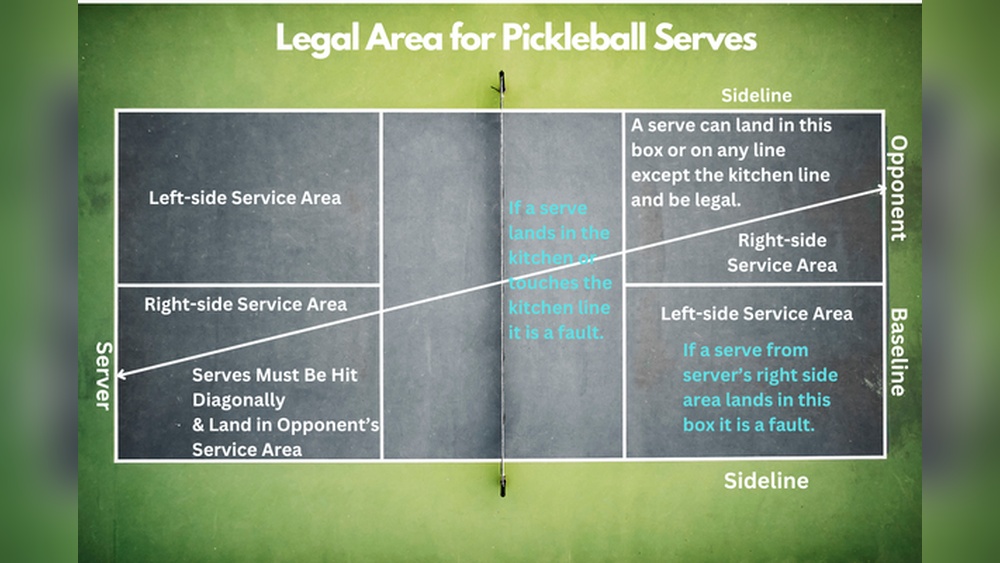
You must serve diagonally across the court into the opponent’s service box. If you miss the box, step on the baseline, or break any serving rule, the serve is considered a fault. You only get one serve attempt per point, which means mistakes can be costly.
What Happens If The Ball Hits The Net On A Serve?
This is the question that confuses many new players: Is it okay if your serve touches the net but still lands in the correct service box?
In the early days of pickleball, the answer was “yes. ” This was known as a “let serve. ” If your serve clipped the net and landed in the correct box, you simply replayed the point. But in 2021, the official rules changed.
Today, according to the USA Pickleball Official Rulebook, if your serve hits the net but still lands in the correct service court, the ball is considered “live” and play continues. There are NO more let serves in pickleball. This means:
- If the serve hits the net and lands in the correct service area, it’s a legal serve. Play continues.
- If the serve hits the net and lands outside the correct service box, it’s a fault. You lose your serve (or side out).
- If the serve hits the net and lands in the kitchen (non-volley zone), it’s a fault.
This change has created some confusion, but it actually simplifies the game. There’s no need to replay points or argue about whether the ball touched the net.
Why Were Let Serves Removed?
Understanding the reason for this rule change can help you appreciate the logic behind it. In tennis, let serves are common, and players replay the point. But in pickleball, let serves caused several problems:
- Disputes: Players often argued about whether the ball hit the net or not. This was especially common in recreational play, where there are no referees.
- Flow of the Game: Stopping play to replay points slowed down the action and sometimes broke concentration.
- Fairness: Some serves barely touched the net, while others dribbled over, giving an unfair advantage or disadvantage.
By removing let serves, the game became more straightforward. If the ball lands in, play continues. If it’s out, it’s a fault. This also matches the rules in other popular paddle sports, making it easier for people to learn and transition.
Official Rulebook Wording
To see how clear this rule is, here’s what the official USA Pickleball Rulebook (2024 edition) says about serves hitting the net:
- Rule 4.A.2: “If the serve hits the net and lands in the correct service court, the ball is in play.”
- Rule 4.A.1: “There are no lets on the serve.”
This means you do not stop or replay the point if the ball touches the net on a serve, as long as it lands in the correct box.
Examples Of Net Serves And What Happens
To make things clearer, let’s look at some common scenarios you might face on the court:
- Serve hits the net and lands in the correct service box: The serve is good. Play continues.
- Serve hits the net and lands out of bounds: Fault. The server loses the point.
- Serve hits the net and lands in the kitchen (non-volley zone): Fault. The serve is not allowed to land in the kitchen.
- Serve hits the net, bounces high, and lands in the service box: Good serve. Play continues, regardless of how high or low the bounce is.
- Serve hits the net, barely trickles over, and lands in: Still a legal serve. Play continues, even if it’s hard for the receiver to reach.
It’s important to remember that even if the serve is difficult to return because it hit the net, the point is still live.
Comparing Pickleball Serve Rules To Other Sports
It’s useful to compare pickleball’s serve rules to other popular racquet and paddle sports. Here’s a side-by-side look:
| Sport | Let Serve Allowed? | Serve Faults Allowed | Special Net Serve Rule |
|---|---|---|---|
| Pickleball | No | One | Net serve is live if in box |
| Tennis | Yes | Two | Let serve is replayed |
| Table Tennis | Yes | Unlimited | Let serve is replayed |
| Badminton | No | One | Fault if net is touched |
Pickleball’s rules are closest to badminton, with only one serve allowed and no lets. But the way net serves are handled is unique.
How To Handle A Net Serve As The Receiver
Now, imagine you’re on the receiving side. The ball hits the net and dribbles over, barely making it into your box. What should you do?
- Always be ready. Stay on your toes and expect the unexpected.
- If the ball lands in, play it. Don’t stop, even if you think it was a let.
- If you’re unsure whether the ball landed in or not, call it as you see it. In casual play, honesty and sportsmanship matter.
A non-obvious tip: Some players, especially beginners, freeze when the ball hits the net. This hesitation can cost you points. Train yourself to react quickly to strange bounces.
Common Mistakes When Serving
Serving in pickleball is simple but easy to get wrong. Here are mistakes to watch out for:
- Thinking let serves are still replayed: Many long-time tennis players forget the rule change. Remember, let serves are live.
- Not watching the baseline: If you step on or over the baseline before hitting the ball, it’s a fault.
- Serving into the kitchen: The ball must clear the non-volley zone. Practice your aim.
- Serving before the receiver is ready: Wait until your opponent is set, or your serve may not count.
- Faulty technique: Not striking the ball below the waist or using a sidearm motion.
Credit: www.picklegeeks.com
Practical Tips For Legal Serves
To avoid losing points and play with confidence, use these serving tips:
- Position your feet: Make sure both feet are behind the baseline when you serve.
- Use a controlled motion: Swing your arm in an upward arc, not side-to-side.
- Drop, don’t toss: Drop the ball from your hand before striking it. Tossing is not allowed.
- Aim for the middle: Target the center of the service box to avoid faults.
- Practice net serves: Sometimes, hitting the net accidentally can give you an advantage, as it may throw off your opponent. But never aim for the net on purpose.
The Role Of The Non-volley Zone (kitchen)
Many faults happen because players misunderstand the non-volley zone (often called the kitchen). This area is the seven-foot section on both sides of the net.
- Serves cannot land in the kitchen or on the kitchen line.
- A serve that hits the net and lands in the kitchen is always a fault.
- During a rally, balls can land in the kitchen, but never on a serve.
Knowing this can help you avoid one of the most common beginner mistakes.
Credit: www.picklegeeks.com
Impact Of The Net Serve Rule On Game Strategy
Some players wonder if the removal of let serves changes the strategy of serving. In reality, it does have a small effect.
- Aggressive serving: Some advanced players try to serve closer to the net, hoping for a lucky net dribble.
- Receiver alertness: Receivers must be prepared for unpredictable bounces.
- Fewer interruptions: The game flows faster, with fewer breaks.
However, serving to intentionally hit the net is risky and not recommended for most players.
What To Do If Players Disagree About A Net Serve
Disputes can still happen, even with simple rules. If one player says the serve hit the net and the other says it didn’t, what should you do?
- In casual play, resolve the dispute honestly. If unsure, replay the point.
- In tournaments, a referee will make the call.
- If there’s no referee and you can’t agree, the benefit of the doubt usually goes to the receiving team.
A useful insight: Many arguments happen because players expect tennis rules. Remind everyone of the pickleball-specific rule before starting a match.
How Rule Changes Affect Pickleball Culture
The change to “no let serves” is more than just a rule tweak. It reflects the spirit of pickleball: simple, fair, and social.
- Fewer arguments: Less time debating, more time playing.
- Easier for new players: Simpler rules make the game accessible.
- Faster pace: Games move quickly, keeping everyone engaged.
In fact, the shift has made tournaments smoother and casual games more friendly.
Table: Faults Related To The Serve
Here’s a handy reference for what counts as a fault during the serve in pickleball:
| Fault Scenario | Result | Explanation |
|---|---|---|
| Serve hits net, lands in service box | In play | Continue rally; no let serves |
| Serve hits net, lands in kitchen | Fault | Serve cannot land in kitchen |
| Serve hits net, lands out of bounds | Fault | Serve must land in correct box |
| Serve hits net, lands on kitchen line | Fault | Kitchen line is part of non-volley zone |
| Serve hits net post | Fault | Ball cannot touch net post |
This table can help you quickly decide what to do in any situation involving the net and the serve.
Advanced Insights: Why Net Serves Can Be Tricky
There are a few advanced aspects of net serves that even experienced players sometimes overlook:
- Spin and bounce: If your serve hits the net with spin, it can bounce in unexpected directions. This can give you an advantage, but it’s hard to control.
- Distraction: Some players get distracted or stop playing if they hear the ball hit the net. Stay focused and play until the rally ends.
- Different surfaces: On outdoor courts, the net and court surface can cause strange bounces. Be ready for anything.
How To Practice Dealing With Net Serves
To become a better player, practice responding to net serves. Here’s how:
- Drill with a partner: Have your partner serve balls that hit the net intentionally (within the rules) so you can practice reacting quickly.
- Focus on footwork: Stay light on your feet, ready to move forward or sideways.
- Watch the ball closely: The moment the ball hits the net, adjust your stance and paddle angle.
- Stay calm under pressure: Don’t panic if the ball dribbles over. Your quick response can win you the point.
Practicing these scenarios will make you more comfortable in real matches.
Rule Differences In Recreational Vs. Tournament Play
Some recreational groups follow “house rules” or old habits. But official tournaments always use the no let serve rule. If you’re unsure, ask your group before starting. In tournaments, the referee’s decision is final.
Real-world Example: How A Net Serve Changed A Game
Imagine a tight match, 10-10 in the final game. The server hits the ball; it clips the net and lands just inside the service box. The receiver hesitates, expecting a let, but the server continues playing and wins the point.
This happens often, especially with players who recently switched from tennis. The lesson: Always keep playing unless the ball is clearly out.
The Most Overlooked Detail: Net Height And Tension
Many beginners don’t realize that the net height and tension can affect serves. The official height is 36 inches at the sidelines and 34 inches at the center. A loose or sagging net might let more balls dribble over, while a tight net creates a cleaner bounce.
Before starting, check the net. Ask for an adjustment if it’s too low or high. Consistent net height makes the game fair.
Comparison: Net Serve Rule Over The Years
To see how much the rules have changed, let’s look at the history:
| Year | Net Serve Rule | Effect on Play |
|---|---|---|
| Pre-2021 | Let serves replayed | More interruptions, more disputes |
| 2021-present | No let serves; net serve is live | Faster play, fewer arguments |
This shows how pickleball is evolving to make the game simpler and more enjoyable.
What Beginners Should Focus On
For new players, mastering the serve is about consistency. Don’t worry about fancy spins or trick shots at first. Focus on:
- Hitting the ball cleanly and under control
- Aiming for the middle of the box
- Staying behind the baseline
- Watching the net, but not fearing it
As you gain experience, you’ll learn to handle net serves calmly and use them to your advantage.
Where To Learn More
If you want to read the official rules or get updates, the USA Pickleball Rulebook is the best resource. Rules can change, so check for updates each year, especially if you play in tournaments.

Credit: sbpickleballshop.com
Frequently Asked Questions
What Happens If My Serve Hits The Net But Lands In The Correct Service Box?
Play continues. There are no let serves in pickleball. If the ball lands in the correct box, it’s a legal serve, and the rally continues.
Is It A Fault If The Serve Hits The Net And Lands In The Kitchen?
Yes, it’s always a fault if the serve lands in the kitchen (non-volley zone) or on the kitchen line, even if it hits the net first.
Do I Get A Second Serve If My First Serve Hits The Net?
No. In pickleball, you only get one serve per point. If the serve is a fault (lands out or in the kitchen), you lose your serve.
Has The Net Serve Rule Changed In Recent Years?
Yes. Before 2021, let serves were replayed. Now, all net serves that land in the correct box are live and must be played.
How Can I Avoid Losing Points On Serves?
Practice your serve technique, aim for the center of the service box, and always follow the rules. Make sure your serve clears the net and stays out of the kitchen.
Pickleball’s serving rules are simple once you understand them. By mastering the net serve rule, you’ll play more confidently and enjoy the game even more.