
Pickleball has become one of the fastest-growing sports worldwide, and players are always searching for the perfect paddle to match their style. Two materials—carbon fiber and graphite—stand out as favorites among both beginners and advanced competitors. But what really sets these paddle types apart? If you’ve ever wondered which one fits your needs, you’re not alone. Choosing between carbon fiber and graphite pickleball paddles can be confusing, especially with marketing claims everywhere. This guide clears the confusion by comparing both materials in detail, highlighting their strengths, weaknesses, and what to look for before you buy.
Understanding Paddle Materials
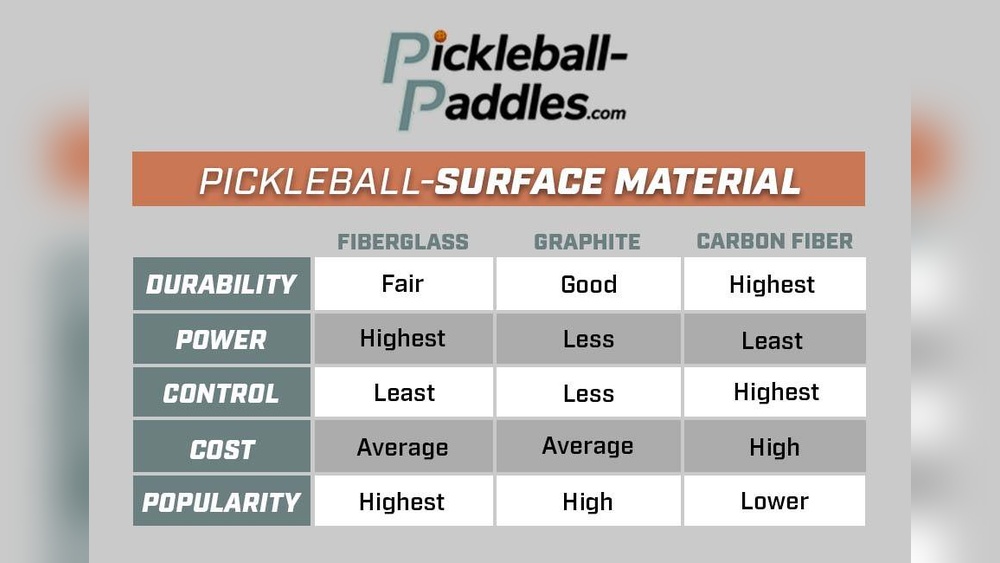
Before diving into differences, let’s understand why paddle material matters. The surface material affects the paddle’s power, control, durability, feel, and price. Both carbon fiber and graphite are lightweight, but they influence your shots in different ways. Paddle cores—often made of polymer or aluminum—also impact play, but this article focuses on the surface material.
What Is A Carbon Fiber Pickleball Paddle?
Carbon fiber is made by weaving thin strands of carbon into a fabric, then bonding it with resin. The result is a material much stronger than steel by weight, yet incredibly light. In pickleball paddles, carbon fiber is usually used as a top layer over a core.
Key Features Of Carbon Fiber Paddles
- Lightweight and strong: Carbon fiber is known for high strength-to-weight ratio.
- Textured surface: Offers more grip on the ball, increasing spin potential.
- Dampened feel: Absorbs vibration better, leading to less hand fatigue.
- Durability: Resistant to dents and surface scratches.
Many advanced and professional players prefer carbon fiber for its precise control and reliability, but let’s see how it compares with graphite.
What Is A Graphite Pickleball Paddle?
Graphite is a form of carbon, but it’s arranged in thin sheets. Graphite paddles have a very thin graphite layer (often less than a millimeter) on the paddle face, bonded to a core.
Key Features Of Graphite Paddles
- Ultra-thin face: This creates a “pop” sound and quick rebound.
- Lightweight: Graphite is also light, making it easy to maneuver.
- Smooth surface: Less texture means slightly less spin but more speed.
- Crisp response: Many players love the instant feedback from each shot.
Graphite paddles are popular at all skill levels, especially among players who want a lively, fast-paced game.
Carbon Fiber Vs Graphite: Core Differences
To help you compare, here’s a direct look at how carbon fiber and graphite paddles differ:
| Feature | Carbon Fiber | Graphite |
|---|---|---|
| Surface Texture | More textured | Smoother |
| Spin Potential | High | Moderate |
| Feel | Soft, dampened | Crisp, lively |
| Control | Excellent | Very good |
| Power | Good | High |
| Durability | Excellent | Good |
| Price Range | $$$ | $$ |
Performance Comparison On Court
Let’s break down how these paddles perform during real matches.
Control And Precision
Carbon fiber’s textured surface gives players fine control over ball placement. The paddle absorbs some of the ball’s energy, letting you place dinks and drop shots with accuracy. Advanced players often prefer this because it allows for soft touches at the net.
Graphite, with its harder, smoother face, delivers a faster rebound. This makes it easier to punch volleys and hit deep serves, but can feel less forgiving on soft shots. Beginners sometimes find the extra speed hard to control, especially during delicate exchanges.
Power And Speed
Graphite paddles excel in power. The thin face transfers more energy back to the ball, resulting in quicker, punchier shots. This is ideal for aggressive play styles—drives, smashes, and fast volleys become easier.
Carbon fiber is not weak, but its shock-absorbing nature takes a bit of the edge off. Players who like to “feel” the ball and control every shot often choose carbon fiber, while power hitters lean toward graphite.
Spin Generation
Spin can be a game-changer. A more textured surface, like on most carbon fiber paddles, grips the ball better. This makes topspin and slice shots more effective. Players who want to add variety to their game appreciate this feature.
Graphite paddles, with their smooth faces, generate less spin. Some brands add a light texture, but it rarely matches true carbon fiber.
Weight And Balance
Both paddle types are lightweight, usually between 7. 3 and 8. 5 ounces. However, carbon fiber’s strength allows for thinner layers and better weight distribution. This leads to paddles that feel balanced and reduce arm fatigue over long games.
Graphite paddles are also light but can sometimes feel “top-heavy,” especially in cheaper models. Balance is important—try holding both types to see which fits your swing.
Durability
Carbon fiber is famous for its toughness. It resists chips, scratches, and even warping. If you play regularly or tend to hit the ground, a carbon fiber paddle will last longer without losing performance.
Graphite is durable but a little more prone to surface damage if abused. Regular players may notice small chips or surface scratches sooner.
Cost
Quality comes with a price. Carbon fiber paddles often cost more than graphite, mostly because the material and manufacturing process are expensive. You’ll find high-end carbon fiber paddles above $150, while good graphite paddles often start around $70-$100.
It’s important to balance your budget with your needs. Expensive doesn’t always mean better for you.
When Should You Choose Carbon Fiber?
Some players will benefit more from carbon fiber paddles. Here’s when they make the most sense:
- You want maximum control: If you focus on precise placement and soft shots, carbon fiber is ideal.
- You like to spin the ball: The extra surface texture helps create tricky shots.
- You play long matches: The dampened feel reduces vibration, which helps prevent arm fatigue and injury.
- You value durability: If you’re tough on equipment, carbon fiber is more likely to survive.
- You’re an advanced player: Many competitive players switch to carbon fiber for the subtle advantages in control and feel.
When Should You Choose Graphite?
Graphite paddles are perfect for a different kind of player:
- You want more power: If you love driving the ball hard, graphite gives you that “pop.”
- You’re on a budget: You can get excellent graphite paddles at a lower price point.
- You prefer a crisp feel: Some players love the immediate feedback from each shot.
- You’re new to pickleball: Graphite’s speed and ease of use help beginners learn faster.
- You like a lightweight paddle: While both materials are light, graphite’s thin face feels especially quick.
Real-world Examples: Brands And Models
To make the comparison real, let’s look at some popular paddles in each category.
Top Carbon Fiber Paddles
- Selkirk Vanguard Power Air: Used by many pros, this paddle is known for its spin and control.
- Joola Ben Johns Hyperion CFS: Famous for its textured carbon fiber face, delivering excellent touch and spin.
- Electrum Model E Elite: Features a raw carbon fiber surface for maximum control and long-term durability.
Top Graphite Paddles
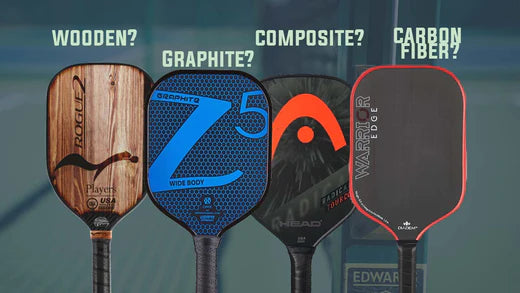
- Onix Z5 Graphite: One of the most popular paddles in the world, loved for its balance and power.
- Paddletek Bantam TS-5: Offers a crisp, responsive feel, great for quick volleys.
- Gamma Micron 2.0: Affordable and lightweight, perfect for new players.
Each of these paddles has its own feel—trying them out is the best way to decide.
Credit: kiwipickleball.com
Common Myths And Misunderstandings
Many players get confused by marketing claims or online forums. Let’s clarify some common points:
- Myth: Carbon fiber and graphite are totally different.
Fact: Both are forms of carbon but arranged differently. They share some qualities but behave differently on court.
- Myth: More expensive means better.
Fact: Price is often about brand, not just material. A top graphite paddle can outperform a cheap carbon fiber one.
- Myth: Only pros need carbon fiber.
Fact: Control helps at every level, even for beginners wanting to improve.
Understanding these differences helps you avoid disappointment and makes you a smarter buyer.
How To Choose The Right Paddle For You
Selecting a paddle isn’t just about material. Here are factors to consider:
1. Playing Style
- If you play with finesse, try carbon fiber.
- If you attack and hit hard, graphite may suit you.
2. Hand And Arm Comfort
People with tennis elbow or wrist problems often prefer carbon fiber paddles because of the vibration dampening. Graphite paddles have more “sting” on off-center hits.
3. Frequency Of Play
If you play several times a week, investing in carbon fiber makes sense for long-term durability. Occasional players might save money with graphite.
4. Budget
Set a realistic budget. Remember, paddles can last years, so view it as an investment in your enjoyment and performance.
5. Try Before You Buy
Many shops offer demo programs. Testing both materials is the most reliable way to find your favorite.
Data: Paddle Popularity And Player Preferences
Recent surveys in the pickleball community offer insight into what players actually choose.
| Paddle Material | Percentage of Players | Common Skill Level |
|---|---|---|
| Carbon Fiber | 47% | Intermediate/Advanced |
| Graphite | 39% | Beginner/Intermediate |
| Other (Composite, Wood, etc.) | 14% | Beginner |
As you can see, both materials are popular, but carbon fiber has a slight edge among serious players.
Not-so-obvious Insights
1. Surface Wear Affects Performance Over Time.
Even the toughest paddle faces will lose texture with heavy use. This means your spin potential can decrease after months of play. Regularly check your paddle’s surface—sometimes a new paddle makes more difference than switching brands.
2. The Core Matters Too.
Many players focus only on the face material, but the internal core (polymer, Nomex, or aluminum) changes feel and sound as much as the surface. Combining a carbon fiber face with a soft polymer core, for example, creates a paddle with maximum control and quiet sound.
Always consider the whole package, not just the face.
Pros And Cons: Quick Summary
This side-by-side table helps recap the main advantages and drawbacks:
| Carbon Fiber | Graphite | |
|---|---|---|
| Pros | – Superior control – Great spin – Very durable – Reduces vibration |
– High power – Crisp, lively feel – Lightweight – Often more affordable |
| Cons | – Higher cost – Slightly less power – May feel muted to some |
– Less spin – Can vibrate more – Prone to surface wear |
Tips For Maintaining Your Paddle
No matter which material you choose, proper care will extend your paddle’s life.
- Keep it dry: Moisture can damage both carbon fiber and graphite layers over time.
- Avoid extreme heat: Leaving your paddle in a hot car can warp the core and loosen the surface.
- Clean gently: Use a soft cloth and mild soap to remove dirt. Avoid harsh chemicals.
- Store safely: Use a paddle cover to protect against scratches in your bag.

Credit: bepickleballer.com
The Future Of Paddle Materials
Technology keeps improving. New paddles sometimes blend carbon fiber and graphite, aiming to offer the best of both. Some companies use advanced resins, edge guards, and core designs to further customize feel and performance. Always check for the latest innovations—they can make a real difference.
If you’re interested in the science behind these materials, the Carbon Fiber Reinforced Polymer article on Wikipedia gives a deeper look at how carbon fiber is made and why it’s so strong.
Frequently Asked Questions
What’s The Main Difference Between Carbon Fiber And Graphite Paddles?
The main difference is in the paddle face’s texture and performance. Carbon fiber paddles have a rougher, more textured surface, giving better control and spin. Graphite paddles have a smooth, thin face, delivering more power and a crisp response.
Are Carbon Fiber Paddles Always Better For Advanced Players?
Not always. Many advanced players prefer carbon fiber for control, but some still choose graphite for its power and lively feel. The “best” paddle depends on your style, not just your skill level.
Do Carbon Fiber Paddles Last Longer Than Graphite?
Generally, carbon fiber is more durable and resists chips and scratches better. However, with proper care, a graphite paddle can also last for years.
Will I Notice A Big Difference Switching Between The Two?
Most players feel a noticeable difference. Carbon fiber feels softer and offers more control, while graphite is more “poppy” and powerful. Testing both is the best way to decide.
Is The Paddle’s Core As Important As The Face Material?
Absolutely. The core affects the paddle’s weight, feel, and sound as much as the face material. Polymer cores are quiet and soft, while Nomex and aluminum are harder and louder. Consider both when choosing your paddle.
Pickleball is all about finding what fits your unique game. Whether you choose carbon fiber or graphite, the right paddle can boost your confidence and performance on the court. Try different options, trust your feel, and enjoy every match—because the best paddle is the one that helps you play your best.

Credit: www.f2sports.com