
Pickleball is one of the fastest-growing sports in the world. It’s easy to learn, fun for all ages, and can be played almost anywhere. But when people step onto a pickleball court for the first time, one big question often comes up: should you play singles or doubles? The differences between these two formats go beyond just the number of players. From rules and strategies to fitness demands and social interaction, singles and doubles pickleball offer completely unique experiences.
Understanding these differences is important for new and experienced players. Choosing the right format can affect your enjoyment, skill development, and even your long-term health. This guide will explain everything you need to know about pickleball singles vs doubles. You’ll see how each format is played, what makes them special, and how to decide which is right for you.
Key Rule Differences
Both singles and doubles pickleball use the same court and most of the same equipment. However, several key rule differences change how each game feels and plays.
Court Size And Lines
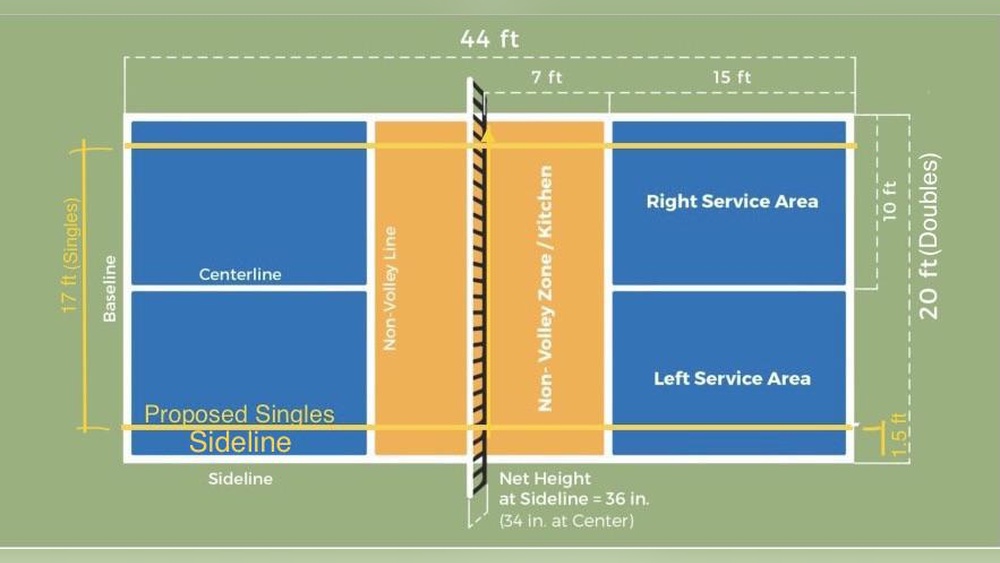
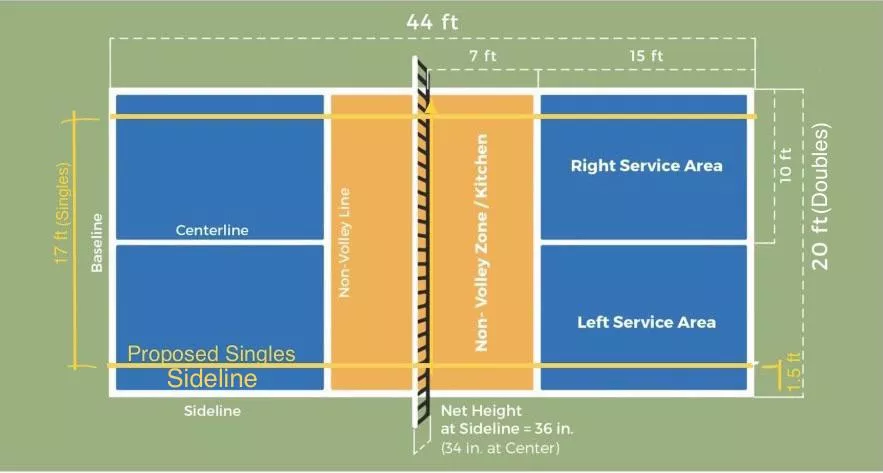
In both singles and doubles, the court dimensions are 20 feet wide by 44 feet long. But the way players use the court changes. In singles, one player covers the entire side, while in doubles, two players share the space. This means the sidelines and baselines become more important in singles, especially for reaching wide shots.
Serve And Scoring
Serving rules are similar, but there are important differences:
- In singles, each player serves until they lose a rally. The server’s score determines which side to serve from (even score = right side, odd score = left side).
- In doubles, each team gets two serves (one per partner) before giving up the serve, except at the start of the game when only one partner serves. The serve rotates between partners, and the server’s position depends on the score and who last served.
Doubles scoring uses a three-number system: your score, opponents’ score, server number (1 or 2). Singles only uses two numbers (server’s score and receiver’s score).
Non-volley Zone (kitchen) Rules
Both formats have the non-volley zone, often called the “kitchen.” Players cannot volley (hit out of the air) in this zone. In singles, players usually spend less time at the kitchen line, while in doubles, controlling the kitchen is key to winning points.
Faults And Returns
In singles, with only one player to cover the court, mistakes on returns or serves are more common. In doubles, communication errors (like both players going for the same ball) can lead to faults.
Physical Demands And Fitness
The physical challenge of pickleball changes a lot between singles and doubles. Knowing these differences helps you pick the format that fits your fitness level and goals.
Singles: Speed And Endurance
Singles is often described as a cardio workout. You cover the whole court by yourself, which means more running, lunges, and quick movements. Games can be very tiring, especially if rallies are long. Players often burn more calories per hour in singles—sometimes 500-700 calories—compared to doubles. Singles players need good stamina, fast footwork, and the ability to recover quickly.
Doubles: Agility And Reaction
Doubles is less about running and more about quick reflexes and teamwork. You don’t have to cover as much ground, but you need to move side-to-side quickly and react to fast volleys at the net. Doubles is usually easier on the knees and joints, making it a better choice for players with injuries or those who prefer less running.
Impact On Health
Both formats are good exercise, but singles is better for building endurance and burning calories. Doubles is better for social interaction and can be played at a high level even by older adults or those with limited mobility.
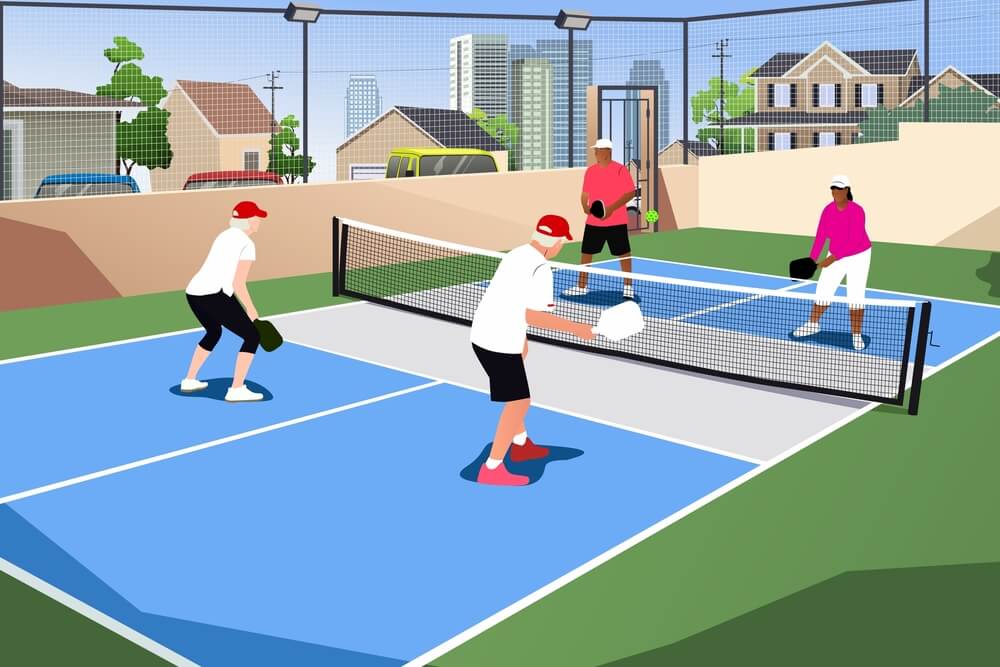
Credit: www.eyeweb.com
Strategy And Tactics
Strategy is one of the biggest differences between pickleball singles and doubles. Each format rewards different skills and ways of thinking about the game.
Singles: Court Coverage And Shot Placement
In singles, you must learn how to cover the whole court. Good singles players use deep, powerful shots to push their opponent back and open up space. Hitting to the corners, using drop shots, and mixing up shot speeds are all important. Players must decide when to attack and when to defend.
A common tactic is the “side-to-side” approach: make your opponent run by hitting wide shots, then attack the open space. Many singles players also use the “third shot drop” less often than in doubles, because it’s harder to approach the net safely.
Doubles: Teamwork And Communication
Doubles is all about teamwork. Partners must talk constantly to avoid confusion and make sure both sides of the court are covered. Good doubles teams move together, often described as “shifting as a wall.”
The most important strategy in doubles is controlling the kitchen line. Both players try to get to the net quickly and keep their opponents back. Soft shots called “dinks” are used to force mistakes. Lobs, fast volleys, and angled shots are also common.
Common Mistakes In Each Format
In singles, beginners often try to hit too hard and make too many errors. They may also get tired quickly if they don’t pace themselves. In doubles, new players sometimes forget to communicate, leaving gaps in coverage or letting balls drop between them.
Social And Mental Aspects
Pickleball is as much a social activity as a sport. Singles and doubles offer different experiences for your mind and social life.
Doubles: Social Fun And Less Pressure
Doubles is usually more social. You play with a partner, talk between points, and often laugh at funny mistakes. The pressure is shared, so many people find doubles less stressful. It’s also a great way to meet new friends or play with family.
Singles: Focus And Mental Toughness
Singles requires more mental focus. Every point is your responsibility. There are no teammates to help if you’re tired or making mistakes. Some players love this pressure and see it as a personal challenge. Others prefer the shared experience of doubles.
Skill Development
Playing both formats can make you a better overall player. Singles improves your fitness and shot placement. Doubles builds your teamwork, communication, and fast reflexes.
Credit: pickleland.com
Game Length And Scoring
How long a game takes and how scoring works can influence which format you choose.
Scoring System
Both singles and doubles usually play to 11 points (win by 2), but games can also go to 15 or 21 in tournaments. Only the serving side can score points.
In doubles, because each team has two servers, games can last longer and momentum can change quickly. In singles, games often move faster because there are fewer serves per rotation.
Match Duration
Singles games are usually shorter but more intense. A typical singles game might last 10-20 minutes, while doubles can go 15-30 minutes, depending on the skill level and how close the game is.
Tournaments And Events
Most pickleball tournaments offer both singles and doubles events. Some also have mixed doubles (one man, one woman per team). Singles often attracts younger or more athletic players, while doubles is open to all ages and skill levels.
Equipment And Gear
There are no major differences in equipment for singles and doubles pickleball, but some small choices can affect your play.
Paddles
Most players use the same paddle for both formats. However, singles players sometimes choose paddles with a longer handle or larger sweet spot for extra power and reach. Doubles players may prefer a paddle that is lighter and easier to control for quick volleys.
Shoes And Apparel
Good court shoes are important in both formats. Singles players need more support for running, while doubles players can focus more on grip and side-to-side movement.
Balls
The same pickleball balls are used in both formats. Outdoor balls are harder and have smaller holes, while indoor balls are softer with larger holes.
Fitness Accessories
Singles players might use fitness trackers to monitor calories burned or heart rate, since their games are more physically demanding. Doubles players may want sweatbands or compression sleeves for comfort.
Skill Levels And Progression
Choosing singles or doubles can affect how quickly you improve and what skills you develop.
Starting Out
Most beginners start with doubles because it’s easier, less tiring, and more social. The smaller area to cover allows new players to focus on hitting and basic strategy.
Advancing Skills
As players improve, singles becomes a good way to develop footwork, endurance, and advanced shot placement. Many top doubles players also play singles to sharpen their skills.
Ratings And Rankings
Pickleball uses a rating system, usually from 1.0 (beginner) to 5.0+ (pro level). Some players have different ratings for singles and doubles, since the skills are not exactly the same.
Coaching And Practice
Most group lessons focus on doubles, but private lessons for singles are becoming more popular. Practicing both formats will make you a more complete player.
Sample Game Situations
To show how singles and doubles feel different, here are two example rallies.
Singles Rally Example
You serve deep to the backhand corner. Your opponent returns with a fast cross-court shot. You run hard to reach the ball, then hit a drop shot. The point continues with both players moving quickly and trying to hit angles.
Doubles Rally Example
You and your partner serve. After the return, both of you rush to the kitchen line. The point becomes a fast exchange of dinks at the net, with all four players within a few feet of each other. Quick reflexes and teamwork decide who wins the point.
Comparison: Singles Vs Doubles
For a clear look at the main differences, here is a comparison of singles and doubles pickleball.
| Aspect | Singles | Doubles |
|---|---|---|
| Players per side | 1 | 2 |
| Physical demand | High (more running) | Moderate (more reflexes) |
| Strategy focus | Court coverage, shot placement | Teamwork, kitchen control |
| Game duration | Shorter, more intense | Longer, more social |
| Scoring system | 2 numbers (score, receiver’s score) | 3 numbers (score, receiver’s score, server number) |
| Fitness benefit | Endurance, cardio | Agility, coordination |
When To Choose Singles Or Doubles
How do you decide which format is right for you? Consider these factors:
- Fitness Level: If you enjoy running and want a tough workout, try singles. If you prefer a less intense game, doubles is a better choice.
- Social Goals: Doubles is great for meeting people and playing with friends. Singles is more solitary and competitive.
- Skill Focus: To improve footwork and stamina, play singles. To build teamwork and fast reflexes, play doubles.
- Injury or Age: Older players or those with joint issues usually find doubles more comfortable.
- Time Available: Singles games are usually shorter, making them easier to fit into a busy schedule.

Credit: wintrustsportscomplex.com
Tips For Transitioning Between Formats
Many players want to try both singles and doubles. Here’s how to make the switch easier:
- Adjust Your Mindset: Singles is about individual effort; doubles is about communication.
- Practice Movement: Singles requires more running. Try footwork drills.
- Work on Communication: In doubles, call shots and talk with your partner.
- Change Your Strategy: Use deep drives and angles in singles; focus on dinks and positioning in doubles.
- Watch the Pros: Observe professional singles and doubles matches online to see the differences in action.
Advanced Insights: What Beginners Miss
Many new pickleball players overlook subtle differences that can make a big impact.
- In doubles, who serves first can matter a lot. The team that starts serving in the right rotation often gets an early advantage.
- In singles, anticipating your opponent’s shot is as important as speed. Reading their body language can help you move early and save energy.
Another detail: the return of serve in singles must be deep, or you risk giving your opponent an easy winner. In doubles, a short return is less risky, since two players can defend.
Real-world Examples And Data
Pickleball’s popularity has exploded in recent years. According to the Sports & Fitness Industry Association, over 8.9 million Americans played pickleball in 2022, a 159% increase in just three years.
- Doubles is the most common format, making up about 70% of recreational play.
- Singles is more popular among younger and competitive players but is growing fast as more people look for new fitness challenges.
At the professional level, tournaments like the APP Tour and PPA Tour include both singles and doubles draws. Many top players, such as Ben Johns and Anna Leigh Waters, compete in both formats to maximize their skills and winnings.
Second Comparison Table: Fitness And Skill
For those curious about how each format affects your body and skills, here’s a comparison:
| Attribute | Singles | Doubles |
|---|---|---|
| Calories burned/hour | 500-700 | 300-500 |
| Average rally length | Shorter (2-3 shots) | Longer (5-7 shots) |
| Reflex training | Moderate | High |
| Footwork intensity | Very high | Moderate |
| Teamwork needed | None | Essential |
Third Comparison Table: Common Errors
Understanding the most frequent mistakes can help you improve faster:
| Mistake | Singles | Doubles |
|---|---|---|
| Unforced errors | Hitting out, poor shot selection | Poor communication, missed coverage |
| Fatigue mistakes | Late to balls, slow recovery | Slow reactions, letting balls drop |
| Positioning errors | Too far from center, slow to net | Both at baseline, gaps at kitchen |
| Serve/return faults | More common due to pressure | Less common, shared responsibility |
Frequently Asked Questions
What Are The Main Differences Between Singles And Doubles In Pickleball?
Singles is played one-on-one and requires covering the whole court, which demands more running and stamina. Doubles involves two players per team, with a focus on teamwork, communication, and controlling the kitchen line. Scoring and serving rules are also different.
Is Singles Or Doubles Better For Beginners?
Most beginners start with doubles because it’s less physically demanding and more social. The smaller area to cover makes it easier to learn the basics without getting too tired.
Can I Use The Same Paddle For Both Singles And Doubles?
Yes, you can use the same pickleball paddle for both formats. However, some advanced players choose different paddles for extra reach in singles or better control in doubles.
Which Format Burns More Calories?
Singles usually burns more calories, with players often expending 500-700 calories per hour compared to 300-500 in doubles, due to the greater amount of running and court coverage.
Where Can I Watch Professional Singles And Doubles Pickleball?
You can watch professional matches on tours like the APP Tour and PPA Tour. For more information, check the Pickleball Wikipedia page for links to upcoming events and broadcasts.
Pickleball offers something for everyone, whether you love the intense workout of singles or the shared excitement of doubles. By understanding the unique qualities of each format, you can choose the best way to enjoy this fast-growing sport. And remember, trying both is the best way to improve your game and have fun on the court.