
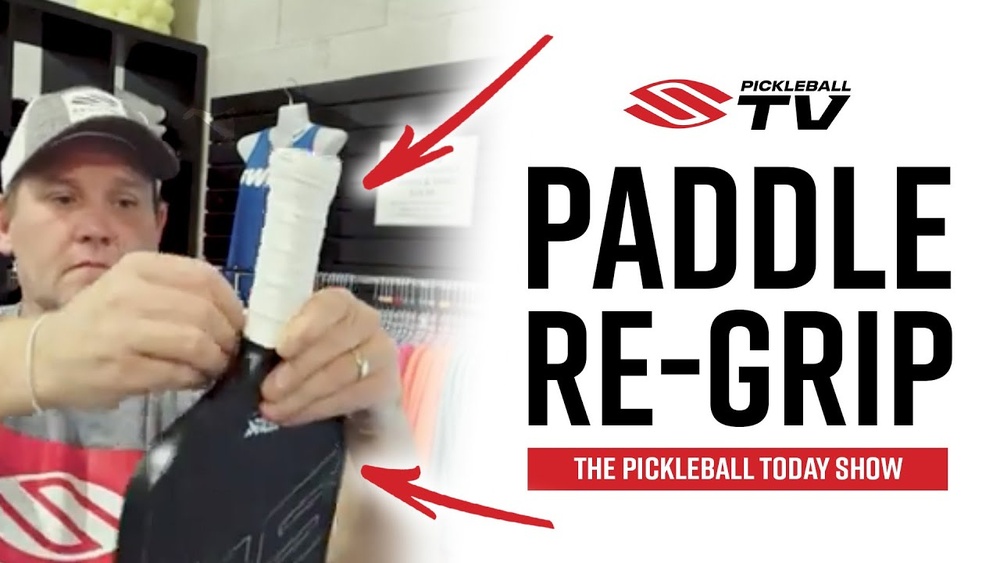
Pickleball is growing fast across the world. Whether you play for fun or compete in tournaments, you know how important your paddle feels in your hand. But even the best paddle can become slippery, rough, or uncomfortable when its grip wears out. The solution? Learning how to regrip a pickleball paddle. This simple skill not only saves money but also gives you the chance to customize your grip, improve your control, and even prevent injuries. In this detailed guide, you’ll learn everything from tools and materials to step-by-step instructions, along with insights many players miss. By the end, you’ll have the confidence to give your paddle the fresh grip it deserves.
Why Regripping Your Pickleball Paddle Matters
Many players focus on paddles’ materials or weight but ignore the grip. The grip is your only contact point with the paddle. Over time, sweat, weather, and frequent play wear it down. A worn grip can cause your paddle to twist, slip, or even fly out of your hand during an important shot.
A fresh paddle grip means:
- Better control on every swing
- Reduced risk of blisters
- More comfort, especially for long matches
- Consistent shots, especially for serves and dinks
If your hand slips, you can’t direct the ball accurately. If your grip is too hard or thin, your hand may cramp. That’s why many advanced players regrip their paddles every few months.
How Do You Know When To Regrip?
You don’t need to wait for the grip to fall apart. Watch for these signs:
- The grip feels slippery, especially when your hand sweats
- The grip looks shiny or worn
- You see tears, cracks, or peeling
- You feel the paddle’s handle edges through the grip
- The grip feels too thin or hard
If you notice any of these, it’s time to regrip. Some players also regrip to change the grip’s thickness or texture for better performance.
Types Of Pickleball Paddle Grips
Before you start, know what kind of grip you want. There are two main types:
1. Replacement Grips
These are designed to replace the original grip completely. They’re usually thicker, cushioned, and give a brand-new feel.
2. Overgrips
These are thinner and are wrapped over the existing grip to add tackiness, absorb sweat, or make the grip slightly thicker.
Some players use both. For example, they start with a replacement grip, then add an overgrip for extra comfort or sweat absorption.
Here’s a quick comparison:
| Grip Type | Thickness | Purpose | Best For |
|---|---|---|---|
| Replacement Grip | 2.0–2.5mm | Full grip renewal, cushioning | Worn/old handles |
| Overgrip | 0.5–0.7mm | Added tack, sweat absorption | Minor upgrades |
Tools And Materials You’ll Need
Getting the right tools makes regripping easier and neater. Here’s what you need:
- New grip (replacement grip or overgrip, depending on your choice)
- Scissors (sharp ones for a clean cut)
- Grip finishing tape (usually comes with the grip)
- Small flat screwdriver or tweezers (to remove old tape, if needed)
- Rubbing alcohol and a cloth (for cleaning)
- Double-sided tape (optional, for extra hold)
- Hair dryer (optional, helps adhesive stick better in cold weather)
Most pickleball grips fit all paddles, but always check the packaging for size and compatibility.
Step-by-step Guide: How To Regrip A Pickleball Paddle
Regripping looks simple, but small mistakes can lead to uneven wraps or loose ends. Here’s how to do it right.
1. Remove The Old Grip
Start by peeling off the old grip. Use your fingers to lift the edge at the top of the handle. If it’s stuck, use a small flat screwdriver or tweezers. Remove all pieces, including old finishing tape. Wipe the handle with a little rubbing alcohol to remove sweat or dirt.
Let it dry fully.
Insight: Many players forget to clean the handle. Dirt left behind can make the new grip slip or bunch up. Don’t skip this step.
2. Prepare The New Grip
Unwrap your new grip. If it’s a replacement grip, it will be longer and thicker than an overgrip. Notice one end is usually tapered (cut at an angle) and sometimes has adhesive.
Peel off any protective film from the sticky side. Most grips have a small piece of finishing tape—set that aside for later.
3. Attach The Tapered End
Start at the butt cap (the bottom of the handle). Place the tapered end so it covers the bottom edge. Hold it firmly with your thumb. The angle helps the grip wrap smoothly as you move up.
Tip: If you’re left-handed, wrap the grip counterclockwise. If you’re right-handed, wrap it clockwise. This makes it less likely to unravel during play.
4. Wrap The Grip Upwards
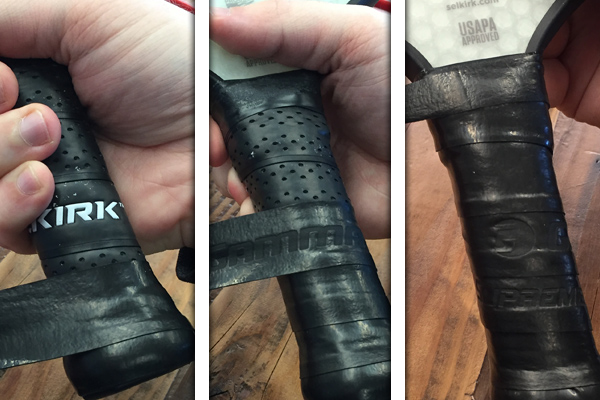
Begin wrapping around the handle, overlapping each layer by about one-eighth inch (3mm). Keep the grip snug, but don’t pull too hard—too much tension can tear the grip or make it shrink.
As you go up, keep the wrap even. If you want a thicker handle, overlap the grip more. For a thinner feel, overlap less.
Non-obvious insight: If your hand size is in between grip sizes, you can add a layer of double-sided tape under the grip for a custom fit.
5. Finish The Wrap
When you reach the top, cut the grip at an angle so it lies flat. Secure the end with the finishing tape provided. Press firmly for 20–30 seconds to help the tape stick.
If your paddle has a throat or a unique shape, trim the grip to fit neatly. Make sure no sticky parts are exposed—they’ll attract dirt and sweat.
6. (optional) Add An Overgrip
If you want extra tackiness, sweat absorption, or a custom color, wrap an overgrip over the replacement grip. The steps are the same: start at the bottom, overlap slightly, and secure with finishing tape.
Pro tip: Overgrips wear out faster than replacement grips. Change them every 2–3 weeks if you play often.
How To Choose The Right Pickleball Grip
Not all grips are the same. Here’s what to consider before buying:
1. Grip Thickness
Players with small hands usually prefer thinner grips. Larger hands need thicker grips for comfort and control. If you’re not sure, measure your grip size by holding the paddle—your fingertips should just touch the base of your thumb when gripping the handle.
2. Texture And Material
Grips come in smooth, tacky, perforated, or ribbed textures. Tacky grips help sweaty hands. Perforated grips absorb moisture better. Ribbed grips help with control.
3. Cushioning
More cushioning absorbs shock and reduces fatigue but makes the grip thicker. Less cushioning gives better paddle feel but may cause discomfort over long games.
4. Sweat Absorption
If you sweat a lot, look for sweat-absorbent grips (often perforated or made of special materials).
5. Durability
Some grips last longer than others. Replacement grips are usually tougher than overgrips.
Here’s a quick comparison of popular grip materials:
| Material | Feel | Sweat Absorption | Durability |
|---|---|---|---|
| Synthetic | Tacky, soft | Good | High |
| Leather | Firm, classic | Fair | Very high |
| Polyurethane | Extra tacky | Excellent | Medium |
| Foam | Cushioned | Fair | Medium |
Common Mistakes To Avoid When Regripping
Regripping isn’t hard, but mistakes can make your paddle uncomfortable or even unsafe. Here are errors to watch out for:
- Not cleaning the handle before applying a new grip. Sweat and dirt weaken the adhesive.
- Overstretching the grip—this makes it too thin and easy to tear.
- Uneven wrapping—if you don’t overlap evenly, the grip will feel bumpy.
- Not securing the end—if the finishing tape is weak or missing, the grip can unravel during play.
- Using the wrong grip size—too thick or too thin a grip leads to hand pain or poor control.
- Covering the butt cap—leave the very bottom exposed so the paddle doesn’t slip out of your hand.
Even experienced players sometimes rush this process. Take your time for the best result.
How Often Should You Regrip Your Pickleball Paddle?
There’s no fixed rule, but most players regrip every 2–6 months. The frequency depends on:
- How often you play (daily players need to regrip more often)
- How much you sweat
- The grip material (overgrips need more frequent changes)
- Weather (hot, humid conditions wear grips faster)
If you notice your grip feels off, don’t wait—replace it. Many professionals change overgrips every few matches.
Customizing Your Paddle Grip For Performance
Regripping isn’t just about replacing something old. It’s a chance to customize your paddle for your hand size, play style, and personal comfort.
Thicker Grips For Power
A thicker grip absorbs shock and helps generate more power, especially for players with larger hands. Add an extra layer or use a cushioned grip.
Thinner Grips For Control
A thinner grip lets you move your wrist more, giving you better spin and control—good for dinks and finesse shots.
Tacky Grips For Sweaty Hands
If you sweat a lot, choose a tacky or moisture-absorbing grip. Some brands offer special sweat-resistant materials.
Color And Style
Many grips come in different colors and patterns. Some players use bright grips to spot their paddle easily or just for fun.
Non-obvious insight: The way you wrap the grip can affect performance. Slightly changing the overlap can make your handle more oval or round, which some players prefer for a better fit.
Do You Need A Professional To Regrip Your Paddle?
Most players can regrip their paddles at home. However, if you have a very expensive paddle, or want a factory-perfect finish, some sports shops offer regripping services. They have special machines for perfect tension and can customize your grip size exactly.
Still, learning to do it yourself saves time and money—and gives you more control over your equipment.

Credit: www.youtube.com
Tips For Maintaining Your Pickleball Paddle Grip
Once you’ve regripped your paddle, you’ll want to keep it in good shape:
- Wipe the grip after each game with a dry towel to remove sweat.
- Store your paddle indoors—excessive heat or sun can dry out the grip.
- Rotate paddles if you have more than one, to spread out wear.
- Check for wear regularly and replace grips before they become slippery.
If you use overgrips, buy multipacks and keep extras in your bag for quick changes.
Regripping For Different Skill Levels
Beginners
Start with a standard replacement grip. Focus on comfort and basic sweat absorption.
Intermediate Players
Experiment with overgrips for extra tack or a thicker handle. Try different textures to find what feels best.
Advanced/competitive Players
Fine-tune grip thickness for your hand size and play style. Some advanced players use custom wraps, add weight under the grip, or use specialty materials for a precise feel.
Regripping For Different Weather Conditions
Hot, humid weather wears out grips faster, especially for players who sweat a lot. In these conditions:
- Use sweat-absorbing or perforated grips.
- Carry extra overgrips to replace between games.
- Choose lighter colors—they absorb less heat.
In cold weather, grips can become stiff. Warming the grip with a hair dryer before applying helps it stretch and stick better.
Is There A Difference Between Pickleball And Tennis Grips?
Many pickleball players use tennis overgrips, and most fit well. However, pickleball paddle handles are often shorter and sometimes slightly wider.
Here’s a quick comparison:
| Sport | Grip Length | Handle Shape | Best Features |
|---|---|---|---|
| Pickleball | Shorter | Often more square | Better control, quick changes |
| Tennis | Longer | Rounded | More cushioning, sweat control |
Both types can work, but always check the length. Cutting down tennis grips to fit pickleball paddles is common.

Credit: www.justpaddles.com
Where To Buy Pickleball Grips
You can find pickleball grips at most sporting goods stores, online retailers, and specialty pickleball shops. Popular brands include Gamma, Tourna, HEAD, Yonex, and Wilson. Prices range from $5 to $15 for replacement grips, and $2 to $5 for overgrips.
For more on grip types and recommendations, visit the official USA Pickleball website.
Frequently Asked Questions
How Long Does It Take To Regrip A Pickleball Paddle?
Usually, it takes about 10 to 15 minutes for most people. The first time may take a bit longer. With practice, you can do it in less than 10 minutes.
Can I Use A Tennis Grip For My Pickleball Paddle?
Yes, you can use tennis grips or overgrips, but you may need to trim the length. Make sure the grip fits smoothly without bunching.
How Do I Know What Grip Size Is Right For Me?
Hold your paddle as you would in a game. If your fingertips just touch the base of your thumb, the size is right. If there’s a gap, the grip is too thick; if your fingers dig into your palm, it’s too thin.
What Do I Do If The Grip Keeps Unraveling?
Check if you used the finishing tape correctly. Press it firmly and wrap it tightly. If it still comes loose, use electrical tape as a backup.
How Often Should I Change My Overgrip?
If you play several times a week, change your overgrip every 2–3 weeks. If you play less, replace it whenever it starts to feel slippery or worn.
Regripping your pickleball paddle is an easy skill that brings big benefits. With a fresh grip, you’ll play more confidently, avoid injuries, and enjoy your time on the court. Try out different grips, experiment with thickness and texture, and keep your paddle in top shape—your game will thank you.
Credit: pickleballkitchen.com