
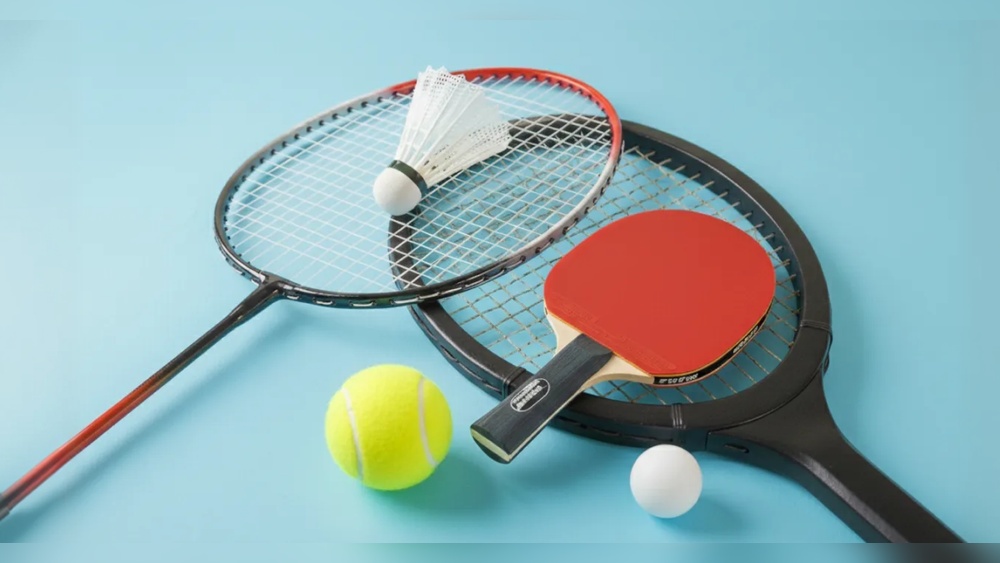
Pickleball is a fast-growing sport that combines elements of several familiar games, offering a unique blend of fun, strategy, and physical activity. If you enjoy pickleball, you might wonder which other sports share similar rules, play styles, or skills. Understanding these similarities can help you transition easily between sports, improve your game, and even discover new activities you’ll love. In this article, we’ll explore three sports that are most similar to pickleball: tennis, badminton, and table tennis. We’ll break down how each sport compares to pickleball, what makes them alike, and what sets them apart. This will help you make connections, learn faster, and have more fun on the court.
What Makes A Sport Similar To Pickleball?
Before diving into the three sports, it’s important to know what we mean by “similar. ” Pickleball is played with a paddle and a plastic ball with holes, usually on a court about a third the size of a tennis court.
It combines elements of hand-eye coordination, quick reflexes, and strategic movement. The scoring system, court lines, serving style, and doubles play are all unique but inspired by other racket and paddle sports.
A sport is similar to pickleball if it shares at least a few of these features:
- Uses a paddle or racket
- Involves a net and court
- Focuses on hand-eye coordination
- Requires quick movement and tactical play
- Can be played in singles or doubles
Let’s look at the three sports that best fit this description.
Tennis: The Closest Cousin
If pickleball has a big sibling, it’s tennis. Many pickleball players start with tennis, and the two sports share a lot of DNA.
Court And Equipment Similarities
Both tennis and pickleball are played on a rectangular court divided by a net. While a tennis court is larger (78 feet by 36 feet for doubles), the pickleball court is smaller (44 feet by 20 feet), but the layout is very similar. The lines for singles and doubles, the service areas, and the net in the middle all have direct parallels.
Here’s a side-by-side look at the basic court and equipment differences:
| Feature | Tennis | Pickleball |
|---|---|---|
| Court Size | 78′ x 36′ (doubles) | 44′ x 20′ |
| Net Height (center) | 36 inches | 34 inches |
| Racket/Paddle | Strung racket (27-29″) | Solid paddle (15-17″) |
| Ball Type | Pressurized felt ball | Plastic ball with holes |
How The Games Are Played
Both sports start with a serve, though the pickleball serve is underhand and must be made below the waist, while tennis serves can be overhand and are often very powerful. After the serve, both games involve hitting the ball back and forth over the net, trying to win points by making the ball land in the opponent’s court or forcing an error.
Doubles play is common in both sports, and teamwork is a big part of the game. The focus on quick reflexes at the net, especially in doubles, makes tennis and pickleball feel similar during fast-paced exchanges.
Scoring And Strategy
Tennis uses a unique scoring system (15, 30, 40, game), while pickleball uses simple point scoring (first to 11, win by 2). However, the idea of winning points by accuracy, placement, and forcing mistakes is central to both sports.
In both tennis and pickleball, positioning is critical. Players move to the net to finish points or stay back and rally from the baseline. Advanced players in both games use spin, drop shots, and angles to outsmart their opponents.
A non-obvious similarity is the importance of the “soft game. ” In tennis, this is seen in drop shots and volleys. In pickleball, the “dink” game (gentle shots near the net) is vital for high-level play. Players who excel at soft hands in tennis often transition well to pickleball’s kitchen game.
Transitioning Skills
If you play tennis, you’ll notice your footwork, hand-eye coordination, and anticipation transfer directly to pickleball. However, the lighter paddle and slower ball speed in pickleball can actually challenge tennis players to control their power. Many tennis players initially hit too hard and must learn finesse.
A practical tip: Tennis players moving to pickleball should focus on learning the underhand serve and mastering the non-volley zone (“kitchen”), which doesn’t exist in tennis.
Key Differences
- Pickleball is easier on the joints, with less running and smaller movement.
- Tennis rewards power and endurance, while pickleball rewards quick reflexes and touch.
- The rules about serving and volleying are stricter in pickleball, especially around the kitchen.

Credit: www.selkirk.com
Badminton: Speed, Reflexes, And Net Play
At first glance, badminton may not look much like pickleball. The shuttlecock (birdie) floats through the air, and the rackets are strung and lightweight. But look closer, and you’ll find surprising similarities.
Shared Features
Both sports are played on a rectangular court with a net in the middle. Badminton courts are 44 feet long and 20 feet wide for doubles—the exact dimensions as pickleball. The net is higher in badminton (5 feet at the center), but the sense of space is similar.
Badminton is famous for its lightweight rackets and fast-paced rallies. While the equipment is different, both sports require fast reactions, quick footwork, and soft hands for touch shots near the net.
Here’s how the courts and equipment compare:
| Feature | Badminton | Pickleball |
|---|---|---|
| Court Size | 44′ x 20′ | 44′ x 20′ |
| Net Height (center) | 60 inches | 34 inches |
| Racket/Paddle | Strung racket (27″) | Solid paddle (15-17″) |
| Ball Type | Shuttlecock (feather/plastic) | Plastic ball with holes |
Playing Styles
In both sports, the serve starts the point, and players must return the projectile (shuttlecock or ball) before it hits the ground (in singles) or after a single bounce (in pickleball). Doubles play is especially popular, with fast exchanges near the net. Net play is crucial in both sports; players use soft touches, quick flicks, and well-timed attacks to win points.
Both games reward players who can control the pace. In badminton, dropping the shuttlecock just over the net (a “drop shot”) is a key skill, much like the “dink” in pickleball. Aggressive smashes and quick reflexes are also important in both games.
Key Skills That Transfer
- Hand speed: Both sports demand fast reactions for volleys and smashes.
- Anticipation: Reading your opponent’s intention is vital in fast rallies.
- Soft touch: Gentle shots near the net can set up easy points.
A non-obvious insight: Badminton’s “deception” skills—using wrist flicks and body language to trick your opponent—translate well to pickleball. Advanced pickleball players use similar tactics to disguise their shots.
Differences
- The shuttlecock’s flight is very different from a pickleball; it can drop quickly and change direction in the air.
- Badminton is almost always played indoors, while pickleball is popular outdoors and indoors.
- In badminton, the shuttle can’t touch the ground; in pickleball, the ball must bounce once on each side after the serve (the “double bounce rule”).
Transitioning Between Sports
Players who move from badminton to pickleball often have great reflexes, court awareness, and net skills. However, adjusting to the bounce of a pickleball and the solid paddle takes practice. The pace of play in pickleball is generally slower, but rallies can get very fast at the net.
A practical tip: Badminton players should spend time practicing the pickleball bounce and learning the unique serving rules, as the underhand serve and kitchen zone are new concepts.
Table Tennis: Small Court, Big Similarities
Table tennis (also known as ping pong) might seem very different from pickleball at first, but it shares a surprising number of features. If you enjoy the quick hand movements and strategy of pickleball, you’ll find a lot in common with table tennis.
Core Similarities
Both sports are played with a paddle (not a strung racket), and both use a plastic ball. The goal is to hit the ball over a net and make it land on the opponent’s side of the court (or table).
Table tennis is played on a much smaller surface, but the fast reflexes, anticipation, and paddle control are essential in both sports. The “kitchen” or non-volley zone in pickleball is similar to the area near the net in table tennis, where touch, spin, and placement make the difference.
Here’s a comparison of the courts and equipment:
| Feature | Table Tennis | Pickleball |
|---|---|---|
| Playing Surface | 9′ x 5′ table | 44′ x 20′ court |
| Net Height | 6 inches | 34 inches |
| Paddle | Solid, rubber-faced (6-7″) | Solid (15-17″) |
| Ball | Plastic, 40mm | Plastic with holes, 2.87″ |
How The Game Flows
Both sports start with a serve, and the goal is to win points by accuracy, spin, and forcing mistakes. In table tennis, the ball must bounce once on each side at the serve, just like pickleball’s double bounce rule. After the serve, players rally, using spins, blocks, and placement to control the point.
Doubles play is also popular in both sports, requiring coordination and communication. Quick exchanges at the net are common, and the ability to “reset” the point with a soft shot is valuable in both games.
Shared Skills
- Paddle control: Both sports require precise angles and touch to control the ball.
- Spin: Table tennis players use spin to move the ball unpredictably. Spin is less dramatic in pickleball but still important for advanced play.
- Fast reflexes: Quick hands and anticipation are vital, especially in doubles.
A non-obvious insight: Table tennis players often excel at pickleball’s “dinking” game, as they are used to quick, controlled exchanges at close range. The ability to read spin and adjust paddle angle is a unique advantage for table tennis players moving to pickleball.
Key Differences
- Table tennis is played on a table, not a court, and has much less running.
- Spin is much more pronounced in table tennis due to the rubber paddle surface.
- The scoring is different, with table tennis games usually going to 11 or 21 points.
Making The Switch
Table tennis players may find the larger court and need for footwork challenging at first. However, their paddle skills, anticipation, and ability to read opponents help them adapt quickly. Starting with “soft” pickleball play (dinking and resets) is a good way to transition.
A practical tip: Focus on learning the pickleball serve and court movement. Use your paddle control to master dinks and soft shots before adding power.
Why Are These Sports So Closely Related?
The main connection among pickleball, tennis, badminton, and table tennis is their racket/paddle and net setup. All require players to judge distances, react quickly, and use strategy to outmaneuver their opponents. They can all be played in singles or doubles, making them social and competitive.
Another key point is that each sport has a “soft game” element, where gentle, controlled shots are as important as power. This is often overlooked by beginners, who focus only on hitting hard. Learning to use touch and placement is a secret weapon in all these sports.
For older athletes or those with joint issues, pickleball offers a great alternative to tennis or badminton, as it is lower impact but still provides great exercise and social fun. According to the Sports & Fitness Industry Association, pickleball grew by 39.
3% in participation from 2019 to 2021, showing its appeal as a crossover sport for fans of other paddle and racket games.
How To Decide Which Sport To Try Next
If you already enjoy pickleball, choosing one of these similar sports can be a great way to improve your athletic ability, meet new people, and avoid burnout. Here are a few things to consider:
- If you like outdoor play and bigger courts: Try tennis.
- If you prefer fast, indoor games with lots of jumping and quick movement: Badminton might be for you.
- If you love quick hand movements and small spaces: Table tennis is a great fit.
Trying different sports can also prevent injuries, as you use different muscles and skills. Many top pickleball players recommend cross-training in at least one other paddle sport to become a more complete athlete.
Common Beginner Mistakes When Switching Sports
- Using too much power: In pickleball and table tennis, finesse is often more important than force.
- Ignoring footwork: Good movement is key in all three sports—don’t get lazy!
- Not learning the rules: Each sport has unique serving and volleying rules. Take time to study them before you play.
- Forgetting about spin: Spin is huge in table tennis and important in tennis. In pickleball, subtle spins can change the game.
- Overlooking the “soft game”: The best players in all three sports are masters of touch and placement.
How To Improve By Playing Multiple Sports
Cross-training in tennis, badminton, and table tennis can make you a better pickleball player. You’ll gain:
- Better hand-eye coordination
- Improved footwork and agility
- Greater understanding of spin and shot selection
- Increased tactical awareness
For example, practicing tennis serves can help you develop power, while badminton can improve your reaction time. Table tennis is excellent for sharpening your hand speed and learning to adjust to different spins.
A non-obvious benefit: Playing multiple paddle sports also helps prevent mental fatigue, as you keep challenging yourself in new ways.

Credit: srikel.com
Where To Learn More And Play
Many local clubs and community centers offer beginner lessons for all these sports. You can also find instructional videos and tips on official association websites. For more in-depth information on the history and rules of pickleball, check out the official Pickleball Wikipedia page.
If you’re serious about improving, consider joining a club or league. Playing with others at your level (and slightly above) is the fastest way to learn.
Frequently Asked Questions
What Is The Main Difference Between Pickleball And Tennis?
The main difference is court size and pace. Pickleball is played on a smaller court with a lighter paddle and a plastic ball, leading to shorter rallies and less running. Tennis uses a larger court, a strung racket, and a felt ball, so the game is faster and more physically demanding.
Is Badminton Easier To Learn Than Pickleball?
Both sports have a learning curve, but pickleball is often considered easier for beginners. The rules are simple, the court is small, and the ball moves slower. Badminton requires quick reflexes and has a higher net, making it more challenging at first for some people.
Can Table Tennis Players Switch To Pickleball Easily?
Table tennis players often have great paddle skills and reflexes, which help in pickleball. The main adjustment is moving on a larger court and learning the bounce of the pickleball, but the transition is generally smooth.
Why Is Pickleball Becoming So Popular?
Pickleball’s popularity is due to its accessibility, social aspect, and low impact on the body. It’s easy to learn, fun for all ages, and can be played indoors or outdoors. The sport also encourages social interaction, which many people appreciate.
Are There Other Sports Similar To Pickleball?
Yes, sports like padel, squash, and racquetball also share similarities with pickleball, especially in terms of paddle/racket use and court setup. However, tennis, badminton, and table tennis are the most closely related in terms of rules, strategy, and player crossover.
Discovering the connections among these sports can open up a world of new challenges and friendships. Whether you stick with pickleball or branch out to tennis, badminton, or table tennis, you’ll be building skills that last a lifetime.

Credit: www.pickleballcourtco.com