
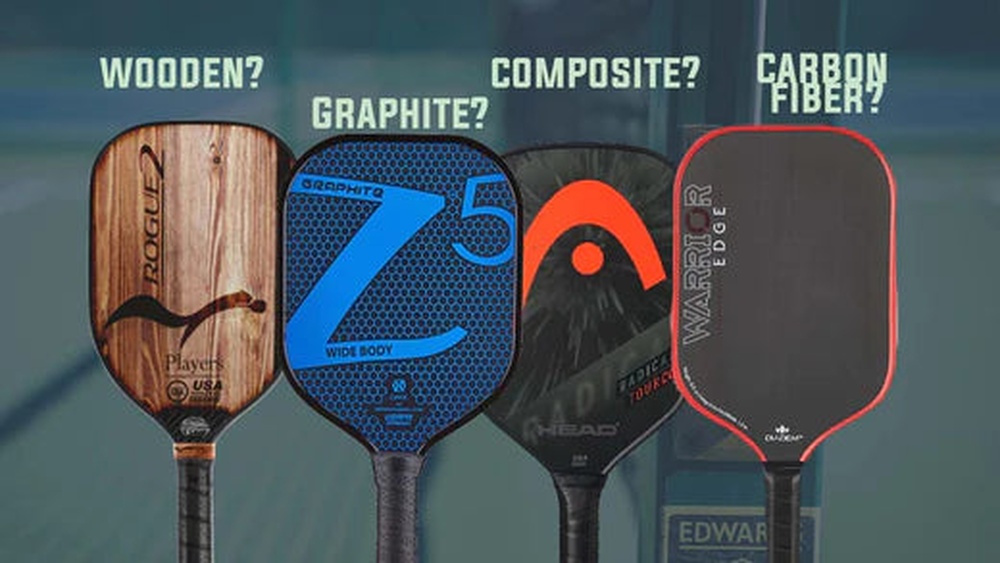
Picking the right pickleball paddle can change your game completely. If you have played for a while or just started, you will soon hear about two main paddle materials: wood and carbon fiber. Each one has its fans. Each one has unique strengths and weaknesses. But which is better for you? That’s not always easy to answer. The right choice depends on your budget, playing style, and even your hand strength.
Let’s break down everything you need to know about wood and carbon fiber pickleball paddles. You’ll see real data, honest pros and cons, and discover the small details beginners often miss. By the end, you’ll feel confident picking your next paddle—no matter your skill level.
Why Paddle Material Matters
In pickleball, the paddle is more than just a tool. It’s an extension of your arm. The material affects your shots, control, and energy. Wood and carbon fiber are at opposite ends of the spectrum:
- Wood is the original paddle material. It’s simple, tough, and cheap.
- Carbon fiber is high-tech, very light, and built for serious play.
But there are surprises. For example, some new players think lighter is always better. But the weight can actually help control and power if matched to your skill and style. Let’s dig deeper.
Wood Pickleball Paddles
Wood paddles have been around since the birth of pickleball in the 1960s. They remain popular, especially among beginners, schools, and recreational centers.
Key Features Of Wood Paddles
- Price: Wood paddles are the most affordable option. You can often find them for $10–$25. This makes them perfect for new players or groups.
- Weight: They are the heaviest paddles. Most weigh between 9–12 ounces.
- Durability: Wood is tough and can survive rough handling. Dropping or banging the paddle won’t matter much.
- Feel: The hit feels solid and sometimes a little “dead”—not much bounce compared to modern paddles.
Advantages Of Wood Paddles
- Low Cost: The biggest advantage is price. You can buy several wood paddles for the cost of one carbon fiber paddle.
- Long Lifespan: Wood paddles don’t chip or crack easily. They last for years, even in rough conditions.
- Great for Groups: Schools, clubs, and families love wood paddles for group play. If someone is careless, it’s not a disaster.
- Heavier Weight Can Help Beginners: For some new players, the extra weight helps them swing more smoothly and build strength.
Disadvantages Of Wood Paddles
- Too Heavy for Some: Many players find wood paddles tiring. Long games or quick rallies can make your arm sore, especially for children or older adults.
- Limited Control and Touch: It’s harder to do soft shots or spins. Wood does not “grab” the ball like carbon fiber.
- Noisy: Wood paddles make a loud “thwack” sound. This can annoy neighbors or others on nearby courts.
- Basic Appearance: Most wood paddles look plain and simple. There are not many color or style options.
Who Should Use Wood Paddles?
Wood paddles work well for:
- First-time players who want to try pickleball without spending much.
- Schools and recreation centers needing durable equipment.
- Those who don’t mind heavier gear.
But if you want to play competitively or improve your skills quickly, you may outgrow wood paddles fast.
Carbon Fiber Pickleball Paddles
Carbon fiber paddles are the new standard for serious pickleball players. They are made from advanced materials and use modern technology.
What Is Carbon Fiber?
Carbon fiber is a strong, super-light material. It’s made by weaving thin carbon strands and setting them in resin. This process creates paddles that are both strong and very light.
Key Features Of Carbon Fiber Paddles
- Price: Most cost between $60 and $200. Pro models can cost even more.
- Weight: They usually weigh 7–8.5 ounces, making them much lighter than wood paddles.
- Control: The paddle face gives excellent grip on the ball, allowing spins and soft shots.
- Power: Despite being light, carbon fiber can deliver powerful shots due to the “pop” effect.
Advantages Of Carbon Fiber Paddles
- Lightweight: Less strain on your arm and wrist, even during long games. Quick reactions become easier.
- Superior Control: The textured surface helps you spin the ball and make precise shots.
- Powerful Hits: The material “rebounds” the ball with more energy, so you get extra power without extra effort.
- Comfortable Grips: Carbon fiber paddles usually have better grips and more ergonomic handles.
- Modern Designs: Many paddles look sharp, with stylish graphics and colors.
Disadvantages Of Carbon Fiber Paddles
- Higher Cost: The technology and materials make these paddles more expensive. It’s a bigger investment, especially for beginners.
- Can Crack or Chip: If you hit the paddle on a hard surface, it can crack or chip. They are strong but not indestructible.
- Too Light for Some: Some players actually prefer a heavier paddle for stability and power. Carbon fiber may feel “too fast” for them.
- Sensitive to Extreme Heat: Leaving a carbon fiber paddle in a hot car or direct sun can damage the material over time.
Who Should Use Carbon Fiber Paddles?
Carbon fiber is best for:
- Players who want to improve their skill level.
- Anyone who values speed, spin, and accuracy.
- Those willing to invest in a quality paddle for long-term play.
Even some beginners choose carbon fiber for the comfort and performance boost.
Key Differences At A Glance
The best way to see the differences is side by side. Here’s a direct comparison:
| Feature | Wood Paddle | Carbon Fiber Paddle |
|---|---|---|
| Price Range | $10 – $25 | $60 – $200+ |
| Weight | 9 – 12 oz (heavy) | 7 – 8.5 oz (light) |
| Durability | Very durable, tough | Durable, but can chip/crack |
| Control/Spin | Limited | Excellent |
| Power | Good, but less “pop” | High “pop” and power |
| Noise | Loud | Quieter |
| Appearance | Plain, basic | Stylish, modern |

Credit: www.f2sports.com
Performance: Which Paddle Wins?
Let’s look at how each paddle material performs in real games.
Power
Wood paddles are heavy, so you can hit hard. But the paddle does not “spring” the ball like carbon fiber. Carbon fiber gives the ball extra bounce, even with less effort. For most players, carbon fiber delivers more usable power.
Control And Spin
Carbon fiber’s textured surface allows players to put spin on the ball and place shots with accuracy. Wood paddles have a smooth face, which means less spin and less control. This is a big reason why advanced players switch to carbon fiber.
Comfort And Fatigue
A heavy paddle (like wood) can tire your arm quickly, especially in longer matches. Carbon fiber’s light weight means you can play longer with less fatigue. For players with wrist or elbow issues, the lighter paddle is often a must.
Durability
Wood can take a beating—drops, scrapes, even being left outside. Carbon fiber is strong but not invincible. A hard impact on the edge or face can cause chips or cracks. For durability in rough environments, wood is the winner.
Sound
Some players like the classic “thwack” of wood. Others find it annoying. Carbon fiber paddles are quieter—helpful if you play in noise-sensitive areas or indoor courts.
Cost Over Time
Wood paddles are cheap, but you may “outgrow” them quickly if you get serious about pickleball. Carbon fiber costs more, but you won’t need to replace it unless you break it or want an upgrade.
Real-world Examples
Consider two beginners: Jamie and Alex.
- Jamie buys a $15 wood paddle and plays once a week for fun. The heavy paddle helps Jamie build arm strength, but after a few months, Jamie wants more control and less arm fatigue. Jamie tries a friend’s carbon fiber paddle and instantly notices better spin and less effort.
- Alex invests $80 in a carbon fiber paddle from the start. The paddle feels comfortable, and Alex quickly learns how to add spin and control shots. Alex’s improvement is faster, but the upfront cost is much higher.
This example shows that your paddle choice affects both your experience and your learning curve.
Common Misconceptions
Many beginners believe some myths about paddle materials. Let’s clear up a few:
1. “heavier Paddles Always Mean More Power.”
Not true. Heavier paddles CAN hit harder, but carbon fiber’s springiness (trampoline effect) gives you power with less weight.
2. “wood Paddles Last Forever, Carbon Fiber Breaks Easily.”
Not exactly. Wood is tough, but can warp if left wet. Carbon fiber lasts for years with normal use—just avoid hard impacts.
3. “you Need To Be Advanced To Use Carbon Fiber.”
False. Many beginners start with carbon fiber for comfort and rapid skill growth.
4. “all Carbon Fiber Paddles Are The Same.”
Not true. Quality, thickness, grip, and even the type of carbon fiber weave all make a difference.
Factors To Consider Before Choosing
Picking the right paddle is personal. Here are the main things to think about:
Your Budget
- Wood: Best for small budgets or large groups.
- Carbon Fiber: Good for investing in your own game.
Playing Frequency
- Casual Play: Wood is fine for a few games now and then.
- Regular Play: Carbon fiber is easier on your body and helps you improve.
Skill Level
- Beginner: Both options work, but you may progress faster with carbon fiber.
- Intermediate/Advanced: Carbon fiber offers more tools for skilled play.
Physical Strength
- Younger/Stronger Players: May prefer or handle heavier wood paddles.
- Older/Smaller Players: Usually benefit from lighter carbon fiber paddles.
Where You Play
- Outdoor, rough conditions: Wood paddles can take more abuse.
- Indoor, sensitive areas: Carbon fiber is quieter and more comfortable.
Advanced Insights: What Most Beginners Miss
Many new pickleball players focus only on weight or price. But here are two details that matter more than you think:
Paddle Balance
Not all paddles of the same weight FEEL the same. A paddle’s balance point (where the weight is centered) changes how it swings. Head-heavy paddles feel powerful but can tire your wrist. Handle-heavy paddles are easier to maneuver. Carbon fiber paddles often have better balance, improving quick shots at the net.
Surface Texture
The surface of the paddle affects spin and control. Carbon fiber paddles often have a textured face, letting you “grab” the ball for more spin. Wood paddles are usually smooth, making spin shots very difficult. For advanced play, surface texture is a game-changer.
How To Test A Paddle Before You Buy
Trying a paddle in your hand is the best way to decide. If you can, visit a store or club and:
- Swing the Paddle: Feel the weight and balance. Does it feel too heavy or too light?
- Hit a Few Balls: Notice the sound, the bounce, and how much control you have.
- Check the Grip: Is the handle comfortable? Too large or small?
- Ask Other Players: Many experienced players will let you try their paddle and share advice.
Paddle Maintenance Tips
Wood and carbon fiber paddles need different care. Here’s how to keep them in top shape:
Wood Paddle Care
- Wipe with a damp cloth after play.
- Store in a dry place; avoid moisture to prevent warping.
- Inspect for splinters or cracks, especially on the edges.
Carbon Fiber Paddle Care
- Use a soft towel to wipe off sweat and dirt.
- Store in a paddle case if possible.
- Don’t leave in a hot car or direct sunlight.
- Check for chips or cracks after impacts.
Popular Paddle Brands
Some brands are known for quality. Here’s a quick overview:
| Brand | Wood Paddles | Carbon Fiber Paddles |
|---|---|---|
| Onix | Yes | Yes |
| Selkirk | No | Yes |
| Gamma | Yes | Yes |
| Paddletek | No | Yes |
| Franklin Sports | Yes | Yes |

Credit: bepickleballer.com
The Future Of Paddle Technology
Pickleball paddle design is always improving. Today, you can find hybrid paddles that combine materials, but carbon fiber continues to lead in performance. Expect even lighter and stronger designs in the coming years. If you want to stay up-to-date on paddle tech, check out the USA Pickleball Association.
Summary: Which Paddle Should You Choose?
If you want the lowest cost and maximum durability for casual play, wood is a solid choice. It’s also best for schools and large groups.
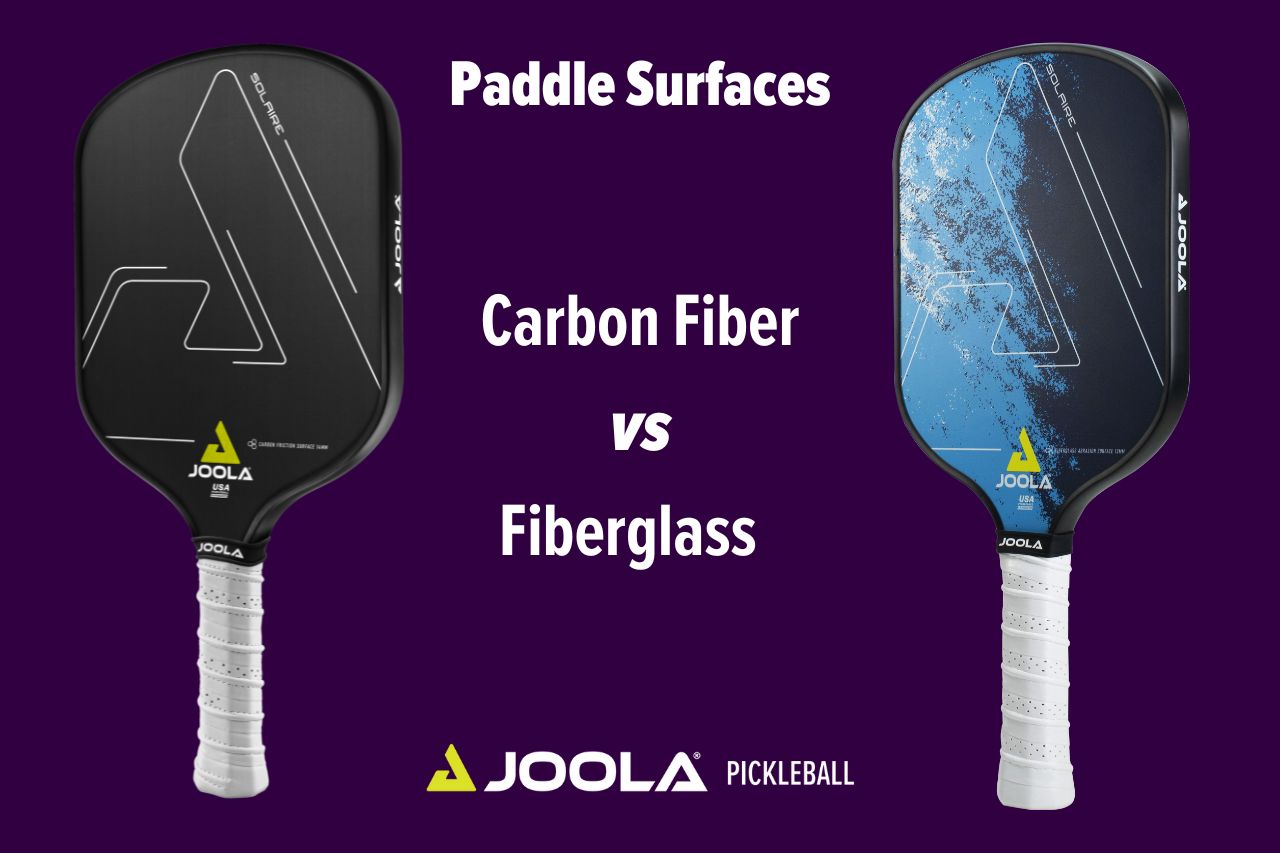
If you want to improve your game, reduce arm fatigue, and enjoy more control, carbon fiber is worth the investment. Most serious players switch to carbon fiber sooner or later.
But remember: the “best” paddle is the one that fits your hand, your budget, and your style. Test both if possible before you buy.
Credit: joola.com
Frequently Asked Questions
Is A Wood Or Carbon Fiber Paddle Better For Beginners?
Wood paddles are cheaper and fine for first-time play. But many beginners prefer carbon fiber for the lighter weight and better control. You will likely improve faster with carbon fiber, but both work for learning.
How Long Does A Carbon Fiber Pickleball Paddle Last?
With normal use and proper care, a carbon fiber paddle can last several years. Avoid hard impacts and extreme heat to prevent damage.
Can I Use A Wood Paddle In Tournaments?
Most tournaments allow wood paddles as long as they meet official size and weight rules. However, almost all competitive players use carbon fiber or composite paddles for performance.
Why Are Carbon Fiber Paddles More Expensive?
Carbon fiber is a high-tech material. The manufacturing process is complex, and the paddles offer advanced features like textured surfaces and ergonomic grips. This makes them more costly than wood paddles.
How Do I Know What Paddle Weight Is Right For Me?
Try different paddles if you can. Lighter paddles (carbon fiber) are easier on the arm and good for quick play. Heavier paddles (wood) can add power but may cause fatigue. Choose the one that feels balanced and comfortable in your hand.
Choosing between wood vs carbon fiber pickleball paddle is an important step in your pickleball journey. Take your time, try both if possible, and enjoy the process. The right paddle will help you play better—and have more fun—every time you step on the court.