
Pickleball Ball vs Padel Ball: Key Differences, Performance, and What You Need to Know
Pickleball and padel are two fast-growing racket sports that have gained fans around the world. Both are easy to start, fun to play, and offer great social experiences. But if you are new to these sports, you might be surprised to learn that their balls are not the same. In fact, the pickleball ball and padel ball are designed for very different styles of play. They look different, feel different, and perform differently on the court.
This guide explores the unique features, advantages, and uses of both balls. Whether you are deciding which sport to try, or want to understand why your shots behave so differently, you will find everything you need here. Let’s look closely at how these two balls compare—and why choosing the right one matters so much.
Understanding The Basics: Pickleball Ball And Padel Ball
Before you can compare the balls, it helps to know exactly what each one is.
What Is A Pickleball Ball?
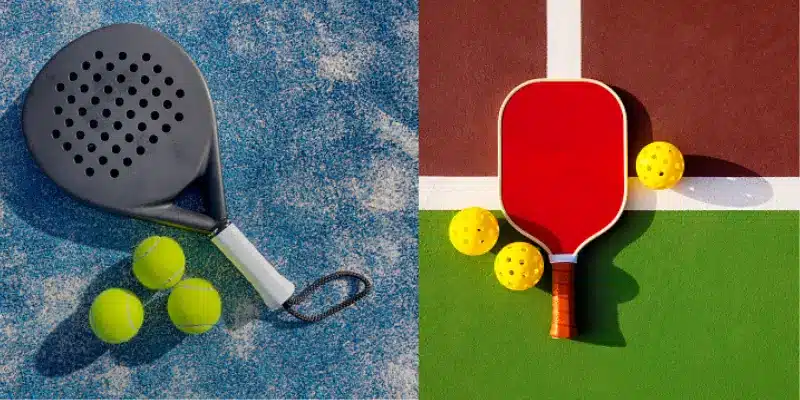
The pickleball ball is a lightweight, hollow plastic ball. You will notice that it has many holes across the surface. These holes are not just for looks—they help control the speed and bounce of the ball. There are two main types:
- Indoor pickleball balls: Usually have 26 larger holes.
- Outdoor pickleball balls: Have 40 smaller holes to handle wind and rougher surfaces.
A standard pickleball ball weighs around 0. 8 ounces (22. 7 grams) and has a diameter of about 2. 87 to 2. 97 inches (7. 3 to 7. 5 cm). The plastic construction means it is quite firm, but not too hard.
What Is A Padel Ball?
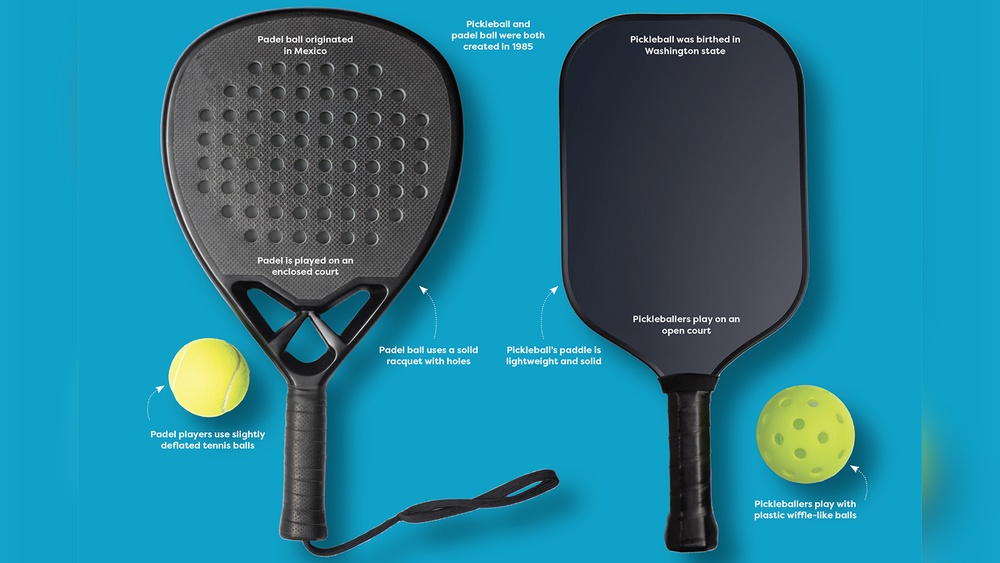
A padel ball looks almost exactly like a tennis ball. In fact, many people think they are the same. But a true padel ball is a bit smaller and made to bounce less than a tennis ball.
- Diameter: 2.48 to 2.68 inches (6.35 to 6.77 cm)
- Weight: 1.9 to 2.01 ounces (54 to 57 grams)
Padel balls are made from rubber and covered in a felt material. They are pressurized, meaning they have air inside to give them a certain bounce. The pressure is lower than a tennis ball, which affects how it moves and reacts on the court.
Key Differences Between Pickleball Ball And Padel Ball
It is easy to think all sports balls are similar, but the differences between pickleball and padel balls have a big impact on how each game is played.
Materials And Construction
Pickleball balls are made from hard plastic. The holes are a key feature, affecting how the ball flies and reacts to paddle hits. Most are made using a single piece of molded plastic, making them very durable. There is no felt, no rubber inside, and no pressure.
Padel balls are made of a hollow rubber core, pressurized with air, and covered in fuzzy felt. This design makes them softer to hit and gives them a unique bounce. The felt covering helps the ball grip the court surface, especially on artificial turf common in padel courts.
Size And Weight
At first glance, the two balls look quite different:
- Pickleball ball: Larger in diameter, but much lighter.
- Padel ball: Smaller and heavier, with a solid, bouncy feel.
Here is a quick side-by-side using real measurements:
| Ball Type | Diameter (inches) | Weight (grams) | Material |
|---|---|---|---|
| Pickleball Ball | 2.87 – 2.97 | 22.7 | Hard Plastic |
| Padel Ball | 2.48 – 2.68 | 54 – 57 | Rubber + Felt |
Bounce And Flight
How a ball bounces and moves through the air changes the whole game.
- Pickleball ball: Lower bounce, less spin, and slower speed. The holes reduce wind resistance, but the light weight means it is more affected by wind (especially outdoors). It does not bounce as high as a tennis or padel ball.
- Padel ball: Higher bounce and faster speed. The felt and pressure inside help the ball react quickly to paddle hits. The ball can generate more spin, making it possible to do tricky slices and topspin shots.
Durability And Lifespan
- Pickleball balls are very durable when used indoors, but can crack or become misshapen in cold weather or after repeated hard hits.
- Padel balls lose their bounce and pressure over time. After a few matches, the ball may feel “dead” and need replacing, similar to tennis balls.
Cost Differences
A pack of pickleball balls is usually cheaper than a similar number of padel balls. This is mostly because the materials (plastic vs. felt-covered rubber) and the pressurization make padel balls more expensive to manufacture.
- Pickleball balls: $2–$4 each
- Padel balls: $6–$10 per 3-ball can
Color And Visibility
- Pickleball balls come in bright colors (yellow, orange, green) for visibility on various court surfaces.
- Padel balls are usually yellow or white, similar to tennis balls, to stand out on green or blue courts.
 "Pickleball Ball vs Padel Ball: Key Differences Explained")
Credit: playtomic.com
How Each Ball Affects The Game
The ball you use directly shapes the play style, strategies, and enjoyment in both sports. Here’s how each ball changes the game:
Pickleball Ball In Play
The pickleball ball is slower and lighter, so rallies tend to last longer. The ball doesn’t bounce as high, so players need to move quickly and keep the paddle low. The soft bounce also means that powerful shots are less common; instead, players focus on placement, dinks (soft shots over the net), and quick reactions.
Wind can change the direction of the ball quickly, especially in outdoor games. This adds a layer of challenge that is unique to pickleball.
Padel Ball In Play
A padel ball is heavier and bounces more, so the game is faster and more dynamic. Players can use walls to bounce the ball back, and the felt allows for more spin and trick shots. The higher bounce means players have to be ready for balls at different heights.
The heavier ball is less affected by wind, making outdoor padel more predictable. The felt also helps the ball grip the court, which is important for fast changes in direction.
Common Mistakes When Choosing Or Using The Balls
People often make small but important mistakes when picking or playing with these balls:
- Using the wrong ball for the sport: A tennis or padel ball on a pickleball court will bounce too high and move too fast. A pickleball ball on a padel court will not bounce enough for the walls to be useful.
- Ignoring indoor vs. outdoor needs: Outdoor pickleball balls have smaller holes to deal with wind. Using an indoor ball outside will make the game frustrating.
- Not checking for wear: Old padel balls lose their pressure fast. Old pickleball balls can crack or deform, leading to odd bounces.
- Assuming tennis balls and padel balls are the same: They are not. The bounce and pressure are different, which can change your game.
- Overlooking ball color for court type: Using a yellow ball on a yellow court can make it hard to see, reducing reaction time.
Credit: jeangalea.com
Performance Comparison: Which Ball Is Right For You?
The best ball depends on your sport, skill level, and where you play. Here’s a closer look at how the two compare in real-world scenarios.
For Beginners
- Pickleball ball: Easier to control, less speed means longer rallies and more chance to learn.
- Padel ball: Feels more like tennis, but higher bounce and speed can be tricky at first.
For Advanced Players
- Pickleball ball: Allows for precise shot placement, challenging dinks, and fast reflexes.
- Padel ball: High-level players use spin, wall bounces, and power shots for a complex, fast-paced game.
For Indoor And Outdoor Play
- Pickleball ball: Choose the right type for your environment. Outdoor balls are tougher and resist wind better.
- Padel ball: Works well in both environments, but loses pressure faster outdoors due to temperature changes.
Noise Levels
- Pickleball balls are known for their distinctive “pop” sound. Some communities even have noise rules because of it.
- Padel balls are quieter, with a softer thud, similar to tennis.
Rules And Regulations: Official Standards
Governing bodies for both sports have clear rules about the balls:
- USA Pickleball Association (USAPA): Sets size, weight, bounce, and hole standards for pickleball balls.
- International Padel Federation (FIP): Specifies size, weight, pressure, and bounce for padel balls.
Using non-approved balls in tournaments can lead to disqualification or unfair play.
| Standard | Pickleball Ball | Padel Ball |
|---|---|---|
| Diameter | 2.87–2.97 in (7.3–7.5 cm) | 2.48–2.68 in (6.35–6.77 cm) |
| Weight | 0.78–0.935 oz (22.1–26.5 g) | 1.9–2.01 oz (54–57 g) |
| Bounce Height | 30–34 in (76–86 cm) from 78 in drop | 53–58 in (135–147 cm) from 78 in drop |
| Material | Plastic | Rubber & Felt |
| Color | Varies | Yellow/White |
Insights And Tips Most Beginners Miss
While the differences above are clear, there are some less obvious points that many new players overlook:
- Ball temperature affects bounce: Both balls behave differently in cold or hot weather. A cold pickleball ball can crack easily. A padel ball loses pressure faster in heat.
- Storage matters: Keeping padel balls in a pressurized tube extends their life. Leaving them out causes them to lose bounce quickly. Pickleball balls should be stored at room temperature to avoid warping.
- Practice with the right ball: Training with the wrong ball type can hurt your technique. For example, hitting with a padel ball before a pickleball tournament can throw off your timing.
- Buy in bulk for savings: If you play often, buying balls in larger packs reduces the cost per ball, especially for padel, where balls wear out faster.
Choosing The Right Ball For Your Game
If you are deciding which ball to use, ask yourself these questions:
- What sport am I playing? Never mix the balls between pickleball and padel.
- Where am I playing? For pickleball, use outdoor balls outside, indoor balls inside. For padel, use approved padel balls, not tennis balls.
- What is my skill level? Beginners may want a slightly softer ball to slow the game down. Advanced players need regulation balls for proper practice.
- How often do I play? If you play a lot, invest in more durable or bulk packs to save money.
- Do I have storage needs? For padel, keep balls in a pressurized tube. For pickleball, avoid leaving balls in the car or direct sun.
Credit: www.pickleheads.com
How The Balls Impact Injury Risk And Comfort
Players often talk about the risk of injury in fast racket sports. The ball plays a big role here:
- Pickleball balls are light, so they cause less impact on joints and arms. However, the fast, short movements needed for low bounces can strain the knees or back if you are not careful.
- Padel balls are heavier, and their higher speed can mean more strain on the arm or wrist, especially for beginners with poor technique. The felt covering, however, helps reduce shock compared to a hard plastic ball.
Wearing the right shoes and warming up helps reduce injury risk for both sports.
Environmental Impact
Many players are now thinking about the environment when choosing sports equipment:
- Pickleball balls are made from plastic, which is not biodegradable. Some companies are working on recycling programs, but most balls end up in landfill.
- Padel balls have a rubber core and felt covering. Tennis and padel balls are also hard to recycle, but there are some specialized recycling programs in Europe and North America.
- Pro tip: Reuse old balls for practice, ball machines, or even as pet toys to reduce waste.
Which Ball Is Harder To Master?
Many new players want to know which ball is easier to learn. The answer depends on your background:
- If you have played tennis, you may find the padel ball more natural, since it feels and bounces like a tennis ball.
- If you are new to racket sports, the pickleball ball’s slower speed and lower bounce can make rallies easier to follow and control.
- Mastering spin is much easier with a padel ball, while learning fast reaction shots is a key skill in pickleball.
The Role Of Technology In Ball Design
Both sports have seen changes in ball technology over the years.
- Pickleball balls: Companies now use precision drilling to make holes that create a true, predictable flight. Some new materials resist cracking in cold weather.
- Padel balls: Improved felt technology and better rubber mixes help the ball keep its bounce longer, even during long matches.
Some advanced padel balls are now designed for specific climates (dry or humid), showing how science continues to shape both sports.
Where To Buy And How To Spot Quality
When shopping for balls, look for:
- Official approval stamps from the USAPA (for pickleball) or FIP (for padel).
- Consistent shape and seam quality. Cheap balls may have visible seams or uneven surfaces, which hurt performance.
- Good customer reviews, especially about durability.
Buy from trusted sports retailers, or directly from official brand websites for the best quality.
For more detailed regulations and history, you can check the Padel Wikipedia page.
Frequently Asked Questions
What Happens If I Use A Padel Ball For Pickleball Or Vice Versa?
Using the wrong ball changes the whole game. A padel ball on a pickleball court will bounce too high and move too fast, making rallies hard to control. A pickleball ball on a padel court will not bounce enough to use the walls and will slow the game down too much.
Always use the correct ball for each sport.
How Long Do Pickleball And Padel Balls Last?
Pickleball balls can last several weeks if used indoors and not hit too hard. Outdoor play and cold weather can make them crack sooner. Padel balls lose their bounce after a few matches because the pressure inside drops. For serious play, change padel balls every 2–3 matches for best performance.
Are Padel Balls And Tennis Balls The Same?
No, although they look similar, padel balls have lower pressure and a slightly smaller size. This makes them bounce less and play differently. Using a tennis ball for padel can change the feel of the game and is not allowed in official matches.
Can I Recycle Old Pickleball Or Padel Balls?
Recycling options are limited, but some specialized programs exist, especially for tennis and padel balls. For pickleball balls, look for local plastic recycling or creative re-use options. Reusing old balls for practice is a good way to reduce waste.
What Is The Best Way To Store My Balls To Keep Them In Good Condition?
Keep padel balls in their pressurized tube when not in use, and avoid leaving them in hot or cold places. For pickleball balls, store them at room temperature away from sunlight to prevent warping or cracking. Proper storage helps both types last longer.
Choosing the right ball is a small detail that makes a big difference. Whether you love the quick rallies of pickleball or the dynamic walls of padel, using the right ball helps you enjoy the game fully, play safely, and keep improving your skills.