
Pickleball has exploded in popularity over the past decade, winning fans of all ages across the globe. Whether you’re a newcomer or a seasoned player, you’ve probably noticed that pickleball can be played indoors or outdoors. But what are the real differences between the two? Is one better than the other? Let’s dive deep into the details to help you understand indoor vs outdoor pickleball—from court surfaces and equipment to weather, strategy, and community.
What Makes Pickleball Unique?
Pickleball is a fast-paced paddle sport that blends elements from tennis, badminton, and ping-pong. It’s easy to learn, social, and requires less space than tennis. Because of its versatility, pickleball adapts well to different environments. But while the rules remain the same, the setting—indoor or outdoor—can change the way the game is played.
Court Surface And Environment
The first thing you’ll notice is that indoor and outdoor courts feel different under your feet. The surface, lighting, and even the air can affect your game.
Indoor Courts
Most indoor pickleball courts are set up inside gyms, recreation centers, or purpose-built sports facilities. The surface is usually made of wood, rubber, or synthetic material—similar to a basketball court. These surfaces tend to be smoother and offer more consistent ball bounce. Lighting is artificial and usually even, but shadows and glare from ceiling lights can be a challenge if they’re not well designed.
One big advantage of indoor courts is climate control. Rain, wind, or extreme heat won’t interrupt your game, and you don’t have to worry about slippery surfaces from moisture or debris.
Outdoor Courts
Outdoor pickleball is played on asphalt or concrete courts, often in parks or converted tennis courts. These surfaces can be rougher, which means the ball bounces differently—sometimes higher, sometimes less predictably. Sunlight and wind become factors. Shadows from nearby trees or buildings can affect visibility, and surface cracks or leaves can cause unexpected ball movements.
Temperature also plays a role. On hot days, concrete can become very warm, affecting both the ball’s behavior and the player’s comfort. After rain, outdoor courts may be slippery or unplayable until they dry.
Key Surface Differences
Here’s a quick comparison to help you visualize the main differences:
| Feature | Indoor Courts | Outdoor Courts |
|---|---|---|
| Surface Type | Wood, rubber, synthetic | Asphalt, concrete |
| Bounce Consistency | Even, predictable | Variable, less predictable |
| Lighting | Artificial, controlled | Natural, can change |
| Weather Impact | None | High (rain, wind, sun) |

Credit: www.bigdillpickleballcompany.com
Pickleball Balls: Indoor Vs Outdoor
One of the easiest ways to spot the difference is by looking at the ball. While both are made of plastic, their design is tailored for their environment.
Indoor Balls
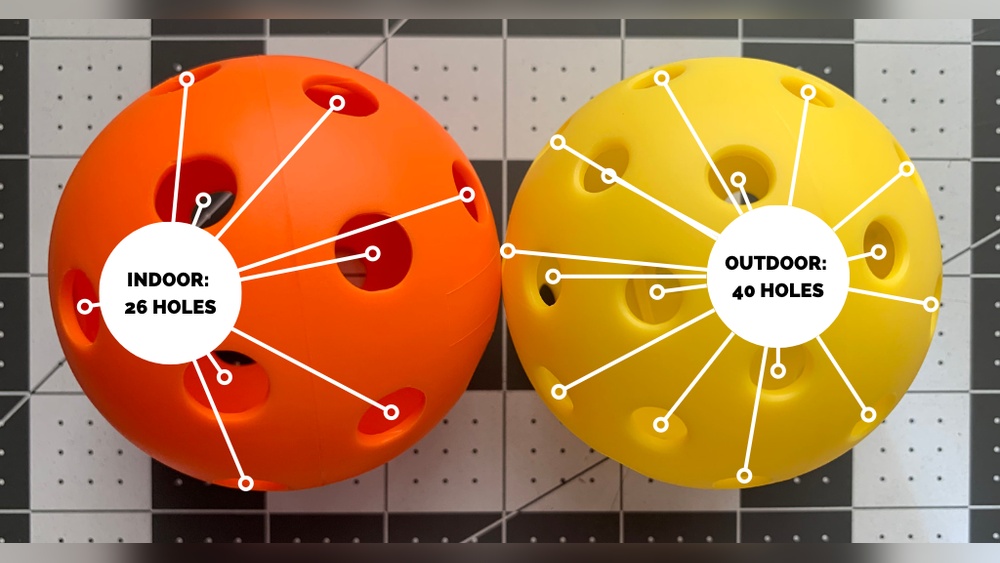
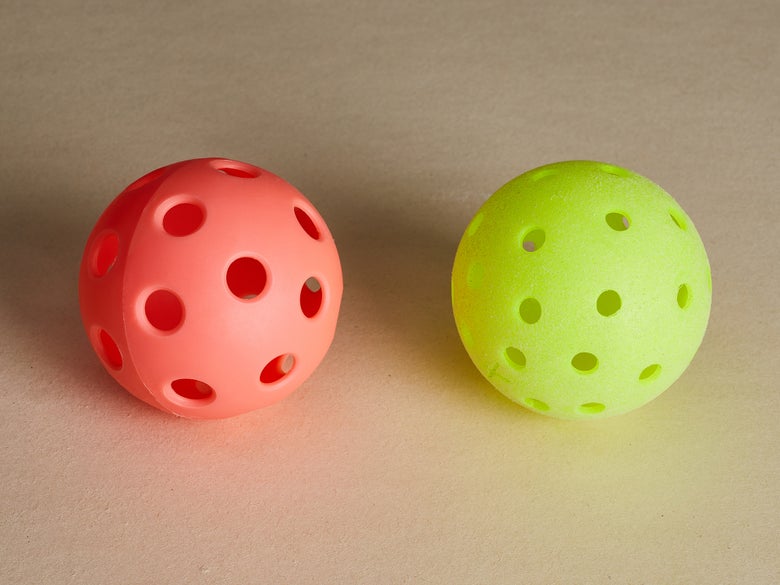
Indoor pickleballs are lighter and have larger holes. Usually, they have 26 round holes. They are designed for less wind resistance and slower play. The softer plastic means they don’t crack as easily, and they’re quieter—an important factor in gyms or community centers.
Outdoor Balls
Outdoor pickleballs are heavier and harder, with 40 smaller holes. This design helps them withstand wind and maintain a true flight outdoors. Outdoor balls move faster, bounce lower, and can crack or wear out faster, especially on rough surfaces.
Ball Comparison Table
To make it easier to understand, here’s a direct comparison:
| Feature | Indoor Ball | Outdoor Ball |
|---|---|---|
| Weight | Lighter | Heavier |
| Holes | 26 (larger) | 40 (smaller) |
| Durability | More durable indoors | Can crack outdoors |
| Speed | Slower | Faster |
Non-obvious Insights
Many beginners don’t realize that using the wrong ball can dramatically change the game. For example, an indoor ball used outside will be blown off course by the wind, while an outdoor ball used inside can be too fast and noisy. Also, outdoor balls tend to split rather than gradually wear out, so always bring spares for outdoor play.
Paddles And Gear
While most pickleball paddles can be used both indoors and outdoors, there are subtle differences in gear preferences.
Paddle Choices
- Outdoor play often requires paddles with a textured face to add spin, helping control the faster, harder outdoor balls.
- Indoor paddles may favor softer materials or designs that give more touch and control, since the ball moves slower and rallies last longer.
Clothing And Shoes
- Indoors: Flat-soled court shoes are best. Dress in layers, as some gyms can be cold or warm.
- Outdoors: Choose shoes with good grip for rougher surfaces. Dress for the weather, using hats, sunglasses, and sunscreen if necessary.
Extra Gear
For outdoor players, carrying a water bottle, sweat towel, and maybe a hat or sunglasses is essential. Indoor players might bring a sweatband for your wrist or head, since gym air can feel stuffy.
Game Speed And Style
The pace and style of play can change a lot depending on where you play.
Indoor Play
Rallies tend to be longer indoors. The ball’s slower speed and predictable bounce mean players have more time to react. Dinking—soft shots close to the net—becomes more important, and players rely on strategy and patience. The lack of wind means you can focus on accuracy and technique.
Outdoor Play
Outdoors, the game is faster. The ball moves quickly, bounces lower, and the wind or sun can force errors. Power shots and quick reactions are more common. Players must adapt to sudden gusts or sunlight in their eyes, making consistency harder to achieve.
Strategy Differences
- Indoors: Focus on placement, soft shots, and controlled rallies.
- Outdoors: Be ready for fast balls, adjust your serve and returns for wind, and use topspin to keep the ball in play.
Weather And Environmental Factors
Weather is the biggest wildcard in outdoor pickleball. Even experienced players can struggle to adjust to changing conditions.
Wind
Wind can help or hurt you. It can push balls out, make serves unpredictable, or slow down lobs. Skilled outdoor players learn to “play the wind,” using it to their advantage and adjusting shot angles.
Sun
The sun can be a challenge, especially during early morning or late afternoon matches. It can blind you when serving or returning, so sunglasses and hats are common. Some players switch sides more often to keep the sun at their back.
Temperature
Cold weather can make the ball harder and less bouncy. Hot weather can soften balls and tire players faster. Hydration is more important outdoors, and heatstroke is a real risk during summer.
Rain
While indoor players keep playing, rain stops outdoor matches. Wet courts are unsafe and can damage balls and shoes. After a shower, courts may stay slippery for hours.
Indoor Climate
Indoor air can be dry, especially in heated gyms during winter. This can affect grip on the paddle and make you sweat more or less, depending on the facility.

Credit: mypickleballgear.com
Noise And Community
Pickleball is a social sport, and the atmosphere changes depending on where you play.
Indoor Noise
Gyms are often echoey. The sound of balls hitting paddles and players’ voices can be loud, especially with many courts close together. Some facilities use sound-dampening panels, but noise is almost always higher indoors.
Outdoor Ambience
Outdoors, the noise spreads out. The sounds of nature—birds, wind, traffic—mix with the game, creating a more relaxed vibe. Players can spread out more, and there’s less echo.
Community Feel
- Indoors: Clubs and rec centers often have organized leagues, open play sessions, and a consistent group of players. It’s easy to meet people and make friends.
- Outdoors: Public courts attract a wide mix of skill levels and ages. Drop-in play is common, but weather can limit regular attendance.
Health And Safety Considerations
Both indoor and outdoor pickleball are generally safe, but each has unique risks and benefits.
Indoor Safety
- Fewer tripping hazards (no leaves, cracks, or debris)
- Consistent surface reduces risk of ankle twists
- Some players find artificial lighting can cause eye strain
Outdoor Safety
- Sunburn, dehydration, and heat exhaustion are risks on hot days
- Cold weather can make muscles tight and increase injury risk
- Surfaces can be slippery after rain, and cracks or debris may cause trips
Health Benefits
Both versions offer great cardio exercise, improved balance, and social interaction. Outdoor players get the bonus of fresh air and vitamin D from sunlight, but must protect against UV exposure.
Cost And Accessibility
Cost can be a deciding factor for many players.
Indoor Costs
Most indoor courts charge a fee for use, ranging from a few dollars per session to a monthly membership. You may need to reserve your spot in advance, especially during busy times. Some facilities provide balls and paddles, while others require you to bring your own.
Outdoor Costs
Outdoor courts are often free, especially in public parks. However, you may need to bring all your own gear. Finding a free court during peak hours can be a challenge, and maintenance may vary by location.
Accessibility
- Urban areas may have more indoor facilities, especially in colder climates.
- Suburbs and warm climates tend to have more outdoor courts.
A quick look at typical costs:
| Type | Typical Cost | Availability |
|---|---|---|
| Indoor Court | $5-$15 per session or monthly fee | Urban/recreation centers |
| Outdoor Court | Usually free | Parks, suburbs |
Tournament And Competitive Play
As pickleball grows, so does the number of tournaments—held both indoors and outdoors.
Indoor Tournaments
- More common in colder regions or during winter
- Consistent conditions make it easier to compare skill
- Often held in gyms or sports complexes
Outdoor Tournaments
- Held during warmer months or in mild climates
- Weather can affect outcomes, adding unpredictability
- Some major championships (like the US Open Pickleball Championships) are outdoors
Transitioning Between The Two
Top players often practice both versions to stay competitive. If you plan to play tournaments, learning to adapt your game for both environments is a valuable skill.
Credit: www.pickleballwarehouse.com
Learning Curve And Skill Development
For beginners, indoor courts may feel less intimidating. The slower pace gives you more time to react, and the even lighting and surface help you focus on technique.
Outdoor play introduces more variables. Learning to adjust for wind, sun, and unpredictable bounces can be frustrating at first. However, outdoor play can make you a more adaptable, versatile player. Many coaches recommend practicing both to become well-rounded.
Common Mistakes When Switching Between Indoor And Outdoor Pickleball
- Using the wrong ball: Switching environments but not the ball leads to poor control and unexpected errors.
- Ignoring the weather: Outdoor players must check conditions before heading out. Wind or rain can ruin a game.
- Wearing the wrong shoes: Shoes with good grip are vital outdoors; indoor court shoes may slip on rough outdoor surfaces.
- Not adjusting strategy: Playing indoor-style soft shots outdoors often fails due to wind and faster balls.
- Underestimating hydration: Outdoor play, especially in summer, demands more attention to water intake.
Which Is Best For You?
There’s no single answer—indoor vs outdoor pickleball comes down to your location, preferences, and goals.
- Choose indoor if you want consistent conditions, live in a cold or rainy area, or value organized play.
- Go outdoor if you love fresh air, want free access, or like the extra challenge of sun and wind.
If you can, try both! Many players find that mixing indoor and outdoor play keeps the sport fresh and helps them develop a broader skill set.
Tips For Adapting Your Game
- Practice with both types of balls and on both surfaces
- Adjust your grip and swing for windier conditions outdoors
- Wear sunglasses and a hat for sun protection outside
- Bring layers or a sweat towel for indoor comfort
- Watch experienced players and ask for advice on adjusting your game
Non-obvious Insights For Serious Improvement
Most beginners focus on basic skills and equipment, but two deeper points can make a big difference:
- Learn to read the wind: Outdoors, don’t just react to the wind—plan for it. Serve and return with the wind at your back, and practice dinks into the wind to build touch.
- Adapt your footwork: On rough outdoor courts, use shorter steps and stay lower to the ground. Indoors, take advantage of consistent traction to move more freely.
Resources For Further Learning
If you want to go deeper, the USA Pickleball Association offers extensive guides and rulebooks for both indoor and outdoor play. Check out their official site for more details: USA Pickleball.
Frequently Asked Questions
What Are The Main Rule Differences Between Indoor And Outdoor Pickleball?
There are no major rule changes between indoor and outdoor pickleball. The scoring, court size, and gameplay rules remain the same. However, some tournaments may have house rules for things like lighting or surface-related issues.
Can I Use The Same Paddle For Both Indoor And Outdoor Pickleball?
Yes, most paddles work in both settings. Some players prefer paddles with more grip or texture outdoors to help control the faster ball, but it’s not required. The biggest equipment difference is the ball, not the paddle.
Is Indoor Pickleball Easier For Beginners?
Many beginners find indoor pickleball less challenging because the environment is controlled. No wind or sun means you can focus on learning the basics. The slower, softer ball also gives you more time to react.
How Do I Find Indoor Or Outdoor Pickleball Courts Near Me?
You can use websites like USA Pickleball’s Places2Play map, ask at local community centers, or search online for local clubs and groups. Many cities now have dedicated pickleball courts, both indoors and outdoors.
Which Type Is Better For Competitive Players?
Competitive players benefit from practicing both. Indoor courts offer consistency, which helps at high-level tournaments. Outdoor play builds adaptability, as you learn to handle wind, sun, and changing conditions.
Pickleball, whether played indoors or outdoors, is rewarding, social, and fun. The best way to know what suits you is to grab a paddle and try both. Enjoy the game, and see where your journey takes you!