
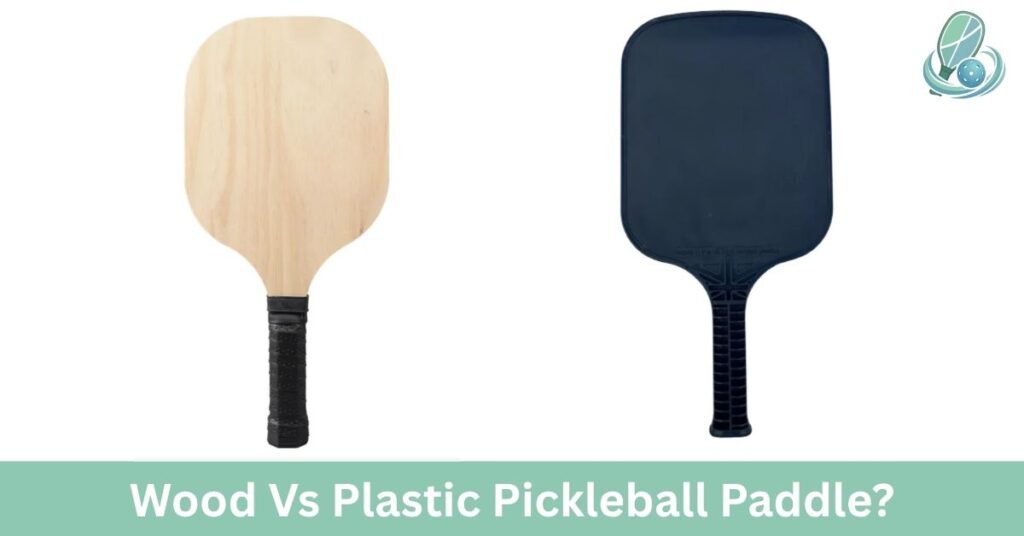
Pickleball is a fast-growing sport, loved by people of all ages. Whether you play for fun or compete seriously, choosing the right paddle is one of the most important decisions you will make. The paddle affects your comfort, your control, and even your enjoyment of the game. Among the many options, wood and plastic pickleball paddles stand out as two of the most common types, especially for beginners. But which one is right for you? This article will break down the details, compare performance, cost, and durability, and help you make a confident decision. Let’s dive into the real differences between wood and plastic pickleball paddles.
What Makes A Pickleball Paddle?
Before you compare wood and plastic, it helps to understand the basics of paddle construction. A pickleball paddle is made from a solid face and a handle. The face is what hits the ball, and the handle is where you hold it.
The materials used affect weight, strength, grip, and how the ball bounces off the paddle.
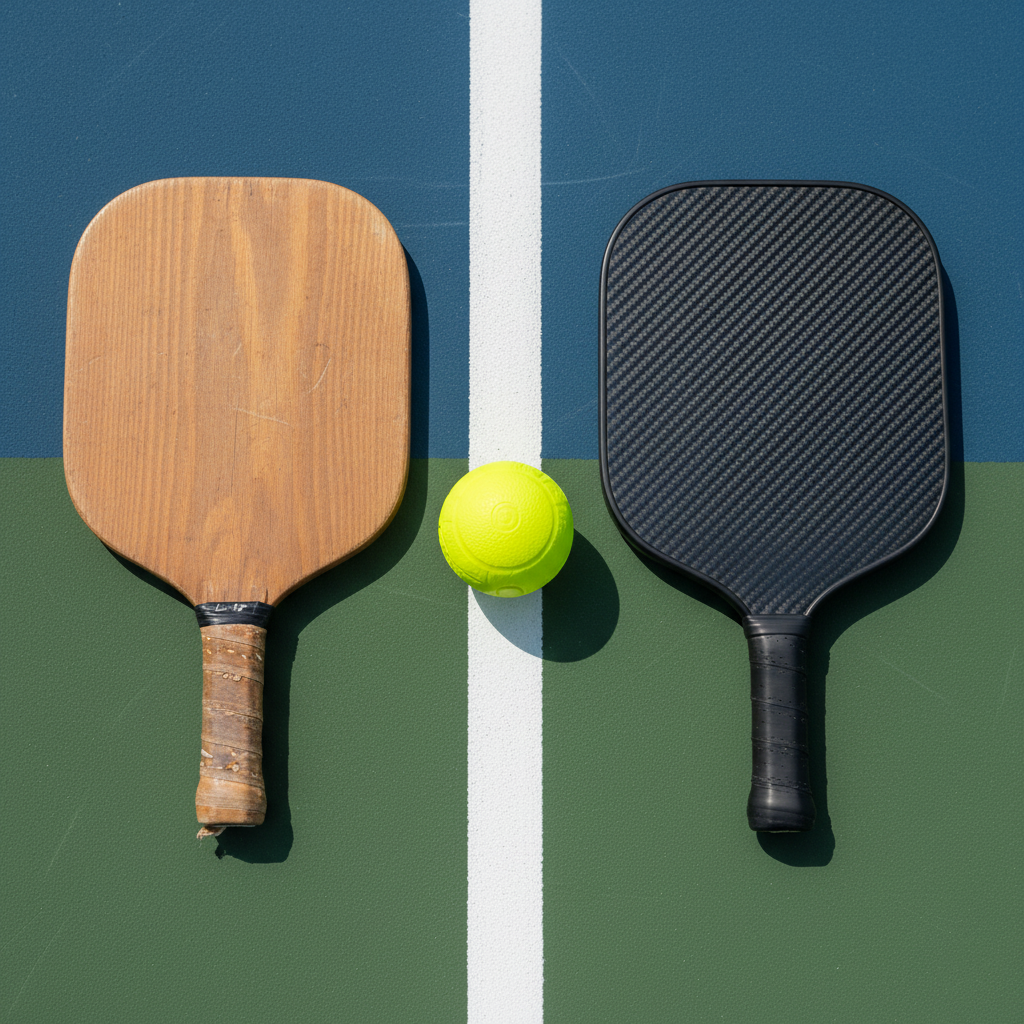
Wood paddles are typically made from layers of hardwood or plywood, sometimes with a basic grip. They are solid, heavy, and affordable.
Plastic paddles—often called polymer or composite paddles—use modern plastics, sometimes with a honeycomb core and a smooth or textured face. These paddles are lighter, and come in many shapes and designs.
Both types are legal for play, but each has strengths and weaknesses. Understanding these will help you choose what fits your needs, playing style, and budget.
Wood Pickleball Paddles: Features And Benefits
Wood paddles are the original choice for pickleball. They have a long history and are still widely used, especially in schools, community centers, and for casual games.
Durability
One of the biggest strengths of wood paddles is their toughness. They can handle rough play, drops, and hard hits without breaking easily. This makes them a favorite for group settings, where equipment gets a lot of use.
Cost
Wood paddles are almost always the least expensive option. You can often find a basic wood paddle for $10–$20, making it a good choice for beginners or anyone on a budget. Clubs and schools often buy them in bulk for this reason.
Weight
Most wood paddles are heavier than plastic or composite paddles. They usually weigh between 9 and 12 ounces. The extra weight can help generate more power, but it also means your arm gets tired faster, especially in long games.
Feel And Performance
Wood paddles have a solid, “old-school” feel. Some players like the sturdy feedback when the ball hits the face. However, wood absorbs less vibration, so you feel more shock in your hand. This can cause discomfort over time, especially for people with joint pain or arthritis.
Grip
Many basic wood paddles come with a simple, thin grip. Some have no real cushioning. Advanced models may add a padded grip, but this increases the price slightly.
Common Uses
- Beginner lessons
- School and recreation programs
- Backyard and family play
Hidden Downsides
- Limited control: The heavy weight makes it harder to react quickly or add spin to the ball.
- Noise: Wood paddles create a loud “pop” sound, which can be distracting, especially in indoor settings.

Credit: www.paddletek.com
Plastic (polymer/composite) Pickleball Paddles: Features And Benefits
Plastic paddles, often called composite paddles, use modern materials and design. They are popular among players who want a lighter, more responsive paddle.
Materials And Construction
Plastic paddles are rarely made from pure plastic. Most use a polymer core (plastic honeycomb) sandwiched between thin layers of fiberglass or carbon fiber. This gives the paddle strength, lightness, and a good balance of power and control.
Weight
Plastic paddles are lighter than wood, usually between 6 and 9 ounces. This makes them easier to swing quickly, reduces arm fatigue, and helps with fast reactions at the net.
Performance
Composite paddles provide more control and touch. You can aim your shots better, add spin, and play with more finesse. The surface is often textured, which helps grip the ball.
Shock Absorption
Plastic paddles absorb more vibration, making them gentler on your hand and arm. This is a big advantage for people who play often or who have injuries.
Design Variety
You’ll find many shapes, colors, and grip sizes. Some paddles have a wider face for beginners, others are longer for advanced players. You can choose what fits your hand and style.
Cost
Plastic paddles cost more than wood, but prices vary. Entry-level paddles start around $30–$40, while advanced models go up to $150 or more.
Durability
Plastic paddles are tough, but not indestructible. The face can chip or scratch, and the core may break after heavy use. Still, with normal care, they last for years.
Common Uses
- Recreational and club play
- Beginner to advanced players
- Players with arm or wrist concerns
Two Hidden Insights
- Spin potential: Textured plastic paddles allow for more spin, which is harder to achieve with wood.
- Noise control: Many composite paddles are designed to be quieter, which is important for some communities.
Direct Comparison: Wood Vs Plastic Pickleball Paddles
To make things clear, let’s compare the two paddle types across important factors.
| Feature | Wood Paddles | Plastic Paddles |
|---|---|---|
| Weight | Heavier (9-12 oz) | Lighter (6-9 oz) |
| Price | Cheapest ($10–$20) | Moderate to expensive ($30–$150) |
| Durability | Very durable | Durable, but can chip or crack |
| Performance | Basic, less control | Better control and spin |
| Vibration | More shock | Less shock |
| Design Options | Limited shapes and sizes | Many options and colors |
| Noise Level | Louder | Quieter |
| Best For | Beginners, groups | All levels, personal use |
Credit: www.lumopickleball.com
Who Should Use A Wood Pickleball Paddle?
Wood paddles are not just for beginners, but they are best for certain situations.
When Wood Makes Sense
- First-time players: If you are new to pickleball and want to try the sport, a wood paddle is a cheap, low-risk way to start.
- Schools and camps: When many people will share equipment, wood’s durability and price are unbeatable.
- Backyard games: For casual play with friends and family, the small investment in wood paddles makes sense.
- Travel and outdoor use: If you want a paddle to keep in your car or take to the park, wood paddles can handle rough use and weather.
When To Avoid Wood
- If you plan to play often or compete, wood’s weight can slow you down.
- If you have hand, wrist, or elbow pain, the shock from wood paddles can make things worse.
- If you want to develop advanced skills like spin and touch, wood will hold you back.
Who Should Use A Plastic (composite) Pickleball Paddle?
Plastic paddles are the choice for most players who want to improve their game or play regularly.
When Plastic Makes Sense
- Regular players: If you play once a week or more, a lighter paddle saves your arm and improves your performance.
- Kids and seniors: The light weight and better grip make plastic paddles easier for all ages.
- Players with pain: If you have tennis elbow or arthritis, plastic paddles reduce vibration and risk of injury.
- Skill building: Plastic paddles help you develop touch, spin, and strategy.
When To Avoid Plastic
- If you need to buy many paddles for a group and price is the main concern, plastic may be too expensive.
- If you play in very rough conditions or expect paddles to get lost or broken often, cheaper wood may be better.
The Role Of Paddle Weight In Play
Paddle weight is one of the most important factors that new players often ignore. The difference between a 9-ounce wood paddle and a 7-ounce plastic paddle may sound small, but it changes how you play.
- Heavy paddles (like wood) give more power but tire your arm faster.
- Lighter paddles (like most plastic) are faster and easier to control.
If you have never played before, try both types. See which feels better after 15-20 minutes of play. Many players are surprised how quickly a heavy paddle becomes uncomfortable.
How Grip And Handle Shape Affect Your Game
Another detail that beginners miss is the importance of grip size and handle shape. Wood paddles often have a simple, thin handle. This can cause blisters or make it hard to hold the paddle firmly. Plastic paddles come in different grip sizes, often with cushioned or sweat-absorbing material.
A grip that is too small or too large makes you squeeze harder, which leads to fatigue and even injury. Try to find a paddle with a grip that fits your hand comfortably. If you only have a wood paddle, you can add an overgrip (like for tennis racquets) for better comfort.
Durability And Maintenance: What To Expect
Durability is not just about how long a paddle lasts, but how well it keeps performing over time.
Wood Paddles
- Handle rough use and drops well.
- Survive rain and outdoor weather better.
- Can splinter or crack if abused, but often last for years.
Plastic Paddles
- Resist chips and dents, but the face can scratch.
- May crack if hit very hard on the edge or dropped on concrete.
- Avoid leaving in hot cars or direct sun for long periods, as plastic can warp.
To keep any paddle in good shape, store it indoors, clean it with a damp cloth, and avoid hitting it on hard surfaces.
Cost Vs Value: Are Expensive Paddles Worth It?
It’s easy to think that more expensive means better. But in pickleball, value is about matching your paddle to your needs.
- Wood paddles offer unbeatable value for beginners and groups.
- Plastic paddles are worth the price if you play regularly or want to improve your game.
A $30–$50 plastic paddle is enough for most people. Only advanced or competitive players need to spend over $100.
Advanced Play: Can You Compete With Wood Or Plastic?
Most tournaments and clubs allow both types of paddles, as long as they meet official size and surface rules. However, almost all competitive players use plastic (composite) or graphite paddles for better control and less fatigue.
In serious play, the lighter weight, better grip, and improved spin potential of plastic paddles give a clear advantage. Wood paddles are rare in tournaments, but are sometimes used in “retro” or fun events.
Environmental Impact: Which Paddle Is Greener?
You might wonder about the environmental effect of your paddle choice.
- Wood paddles are made from natural materials, but most use plywood or hardwood from trees. If sourced responsibly, wood is renewable.
- Plastic paddles use synthetic materials that require energy and chemicals to produce. However, they last longer for most players, which can balance out their impact over time.
Some brands now offer eco-friendly paddles or recycling programs. If this is important to you, check with the manufacturer before buying.
Sound And Community Rules
Some neighborhoods and clubs have rules about paddle noise. Wood paddles are louder, which can be a problem for nearby homes. Many plastic paddles are made to reduce noise and are approved for “quiet play.” If you play in a community with sound rules, check the paddle’s noise rating before buying.
Real-world Examples And User Experiences
Let’s look at a few real-life scenarios:
- Sarah, a new player: Sarah tried a wood paddle at her first lesson. She liked the price but noticed her arm got tired quickly. After switching to a plastic paddle, she could play longer and felt more in control.
- Local school program: The school bought 30 wood paddles for gym class. They lasted all year, even with rough use, and cost less than five plastic paddles.
- Seniors club: The club switched from wood to plastic paddles. Members with arthritis found the game less painful, and more people joined regular games.
These stories show that the right paddle depends on your situation, not just the material.
How To Choose: Key Steps
If you are ready to choose, follow these steps:
- Decide your budget. If you can spend $30 or more, look at plastic paddles first.
- Think about how often you will play. If it’s just once in a while, wood may be enough.
- Try before you buy. Ask friends or clubs to let you try both types.
- Check the weight. Make sure it feels comfortable after a few games.
- Look at the grip. It should fit your hand and feel secure.
- Consider noise and rules. If you play in a community, quieter plastic paddles may be required.
- Buy from a trusted brand. This ensures quality and support.
Common Mistakes When Choosing A Paddle
Even experienced players sometimes make mistakes. Watch out for these:
- Buying the cheapest paddle without thinking about comfort or long-term use.
- Ignoring grip size, leading to hand pain.
- Choosing a paddle that is too heavy, causing early fatigue.
- Not checking community rules about paddle noise.
- Overpaying for features you don’t need.
If you can avoid these, you’ll be much happier with your paddle for years.
Credit: www.walmart.com
The Future Of Paddle Technology
Pickleball paddles keep evolving. New plastics and hybrid materials are making paddles even lighter, stronger, and more comfortable. Some companies are testing recycled plastics or bamboo cores for better environmental impact. As the sport grows, expect even more choices and innovations.
Sample Data: Comparing Popular Models
To help you see real differences, here’s a quick look at three typical paddles.
| Model | Material | Weight | Price | Best For |
|---|---|---|---|---|
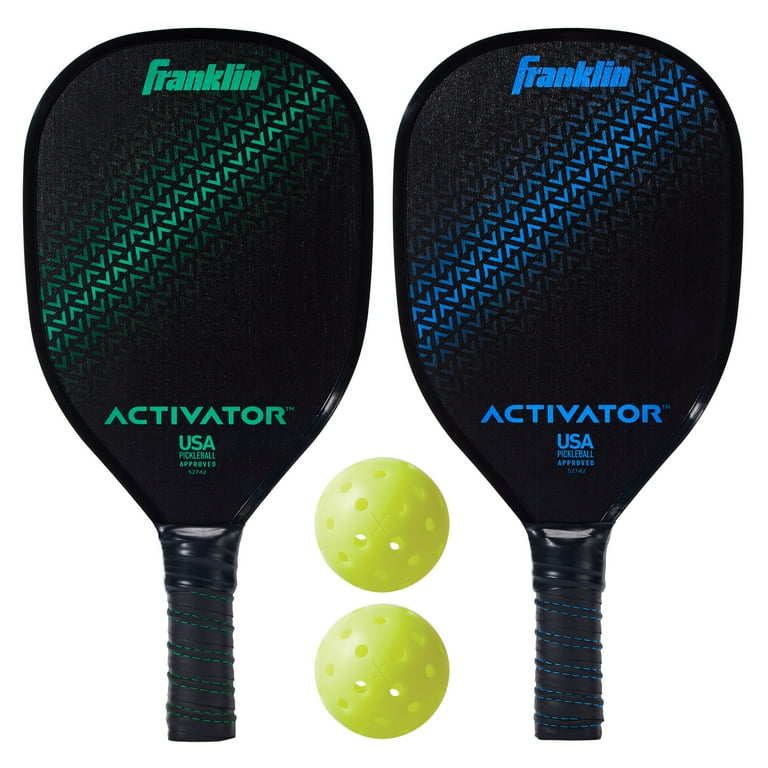
| Franklin Activator | Wood | 10 oz | $14 | Beginners, group play |
| Selkirk Neo | Plastic/Polymer | 7.8 oz | $40 | Recreational players |
| Paddletek Tempest Wave | Plastic/Graphite | 7.6 oz | $130 | Advanced players |
Which Paddle Should You Choose?
In the end, both wood and plastic paddles have their place in pickleball. If you are just starting, want to keep costs low, or need a paddle for group use, wood is a solid choice. If you care about performance, comfort, or play often, plastic (composite) is the better investment.
Remember, no paddle is perfect for everyone. The best paddle is the one that feels good in your hand, matches your budget, and lets you enjoy the game. Try different options if you can, and don’t be afraid to upgrade as your skills grow.
For more on paddle materials and the science behind them, the Pickleball Wikipedia page is a useful resource.
Frequently Asked Questions
What Is The Main Difference Between Wood And Plastic Pickleball Paddles?
The main difference is the material and weight. Wood paddles are heavier and cheaper, while plastic paddles are lighter, more comfortable, and offer better control.
Can I Use A Wood Paddle In Official Tournaments?
Yes, as long as it meets official size and surface rules. However, most competitive players prefer plastic or composite paddles for better performance.
Are Plastic Paddles Worth The Higher Price?
For regular players, yes. Plastic paddles last longer, reduce arm fatigue, and help you improve your skills. For casual play, wood is usually enough.
Which Paddle Is Better For Beginners?
Both are good for beginners, but many start with wood because of the low price. If you want a more comfortable experience and plan to play often, start with a plastic paddle.
How Do I Know What Paddle Weight Is Right For Me?
Try paddles of different weights if possible. If your arm feels tired or sore quickly, the paddle may be too heavy. Most adults do well with a paddle weighing 7–8 ounces.
Pickleball is about having fun and staying active. The right paddle helps you enjoy every game, whether you choose wood or plastic.