
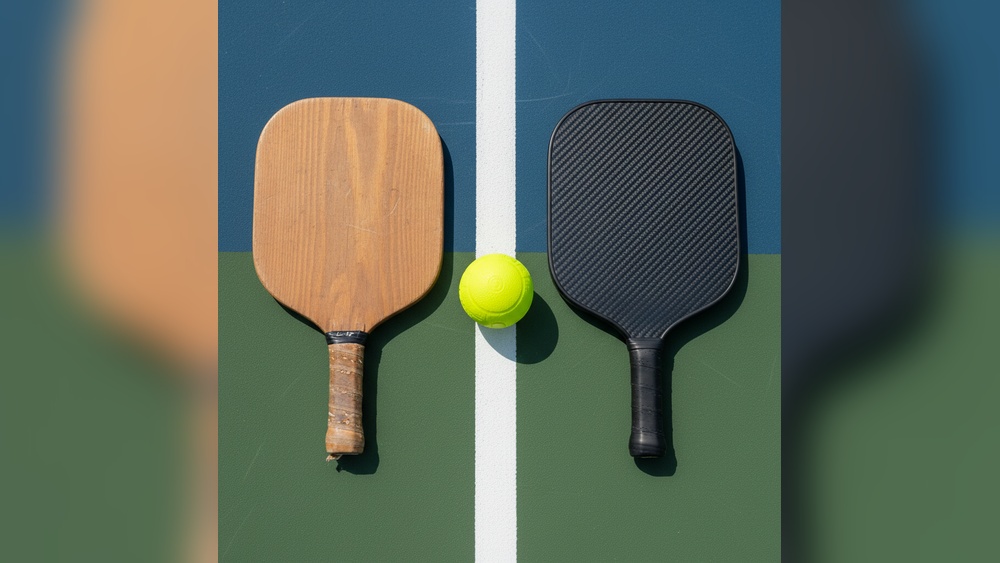
Pickleball is one of the fastest-growing sports in the world. Whether you are new to the game or have been playing for years, your paddle makes a big difference. Two of the most common types are wood pickleball paddles and composite pickleball paddles. Choosing between them can be confusing, especially if you are not sure what matters most for your style, skill level, and budget. Let’s break down the differences, advantages, disadvantages, and practical tips so you can choose the right paddle for your game.
What Is A Wood Pickleball Paddle?
Wood paddles are the oldest and most basic type of pickleball paddle. They are usually made from layers of plywood, glued together and cut into shape. Some newer models use hardwood, but most are a mix of different woods for strength and cost savings.
A wooden paddle is easy to spot: it looks solid, often with a simple design, and sometimes has a black edge guard. Early paddles were just sanded wood, but now many have a painted surface or small grip tape on the handle.
Wood paddles are heavier than other types. Their weight can range from 9 to 12 ounces, with some older models even heavier. This extra weight means more power, but less control and more strain on your wrist and arm.
What Is A Composite Pickleball Paddle?
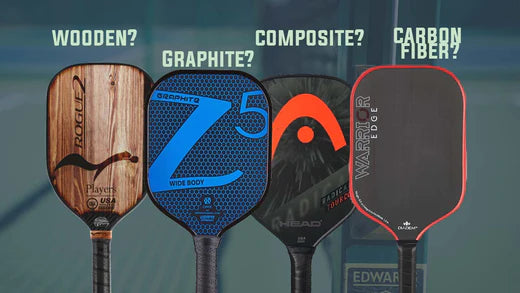
A composite paddle is made from several materials. The core is often polymer, aluminum, or Nomex honeycomb. The surface is usually fiberglass, carbon fiber, or graphite. These materials are lighter and more advanced than wood.
Composite paddles use modern technology to improve power, control, and comfort. Their weight is usually between 6 and 9 ounces, making them much lighter than wood paddles. This allows for faster swings, better touch, and less fatigue during long games.
Manufacturers also add features like textured surfaces for more spin, cushioned grips, and custom shapes. Composite paddles are popular with players who want to improve their game or play competitively.
Key Differences Between Wood And Composite Pickleball Paddles
Choosing a paddle is about more than just the look or price. You need to think about weight, feel, durability, and cost. Below is a quick side-by-side look at the main differences:
| Feature | Wood Paddle | Composite Paddle |
|---|---|---|
| Weight | 9-12 oz (heavier) | 6-9 oz (lighter) |
| Power | High (due to weight) | Medium-High (depends on material) |
| Control | Less control | High control, more spin |
| Durability | Very durable | Durable, but edges can chip |
| Price | Lowest ($10-$30) | Moderate to high ($40-$200+) |
| Noise | Very loud | Quieter (especially polymer core) |
| Comfort | Basic grip, can cause strain | Cushioned grip, less fatigue |
| Spin | Very little spin | Can generate spin |
Pros And Cons Of Wood Pickleball Paddles
Wood paddles have been around since the start of pickleball, and they still have a place in the sport. Here’s what you need to know:
Advantages Of Wood Paddles
1. Low Cost
Wood paddles are the cheapest option. You can buy a basic wood paddle for as little as $10. This makes them perfect for beginners, schools, or community centers that need many paddles on a tight budget.
2. High Durability
Wood is tough. These paddles can take a lot of abuse without breaking. They are a good choice for outdoor play, or for kids and new players who might drop or bang the paddle.
3. Simple Maintenance
Wood paddles do not need special care. Wipe them clean and they are ready to use again.
Disadvantages Of Wood Paddles
1. Heavy Weight
Most beginners notice the weight first. Heavy paddles can cause wrist and elbow pain, especially in long matches. Fast swings and quick reactions are harder.
2. Limited Control And Spin
Wood paddles have a smooth surface and thick core. This means less control for soft shots, dinks, or putting spin on the ball.
3. Basic Grip And Comfort
The grip is usually simple tape or rubber, not very comfortable for long play. Sweaty hands can slip.
4. Loud Sound
The ball makes a loud “pop” when it hits wood. Some players find this distracting, and many private communities now have noise rules.
Pros And Cons Of Composite Pickleball Paddles
Composite paddles are the modern, high-tech option. They are used by most advanced players and in all official tournaments. Let’s look at their main strengths and weaknesses.
Advantages Of Composite Paddles
1. Light Weight
Composite paddles are much lighter. This makes quick swings, net play, and long games easier on your arm and shoulder.
2. Excellent Control And Feel
The core and surface materials allow for more touch. You can hit soft drop shots, dinks, and generate spin with ease.
3. Customizable Features
Many paddles come in different shapes, sizes, grip thickness, and surface textures. You can find a paddle that matches your hand size and playing style.
4. Reduced Vibration And Noise
Polymer core paddles especially are much quieter and have less vibration. This means less strain on your arm and better comfort.
5. Approved For Tournament Play
Only composite or graphite paddles are allowed in most tournaments, according to USA Pickleball rules.
Disadvantages Of Composite Paddles
1. Higher Price
Good composite paddles start around $40 and go up to $200 or more. This is a big jump from wood.
2. Edge Chipping
The edges, especially on fiberglass models, can chip if you hit the ground or fence.
3. Some Durability Issues
Over time, the surface can wear down and lose grip, especially if you play outdoors in tough conditions.
4. Too Many Choices
The wide range of options can be confusing for new players. Picking the wrong shape or grip can affect your game.
Performance: Wood Vs Composite On The Court
To make the right decision, it helps to see how each paddle type performs in real play.
Power
Wood paddles are the power kings. Their weight means you can hit the ball hard, even with a slow swing. This is good for beginners who have not developed a strong swing yet. However, too much power can make it hard to keep the ball in.
Composite paddles use a mix of materials for a balanced feel. You get enough power, but more control to keep shots in bounds. Graphite-faced paddles have a crisp response, while fiberglass adds a little pop.
Control And Spin
Control is where composite paddles shine. The honeycomb core and textured surfaces give you more feedback and touch. You can aim your shots, slow the ball down, or add spin. Wood paddles are harder to control, especially for soft shots near the net.
Comfort And Fatigue
A lighter paddle means less arm fatigue. Composite paddles make long games more comfortable. Their cushioned grips and shock-absorbing cores also help players with wrist or elbow problems. Wood paddles can tire you out, and their basic grip may cause blisters in hot weather.
Noise
Many communities now have noise rules for pickleball. Wood paddles are the loudest. If you play in a noise-sensitive area, a composite paddle (especially polymer core) is much quieter.
Durability
Wood paddles are hard to break, but they can splinter if dropped on a hard surface. Composite paddles can last years if you avoid hitting the ground or fence. Edge guards help protect them, but some wear and tear is normal.

Credit: www.paddletek.com
Cost Comparison: What Do You Get For Your Money?
Let’s break down what you actually get at different price levels.
| Price Range | Wood Paddle Features | Composite Paddle Features |
|---|---|---|
| $10 – $20 | Basic plywood, thin grip, heavy, good for schools | Rare, usually low quality, small face |
| $20 – $40 | Some grip tape, painted face, slightly lighter | Entry-level polymer core, smaller sweet spot |
| $40 – $100 | Rare at this price | Good quality, fiberglass or graphite face, cushioned grip, tournament approved |
| $100 – $200+ | None | Pro-level, custom shapes, top materials, special surface for spin |
One insight many beginners miss: a $40 composite paddle often plays much better than any wood paddle, even though it costs more. You do not need to spend $200 for a good experience, but $10 paddles can hold you back as you improve.
Who Should Use A Wood Paddle?
Wood paddles are still useful in certain cases. They work best for:
- Absolute beginners who are just trying the game
- Kids or schools where paddles will take a lot of abuse
- Large groups where cost is more important than performance
- Recreational play where power is more important than control
If you are serious about improving, you will likely outgrow a wood paddle quickly. But for first-timers or those on a tight budget, they are a good start.
Who Should Use A Composite Paddle?
Composite paddles are best for:
- Players who want to improve their game and control
- Anyone with wrist, elbow, or shoulder issues
- People who play in tournaments or want a paddle approved by USA Pickleball
- Players who want to experiment with spin, power, or paddle shapes
- Those playing in noise-sensitive areas
If you care about performance, comfort, and long-term value, a composite paddle is the better choice.
Common Myths And Mistakes When Choosing A Paddle
Choosing a paddle is not always easy. Many new players make mistakes or believe myths:
Myth 1: “weight Equals Power, So Heavier Is Always Better.”
While a heavy paddle does give you more power, it also increases the risk of arm pain and slower reaction at the net. Most top players prefer a balanced paddle for both power and control.
Myth 2: “a More Expensive Paddle Makes You A Better Player.”
Price helps, but it’s not everything. The right weight, grip size, and surface are more important. Sometimes, a $60 paddle fits your style better than a $150 one.
Mistake: Not Considering Grip Size
Grip size matters for comfort and injury prevention. If the handle is too thick or too thin, you can develop blisters or tennis elbow. Always test grip size if possible before buying.
Myth 3: “wood Paddles Are Only For Kids.”
Wood paddles are great for kids, but adults can use them too for practice, power training, or backyard games. They are not just toys.
Mistake: Ignoring Noise Rules
Some places ban wood paddles due to their loud sound. Check your local rules before buying, especially if you live in a community with shared courts.
How To Choose Between Wood And Composite
If you are still unsure, ask yourself these questions:
- What is your budget? If you have $10–$20, go with wood. For $40+, composite is better.
- Do you plan to play often? If yes, invest in a composite paddle for comfort and progress.
- Do you have any wrist or arm problems? Choose a lighter, composite paddle.
- Will you play in tournaments? Only composite paddles are tournament-approved.
- Do you want to experiment with spin or advanced shots? You need a composite paddle with a textured surface.
If possible, try both types before buying. Most clubs or stores have demo paddles you can borrow.
Real-world Examples
Consider two players:
- Sarah is new to pickleball. She borrows a wood paddle at her first game and has fun, but her arm feels tired after 30 minutes. She tries a friend’s composite paddle and notices her shots are more accurate and her arm feels fine even after an hour. She decides to buy a mid-range composite paddle for $60.
- John is a PE teacher. He needs 20 paddles for his class and only has a $200 budget. He buys wood paddles because they are cheap, strong, and will survive rough use by kids.
These examples show that the “best” paddle depends on your needs, not just the specs.
How Paddle Choice Affects Your Game
Your paddle can shape the way you play. With a heavy wood paddle, you may find yourself hitting harder but making more mistakes at the net. You might struggle with soft shots or spin serves. Composite paddles, by contrast, help you learn touch, dinks, and placement—skills that make the game more fun and competitive.
One thing many players do not realize: switching from wood to composite can take time. The lighter weight and higher control require some adjustment. If you move up to composite, practice soft shots and control drills to get used to the new feel.
Environmental Impact
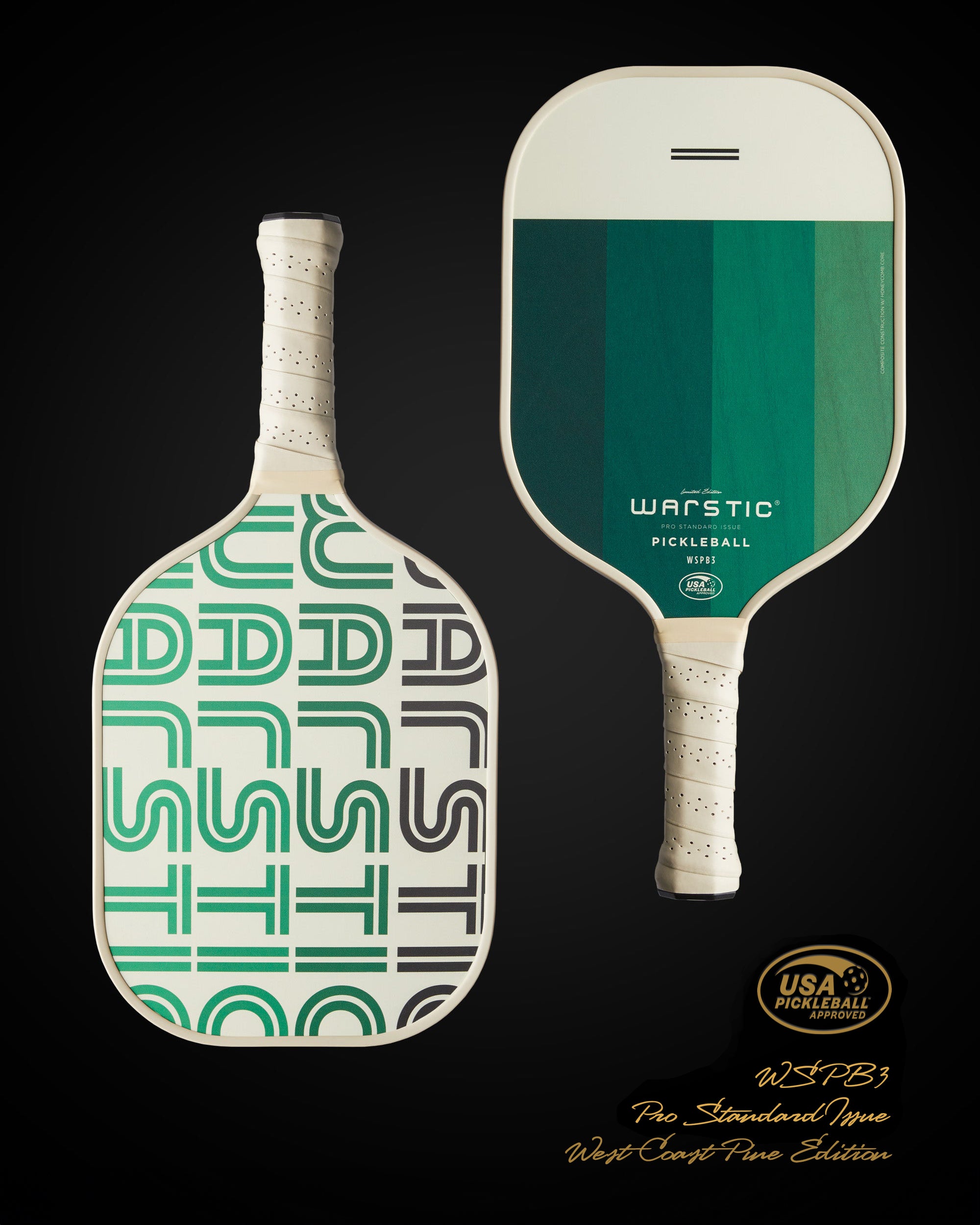
Another factor to consider is the environment. Wood paddles are made from trees, but they last a long time and do not use synthetic materials. Composite paddles, especially those with carbon fiber or plastics, are harder to recycle but can last for years if cared for.
Some brands now offer eco-friendly paddles made from recycled materials.
If you want to reduce waste, buy a quality paddle and take care of it. Avoid buying the cheapest model and throwing it away after a few games.
Credit: warstic.com
Tips For First-time Buyers
- Try before you buy. Most clubs or stores have demo paddles.
- Read reviews from real players, not just the brand’s website.
- Don’t focus only on color or design. Performance matters more.
- Check the warranty—better paddles usually have a 1-year warranty.
- Ask more experienced players for advice. They can share what worked (or didn’t) for them.
Popular Brands For Each Paddle Type
If you want a starting point, here are some well-known brands:
- Wood paddles: Amazin’ Aces, Rally Meister, Franklin Sports
- Composite paddles: Selkirk, Paddletek, Onix, Head, Engage
Most brands offer both beginner and advanced options.
Credit: kiwipickleball.com
Summary Table: Should You Choose Wood Or Composite?
Here’s a summary to help you decide at a glance:
| Your Priority | Best Paddle Type | Why |
|---|---|---|
| Lowest cost | Wood | Cheap, tough, easy to find |
| Comfort and control | Composite | Lighter, better grip, more spin |
| Power for beginners | Wood | Heavy, easy to hit hard |
| Tournament play | Composite | Meets rules, high performance |
| Noise-sensitive area | Composite | Quieter play |
| Large group or school | Wood | Durable, affordable for many |
Frequently Asked Questions
What Is The Main Difference Between Wood And Composite Pickleball Paddles?
The main difference is the material. Wood paddles are heavier, less expensive, and very durable, but offer less control and comfort. Composite paddles are lighter, more advanced, and give you better control, spin, and comfort, but cost more.
Can I Use A Wood Paddle In Tournaments?
Most tournaments only allow paddles approved by USA Pickleball, which are usually composite or graphite. Wood paddles are rarely approved for competitive play. Always check the rules before entering.
How Does Paddle Weight Affect My Game?
A heavier paddle (like wood) gives you more power but can cause arm fatigue and make quick shots harder. A lighter paddle (composite) offers better control, faster reactions, and less strain on your wrist and elbow.
Are Composite Paddles Worth The Higher Price?
For most players, yes. A composite paddle gives you more comfort, control, and options to develop your game. You do not need the most expensive one—a good mid-range paddle is a smart investment.
How Do I Know Which Grip Size Is Right For Me?
Measure from the tip of your ring finger to the middle crease of your palm. Most adults use a 4” to 4.5” grip. If unsure, choose a smaller grip—you can add overgrip tape if needed.
Pickleball is more fun when you have the right paddle for your needs. Take your time, try different options, and enjoy the learning process. For more on the official rules and paddle standards, visit the USA Pickleball Association.