
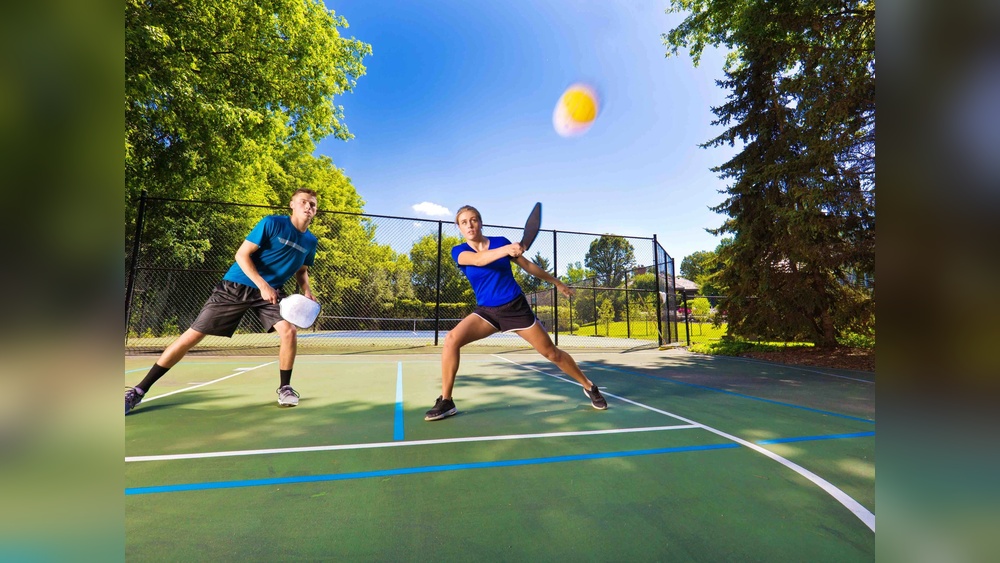
Have you ever heard the term “open play” in pickleball and wondered what it really means? If you’re looking to improve your game or just get more comfortable on the court, understanding open play can make a big difference.
It’s not just about hitting the ball—it’s about how you move, react, and connect with other players. Keep reading, and you’ll discover what open play means in pickleball and how it can help you enjoy the game more while boosting your skills.
This simple idea might just change the way you see pickleball forever.
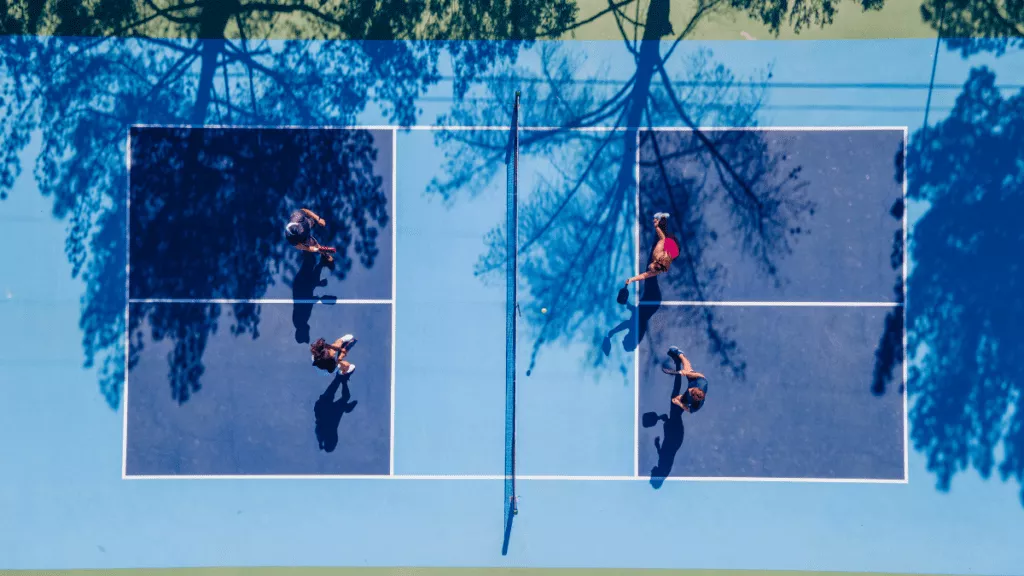
Credit: pickleland.com
Open Play Basics
Open play is a popular way to enjoy pickleball. It lets players practice and have fun without strict rules. Understanding the basics of open play helps beginners join easily. This section explains what open play means, its key features, and how it differs from other types of play.
Definition In Pickleball
Open play means casual pickleball games. Players join without forming fixed teams. Anyone can participate and rotate in matches. It is less formal than tournaments or leagues. The focus is on playing and improving skills freely.
Key Characteristics
Open play sessions are flexible and friendly. There are no official referees or strict rules. Players usually agree on simple rules before starting. Matches are shorter, and players switch often. It encourages social interaction and skill building.
Difference From Structured Play
Structured play follows set schedules and rules. It includes tournaments, leagues, or organized lessons. Teams or pairs are fixed, and scores matter. Open play has no pressure to win or compete. It is more relaxed and welcoming for all levels.

Credit: www.11pickles.com
Benefits Of Open Play
Open play in pickleball offers many benefits for players of all levels. It creates a space where everyone can join and enjoy the game freely. This style encourages growth, fun, and social connection. It also helps players improve without pressure.
Skill Development
Open play helps players practice different shots and strategies. It allows trying new moves in a relaxed setting. Players learn at their own pace and gain confidence. Mistakes become learning moments, not failures. This leads to steady skill improvement over time.
Social Interaction
Open play brings players together from different backgrounds. It creates chances to meet new people and make friends. Talking and playing with others builds a sense of community. Friendly matches keep the mood light and welcoming. This social aspect makes pickleball enjoyable beyond the court.
Flexibility And Fun
Open play offers flexible timing and player groups. Players can join anytime and leave without worry. The casual setting reduces stress and competition pressure. This freedom makes the game more fun and easy to enjoy. Players focus on playing and having a good time.
Open Play Strategies
Open play in pickleball means the game is active and both teams can move freely. Strategies help players stay ready and make smart choices. These ideas improve teamwork and increase chances to win points.
Positioning Tips
Stand near the center of your side. This spot lets you reach most shots quickly. Stay low and keep your knees bent. Move your feet often to stay balanced. Watch the ball and your opponents closely. Adjust your position to cover open spaces.
Shot Selection
Choose shots that make your opponents move. Use soft shots like dinks to slow the game. Try fast shots to surprise your rivals. Aim for corners or open areas on the court. Avoid hitting directly at your opponents. Mix different shots to keep them guessing.
Communication With Partners
Talk clearly and often with your partner. Use simple words to call shots or warn about the ball. Decide who takes which balls before they come. Encourage each other to stay focused and calm. Good communication helps avoid confusion and mistakes.
Common Mistakes In Open Play
Open play in pickleball means both players have freedom to move and choose shots. Many players make common mistakes that reduce their chances to win. These errors often come from poor positioning and lack of focus on the opponent. Avoiding these mistakes helps improve your play and control of the game.
Overcrowding The Court
Players often move too close to each other during open play. This limits space and makes it hard to react quickly. Crowding leads to confusion and missed shots. Keep proper distance to cover more court and stay ready for the ball.
Ignoring Opponent Movements
Many ignore where the opponent is moving. Watching their position helps predict shots. Not paying attention means you get caught off guard. Stay alert and follow your opponent’s moves to plan better returns.
Poor Shot Choices
Choosing the wrong shot wastes chances to score. Some players hit too hard or too soft without thinking. Pick shots based on the opponent’s position and your strength. Smart shot choices create openings and force mistakes from your rival.
Open Play Etiquette
Open play in pickleball offers a fun and social way to enjoy the sport. Good etiquette keeps the experience pleasant for everyone. Understanding basic rules helps players join in smoothly. Respect, fairness, and clear communication make open play enjoyable.
Respecting Other Players
Respect means being polite and friendly to others. Wait for your turn patiently without rushing the game. Listen carefully to what others say during play. Avoid loud or distracting behavior on the court. Help new players by offering tips kindly. Respect creates a positive and welcoming space.
Rotation Methods
Rotation keeps the games fair and gives everyone a chance. After each game, winners often stay while losers rotate out. Another way is to rotate players after a set time. Some courts use a line or sign-up sheet to track turns. Clear rotation rules prevent confusion and long waits. This system helps more people play and have fun.
Handling Disputes
Disputes can happen when players disagree on a call. Stay calm and listen carefully to each other. Use simple words to explain your view. If no agreement happens, replay the point or let the referee decide. Avoid arguing or blaming others. Good sportsmanship keeps the game friendly and fair.

Credit: www.selkirk.com
Finding Open Play Opportunities
Finding open play opportunities is key to improving your pickleball skills. Open play means casual games where anyone can join. These sessions help players of all levels practice and meet others. Many places offer open play times, making it easy to find a match.
Local Clubs And Centers
Local clubs and recreation centers often host open play sessions. These spots have courts available for drop-in games. You can join games without signing up for leagues. Staff usually post schedules on bulletin boards or websites. Visiting these places can connect you with regular players.
Community Events
Community events sometimes include open play pickleball. Parks and community centers organize fun days and tournaments. These events welcome new and casual players. They offer a relaxed environment to enjoy the sport. Attending local events helps you find friendly players nearby.
Online Platforms
Online platforms make finding open play easy and fast. Websites and apps list local open play sessions and groups. You can see times, locations, and skill levels. Some platforms allow you to join chats and meet players. Using these tools saves time and expands your options.
Frequently Asked Questions
What Does Open Play Mean In Pickleball?
Open play in pickleball refers to casual, unsupervised games where players freely join and play. It is less competitive and focuses on fun, skill practice, and social interaction.
How Is Open Play Different From Organized Pickleball?
Open play allows spontaneous matches without fixed teams or schedules. Organized pickleball involves structured games, tournaments, or leagues with set rules and timings.
Can Beginners Join Open Play Sessions In Pickleball?
Yes, beginners are welcome in open play. It offers a low-pressure environment to learn, practice skills, and gain confidence while playing with others.
What Equipment Is Needed For Pickleball Open Play?
Basic equipment includes a paddle, pickleball balls, and proper footwear. Most open play locations provide courts, but players often bring their own gear.
Conclusion
Open play in pickleball means players can move freely on the court. It allows more chances to hit the ball and score points. Understanding open play helps you enjoy the game more. It also improves your skills and court awareness.
Play with confidence and watch your game flow better. Remember, open play makes pickleball fun and active. Keep practicing, and you will see the difference soon.