
Choosing the right pickleball paddle can change the way you play the game. You might have heard about thermoformed and non-thermoformed paddles but aren’t sure which one suits your style.
Understanding the difference can help you improve your control, power, and overall experience on the court. You’ll discover how these two types of paddles impact your game and what makes one better for you than the other. Keep reading to find out which paddle will give you the edge you’re looking for.
Thermoformed Paddle Basics
Thermoformed paddles are a popular choice for pickleball players. They use heat and pressure to shape the paddle’s face. This process changes how the paddle feels and performs. Understanding the basics of thermoformed paddles helps you see their benefits and limits. Below are key points about their material, strength, and court performance.
Material And Construction
Thermoformed paddles usually have a plastic or polymer face. The heat shaping makes the surface smooth and firm. Inside, they often use a lightweight core like polymer or foam. This combination keeps the paddle light but solid. The edges are sealed tightly to protect the layers inside. This build helps keep the paddle stable during play.
Durability And Strength
Thermoformed paddles are strong and can resist dents well. The heat process strengthens the paddle face. It also helps prevent cracks from hard hits. The sealed edges stop moisture from getting inside. This increases the paddle’s life. With normal use, thermoformed paddles last many seasons without losing shape.
Performance On Court
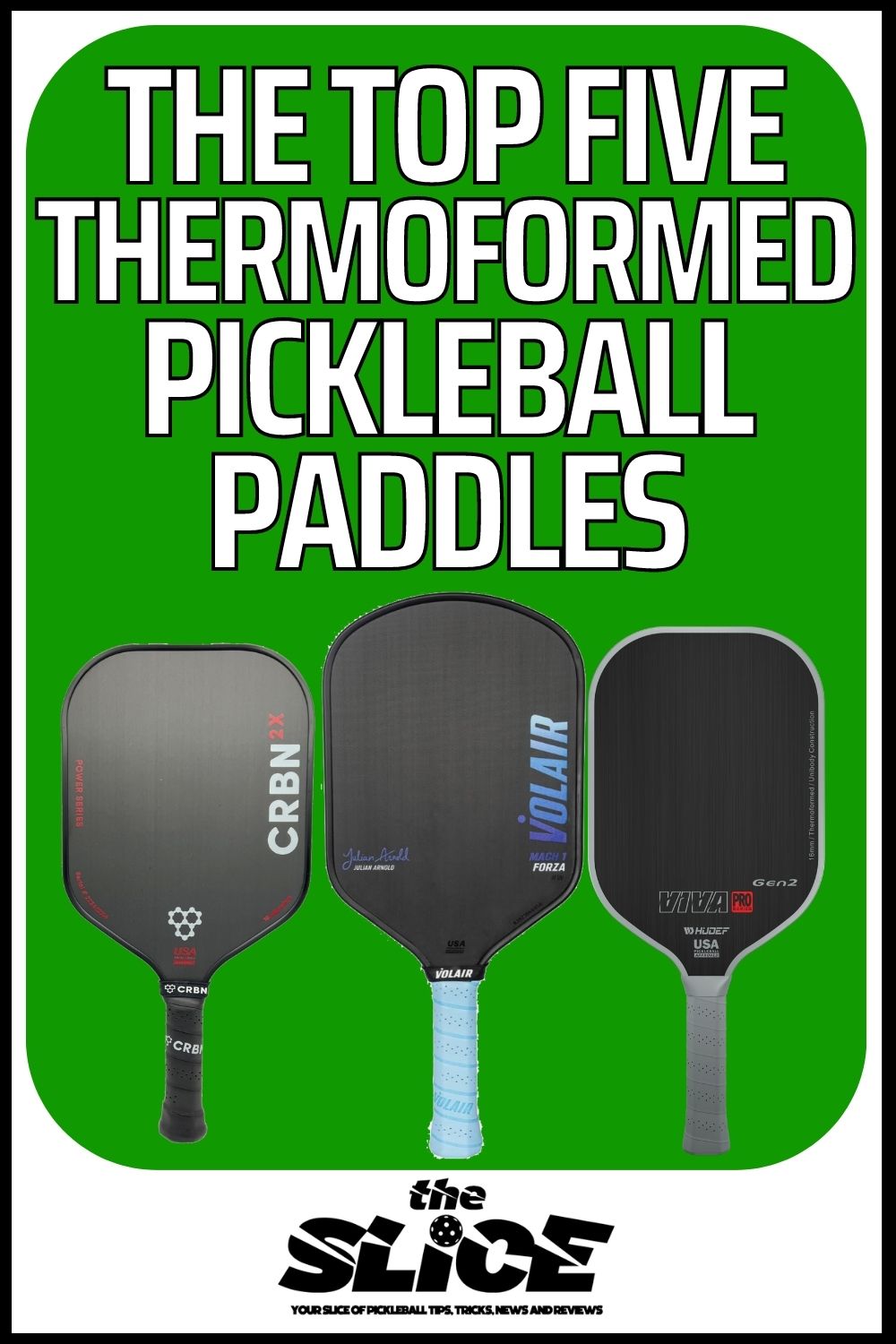
Thermoformed paddles offer good control and power. Their firm surface gives a solid feel when hitting the ball. The lightweight core helps with quick movements and fast swings. Many players find these paddles good for both offense and defense. They provide consistent bounce and help place shots more accurately.
Credit: theslicepickleball.com
Non Thermoformed Paddle Features
Non thermoformed pickleball paddles have distinct features that affect play and feel. These paddles do not use heat molding in their shape process. This difference influences their material, flexibility, and durability.
Understanding these features helps players choose the right paddle for their style.
Material And Build
Non thermoformed paddles often use layers of wood or composite materials. The surface may be fiberglass or carbon fiber. The build is usually thicker and heavier. This adds strength but can reduce swing speed. The edges are typically sealed with tape for protection.
Flexibility And Feel
These paddles offer a softer feel on ball contact. The surface flexes slightly, giving more control. The paddle’s response feels less rigid than thermoformed models. This flexibility helps players with touch shots and placement. Some players prefer this for a more natural game feel.
Longevity And Wear
Non thermoformed paddles usually last longer under regular use. Their thicker build resists dents and cracks well. The materials handle outdoor conditions better without warping. Over time, the surface may show wear but stays playable. Proper care extends the paddle’s life significantly.
Comparing Paddle Performance
Choosing the right pickleball paddle affects your performance on the court. Thermoformed and non-thermoformed paddles have different designs. These differences impact how you play. Understanding these impacts helps in selecting the best paddle for your style.
Comparing their performance focuses on key areas. Power, control, weight, balance, spin, and accuracy all matter. Each type has unique strengths and weaknesses in these areas.
Power And Control
Thermoformed paddles often provide more power. Their solid core and smooth surface create stronger hits. Non-thermoformed paddles usually offer better control. Their textured surface helps in placing shots accurately. Power helps in fast rallies, while control aids in precise play.
Weight And Balance
Thermoformed paddles tend to be lighter. This makes them easier to swing quickly. Non-thermoformed paddles are often heavier but balanced well. Heavier paddles give more stability and steady shots. Balance affects how comfortable and steady the paddle feels in your hand.
Spin And Shot Accuracy
Non-thermoformed paddles excel at spin generation. Their surface texture grips the ball better. This helps create sharp spins and tricky shots. Thermoformed paddles may lack some spin but improve shot consistency. Accurate shots reduce errors and increase your chances to score.
Price And Value
Price and value play a big role in choosing between thermoformed and non-thermoformed pickleball paddles. Both types offer different benefits and costs. Understanding their price differences helps you make a smart choice. Value depends on how well the paddle fits your needs and budget.
Cost Differences
Thermoformed paddles often cost more due to their unique manufacturing process. This process uses heat to shape the paddle, adding strength and durability. Non-thermoformed paddles are usually cheaper. They use simpler methods, which lowers the price.
Prices for thermoformed paddles can be 20% to 50% higher. This gap varies by brand and materials. Non-thermoformed paddles suit players who want a good paddle without spending much.
Investment Worthiness
Thermoformed paddles offer longer life and better performance. They resist wear and keep their shape over time. This makes them worth the higher price for serious players. Players seeking durability and consistent play find value here.
Non-thermoformed paddles may wear out faster. They can lose shape or surface quality sooner. But they fit casual players who play less often or want to try the sport. For these players, the lower cost balances out the shorter lifespan.
Budget Options
Many budget-friendly non-thermoformed paddles exist. They provide decent quality at a low price. These paddles are good for beginners or those on a tight budget. Some brands offer sales and discounts on these models.
For players needing a low-cost thermoformed paddle, options are fewer. These paddles usually target mid to high-end buyers. Choosing budget paddles depends on how often you play and your skill level.
Player Preferences And Use Cases
Choosing the right pickleball paddle depends on the player’s needs and how they play. Thermoformed and non-thermoformed paddles offer different benefits. Understanding player preferences helps pick the best paddle for each situation. The choice affects comfort, control, and overall enjoyment.
Beginners Vs Advanced Players
Beginners prefer paddles that are easy to handle and forgiving. Non-thermoformed paddles often suit new players well. They provide good control and reduce mishits. Advanced players seek paddles with more power and precision. Thermoformed paddles offer a solid feel and faster response. Experienced players can handle the extra speed and control these paddles provide.
Indoor Vs Outdoor Play
Indoor courts usually have smoother surfaces and less wind. Thermoformed paddles work well indoors because they offer better control. Outdoor play involves wind and rougher surfaces. Non-thermoformed paddles tend to absorb shock better outdoors. They also provide more durability against outdoor elements. Choosing based on the playing environment improves performance.
Playing Style Compatibility
Players who focus on quick volleys and fast reactions benefit from thermoformed paddles. These paddles respond well to rapid movements. Defensive players who rely on long rallies may prefer non-thermoformed paddles. They offer more control and a softer touch. Matching paddle type with playing style enhances comfort and effectiveness on the court.
Credit: diademsports.com
Maintenance And Care Tips
Taking care of your pickleball paddle helps keep it in good shape for a long time. Both thermoformed and non-thermoformed paddles need proper care to perform well. Simple steps can protect your paddle from damage and wear.
Cleaning Techniques
Use a soft cloth to wipe dirt and dust off the paddle surface. Warm water with mild soap works well to remove stubborn stains. Avoid harsh chemicals that can damage the paddle’s material. Dry the paddle completely before storing it to stop moisture buildup.
Storage Recommendations
Keep your paddle in a cool, dry place away from direct sunlight. Store it inside a paddle cover or case to prevent scratches and dents. Avoid leaving the paddle in hot cars or wet areas. Proper storage keeps the paddle’s shape and material strong.
Extending Paddle Lifespan
Check your paddle regularly for cracks or loose parts. Replace worn grips to maintain good control. Avoid hitting the ground or hard surfaces with the paddle edge. Use your paddle only for playing pickleball to avoid unnecessary damage.

Credit: 11six24.com
Frequently Asked Questions
What Is The Main Difference Between Thermoformed And Non-thermoformed Paddles?
Thermoformed paddles have a molded surface for better control and feel. Non-thermoformed paddles use flat or layered surfaces, offering more power but less touch precision.
Are Thermoformed Paddles Better For Control Or Power?
Thermoformed paddles excel in control and touch due to their textured surface. Non-thermoformed paddles typically provide more power but less finesse.
Which Paddle Type Lasts Longer: Thermoformed Or Non-thermoformed?
Thermoformed paddles generally last longer as their molded surface resists wear better. Non-thermoformed paddles can wear faster due to flat or layered surfaces.
Do Thermoformed Paddles Suit Beginners Or Advanced Players More?
Thermoformed paddles suit advanced players seeking precision and spin. Beginners may prefer non-thermoformed paddles for their power and easier handling.
Conclusion
Choosing between thermoformed and non-thermoformed pickleball paddles depends on your needs. Thermoformed paddles offer consistency and durability. Non-thermoformed paddles may provide a different feel and price point. Consider your playing style and budget carefully. Both types can enhance your game in their own way.
Test each paddle if possible. Find what feels best in your hand. Play comfortably and enjoy every match. Your choice matters for long-term satisfaction and performance.