
Pickleball is growing fast, and more people are discovering how much fun it can be. But as you get deeper into the game, you’ll notice something important: not all pickleball paddles are the same. In fact, the paddle you use indoors can be very different from the one you use outdoors. Knowing these differences can make your game better, protect your paddle, and even save you money.
If you’ve played both indoor and outdoor pickleball, you might have already noticed changes in how the ball feels, the noise level, or even how long your paddle lasts. But it’s not just about weather or court surface; the paddle itself is built for specific conditions.
Many beginners use the same paddle everywhere, but that can lead to mistakes and frustration.
Let’s break down the differences, strengths, and weaknesses of indoor vs outdoor pickleball paddles. We’ll also look at how to choose the right one for your needs, what materials matter most, and common errors players make. This complete guide will help you feel confident the next time you step onto any court—inside or out.
Why Paddles Matter In Pickleball
Pickleball is a game of quick reactions, smart shots, and subtle control. The paddle is your main tool. It’s the only thing connecting you and the ball, so even small differences can change your whole experience.
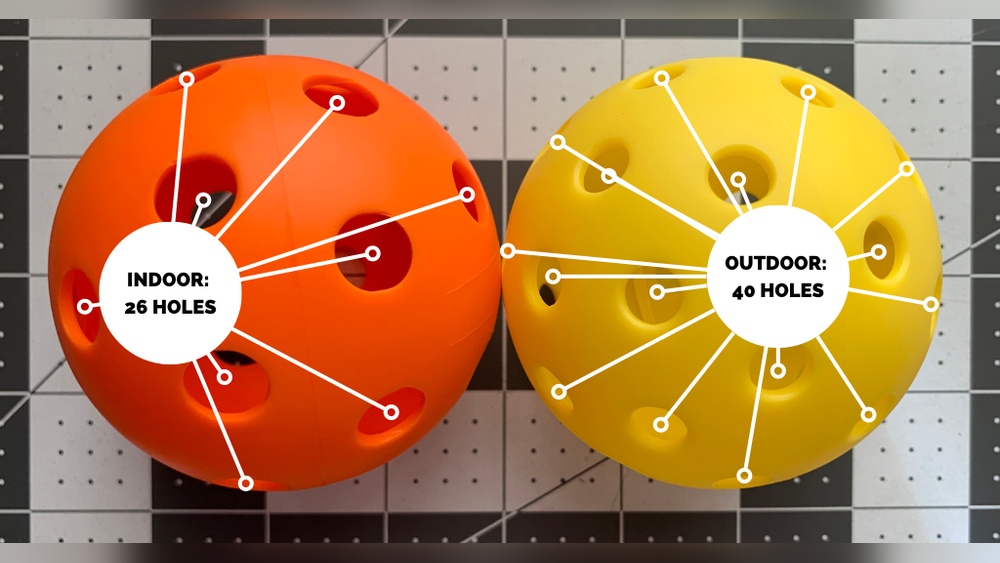
Indoor and outdoor pickleball balls are not the same. Indoor balls are lighter and have bigger holes. Outdoor balls are heavier with smaller holes to handle wind and rougher surfaces. Because of this, the paddle must respond differently for each environment.
A paddle that is great indoors may not last long outside. And a tough outdoor paddle may feel too heavy or stiff for indoor play. This is why understanding paddle design is important—not just for pros, but for anyone who wants to enjoy the game more.
Key Differences: Indoor Vs Outdoor Pickleball Paddles
Let’s start with the main differences between indoor and outdoor paddles. These are not just marketing words; the design truly affects your game.
1. Material Composition
- Indoor paddles often use softer materials, like polymer or composite cores, with textured fiberglass faces. This makes them lighter and gives you more touch and control.
- Outdoor paddles are usually made with harder, more durable surfaces such as graphite or carbon fiber. These materials handle rough outdoor conditions better and last longer.
2. Paddle Weight
- Indoor paddles generally weigh less—between 6.7 and 7.8 ounces. Lightweight paddles help with quick reactions and control on the smoother indoor courts.
- Outdoor paddles can be heavier, often 7.8 to 8.5 ounces. This extra weight helps you generate power and stability, especially since outdoor balls are heavier and the wind is a factor.
3. Surface Texture
- Indoor paddles may have a slightly smoother surface. This helps with finesse shots where spin is less critical.
- Outdoor paddles often feature a rougher, grittier texture. This adds spin and gives players more control over the heavier, faster-moving outdoor balls.
4. Durability
- Indoor paddles don’t face harsh sunlight, rain, or dust. So, they can use lighter paints and finishes.
- Outdoor paddles must be tougher. Their finishes resist UV rays and moisture, and the edges are often reinforced to handle rougher courts.
5. Sound And Vibration
- Indoor paddles are quieter, which is important in indoor gyms or shared spaces.
- Outdoor paddles may be noisier due to the harder face and stiffer core. This is less of a problem outside, but can be distracting indoors.

Credit: www.bigdillpickleballcompany.com
How Environment Impacts Paddle Performance
The environment shapes not just the paddle, but your playing style. What works in one setting can feel awkward in another.
Indoor Environment
- Smooth, even courts: Less wear and tear on paddle edges.
- No wind: Control and placement matter more than raw power.
- Consistent lighting: Easier to track the ball and time your shots.
Result: You want a lighter paddle with a soft touch, good for dinks and quick volleys.
Outdoor Environment
- Rough, sometimes gritty surfaces: Paddles hit the ground more often.
- Wind and sun: Power and spin help you control the ball.
- Variable lighting and temperature: Materials must resist warping and fading.
Result: You need a durable paddle with a strong surface that can handle tough balls and unpredictable conditions.
Paddle Shape: Does It Matter Indoors Vs Outdoors?
The shape of your paddle can also affect your play. While both indoor and outdoor paddles come in classic, elongated, and widebody shapes, the choice can be more important outside.
- Elongated paddles (longer face, smaller sweet spot) are more popular outdoors. They add reach and power—helpful for hard-to-reach shots and windy days.
- Widebody paddles (shorter and broader) are common indoors. Their large sweet spot makes control and quick volleys easier, which suits fast indoor rallies.
Non-obvious insight: Many players use a “hybrid” shape paddle for both settings, but this often means you get the benefits—and drawbacks—of both. If you play mainly outdoors, prioritize reach and durability. If you play mostly indoors, choose control and a bigger sweet spot.
Comparing Indoor And Outdoor Pickleball Paddles
Here’s a side-by-side look at the main features. This can help you match your paddle to your playing location.
| Feature | Indoor Paddle | Outdoor Paddle |
|---|---|---|
| Weight | 6.7–7.8 oz (lightweight) | 7.8–8.5 oz (heavier) |
| Surface Texture | Smoother, less gritty | Rougher, adds spin |
| Durability | Lower (less exposure to elements) | High (UV, moisture, rough courts) |
| Material | Polymer/fiberglass, soft core | Graphite/carbon fiber, hard core |
| Common Shape | Widebody, larger sweet spot | Elongated, more reach |
| Noise | Quieter | Louder |
Choosing The Right Paddle For Indoor Play
If most of your games are in gyms or rec centers, focus on these factors:
1. Lightness
A lighter paddle helps with fast exchanges at the net. Quick hands are key indoors, where rallies are short and sharp.
2. Control And Touch
Look for a paddle with a soft core and a textured surface. This will give you the most control for dinks, drops, and blocks.
3. Noise Reduction
Some indoor facilities have noise rules. Polymer core paddles are quieter and less likely to bother others.
4. Comfort
Grip comfort matters more indoors, where sweat is less of a problem. Try different grip sizes to see what feels best.
Example: Best Indoor Paddle Features
- Weight: 7.2 oz
- Surface: Textured fiberglass
- Core: Polymer honeycomb
- Shape: Widebody
- Grip: 4.25” circumference, cushioned
Tip: Avoid using your outdoor paddle indoors. It may be too stiff, heavy, or noisy.
Choosing The Right Paddle For Outdoor Play
For outdoor pickleball, your paddle must handle more stress and unpredictable conditions.
1. Durability
A tough surface—such as graphite or carbon fiber—will last longer against concrete courts and UV rays.
2. Power And Spin
Heavier paddles (but not too heavy) add power to your shots. A gritty surface helps you put spin on the ball, which is important in wind.
3. Weather Resistance
Look for paddles with UV-resistant paint and edge guards. These features prevent warping and fading.
4. Vibration Control
Outdoor play can be rough on your hands and elbows. A paddle with vibration-dampening layers will reduce fatigue.
Example: Best Outdoor Paddle Features
- Weight: 8.0 oz
- Surface: Carbon fiber, rough finish
- Core: Polymer or Nomex honeycomb
- Shape: Elongated
- Grip: Sweat-absorbing, 4.5” circumference
Tip: Don’t use your indoor paddle outside. It can chip or warp quickly, costing you more in replacements.
Common Mistakes Players Make
Many players—especially beginners—don’t realize how much the environment affects their paddle choice. Here are some frequent errors:
- Using one paddle everywhere: This leads to poor performance and faster paddle wear.
- Choosing the wrong weight: A paddle that’s too heavy can cause fatigue indoors, while a light paddle outdoors may lack power.
- Ignoring surface texture: A smooth paddle outdoors makes it hard to add spin.
- Not checking for durability features: Using an indoor paddle outside can lead to cracks, chips, and even broken paddles.
- Overlooking noise: Some paddles are banned in indoor venues because they are too loud.
- Not adjusting grip size: A grip that works indoors may get slippery outdoors due to sweat.
Non-obvious insight: Even if a paddle is labeled “all-purpose” or “universal,” it’s usually a compromise. If you play in both settings, consider owning two paddles—a dedicated one for each environment.
Price Range: Indoor Vs Outdoor Paddles
There’s a wide price range for paddles, but here are general trends:
- Indoor paddles: $40–$120. They tend to be less expensive because they use lighter materials and face less wear.
- Outdoor paddles: $60–$200. These paddles need tougher surfaces and extra features, which raises the price.
Tip: Buying a cheap paddle for outdoor use often means you’ll spend more in the long run, as you’ll need to replace it more often.
Paddle Lifespan: What To Expect
How long should a paddle last? It depends on how often you play and where.
| Paddle Type | Average Lifespan | Main Wear Factors |
|---|---|---|
| Indoor Paddle | 18–36 months | Core compression, surface fading |
| Outdoor Paddle | 12–24 months | Edge chipping, surface grit loss, UV damage |
If you play 3 times a week, expect to replace your outdoor paddle every 1–2 years, and your indoor paddle every 2–3 years.

Credit: www.calvinkeeney.com
How To Test A Paddle Before Buying
Buying a paddle online can be risky. Here’s how to get the right fit:
- Demo programs: Many local shops and pickleball clubs let you try paddles before you buy.
- Ask other players: See what works for others in your area.
- Test in your main setting: A paddle that feels great in the store might not perform the same outdoors or indoors.
Non-obvious insight: The same paddle can feel very different with a change in ball type or court surface. Always test in real conditions.
Maintenance Tips For Maximum Paddle Life
To get the most from your paddle, follow these care tips:
Indoor Paddles
- Keep dry: Wipe sweat off after play.
- Store at room temperature: Avoid leaving in hot cars.
- Check for surface wear: Replace if the texture is gone.
Outdoor Paddles
- Clean after play: Use a damp cloth to remove dust and grit.
- Avoid extreme temperatures: Don’t leave in direct sun for long periods.
- Inspect the edge guard: Replace if it starts to peel or crack.
- Protect from rain: Water can get inside the core and damage the paddle.
Paddle Technology: What’s New?
Modern paddles now use advanced materials and construction. Here are some innovations:
- Thermoformed edges: Seals out moisture for outdoor play.
- Micro-grit surfaces: Add spin without damaging indoor floors.
- Shock-absorbing cores: Reduce vibration and noise.
- UV-resistant finishes: Prevent fading and warping outdoors.
Some brands even offer paddles designed for “crossover” play, but as mentioned, they are a middle ground—not the best for either extreme.
Real-world Example: Switching Paddles By Location
Sarah, a 55-year-old recreational player, started with one paddle for all games. She noticed her paddle was getting chipped outdoors and felt too heavy indoors. After switching to a lighter, polymer-core paddle indoors and a graphite, rough-surfaced paddle outdoors, her control improved inside and her outdoor shots became more powerful and accurate.
She also found her paddles lasted longer because each was used in the right environment.
Credit: dinkusa.com
Outdoor And Indoor Pickleball Balls: The Overlooked Factor
Many players forget that the ball type also affects paddle choice.
- Indoor balls: 26 larger holes, softer plastic, lighter feel.
- Outdoor balls: 40 smaller holes, harder plastic, heavier weight.
A paddle that is too stiff for indoor balls can make the game feel “dead” and hard to control. Outdoors, a paddle that’s too soft can’t handle the heavier ball.
Tip: Always match your paddle to the main ball type you use.
When To Replace Your Paddle
Signs that you need a new paddle:
- Dead spots: The paddle loses bounce in certain areas.
- Surface wear: Texture is smooth or peeling.
- Cracks or chips: These can get worse quickly, especially outside.
- Edge guard issues: A loose edge guard can affect performance.
Don’t wait until your paddle is unusable. A worn paddle makes playing harder and less enjoyable.
Which Should You Choose If You Play Both Indoors And Outdoors?
If you split your time between both settings, the best plan is:
- Own two paddles—one optimized for each environment.
- If you must choose one, look for a mid-weight, composite paddle with a medium-grit surface and reinforced edges. It won’t be perfect, but it will work in both settings.
Remember, the right paddle can help prevent injuries, improve your game, and make pickleball more fun.
Buying Tips For Beginners
- Don’t overspend: Start with a quality paddle in the $60–$100 range.
- Buy from specialty stores: Staff can help you find the right model.
- Read reviews from your local area: Weather and court types affect paddle performance.
- Check local rules: Some clubs have paddle noise restrictions.
For more detailed paddle specs and reviews, you can check the USA Pickleball official site.
Frequently Asked Questions
What’s The Biggest Difference Between Indoor And Outdoor Pickleball Paddles?
The biggest difference is in material and durability. Outdoor paddles are built to handle rough courts, sun, and wind, while indoor paddles focus on control and quick hand speed. Weight and surface texture also differ.
Can I Use An Outdoor Paddle Indoors (or Vice Versa)?
You can, but it’s not ideal. An outdoor paddle may be too heavy and loud indoors, while an indoor paddle can get damaged outdoors. You’ll lose performance and may have to replace your paddle more often.
Do Indoor And Outdoor Balls Affect Which Paddle I Should Use?
Yes. Indoor balls are lighter and need paddles with more touch. Outdoor balls are heavier and need a tougher paddle with more power and spin. Always match your paddle to the ball type.
How Do I Know If My Paddle Is Worn Out?
Signs include dead spots (areas with little bounce), a smooth or peeling surface, cracks, or a loose edge guard. These problems make playing harder and can lead to injuries.
Is There A Paddle That Works Well For Both Indoor And Outdoor Play?
Some “all-purpose” paddles exist, but they are a compromise. The best choice is to own two paddles—one for each environment. If you must pick one, choose a mid-weight, composite paddle with a medium-grit surface and reinforced edges.
Pickleball is a game of skill, fun, and quick thinking. The right paddle for your court—indoors or out—can help you enjoy every moment and play your best. Choose wisely, maintain your equipment, and you’ll be ready for any match, anywhere.