
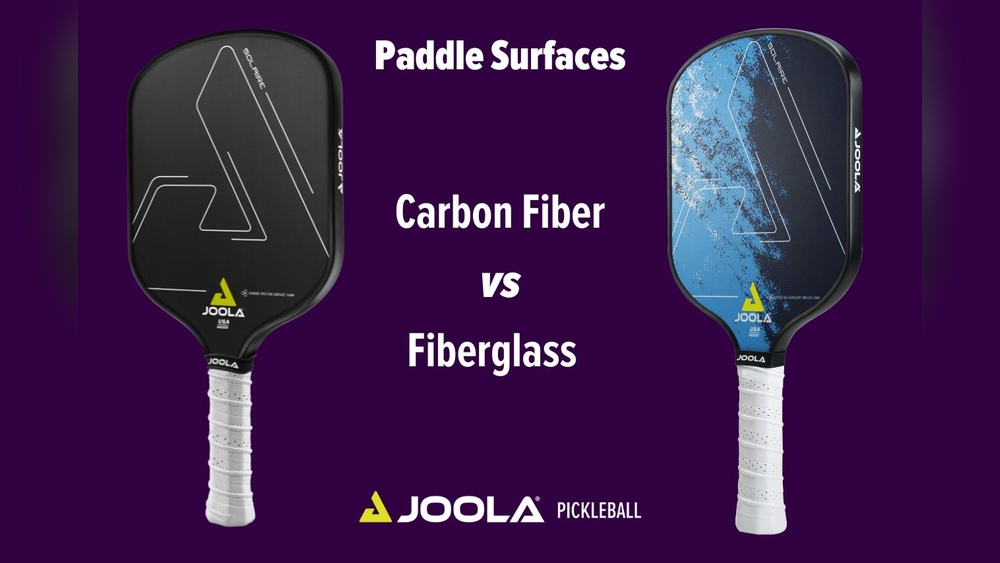
Are you trying to find the perfect pickleball paddle but feel stuck between composite and fiberglass options? Choosing the right paddle can change your game, boost your confidence, and make every match more fun.
But how do you know which one fits your style and skill level? This guide breaks down everything you need to know about composite vs fiberglass pickleball paddles, so you can make a clear, smart choice that feels just right in your hands.
Keep reading, and get ready to take your pickleball game to the next level.
Credit: www.pickleball-paddles.com
Material Basics
Understanding the material basics of pickleball paddles helps in choosing the right one. The paddle’s material affects its weight, power, and control. Composite and fiberglass paddles have different material structures. Knowing these differences helps players pick the best paddle for their style.
Composition Of Composite Paddles
Composite paddles use a mix of materials. Usually, they have a core made of polymer or Nomex. The surface layer combines carbon fiber or fiberglass with resin. This mix gives strength and durability to the paddle. It also helps in creating a balance of power and control. Composite paddles tend to be lightweight and stiff. This stiffness helps with faster ball speed and precise shots.
Fiberglass Paddle Structure
Fiberglass paddles have a surface made mostly of fiberglass sheets. The core is often made of polymer foam or honeycomb material. Fiberglass offers a softer feel compared to composite paddles. This softness helps absorb the ball’s impact, providing better control. Fiberglass paddles tend to be a bit heavier. They are suitable for players who want more touch and accuracy in their shots.
Performance Factors
Choosing between composite and fiberglass pickleball paddles depends on key performance factors. These factors affect how the paddle feels and plays on the court. Understanding power, control, durability, weight, and spin potential helps pick the right paddle for your style.
Power And Control
Composite paddles usually offer more power. Their core and face materials help generate strong shots. Fiberglass paddles provide better control. The softer surface absorbs impact, letting you place the ball precisely. Power suits aggressive players. Control fits those who like careful shots.
Durability And Weight
Composite paddles tend to be more durable. They resist dents and scratches during play. Fiberglass paddles are lighter but less tough. The lighter weight helps quick movements and fast reactions. Durability matters for frequent players. Weight affects comfort and speed.
Spin Potential
Composite paddles create more spin on the ball. Their textured surfaces grip better for slicing shots. Fiberglass paddles produce less spin because of their smooth face. Spin helps trick opponents and control ball direction. Players who use spin often choose composite paddles.
Player Experience
Player experience plays a big role in choosing between composite and fiberglass pickleball paddles. Each type offers a different feel and response. These differences affect comfort, sound, and playstyle fit. Understanding these factors helps players enjoy the game more.
Comfort And Feel
Composite paddles often feel solid and sturdy. They provide good control and power. Fiberglass paddles feel lighter and softer. This can reduce arm fatigue during long play. Many players find fiberglass paddles easier to handle. The grip and surface texture also affect comfort. Composite paddles may have a rougher texture. Fiberglass tends to feel smoother on the hand.
Noise Levels
Noise from the paddle hitting the ball matters in some places. Composite paddles usually make a louder sound. This is due to their dense materials. Fiberglass paddles create a quieter pop. This makes them better for noise-sensitive areas. Players who want less noise prefer fiberglass. Noise can also affect player focus and enjoyment.
Suitability For Different Playstyles
Composite paddles suit players who like power and control. They work well for aggressive shots and fast play. Fiberglass paddles fit players who prefer finesse and touch. They help with soft shots and dinks. Beginners often find fiberglass paddles easier to use. Advanced players may choose composite for better precision. The choice depends on how you like to play.

Credit: joola.com
Cost And Availability
Cost and availability play a key role in choosing between composite and fiberglass pickleball paddles. Players want paddles that fit their budget and are easy to find. Both types offer options at various price points. Availability depends on brand popularity and paddle demand. Understanding these factors helps buyers make smart choices.
Price Comparison
Composite paddles usually cost more than fiberglass ones. Prices for composite paddles range from $60 to $150. Fiberglass paddles are often priced between $40 and $100. The higher price of composite paddles reflects their durability and performance. Fiberglass paddles are more affordable but may wear out faster. Budget affects the choice for many players.
Market Options
Composite paddles are widely available from many brands. Sports stores and online shops stock a large selection. Fiberglass paddles are also easy to find but less common. Some brands focus only on composite paddles. Others offer both types. Online stores provide the most variety for both paddle types. Local shops may have limited options, especially for fiberglass paddles.
Maintenance And Longevity
Maintaining your pickleball paddle properly helps it last longer. Both composite and fiberglass paddles need care to keep their performance. Regular upkeep prevents damage and wear. It also saves money on replacements. Understanding how to care for each paddle type is key.
Care Tips For Composite Paddles
Keep composite paddles dry and clean after each use. Wipe the surface with a soft cloth to remove dirt. Avoid exposure to extreme heat or cold. Store paddles in a protective case to prevent scratches. Check the edges for chips or cracks regularly. Use paddle edge guards to reduce damage during play. Avoid hitting hard surfaces with the paddle face. Clean with mild soap and water if needed. Never use harsh chemicals that can damage the paddle’s surface.
Fiberglass Paddle Upkeep
Fiberglass paddles require gentle handling to maintain their smooth surface. Clean the paddle with a damp cloth after playing. Avoid dropping or striking the paddle on hard surfaces. Store the paddle in a cool, dry place away from direct sunlight. Inspect the paddle for cracks or loose fibers frequently. Use a paddle cover to protect it during transport. Avoid using abrasive materials to clean the paddle. Keep the handle dry to prevent slipping and damage. Proper care ensures the fiberglass paddle stays strong and responsive.

Credit: bepickleballer.com
Choosing The Right Paddle
Choosing the right pickleball paddle is key for enjoying the game and improving skills. The right paddle feels comfortable and helps control the ball. Both composite and fiberglass paddles offer benefits. Understanding your needs and preferences makes the choice easier.
Matching Paddle To Skill Level
Beginners often prefer lighter paddles for easier swings. Composite paddles tend to be lighter and more forgiving. They help new players learn ball control better. Advanced players may choose heavier paddles for power. Fiberglass paddles usually offer more pop and speed. Skill level guides the best paddle type for you.
Assessing Personal Preferences
Comfort matters most. Grip size affects handling and reduces arm strain. Test different paddles to find the right feel. Sound and touch vary between materials. Some players like the quiet hit of fiberglass. Others prefer the solid feel of composite. Your style and comfort should lead your decision.
Frequently Asked Questions
What Are The Main Differences Between Composite And Fiberglass Paddles?
Composite paddles use a blend of materials, offering durability and power. Fiberglass paddles provide better control and a softer feel. The choice depends on your play style and preference for power versus precision.
Which Paddle Type Is Better For Beginners?
Fiberglass paddles are often recommended for beginners. They offer more control and a forgiving feel. Composite paddles might be harder to handle initially due to their power and stiffness.
How Does Paddle Material Affect Gameplay Performance?
Material impacts power, control, and paddle weight. Composite paddles deliver more power but less control. Fiberglass paddles enhance control and touch but may sacrifice some power.
Are Composite Paddles More Durable Than Fiberglass Ones?
Yes, composite paddles generally last longer. Their mixed materials resist wear and impact better. Fiberglass paddles are less durable but provide a softer hitting experience.
Conclusion
Choosing between composite and fiberglass paddles depends on your playing style. Composite paddles offer power and durability for strong hits. Fiberglass paddles provide better control and a softer feel. Both types suit different skill levels and preferences. Think about what matters most—power or control.
Try both to see which feels right in your hand. Your best paddle matches how you play and enjoy pickleball. Keep practicing and have fun on the court!