
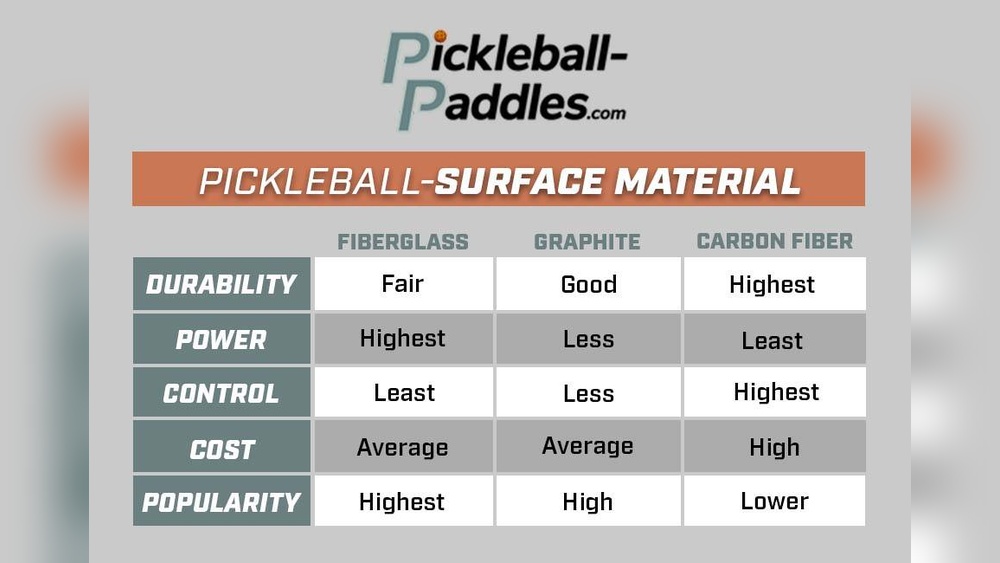
Choosing the right pickleball paddle can make a huge difference in your game. You might be wondering whether a composite or carbon fiber paddle is best for you.
Both types have their own strengths, and the choice can feel confusing. But don’t worry—this guide will help you understand the key differences. By the end, you’ll know exactly which paddle fits your style and helps you play your best.
Keep reading to find out how to get the perfect paddle for your game.
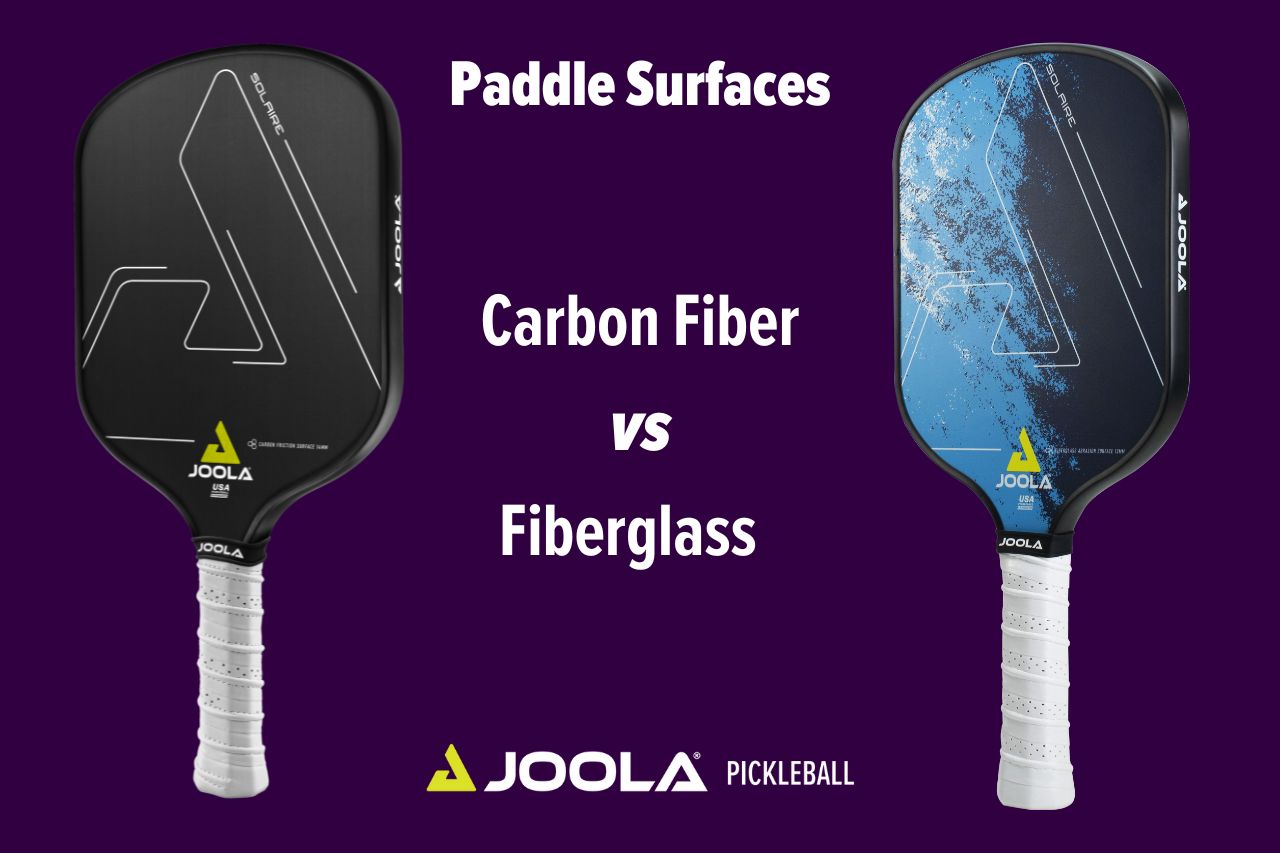
Credit: joola.com
Material Basics
Choosing the right pickleball paddle starts with understanding the materials. The paddle’s material affects its weight, durability, and feel. Two popular materials are composite and carbon fiber. Each has unique traits that impact your play style.
What Is Composite?
Composite is a mix of different materials. Usually, it includes fiberglass, carbon, or other fibers combined with resin. This mix creates a strong, lightweight paddle surface. Composite paddles offer good control and power. They are often affordable and durable. Many players prefer composite paddles for their balanced performance.
What Is Carbon Fiber?
Carbon fiber is a special material made of thin, strong fibers. These fibers are woven into a fabric and set in resin. Carbon fiber paddles are very light and stiff. This stiffness helps deliver faster, more powerful shots. They tend to be more expensive than composite paddles. Carbon fiber is popular among players who want speed and precision.
Weight And Balance
Weight and balance play a key role in choosing a pickleball paddle. These factors affect how the paddle feels in your hand and how it moves during play. Both composite and carbon fiber paddles offer different experiences in weight and balance. Understanding these differences helps you pick the right paddle for your style.
Impact On Swing Speed
Carbon fiber paddles are usually lighter than composite paddles. This lighter weight allows faster swings with less effort. A quick swing helps hit the ball harder and react faster. Composite paddles often have more weight. This extra weight can slow your swing but adds power behind the hit. Players who want speed often choose carbon fiber for its light feel.
Effect On Control
Heavier paddles, like many composite ones, offer better control. The added weight helps steady your hand and reduce vibrations. This control helps in placing the ball precisely where you want. Carbon fiber paddles, while lighter, can feel less stable for some players. The balance point also matters. Balanced paddles offer a mix of control and speed. Head-heavy paddles give more power but less control. Head-light paddles improve maneuverability but may reduce hitting force.
Durability And Longevity
Durability and longevity are key factors in choosing a pickleball paddle. Players want a paddle that lasts through many games and stays in good shape. Both composite and carbon fiber paddles offer strong builds, but they differ in how they handle wear and care. Understanding these differences helps players pick the best paddle for long-term use.
Resistance To Wear
Composite paddles have a sturdy surface that resists scratches and dings well. The mix of materials helps absorb impact and avoid cracks. Carbon fiber paddles are lighter but very tough. Their surface is harder, making them less likely to chip or break. Over time, carbon fiber paddles keep their shape and feel better than many composites. Both types handle regular play well, but carbon fiber may hold up longer under heavy use.
Maintenance Needs
Composite paddles need simple care. Clean them with a damp cloth to remove dirt and sweat. Avoid leaving them in hot places, which can damage the glue and materials. Carbon fiber paddles require similar care but are less affected by temperature changes. They need less frequent cleaning because their surface repels dirt better. Storing either paddle properly extends its life and keeps performance steady.
Power And Control
Power and control are key factors in choosing the right pickleball paddle. Players want strong shots without losing accuracy. Both composite and carbon fiber paddles offer unique benefits. Understanding their differences helps improve your play style.
Shot Power Comparison
Carbon fiber paddles tend to deliver more power. Their stiff surface pushes the ball with greater force. This helps in fast, aggressive shots. Composite paddles offer moderate power. Their softer surface absorbs some energy, reducing speed.
Players who prefer strong smashes may favor carbon fiber. Those who like a balanced game might choose composite. Power depends on paddle design and player skill too.
Precision And Accuracy
Composite paddles provide better control and softer touch. Their surface allows for more ball grip and spin. This helps in placing shots exactly where you want. Carbon fiber paddles can be less forgiving. The harder surface may cause the ball to bounce off quickly.
Players who focus on shot placement often pick composite paddles. Those who rely on fast power shots might accept less control. Both types can improve precision with practice.
Comfort And Feel
Comfort and feel are key when choosing a pickleball paddle. A paddle that feels good in your hand helps you play better. The right paddle reduces strain and keeps you playing longer. Both composite and carbon fiber paddles offer unique comfort features. Understanding these differences helps you find your best fit.
Grip And Vibration
Composite paddles usually have a softer grip. This softness absorbs some shock from hitting the ball. It makes the paddle feel gentle on your hand. Carbon fiber paddles often have firmer grips. They provide a solid hold but may transfer more vibration. Vibration can cause discomfort after long play. Some carbon fiber paddles add extra padding to reduce this. The grip size also matters. Choose one that fits your hand well for better control.
Player Feedback
Players say composite paddles feel smoother during play. The paddle’s surface absorbs more impact. This reduces hand fatigue and offers a steady feel. Carbon fiber paddles feel more rigid and crisp. They give sharp feedback on every hit. Some players like this precise touch. Others find it too harsh over time. Comfort depends on personal preference and play style. Testing both types helps you find the best comfort and feel for your game.

Credit: joola.com
Cost Differences
Cost differences between composite and carbon fiber pickleball paddles matter to many players. Choosing the right paddle depends on budget and what you want from the paddle. Understanding price differences helps make a smart choice.
Price Range
Composite paddles usually cost less than carbon fiber ones. You can find composite paddles from $30 to $80. Carbon fiber paddles often start around $80 and go up to $150 or more. The higher price reflects the material quality and performance.
Carbon fiber paddles are lighter and stronger, which adds to their cost. Composite paddles use mixed materials, making them cheaper to produce. The price gap can be big, depending on brand and features.
Value For Money
Composite paddles offer good value for casual and beginner players. They provide decent durability and performance at a lower cost. For players on a budget, composite paddles meet basic needs well.
Carbon fiber paddles suit serious players who want better control and power. The higher price can be worth it for frequent players. These paddles last longer and feel more responsive during play.
Choosing value depends on how often you play and your skill level. Spending more on carbon fiber may pay off in the long run for dedicated players.
Player Types And Preferences
Different players have different needs in pickleball paddles. Choosing between composite and carbon fiber depends on play style and skill level. The paddle you pick affects control, power, and comfort. Understanding player types helps find the right fit.
Beginners And Casual Players
Composite paddles suit beginners well. They are usually lighter and easier to handle. These paddles offer good control and comfort for new players. The cost is often lower, making them a budget-friendly choice. Casual players enjoy a balanced feel without too much power. Composite paddles help build confidence and improve basic skills.
Advanced And Competitive Players
Carbon fiber paddles attract advanced players. They provide more power and faster response. The surface is harder, allowing sharper shots and better spins. Competitive players value durability and precision. Carbon fiber paddles are usually stiffer, giving more control at high speeds. These paddles support aggressive play and quick movements on the court.
Environmental Impact
Choosing a pickleball paddle also means thinking about the environment. Every paddle has an impact on the planet, from how it is made to what happens after use. Understanding this can help players make better choices for the earth.
Manufacturing Footprint
Composite paddles often use plastic and foam. Their production needs a lot of energy and chemicals. Carbon fiber paddles require even more energy. The process to make carbon fibers is intense and releases gases. Both types add to pollution but carbon fiber has a larger footprint.
Recyclability
Composite paddles mix many materials. This makes them hard to recycle. Most end up in landfills. Carbon fiber paddles also face recycling problems. Carbon fibers are tough to break down. Few places recycle them properly. This means both paddles can harm the environment after use.

Credit: heliospickleball.com
Frequently Asked Questions
What Are The Main Differences Between Composite And Carbon Fiber Paddles?
Composite paddles use a mix of materials, offering durability and affordability. Carbon fiber paddles are lighter and stiffer, providing better control and power. Each suits different play styles and budgets.
Which Paddle Type Is Better For Beginners?
Composite paddles are ideal for beginners due to their forgiving nature and lower cost. They help new players develop skills without sacrificing comfort or durability.
Are Carbon Fiber Paddles More Expensive Than Composite Ones?
Yes, carbon fiber paddles generally cost more. Their advanced materials and performance benefits justify the higher price for serious players.
How Does Paddle Weight Affect Performance In Pickleball?
Lighter paddles like carbon fiber improve maneuverability and reduce arm fatigue. Heavier composite paddles offer more power but less control.
Conclusion
Choosing between composite and carbon fiber paddles depends on your play style. Composite paddles offer good control and a softer feel. Carbon fiber paddles provide more power and are lighter. Both types have benefits for different players. Think about what matters most: control or power.
Try both if you can. That helps find the right fit for you. Enjoy the game with the paddle that feels best. Play smart, play comfortable. Your paddle choice can boost your fun on the court.