
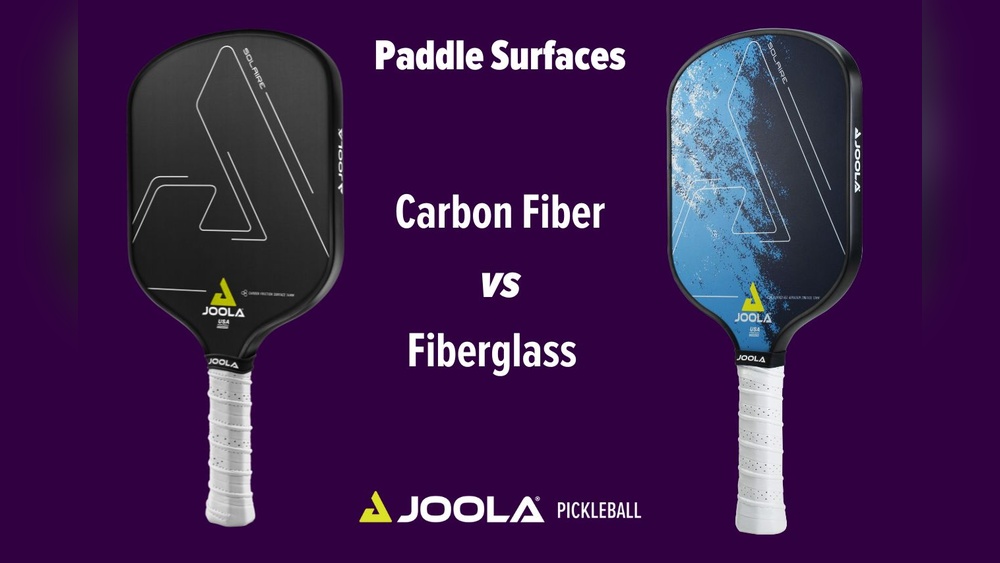
Pickleball has quickly moved from a backyard pastime to a competitive sport played by millions. Whether you’re stepping onto the court for the first time or you’re a seasoned player, your choice of paddle can make a huge difference. Two materials dominate the world of pickleball paddles: carbon fiber and fiberglass. Both offer unique benefits, but which one suits your style and skill level? If you’re debating between a carbon fiber vs fiberglass pickleball paddle, you’re not alone. In this guide, you’ll find a clear comparison, practical advice, and details you won’t find in basic reviews. Let’s break down what matters most.
What Makes Paddle Material So Important?
Pickleball paddles are more than just simple racquets. The material affects power, control, weight, and even the sound each time you strike the ball. A paddle’s core and face material work together, but the face—usually made from carbon fiber or fiberglass—sets the tone for your whole game.
- Power vs Control: Some materials give you more force, while others focus on ball placement.
- Durability: The right material can mean your paddle lasts longer, saving you money.
- Feel and Feedback: How a paddle feels can change your comfort and confidence.
- Price: Material often determines the cost, with some paddles costing over $200.
Understanding the real differences between carbon fiber and fiberglass can help you avoid costly mistakes and choose a paddle that matches your needs.
Carbon Fiber Pickleball Paddle: What You Need To Know
Carbon fiber is well-known in industries like aerospace and sports for its lightweight strength. In pickleball paddles, carbon fiber is used mainly for the face (the surface that hits the ball).
Key Features Of Carbon Fiber Paddles
- High Strength-to-Weight Ratio: Carbon fiber is much stronger than its weight suggests. This means you get a paddle that is both light and durable.
- Stiffness: The material is rigid, which gives you a crisp, responsive feel each time you hit the ball.
- Control: The stiff face allows for excellent ball control, making it easier to place shots precisely.
- Textured Surface: Many carbon fiber paddles have a naturally rough surface, which helps create spin.
- Premium Price: Because carbon fiber is expensive to produce, these paddles often cost more.
Advantages
- Precision: Players can direct the ball with more accuracy.
- Consistency: The paddle’s response stays the same over time, even with regular play.
- Spin Potential: The rough surface helps advanced players add spin to their shots.
- Lightweight: Ideal for quick reactions at the net.
Disadvantages
- Lower Power: Carbon fiber’s stiffness means it doesn’t “give” much, so you get less rebound. Beginners may find it harder to generate power.
- Higher Cost: You’ll often pay $120–$250 for a good model.
- Less Forgiving: The smaller sweet spot punishes off-center hits.
Who Should Choose Carbon Fiber?
- Intermediate to advanced players who value control and spin
- Players with fast swings who create their own power
- Those looking for a long-lasting, consistent paddle

Credit: joola.com
Fiberglass Pickleball Paddle: Breaking It Down
Fiberglass is a tried-and-true material in many sports, from boats to tennis racquets. In pickleball, it offers a different blend of traits.
Key Features Of Fiberglass Paddles
- Flexibility: Fiberglass is more flexible than carbon fiber, which means it can store and release energy better on contact.
- Power: The extra “give” in the face acts like a trampoline, adding force to your shots.
- Softer Feel: Many players notice a smoother, softer sensation on impact.
- Affordable: Fiberglass is less expensive to produce, making these paddles more budget-friendly.
Advantages
- Powerful Shots: Easier for beginners to hit the ball deep without a strong swing.
- Larger Sweet Spot: More forgiving on off-center hits.
- Lower Price: Quality fiberglass paddles can be found from $60 to $120.
- Comfort: The softer feel can reduce arm fatigue.
Disadvantages
- Less Control: The flexible face can make precise placement harder.
- Durability: Fiberglass wears out faster, especially with heavy use.
- Heavier Feel: Some players find these paddles less nimble at the net.
Who Should Choose Fiberglass?
- Beginners and casual players who want more power with less effort
- Players who need a larger sweet spot for consistent play
- Those on a tight budget
Head-to-head Comparison: Carbon Fiber Vs Fiberglass
To help you see the differences clearly, here is a direct comparison:
| Feature | Carbon Fiber | Fiberglass |
|---|---|---|
| Weight | Lighter (7.0–8.0 oz) | Heavier (7.5–8.5 oz) |
| Power | Lower, more control | Higher, less control |
| Control | Very high | Moderate |
| Durability | Excellent | Good (but less than carbon fiber) |
| Price | Expensive | Affordable |
| Spin | High potential | Moderate |
| Sweet Spot | Small to medium | Large |

Credit: players-pickleball.myshopify.com
How The Paddle Face Impacts Your Game
The face material is not the whole story, but it is critical. Here’s how it affects real play:
- Ball Contact Time: Carbon fiber’s stiff face means the ball stays on the paddle for a shorter time. You get quicker response but need good timing. Fiberglass, with a softer face, gives the ball more “dwell time,” making it easier to add power or lift.
- Spin Creation: Textured carbon fiber lets advanced players create tricky spins. Fiberglass can spin too, but it’s usually less effective.
- Vibration: Carbon fiber’s rigidity can send more vibration to your arm, which some players dislike. Fiberglass absorbs more shock, which is easier on joints.
Paddle Core: The Hidden Factor
While this article focuses on face materials, the core of your paddle also matters. Most pickleball paddles use a polymer honeycomb core. Here’s why you should care:
- Core and Face Work Together: A carbon fiber face with a soft core can balance out harshness, while a fiberglass face with a hard core can add more punch.
- Noise Level: Some clubs require “quiet” paddles, so check your local rules.
- Weight Distribution: Core thickness impacts paddle weight—thicker cores add control, thinner cores add power.
Real-world Examples: Carbon Fiber Vs Fiberglass Paddles
Let’s look at two popular paddles—one from each material—and how they perform.
Example 1: Selkirk Vanguard Power Air (carbon Fiber)
- Weight: 7.8 oz
- Face: Raw carbon fiber
- Core: Polymer honeycomb
- Price: $250
This paddle is used by advanced players who want sharp control and lots of spin. The feedback is crisp, and the paddle remains consistent after months of use. However, beginners find this Selkirk paddle “dead” unless they swing hard.
Example 2: Onix Z5 (fiberglass)
- Weight: 8.2 oz
- Face: Fiberglass composite
- Core: Nomex honeycomb
- Price: $90
The Onix Z5 is a favorite among recreational players. It’s powerful and forgiving, helping new players keep the ball in play. Over time, the face may show wear, but at this price, it’s easy to replace.
Common Mistakes When Choosing A Paddle
Many players get caught up in marketing or buy the most expensive paddle they can find. Here’s what you should avoid:
- Ignoring Your Skill Level: Advanced paddles make life harder for beginners.
- Chasing Trends: Not every new technology suits your game.
- Focusing Only on Weight: Material matters just as much.
- Overlooking Comfort: If your paddle hurts your arm, you won’t improve.
- Buying Without Testing: Always try before you buy, if possible.
How To Choose The Right Paddle For You
Here are steps to make the right decision:
- Assess Your Style: Are you a power hitter, a control player, or somewhere in between?
- Test Both Types: Try paddles made from both materials if you can.
- Check Local Rules: Some clubs restrict paddle types (especially carbon fiber).
- Set a Budget: Don’t assume expensive is always better.
- Listen to Your Body: Comfort is key—if a paddle causes pain, move on.
Carbon Fiber And Fiberglass In Hybrid Paddles
Some manufacturers combine both materials. For example, you might find a paddle with a carbon fiber face and a fiberglass-reinforced edge. This can offer the best of both worlds:
- Control from Carbon Fiber
- Power from Fiberglass
- Improved Durability
However, hybrids can get pricey and don’t always guarantee better performance. Test before committing.
Not-so-obvious Insights
- Humidity and Weather Impact: Fiberglass paddles can absorb moisture and feel heavier on humid days. Carbon fiber resists this problem. If you play outdoors often, carbon fiber may be more reliable year-round.
- Noise Level: Carbon fiber paddles can sound “pingy,” which some players (and clubs) dislike. Fiberglass usually makes a softer “pop,” which is less distracting.
- Resale Value: High-end carbon fiber paddles keep their value better if you decide to upgrade later.
Maintenance And Longevity
How you care for your paddle affects its lifespan:
- Carbon Fiber: Wipe clean with a dry cloth. Avoid slamming against hard surfaces. With good care, these paddles often last 2–3 years of regular play.
- Fiberglass: Clean gently and check for chips or cracks. The face can wear down faster, especially if you play several times a week. Expect to replace every 1–2 years if used often.

Credit: bepickleballer.com
Cost Analysis: Is Expensive Always Better?
Not always. Here’s a look at value for money:
| Paddle Type | Average Price | Expected Lifespan | Annual Cost* |
|---|---|---|---|
| Carbon Fiber | $150–$250 | 2–3 years | $75–$125 |
| Fiberglass | $60–$120 | 1–2 years | $60–$120 |
*Annual cost is estimated by dividing price by years of use.
You see that while carbon fiber costs more upfront, its durability can make it a smart buy for frequent players.
What Do The Pros Use?
Most Professional Pickleball Players Choose Carbon Fiber Paddles. Why?
- Control and Spin: At high levels, every shot counts.
- Consistency: Pros need a paddle that reacts the same every time.
However, some pros use hybrid paddles that include both materials for custom performance.
When Fiberglass Wins
Don’t overlook fiberglass just because the pros prefer carbon fiber. In club and recreational play, fiberglass paddles are everywhere for good reasons:
- Easier for Beginners: The power and forgiveness help new players keep rallies going.
- Budget-Friendly: You can get a quality paddle without spending much.
- Less Arm Fatigue: Softer faces cushion mishits, reducing the risk of injury.
Carbon Fiber Vs Fiberglass: The Bottom Line
Choosing between carbon fiber and fiberglass depends on your needs:
- If you value precision, spin, and durability, carbon fiber is your best option.
- If you want power, comfort, and affordability, fiberglass is the way to go.
Try both types if possible. Your game—and enjoyment—will improve when you find the right fit.
Frequently Asked Questions
What Is The Main Difference Between Carbon Fiber And Fiberglass Paddles?
The biggest difference is in how they handle power and control. Carbon fiber paddles are stiff, offering great control and spin but less power. Fiberglass paddles are more flexible, giving you extra power but slightly less control.
Are Carbon Fiber Paddles Worth The Higher Price?
For many players, yes—especially if you play often and want long-lasting performance. The improved control and durability can justify the cost. However, beginners may not notice much difference at first.
Can Beginners Use Carbon Fiber Paddles?
They can, but most beginners find fiberglass paddles easier to use. The larger sweet spot and extra power help with learning. Once you have better technique, switching to carbon fiber can help your game.
Do Paddle Materials Affect Injury Risk?
Yes. Fiberglass paddles absorb more shock, which can reduce stress on your arm and elbow. Carbon fiber paddles, being stiffer, may send more vibration into your hand, especially if you hit off-center often.
How Do I Know When To Replace My Paddle?
Replace your paddle if you notice cracks, chips, or a dead spot (where the ball doesn’t bounce well). Fiberglass paddles usually wear out faster, while carbon fiber paddles last longer if well cared for.
If you want to learn more about the science behind these materials, visit the Pickleball Wikipedia page for in-depth technical details.
Picking the right paddle is a journey. Take your time, try different options, and remember: the best paddle is the one that fits your hand, your style, and your goals. Enjoy your time on the court!